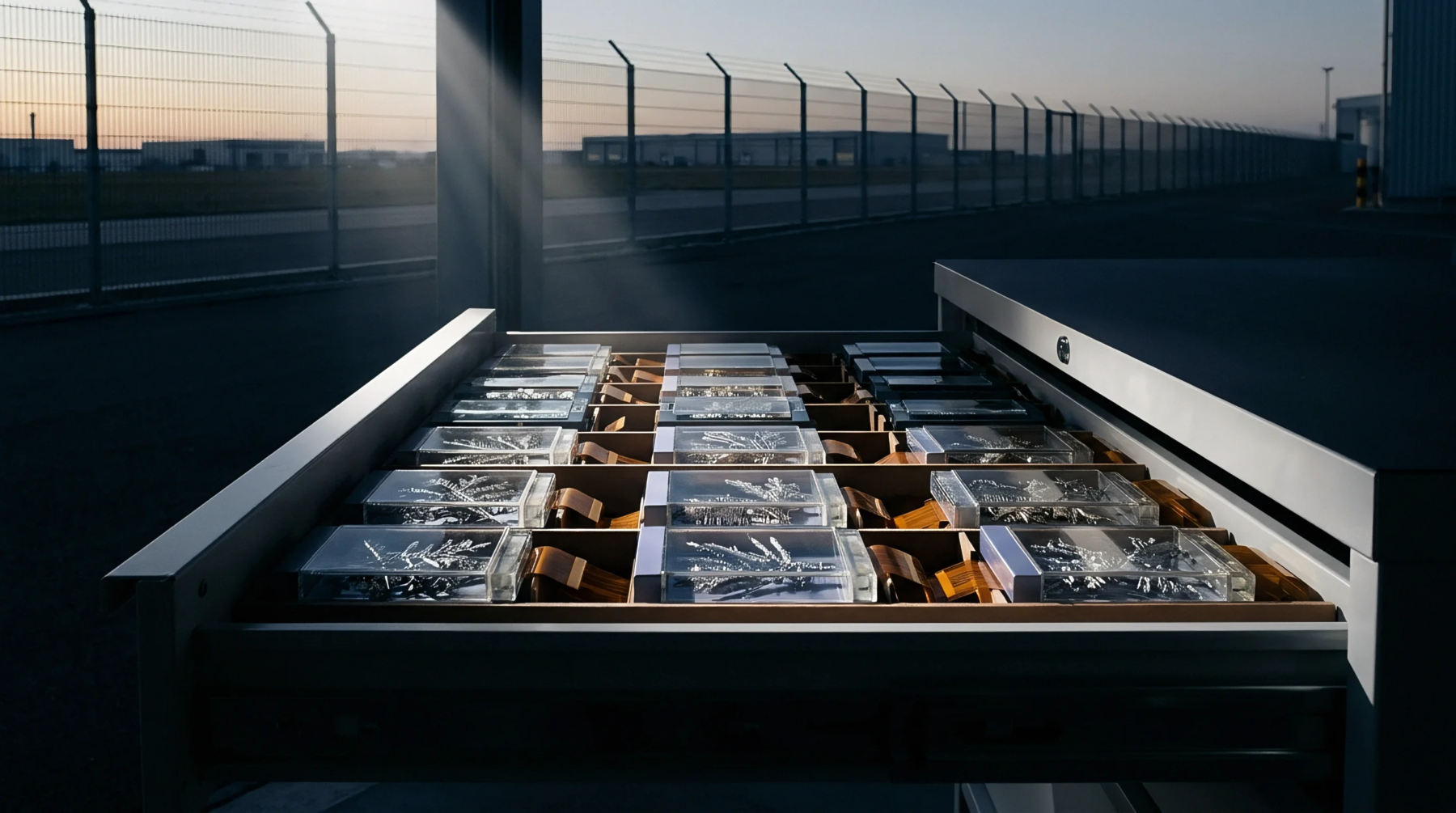
Japan and Korea Radio Filings Handled through Local Representation
Radio filings in Japan and Korea depend on local representatives to hold legal title, navigate national test standards, and prevent customs cargo impoundment.
A class 2 modification designates an engineering change to a hardware assembly that introduces a functional alteration to the base design while maintaining existing mechanical fit and thermal constraints. The class 2 modification occurs within the post-production phase when internal routing or component selection requires adjustment without altering the external form or the core interface logic of the device. Certification teams apply this label to distinguish between routine updates that require full system re-verification and minor internal tweaks that preserve the original safety envelope.
Field testing confirms that the output power and electromagnetic emission levels remain within the parameters recorded during the initial product approval.
Engineers follow a strict procedure during the validation of a class 2 modification to prevent the accumulation of unintended electrical stress. Technical staff compare the modified schematic against the baseline documentation to identify potential shifts in trace impedance or signal timing. Designers perform a thermal simulation if the substitution of a sub-component involves a change in package size or internal dissipation.
Analysts document the heat sink capacity against the new thermal signature of the assembly. Factory technicians verify the electrical continuity of the revised path before the unit proceeds to final assembly. Quality teams inspect the solder joints for stress fractures or proximity violations caused by the placement of new parts.
This procedure ensures that the final unit performs identically to the base model under rated voltage conditions.
The qualification of a class 2 modification relies upon a comparative analysis between the updated board and the original production sample. Testing staff subject the modified device to the same environmental profile as the predecessor to confirm that neither vibration nor thermal cycling affects the altered section. Technicians measure the response time of control circuits to ensure the latency remains within the tolerance window of the system clock.
Engineers check the radio frequency front end for spurious emissions that might arise from the layout changes. Documentation of the modification includes the rationale for the part substitution and the raw data from the verification cycle. These reports reside in the product history file to provide evidence for auditors if the system undergoes a future upgrade or a maintenance review.
Any change defined as a class 2 modification avoids the necessity of a complete regulatory submission because the external dimensions and system level behavior stay consistent. Regulatory agencies accept the manufacturer provided data as sufficient evidence of continued compliance with safety standards. Product certification depends upon the absence of interference with the primary interface ports or the user interaction layer.
Certification bodies require notification if the modification changes the energy consumption profile or the classification of the hazardous material content within the housing. The classification preserves the continuity of the legal permit for the entire product line by confining the technical changes to the internal architecture. Consistent application of this rule prevents the inflation of compliance costs for incremental design improvements.
Radio filings in Japan and Korea depend on local representatives to hold legal title, navigate national test standards, and prevent customs cargo impoundment.
Expertise is a utility, not a secret. sentiention™ publishes its working knowledge as open reference: intelligence layer covering the materials it sources, the markets it enters, and the reference that serves both.