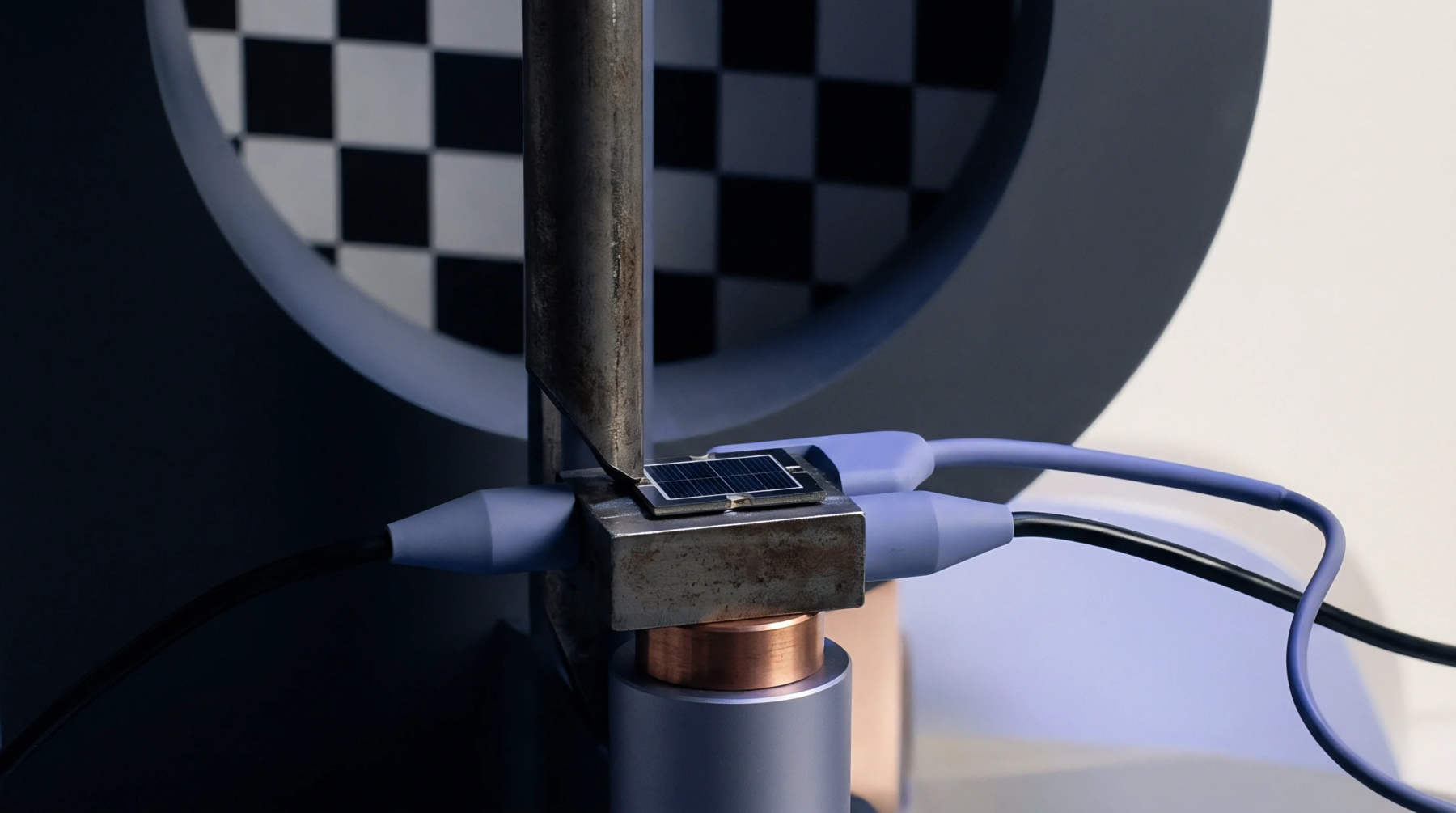
LTE M Power save Mode Parameter Optimization Techniques
Configure LTE-M Power Save Mode by auditing granted T3412 and T3401 timers on carrier networks to prevent active listening drain from exhausting batteries.
Configure LTE-M Power Save Mode by auditing granted T3412 and T3401 timers on carrier networks to prevent active listening drain from exhausting batteries.

Ultra-narrowband Sub-GHz communication demands sub-ppm crystal stability and rigorous close-in phase noise management to prevent adjacent channel failure.

Regional sub-GHz power ceilings require harmonic filters balancing up to 71.2 dB rejection against insertion loss to preserve battery life and link margin.
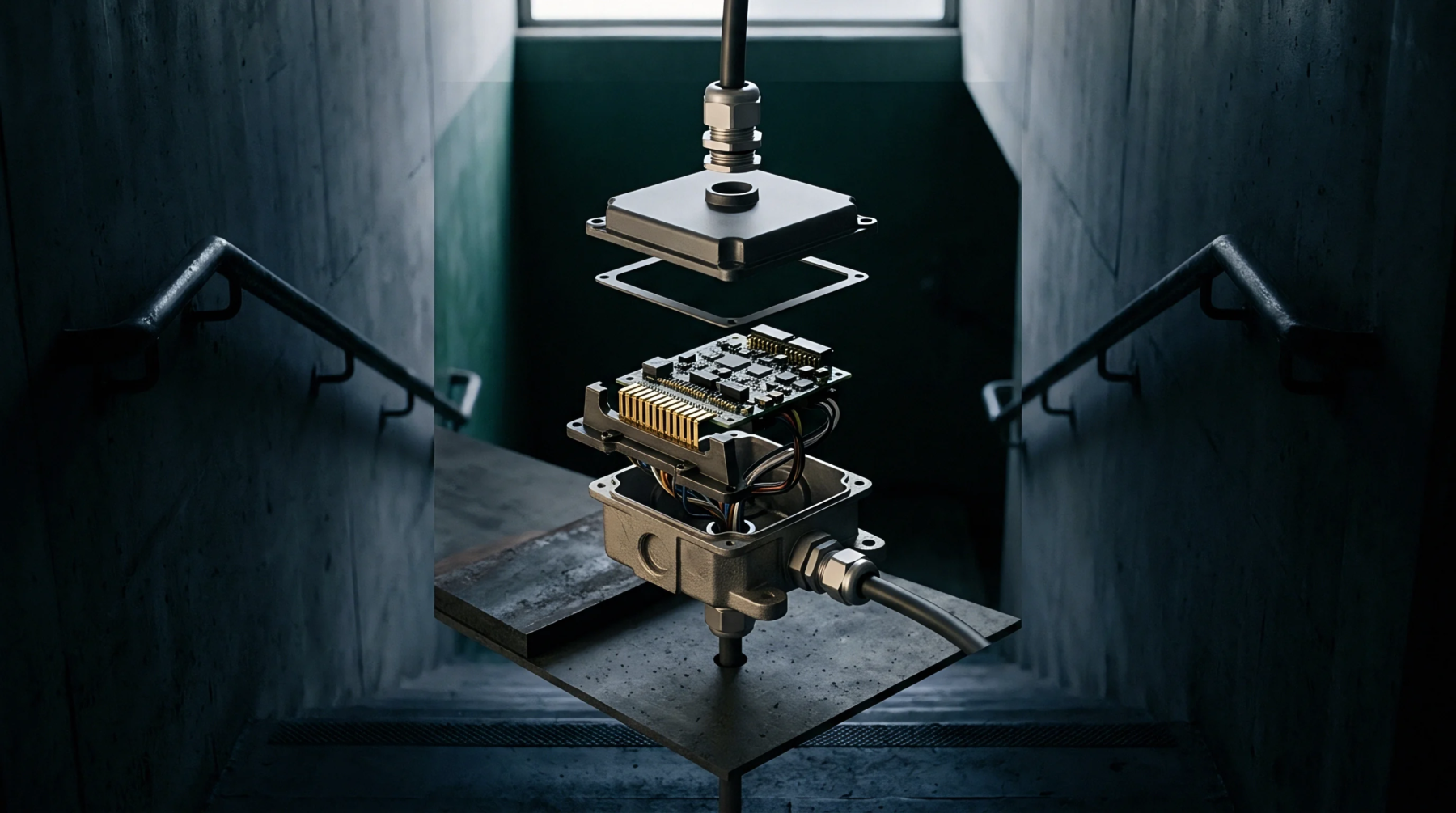
Sub-GHz range depends on matching transceiver front-ends to complex load impedances while satisfying regional power, duty-cycle, and harmonic rules.

Primary lithium voltage delay during synchronized mesh search cascades requires parallel hybrid storage or staged firmware preconditioning to prevent brownout.

Configure sub-GHz exponential backoff timers to sleep during extended contention slots, matching battery recovery curves to prevent brownouts.
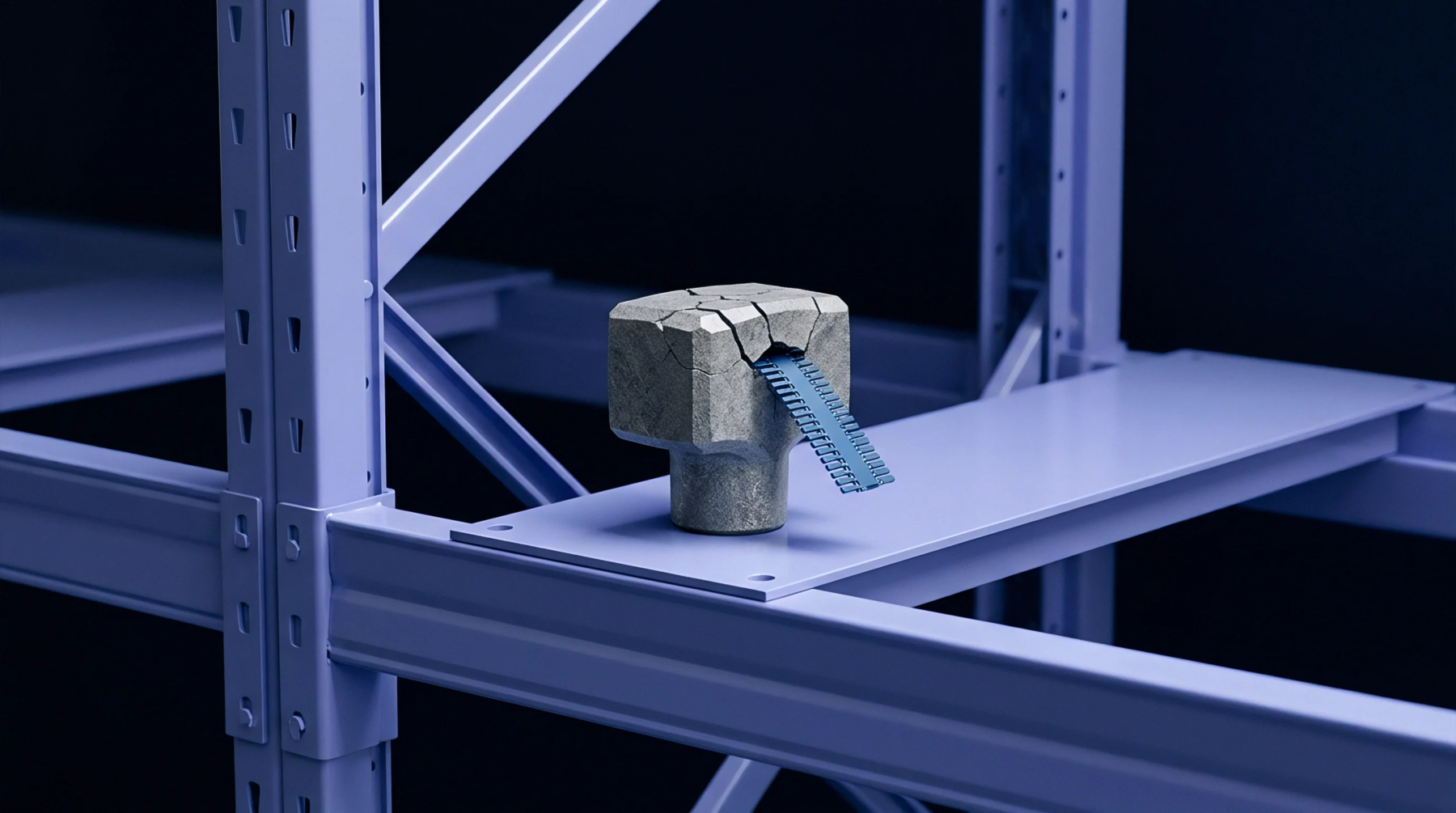
Throttle mesh rejoining sequences using restricted channel masks, exponential backoff with jitter, and cached keys to eliminate battery-draining continuous RX.
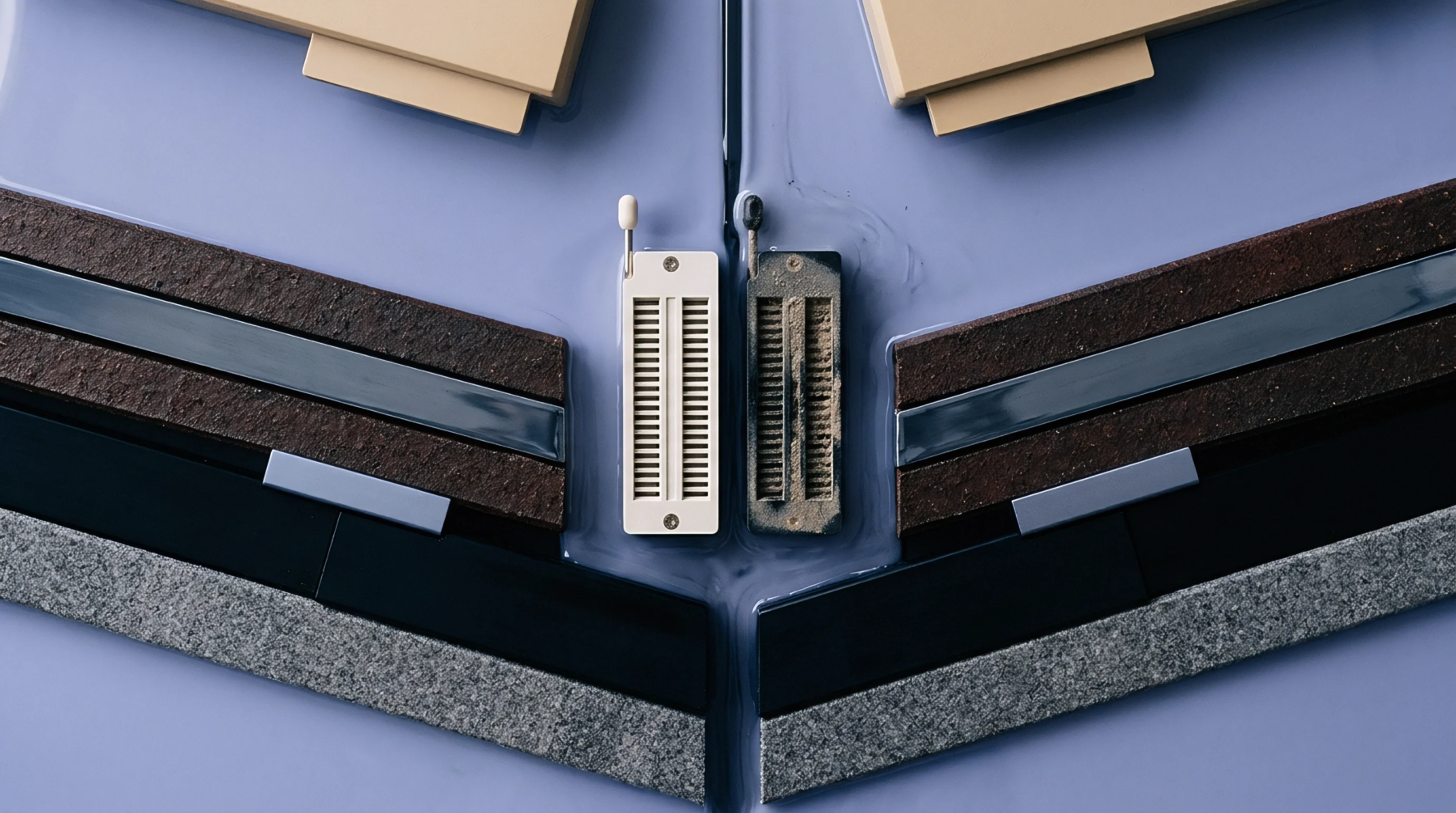
Sub-gigahertz duty cycles enforce throughput limits that increase latency, whereas 2.4 GHz bands accept higher co-channel interference for deterministic timing.

Sub-GHz links deliver up to 9 dB lower path loss and strong obstacle penetration, but 2.4 GHz transceivers reduce energy per bit and simplify global compliance.

Sub-gigahertz selection pairs high link budgets with regional duty limits to pierce reinforced slabs without sacrificing multi-year battery lifespans.
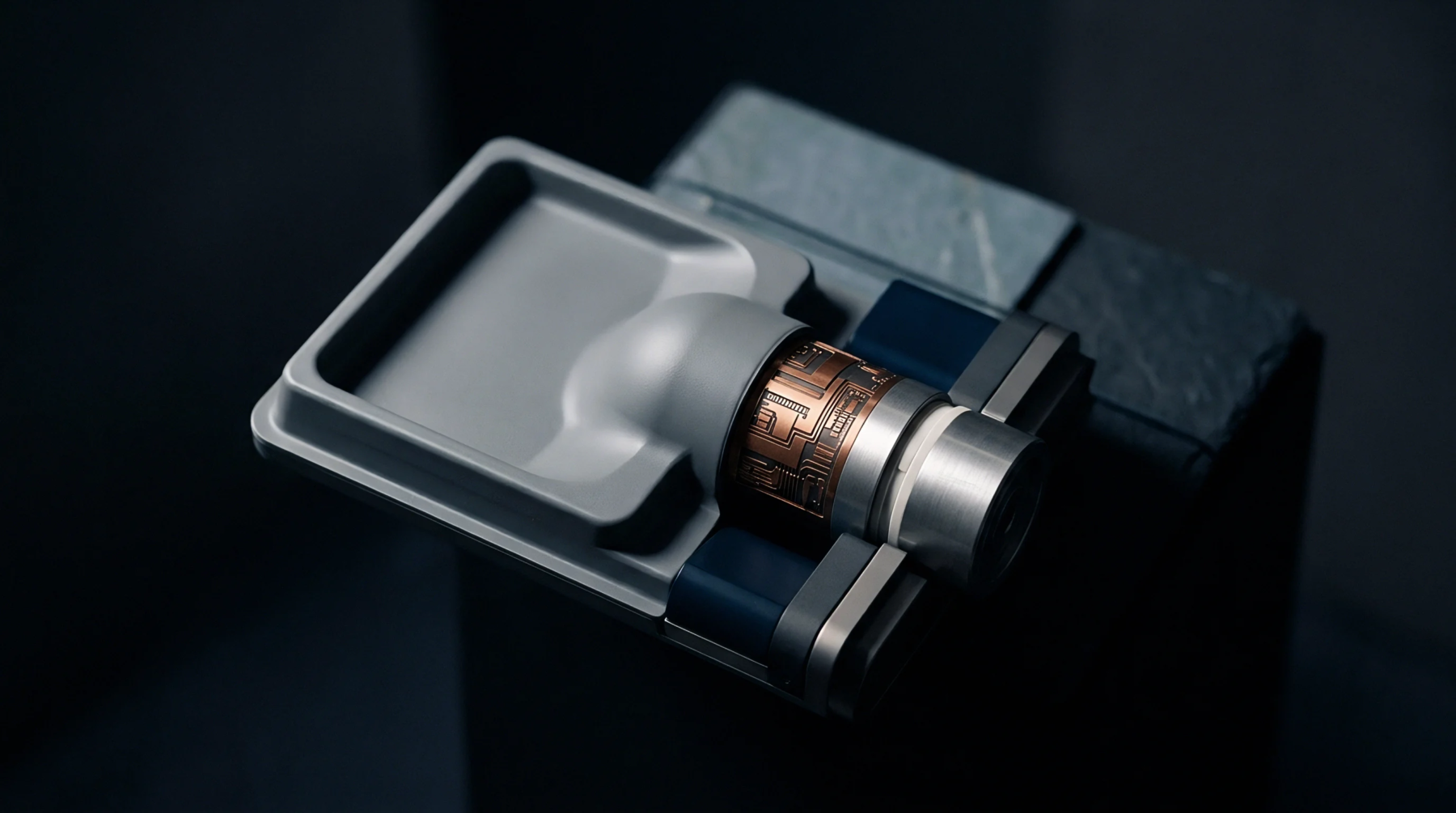
Sub-zero pulse survival requires sizing hybrid capacitors to buffer peak RF bursts while managing cell passivation and temperature-dependent ESR fade.
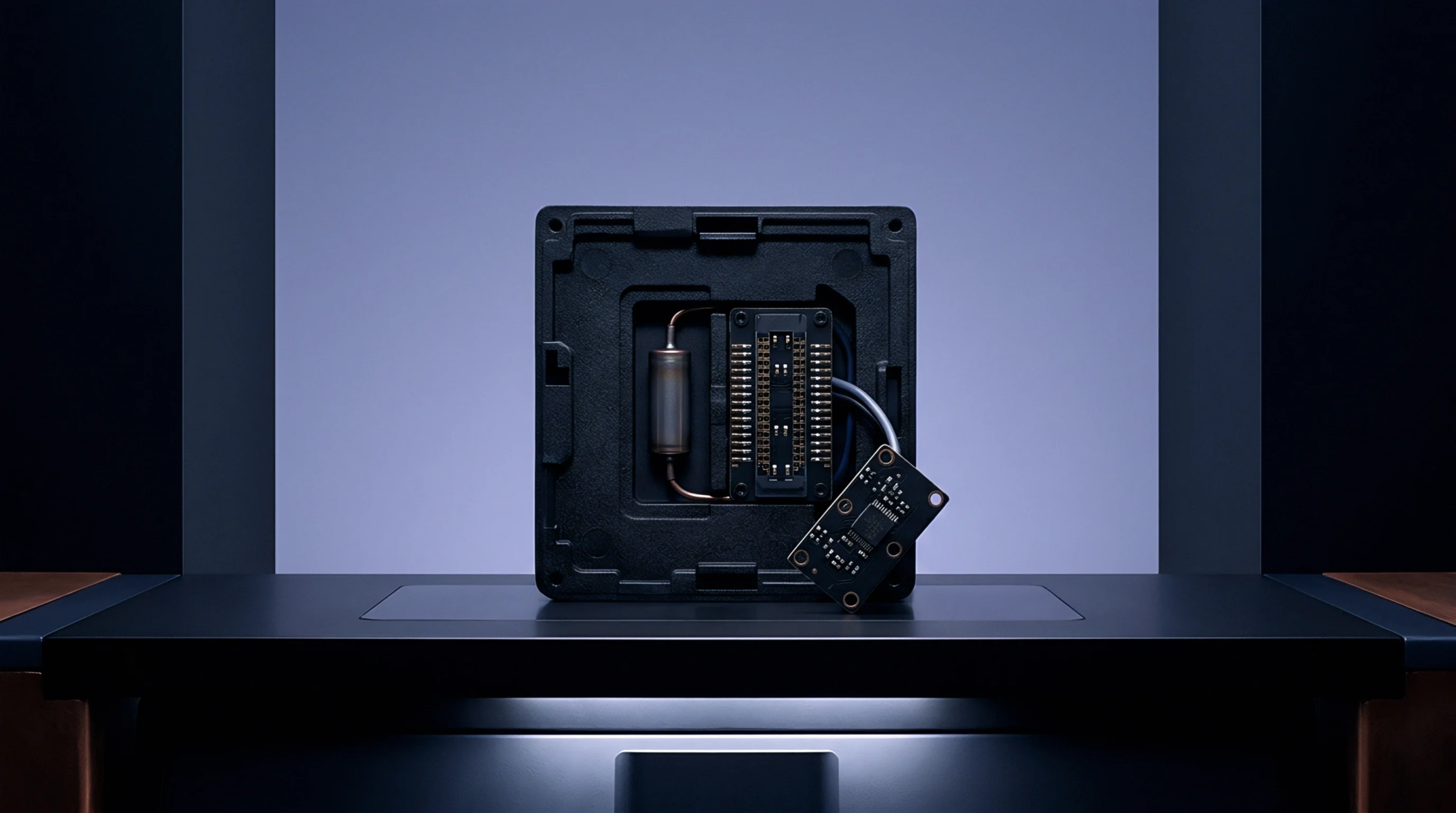
Thermal shock increases primary cell internal resistance, requiring output power derating to prevent immediate cutoff voltage collapse during radio pulses.

Quiescent current and chemical self-discharge dominate battery longevity in low-rate telemetry, demanding bench validation across temperature extremes.
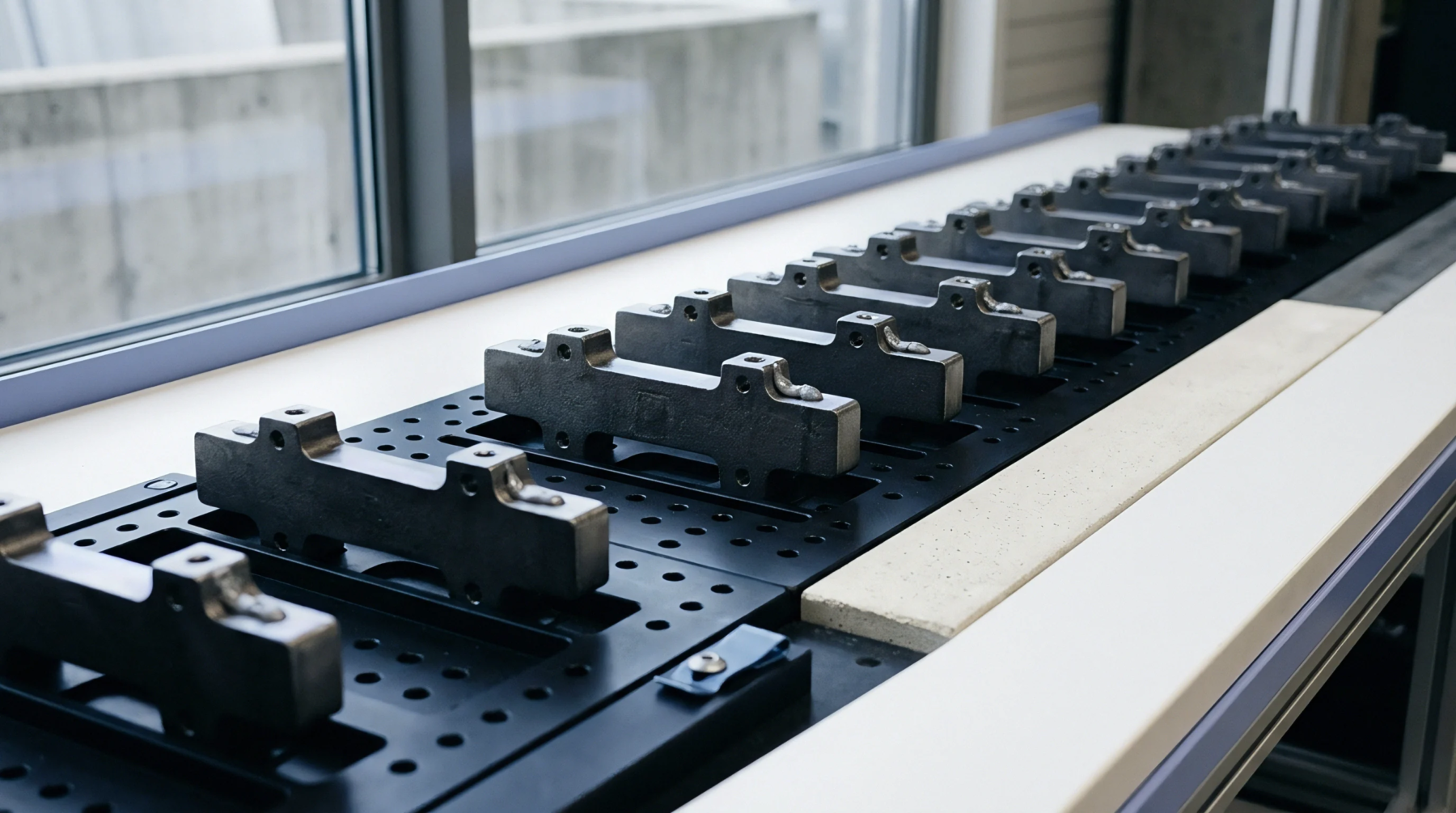
Heavy industrial metal environments require a multipath shadowing margin floor between 24 dB and 38 dB to guarantee 99 percent link availability.

Real receiver sensitivity requires balancing coding gain against airtime energy penalties, thermal drift, and production lot variance.
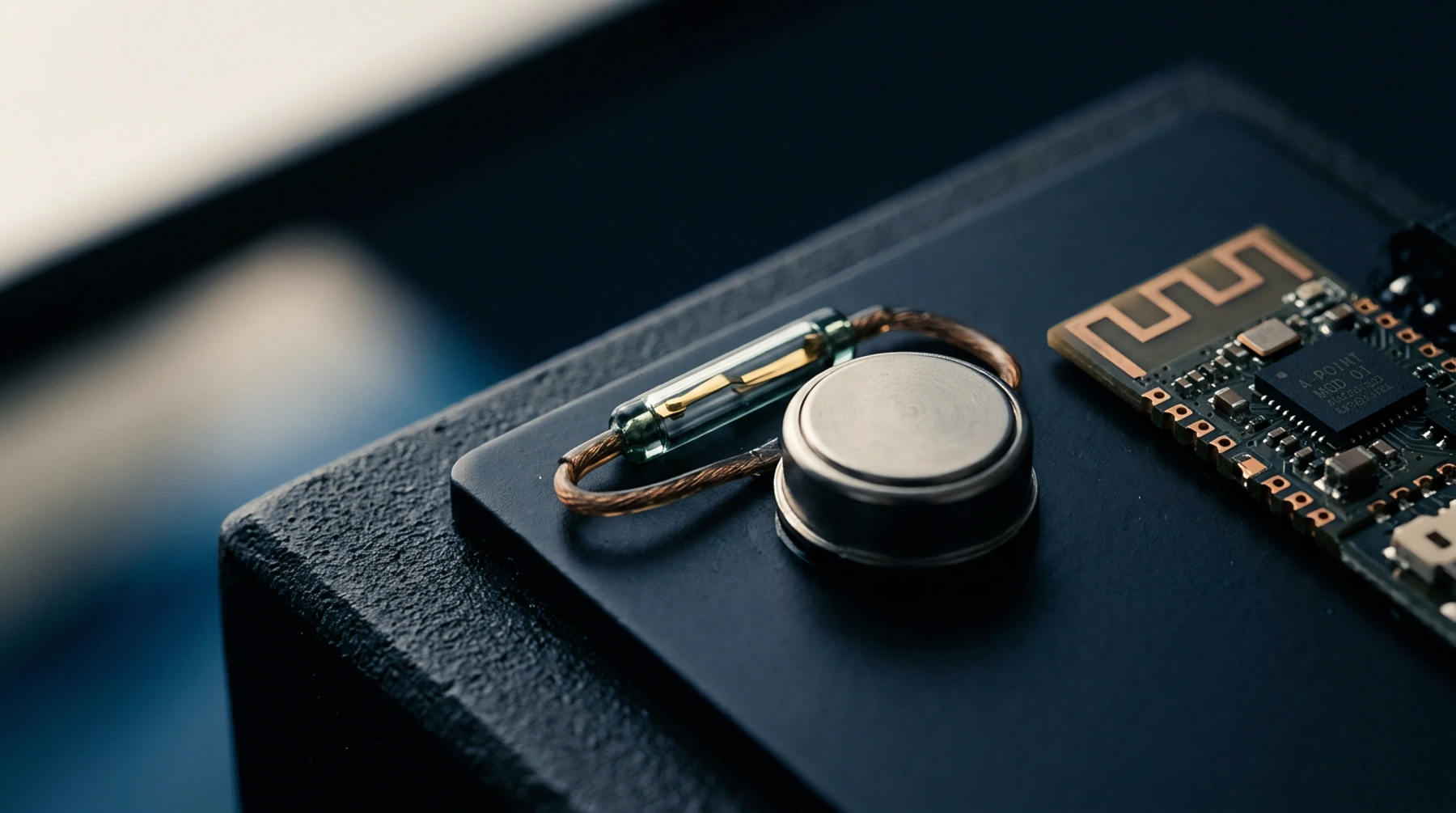
Real Bluetooth range requires calculating conducted power, antenna loss, indoor obstruction models, and fade margins beyond basic datasheet sensitivity.
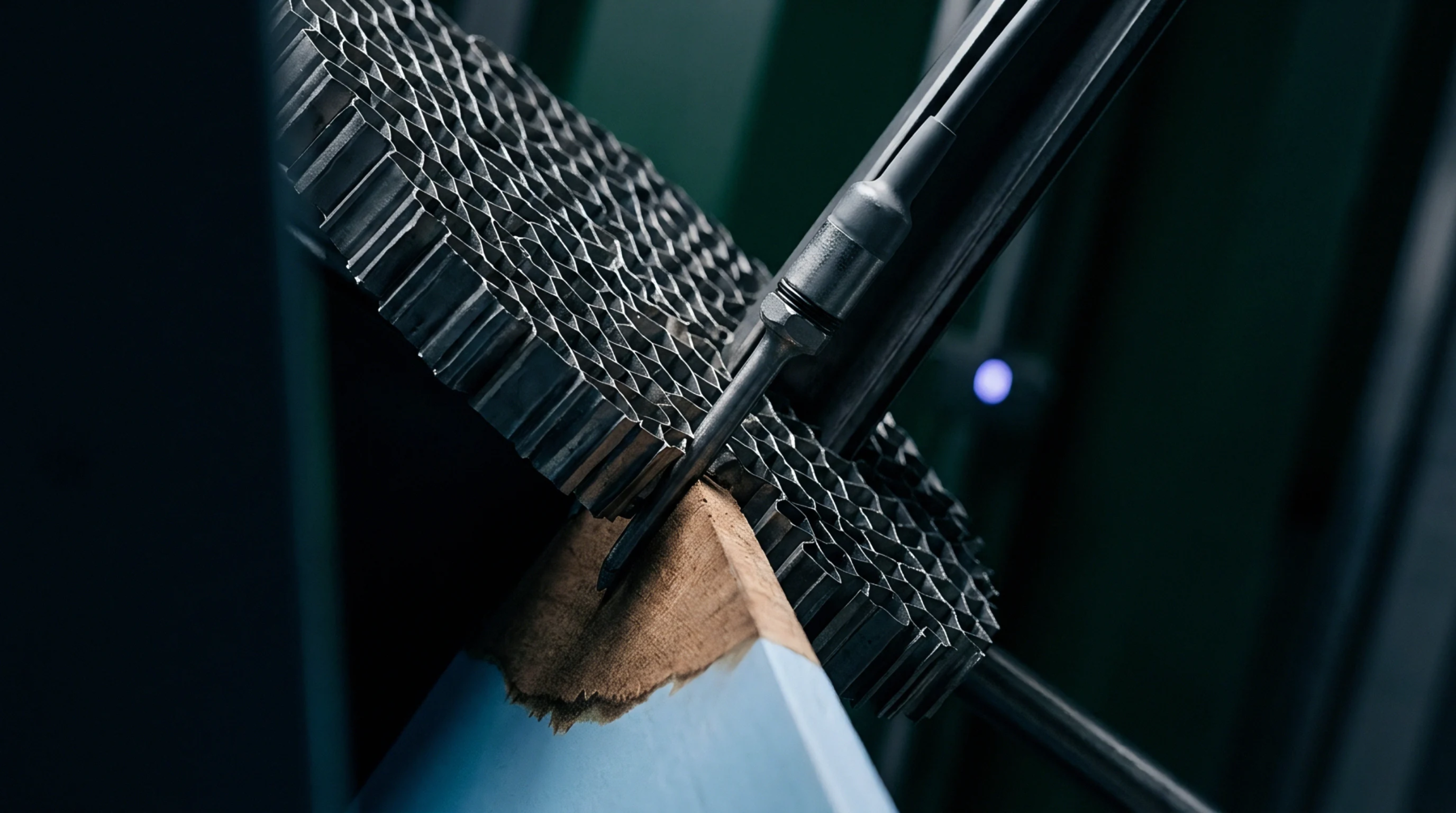
Mitigate multi-radio coexistence interference by combining 35 dB front-end isolation, steep ceramic harmonic filtering, and deterministic line arbitration.

Select BAW filters for steep restricted band edges and LTCC for harmonics, balancing passband insertion loss against power back-off to maintain range.
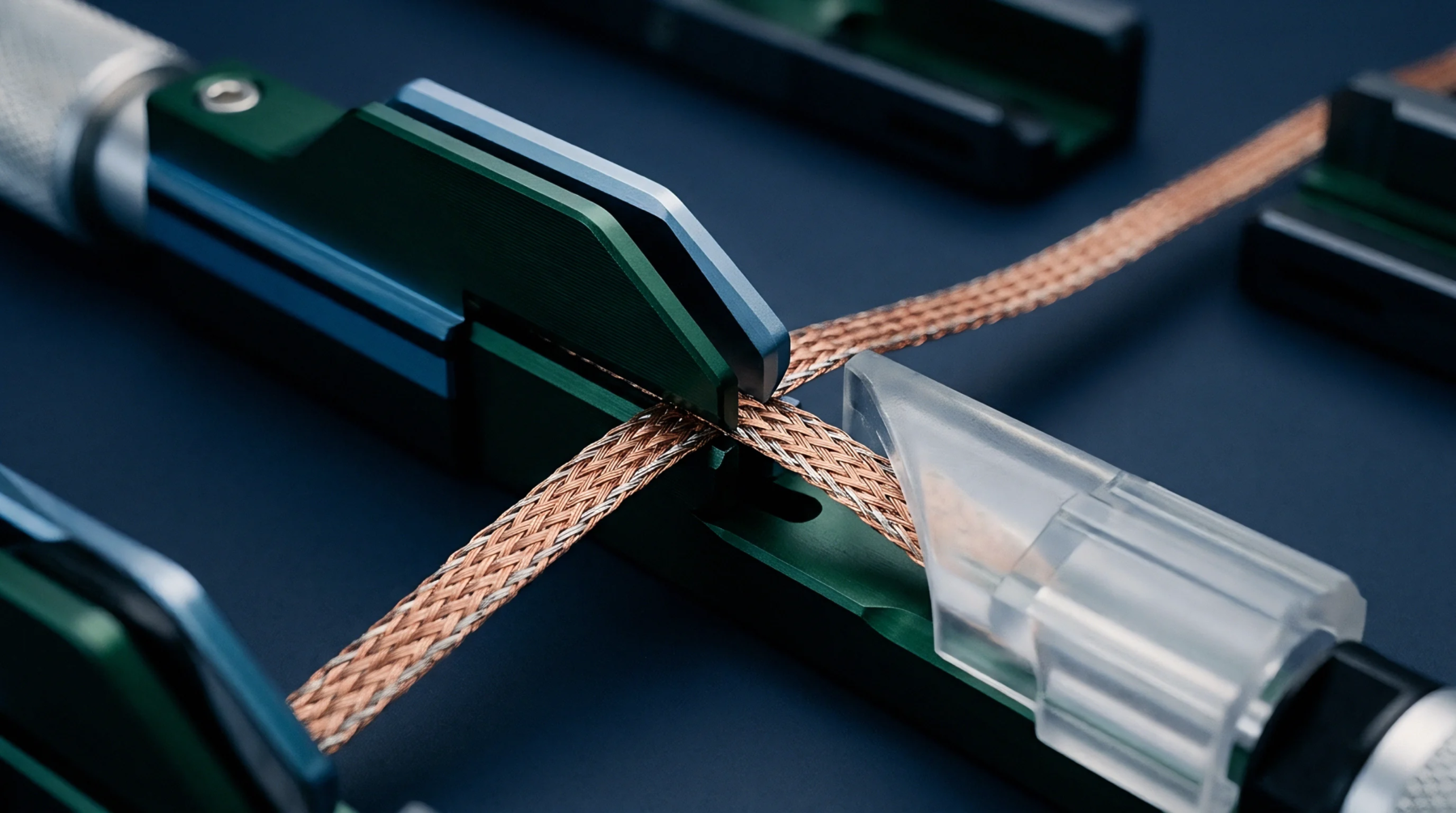
Switched lumped-element matching circuits reconcile regional sub-gigahertz allocations while maintaining link margins within two decibels across target bands.
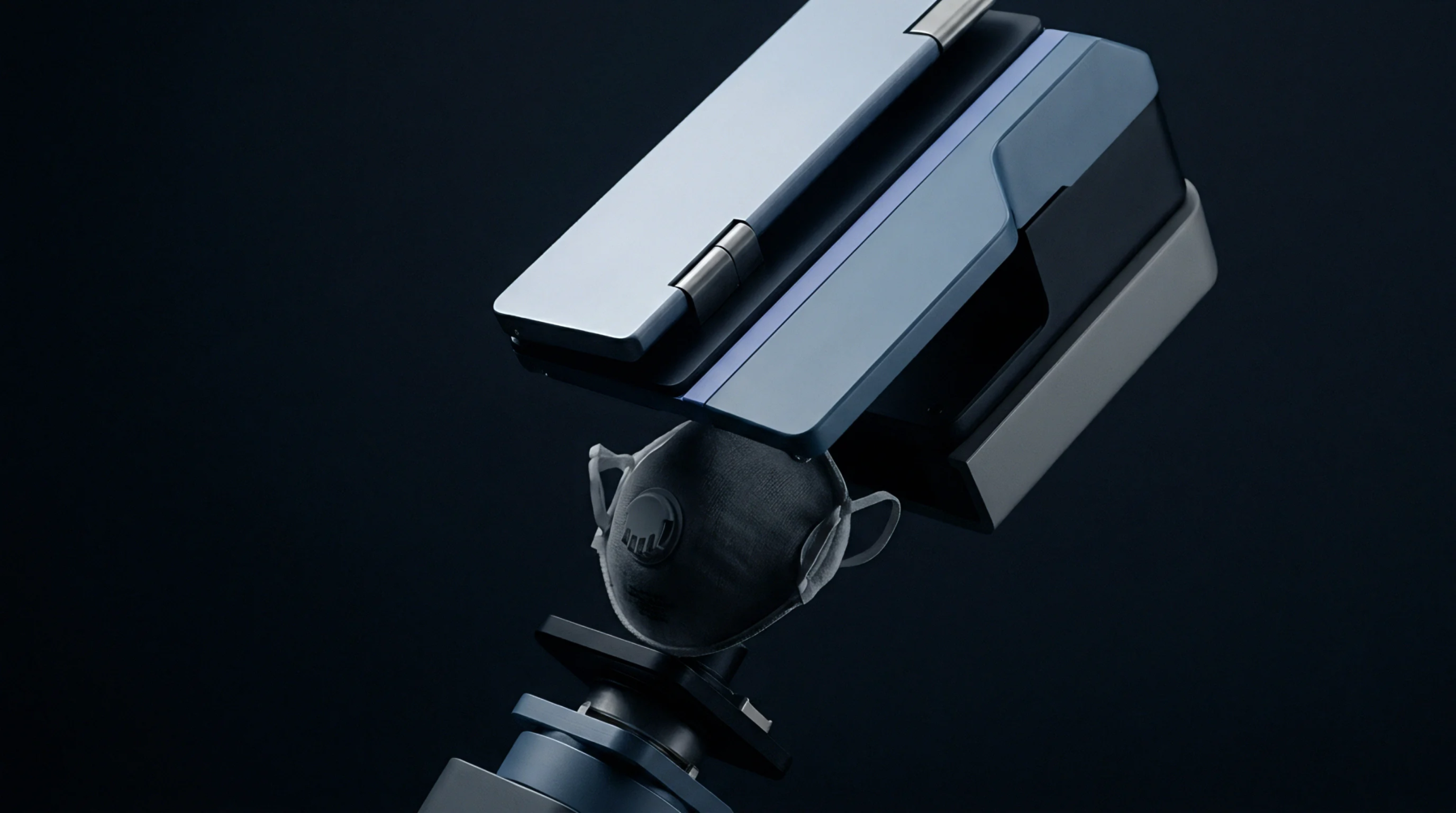
Dynamic Doppler dephasing collapses multi-user beamforming nulls; sustaining capacity requires rapid channel sounding or midamble tracking within coherence limits.
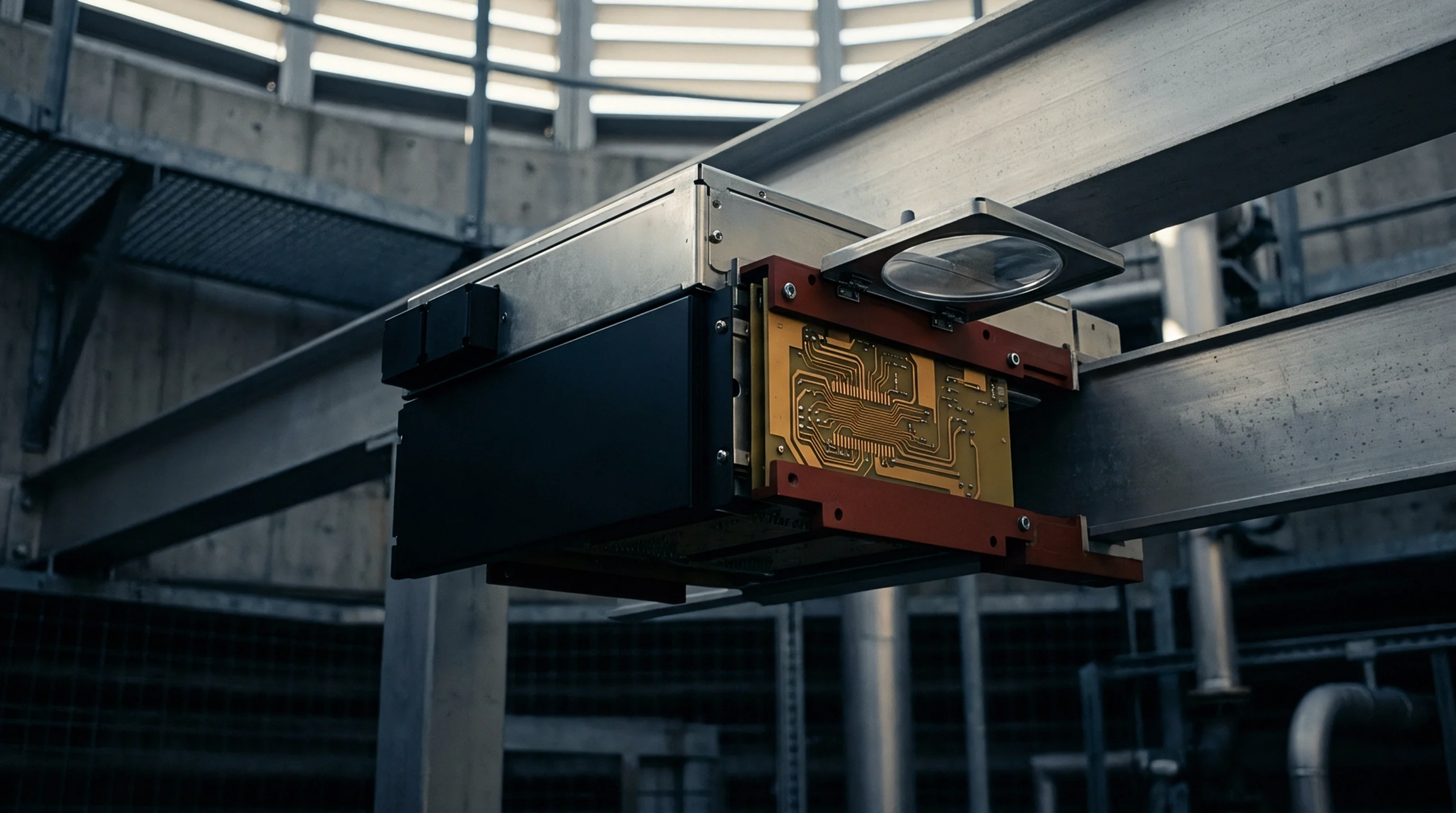
Dynamic CSI feedback interval scaling reduces sounding airtime overhead by up to 22 percent while maintaining optimal multi-user beamforming spatial gains.
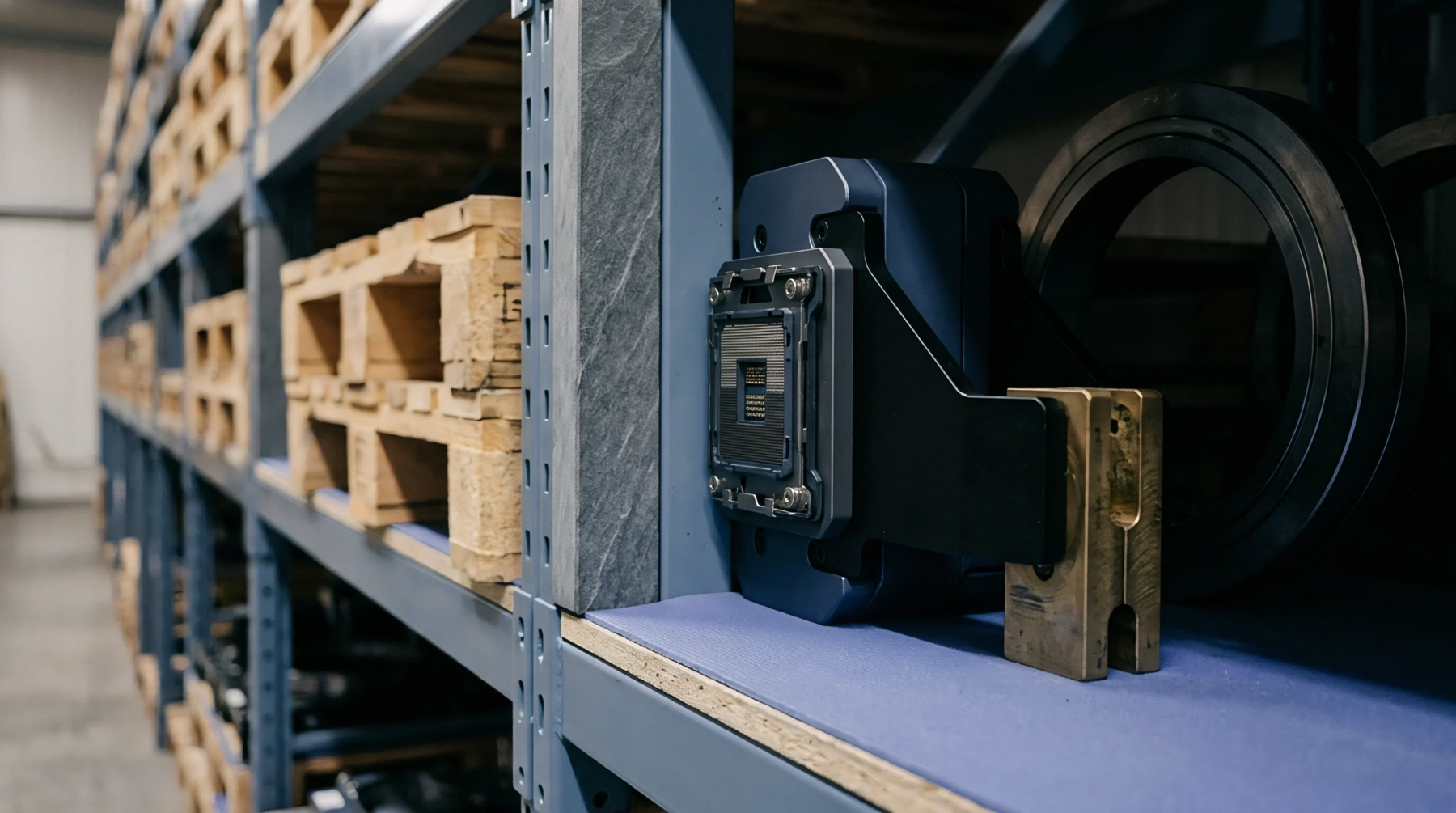
Sounding overhead consumes up to 35 percent of channel airtime, requiring strict bench measurement of quantization sizes and coherence decay limits.
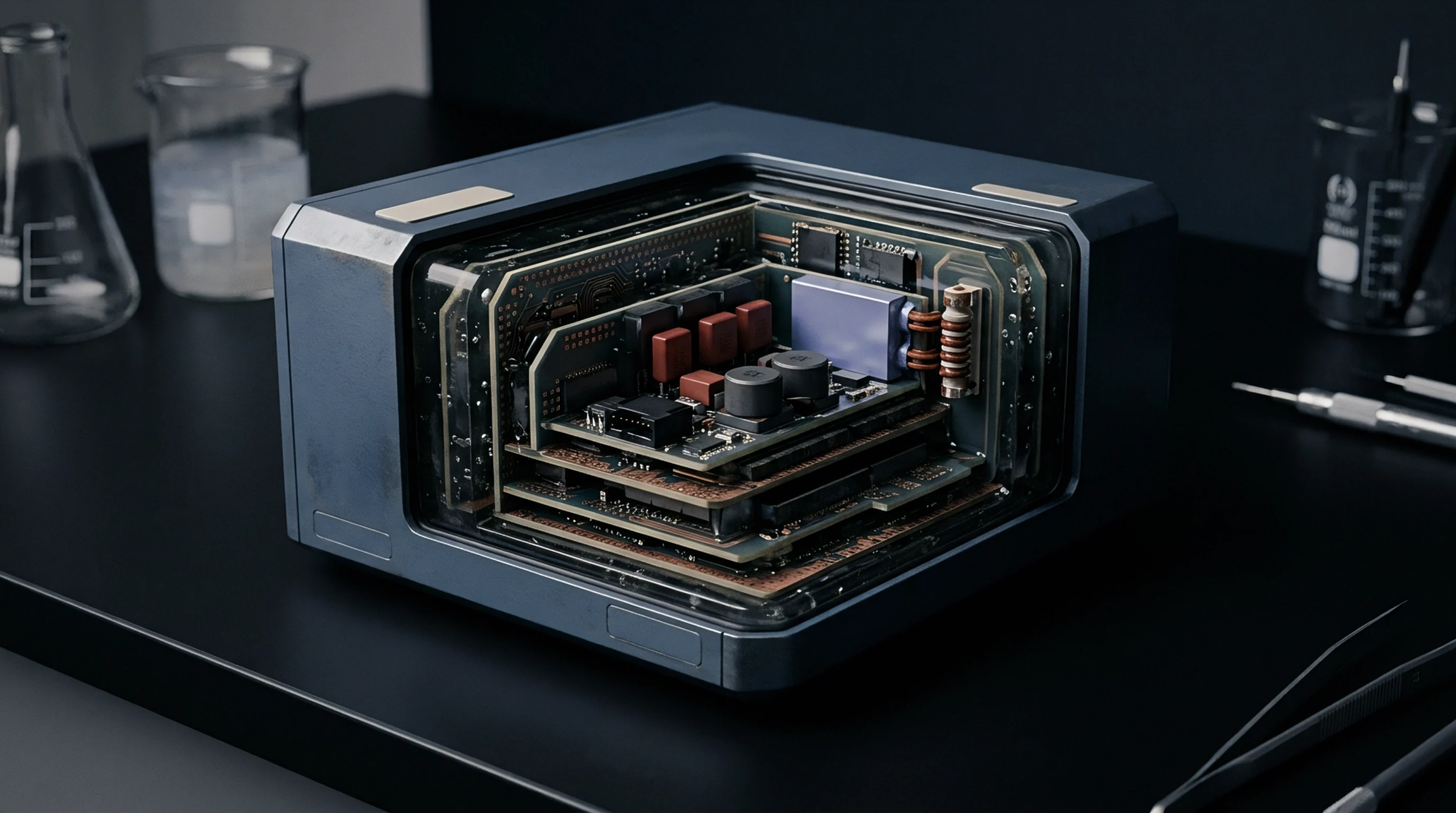
Resolve SGP.32 roaming latency by enforcing client-side RSRP download gating, deploying DTLS session resumption, and truncating profile ASN.1 payload size.
Dynamic band masking, motion-qualified retries, and Release Assistance Indication cut cross-border tracker re-selection current draw by over eighty percent.
Cross-border cellular tracker protocol selection requires balancing sub-GHz link budget penetration against multi-region operator roaming agreements and deep-sleep energy limits.
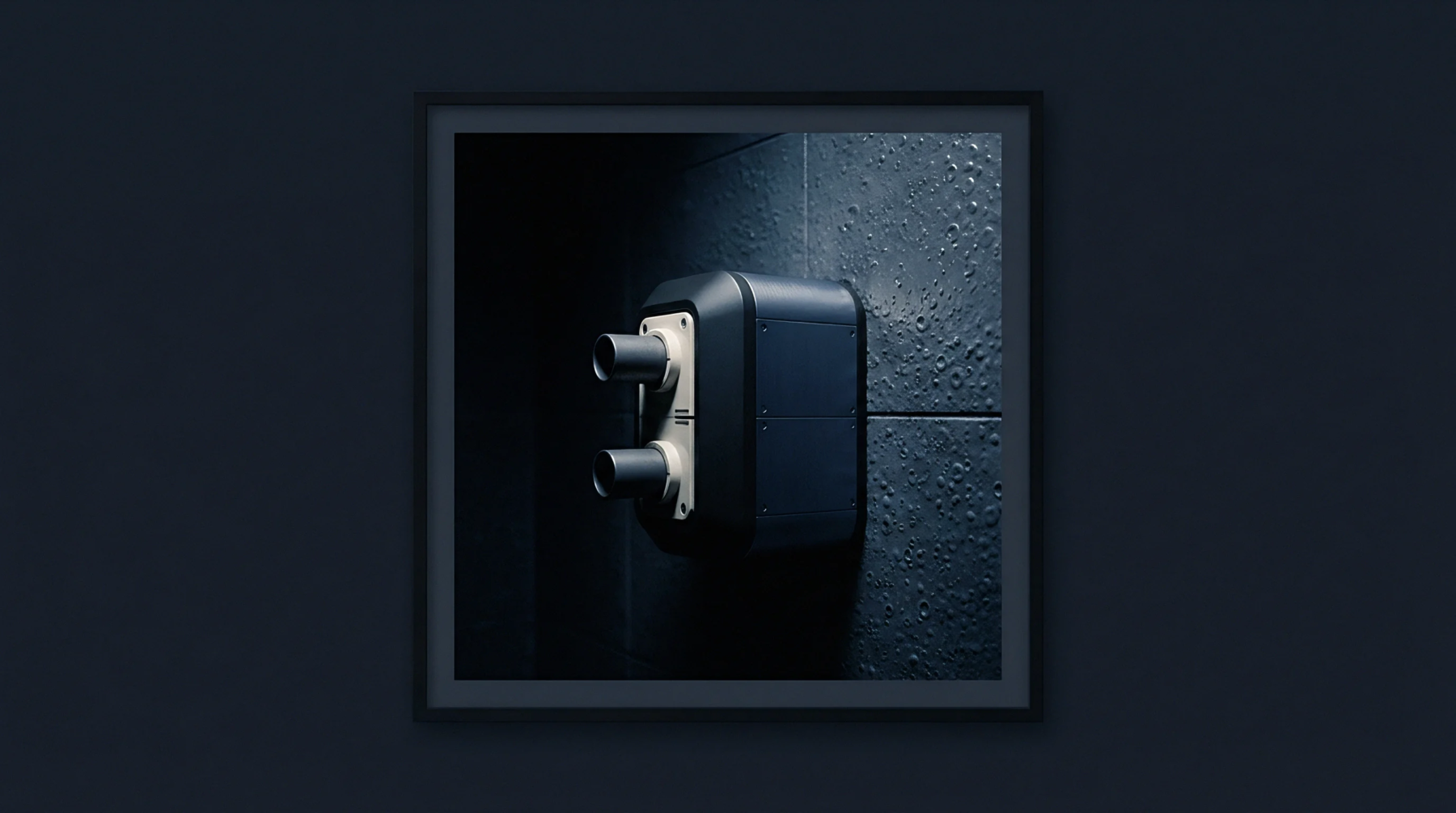
Near-field potting loading shifts antenna resonance up to 40 MHz, demanding fully meshed 3D co-simulation to prevent catastrophic link budget collapse.
Expertise is a utility, not a secret. sentiention™ publishes its working knowledge as open reference: intelligence layer covering the materials it sources, the markets it enters, and the reference that serves both.