
Quantifying Cellular Registration Energy Taxes in Cross Border Asset Tracking
Cross-border cellular registration drains tracking batteries through blind frequency scanning, network steering rejections, and coverage extension airtime.
Cross-border cellular registration drains tracking batteries through blind frequency scanning, network steering rejections, and coverage extension airtime.

Sub-GHz antenna detuning increases transmit current over eighty percent, triggering severe battery voltage droop that demands hybrid capacitor buffering.

Subterranean RF attenuation forces high-power repetition modes that choke LiSOCl2 cathode pores with LiCl precipitate, demanding hybrid capacitor buffers.

Continuous multi-second cellular repetition bursts pull battery voltage below brownout limits unless buffered by low-ESR capacitors.
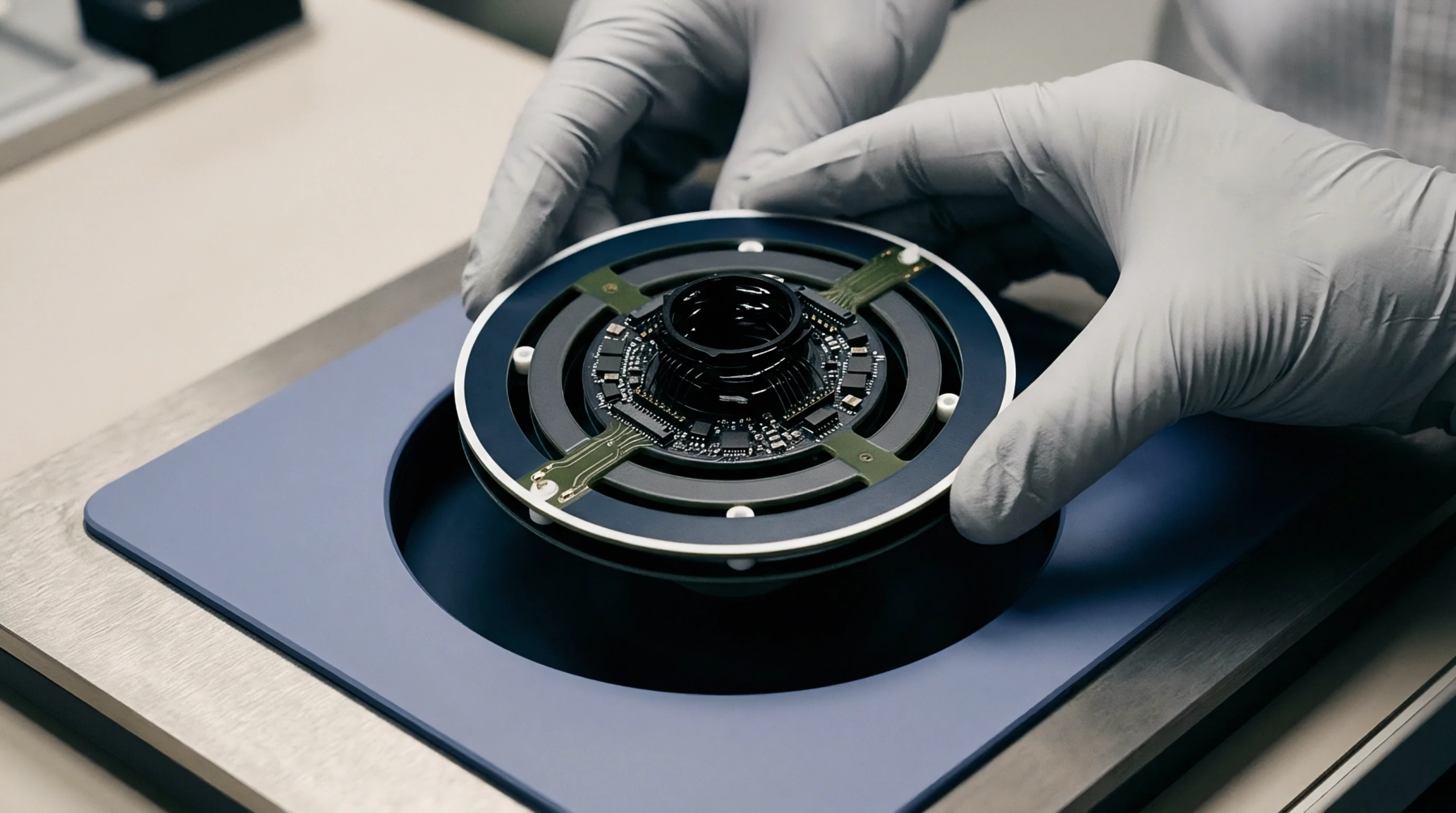
Inter-carrier steering forces prolonged radio frequency scanning and timer renegotiations that accelerate battery passivation collapse and premature field failure.

Seven year LTE-M deployment costs depend primarily on battery self-discharge rates, base station reselection energy, and technician field dispatch expenses.

Initial active listening and channel scanning overhead in battery-powered Zigbee end devices can rapidly drain battery reserves prior to network association.
Expertise is a utility, not a secret. sentiention™ publishes its working knowledge as open reference: intelligence layer covering the materials it sources, the markets it enters, and the reference that serves both.