
Evaluating Multi IMSI Applet Power Penalties in Roaming Telemetry Hardware
Multi-IMSI applet polling introduces background current floors that halve telemetry battery life without optimized baseband power-saving mode configurations.
Multi-IMSI applet polling introduces background current floors that halve telemetry battery life without optimized baseband power-saving mode configurations.

Cross-border cellular registration drains tracking batteries through blind frequency scanning, network steering rejections, and coverage extension airtime.

Phase tracked guard windows shrink receiver active listen time to tens of microseconds, cutting wakeup energy by eighty percent.

Selecting secure hardware for off-grid tags requires balancing cryptographic active bursts against primary cell passivation and radiated spurious emission limits.
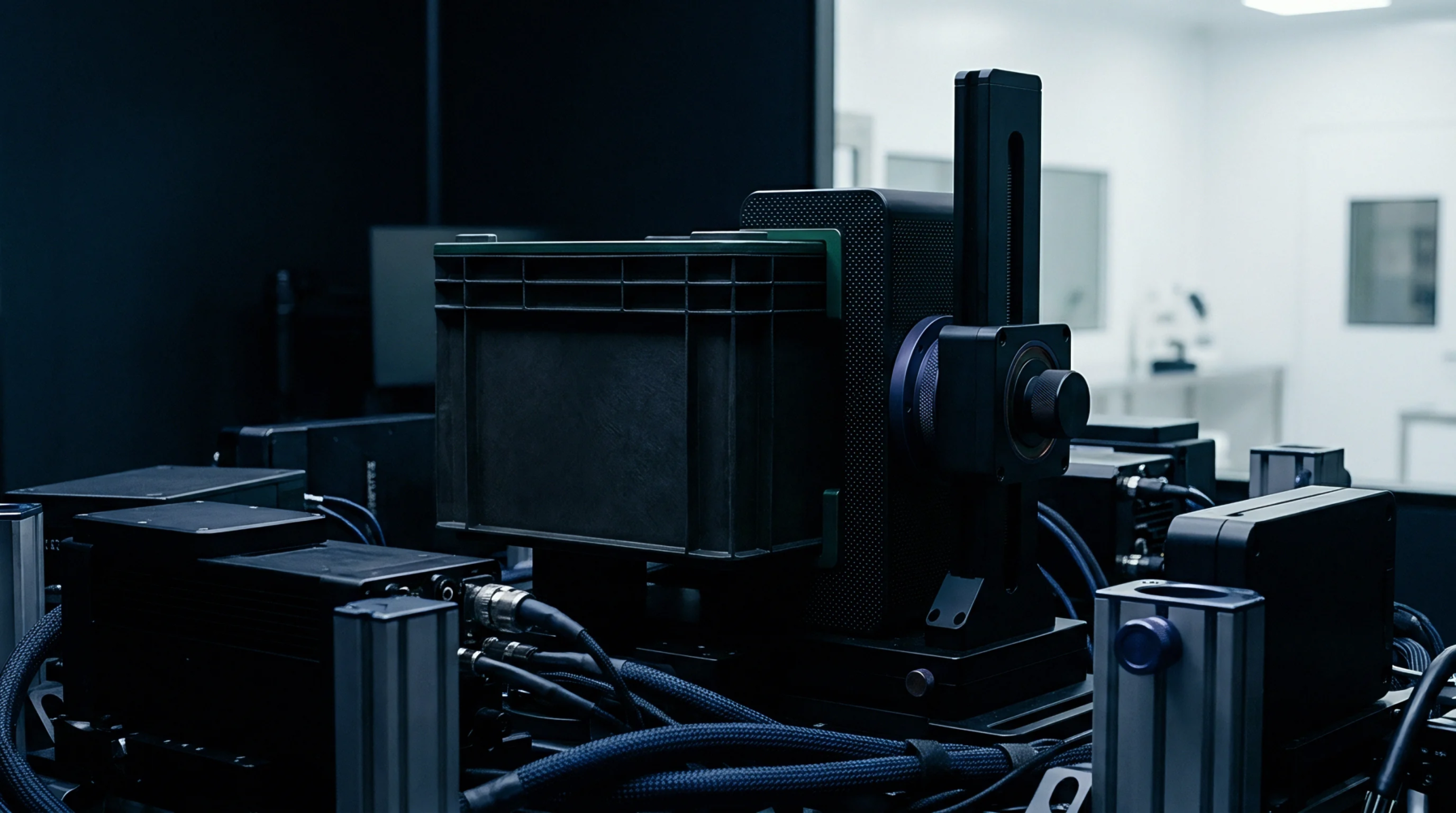
Edge-triggered dual-radio buffer architecture staging fast edge interrupts into local non-volatile RAM prevents data loss during link state handoffs.

Sub-GHz antenna detuning increases transmit current over eighty percent, triggering severe battery voltage droop that demands hybrid capacitor buffering.

Primary cell pulse recovery depends on solute diffusion rates inside cathode pores, requiring managed rest intervals or hybrid capacitors to prevent premature cutoff.

Subterranean RF attenuation forces high-power repetition modes that choke LiSOCl2 cathode pores with LiCl precipitate, demanding hybrid capacitor buffers.

Continuous multi-second cellular repetition bursts pull battery voltage below brownout limits unless buffered by low-ESR capacitors.
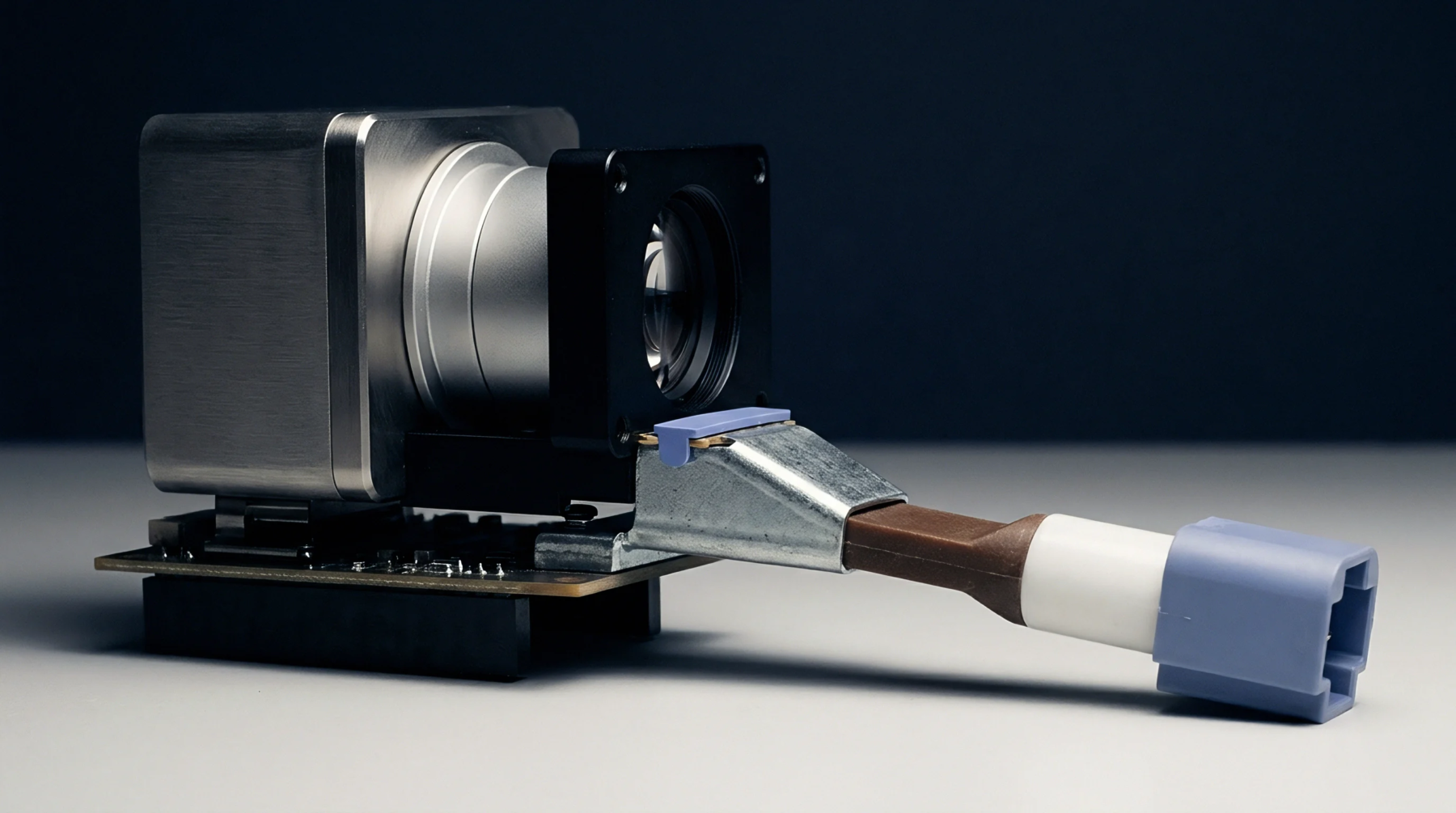
Mathematical modeling of sensor fleets integrates Poisson queuing, lognormal link margin decay, and battery discharge dynamics to prevent fleet brownouts.
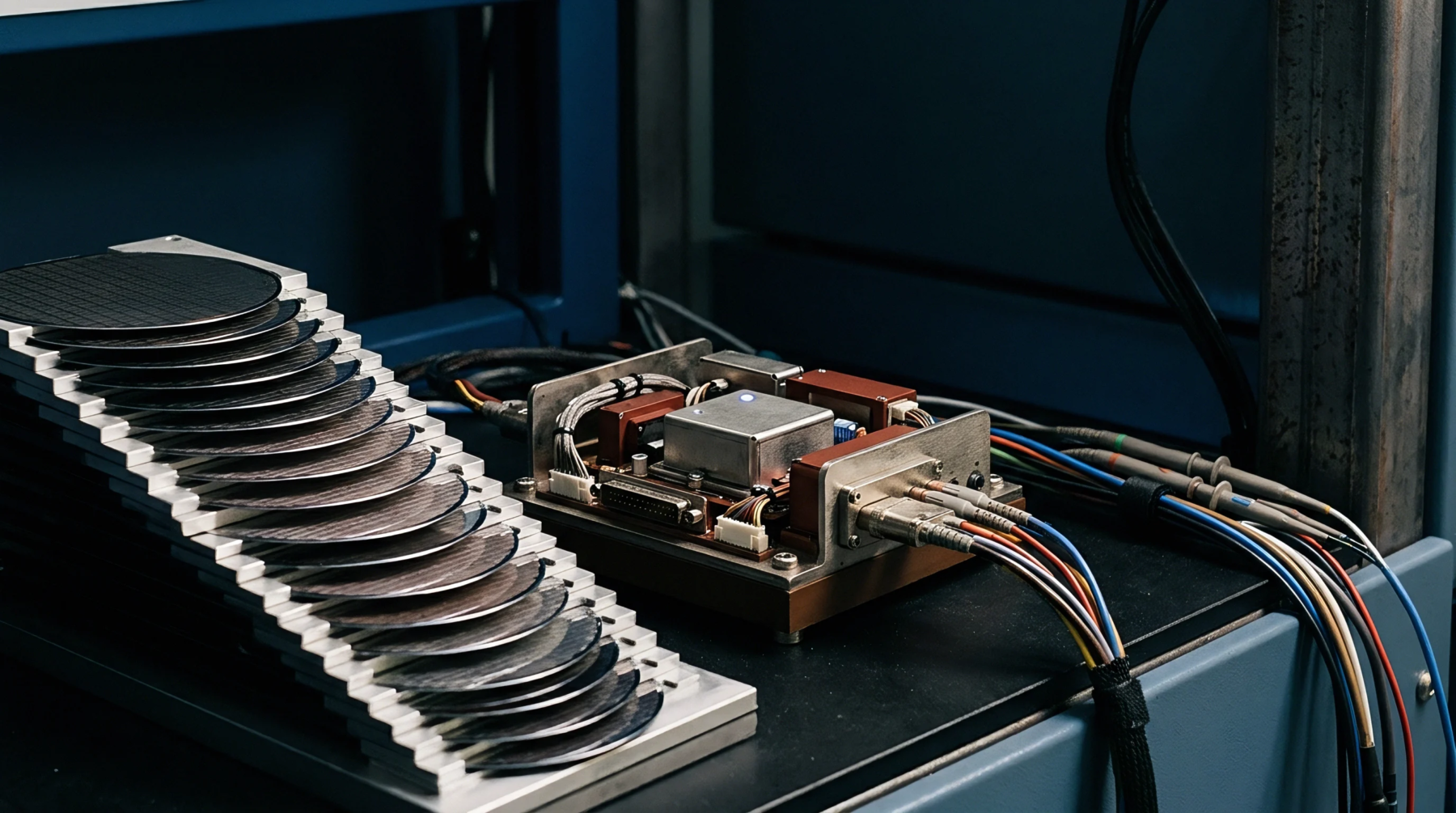
Dynamic impedance matching stabilizes RF power amplifier load lines during battery voltage droop to prevent signal distortion and premature device shutdown.

Passivation voltage collapse in coverage extension mode is prevented by pairing primary cells with hybrid layer capacitors sized for peak frame repetitions.
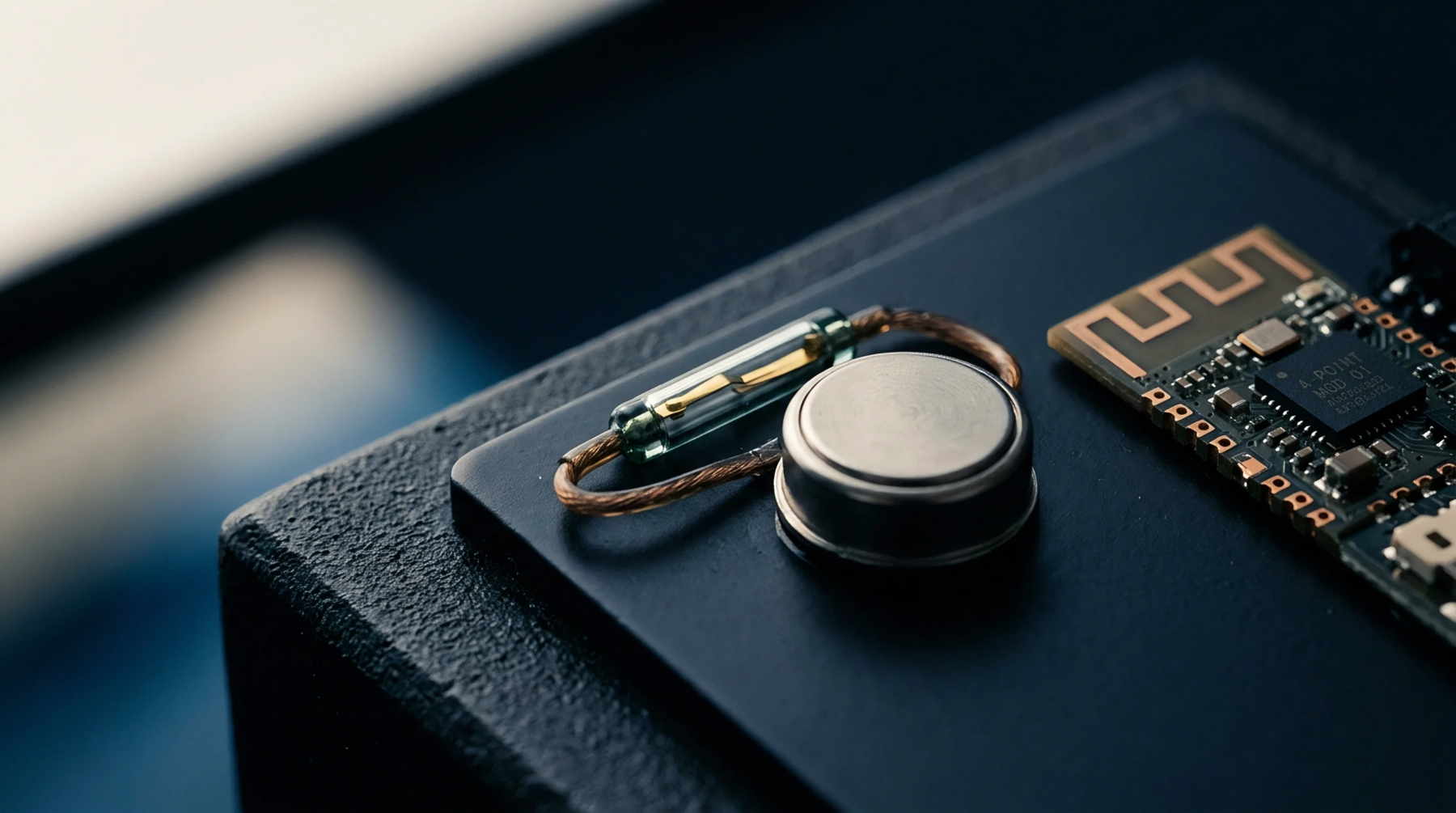
Dynamic carrier steering roaming scans pull continuous multi-hundred milliamp current bursts that prematurely exhaust battery reserves without backoff tuning.
Cross-border cell search draws peak currents up to 2.1 A during band scans, requiring conservative timer limits and profile rules to avoid battery brownout.
Cellular IoT power management matches PSM and eDRX timers to application frequency while decoupling peak pulse currents from battery internal resistance.
Dynamic rejoining loops drain primary lithium cells via passivation failure and brownout cycles; firmware must enforce passive orphan sleep and backoff limits.
Five-year battery claims require balancing microampere sleep floors, primary cell passivation derating, and protocol airtimes across 43,800 hours.

Select LTE Cat-M1 for balanced mobility and power, or Cat 1bis for universal global roaming at the cost of higher battery capacity.

Sub-GHz LoRaWAN spreading factors consume less baseline battery energy than NB-IoT coverage enhancement repetitions in deep indoor deployments.

LoRaWAN Class A achieves 10-year life on single AA cells for hourly reporting; NB-IoT requires larger batteries or lower transmit frequencies due to network tail states.
Subterranean cellular attachment triggers extreme 3GPP repetition modes that expand signaling duration from milliseconds to seconds, causing massive battery drain.

NB-IoT offers superior signal penetration and lower single-mode hardware costs, but LTE-M delivers seamless global cross-border roaming and continuous mobility.
Expertise is a utility, not a secret. sentiention™ publishes its working knowledge as open reference: intelligence layer covering the materials it sources, the markets it enters, and the reference that serves both.