
Primary Cell Selection for Long Range Cellular Internet of Things Transmitters
Matching primary cell pulse discharge capabilities with hybrid capacitor buffers prevents cellular IoT modem brownout and maximizes field operating life.
Matching primary cell pulse discharge capabilities with hybrid capacitor buffers prevents cellular IoT modem brownout and maximizes field operating life.

Dynamic load line compensation prevents RF power amplifier saturation, spectral regrowth, and system resets during severe battery voltage collapse.

High pulse current radio bursts trigger severe cell voltage droop; buffering with low-ESR capacitors prevents baseband brownout resets across temperatures.

Primary cell passivation causes sudden voltage delay under radio pulses, requiring dynamic electrical modeling and buffer capacitors to prevent resets.
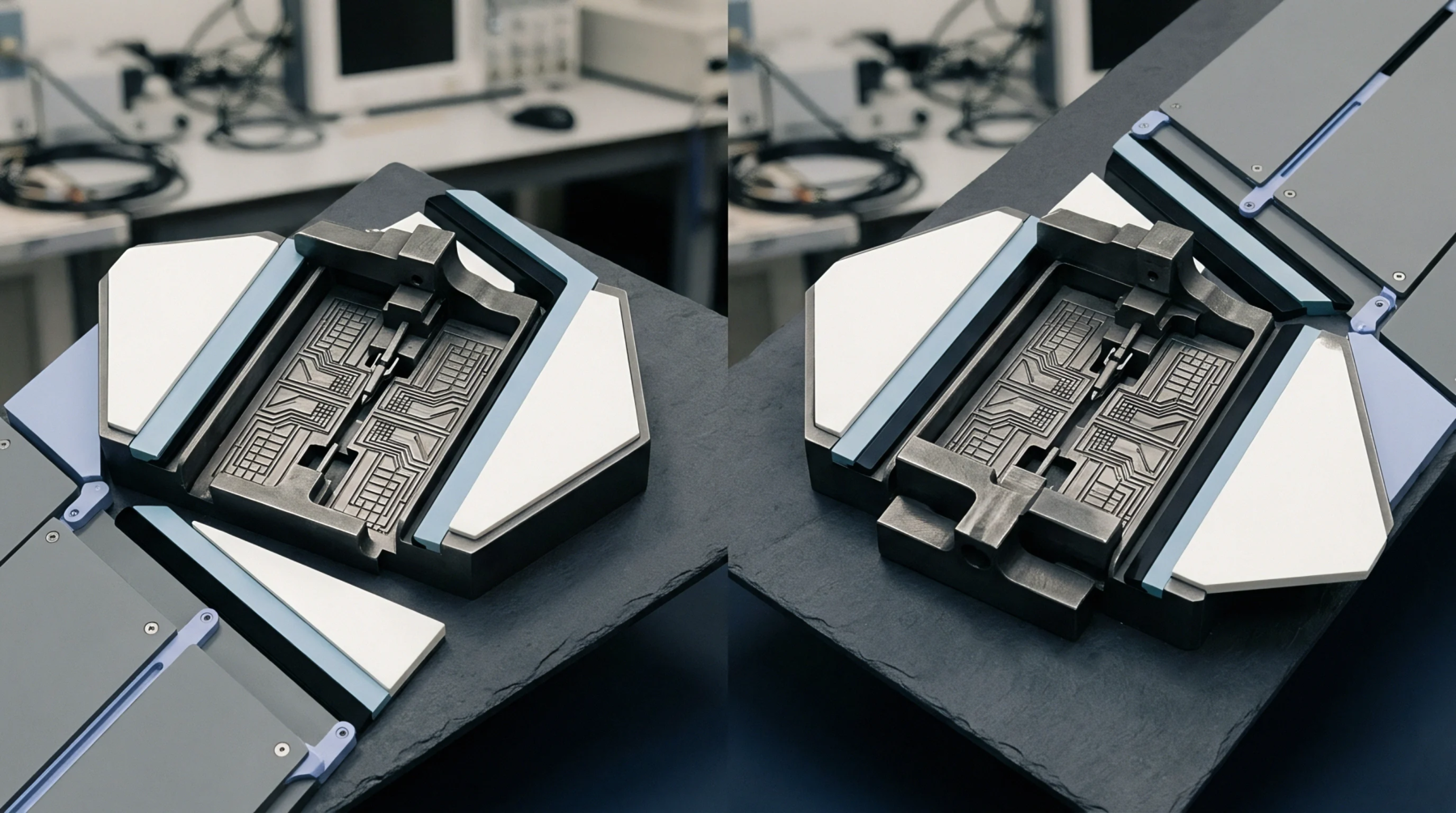
Adaptive temperature polling in sub-GHz radios is constrained by regulatory airtime ceilings, crystal frequency drift, and battery voltage droop under thermal transients.

Sub-zero cellular transmissions demand hybrid capacitor buffering to supply peak currents before primary battery passivation film breakdown occurs.

Extended Coverage repetitions convert transient RF pulses into multi-second draws, requiring hybrid capacitors sized for continuous coulombs, not just peak current.
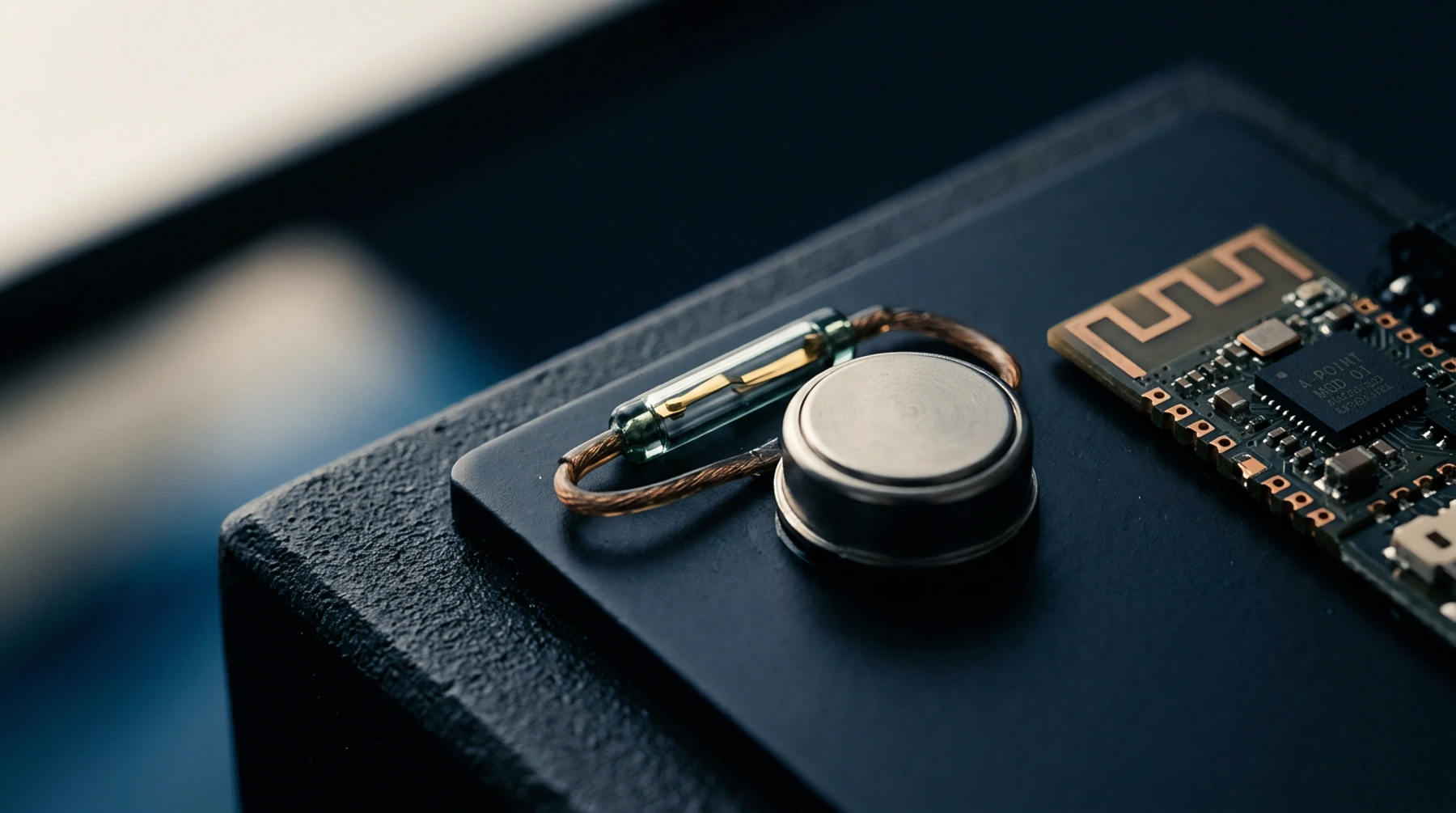
Pairing low-self-discharge LiSOCl2 bobbin cells with low-ESR hybrid layer capacitors prevents baseband brownout during subzero cellular transmission pulses.

Subterranean soil moisture spikes multiply cellular transmit energy by up to sixty-four times, requiring strict coverage enhancement limits to preserve battery life.
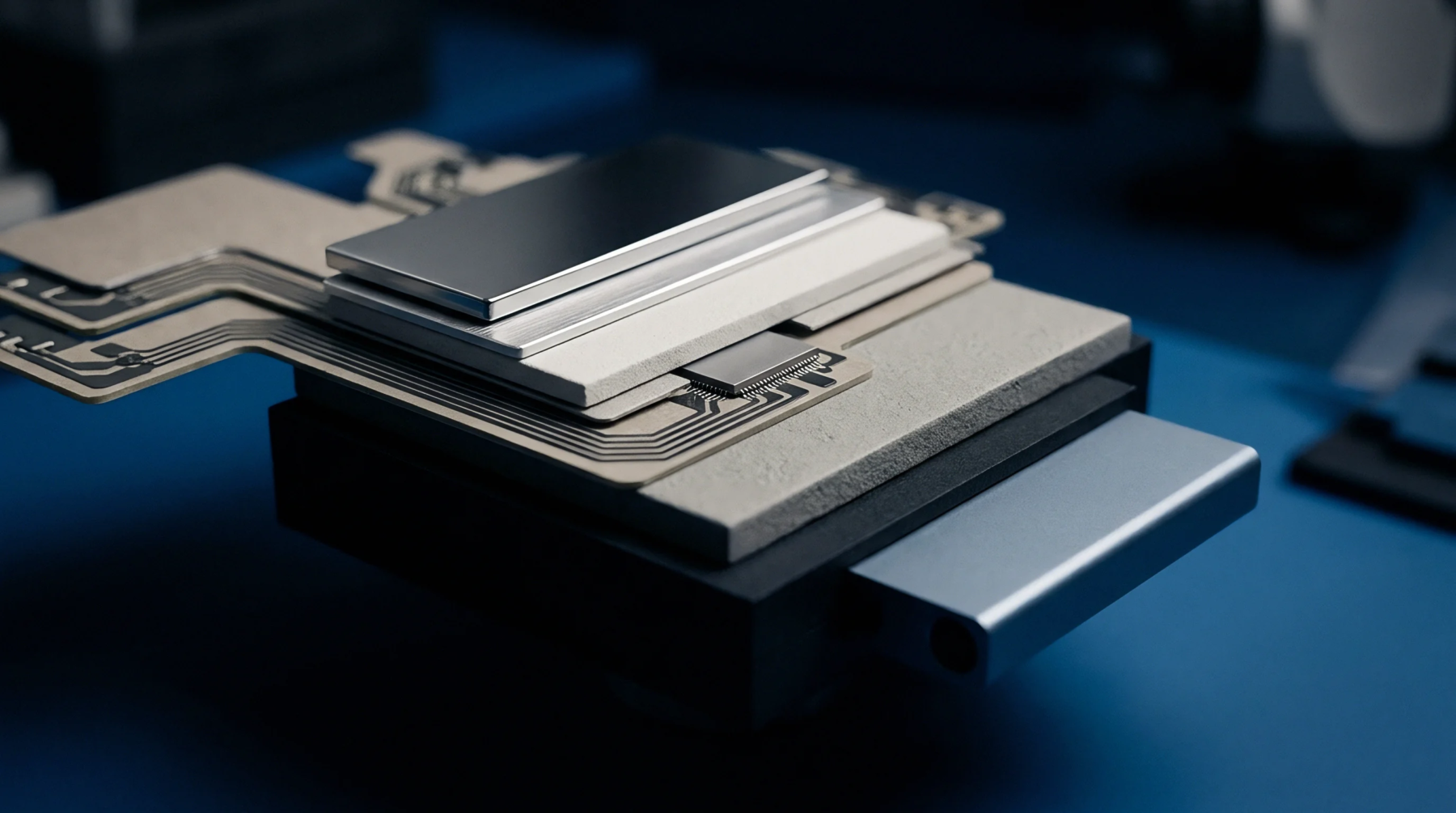
Continuous multi-band radio steering triggers cathode pore clogging and voltage sag in primary LiSOCl2 cells, cutting usable capacity by over fifty percent.

Dynamic carrier steering voltage sag is mitigated by specifying pulsed direct-current resistance limits and sizing low-ESR buffers against low-temperature bounds.
Out-of-coverage attach retries force cellular modems into full-power RF scanning, increasing average power draw up to 100-fold without exponential timer backoffs.

Optimizing out-of-coverage timers and depassivation pulses preserves primary lithium battery capacity in roaming transceivers facing prolonged network loss.
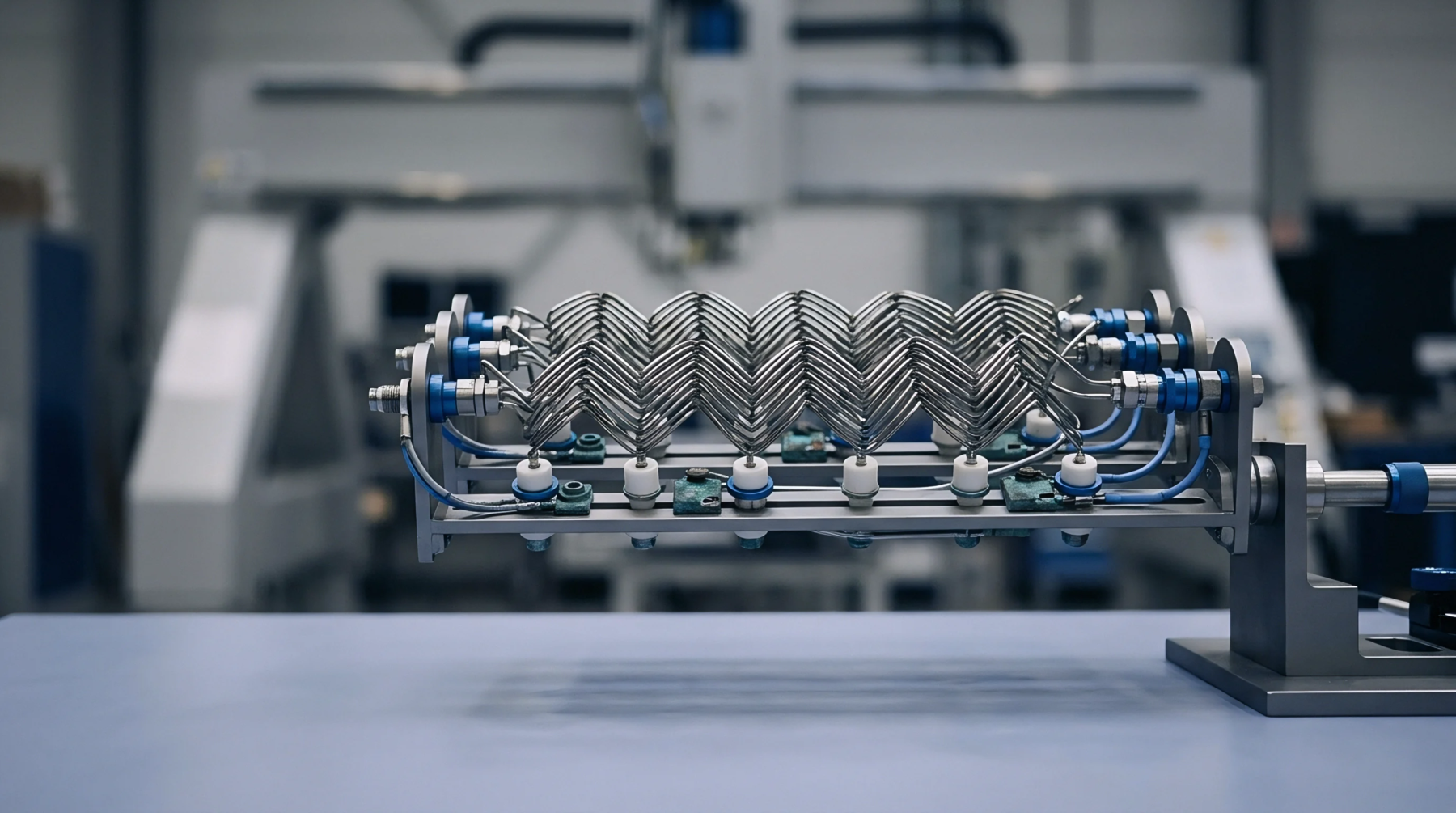
Configure cellular power saving state timers by aligning T3324 active duration with server latency and sync T3412 periodic updates to telemetry schedules.

Select spiral Li-MnO2 for unbuffered high pulses or pair bobbin Li-SOCl2 with hybrid capacitors to prevent fatal transceiver brownouts.

Cellular cross border network scans trigger rapid battery voltage sag through prolonged high peak transmit power bursts against elevated cell internal resistance.
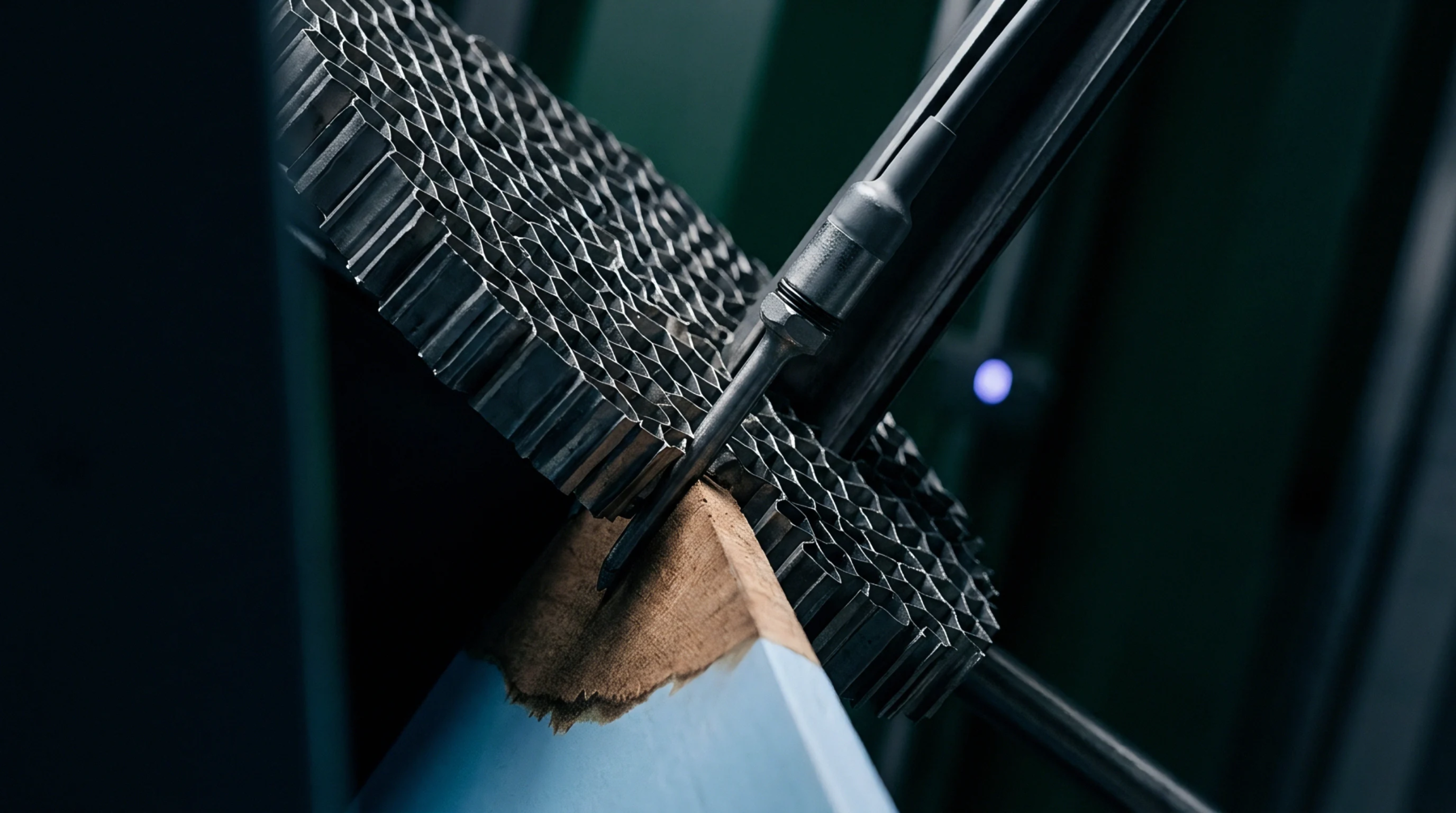
Cellular module band scans draw continuous receiver currents that exhaust battery capacity and cause voltage brownouts unless restricted by firmware band masks.

Unconstrained multi-band scanning rapidly exhausts primary batteries, making firmware-level band masking mandatory for multi-year cellular IoT operation.
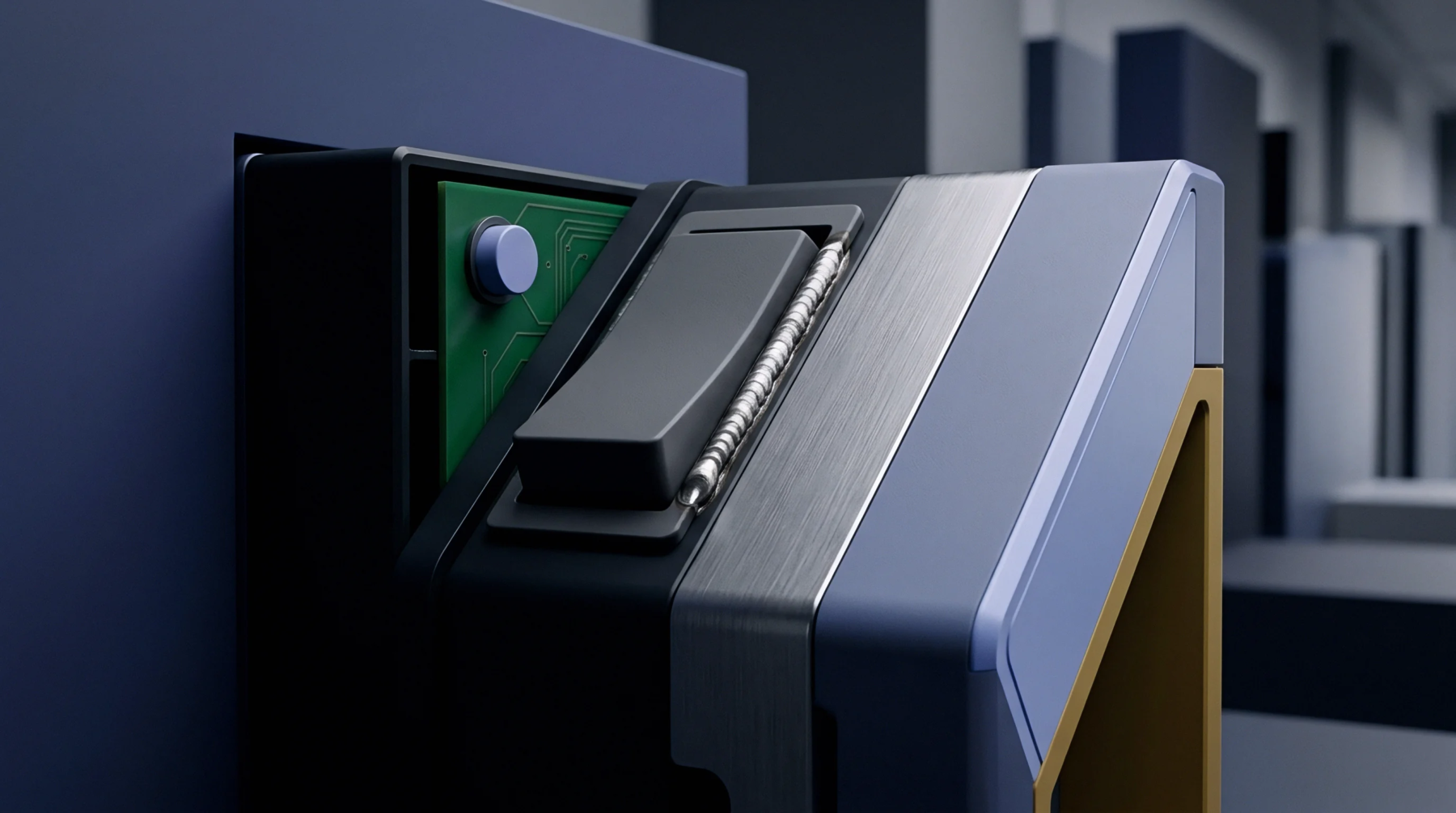
Coverage enhancement repetitions accelerate primary lithium thionyl chloride battery degradation by driving passivated cells into fatal voltage delay.
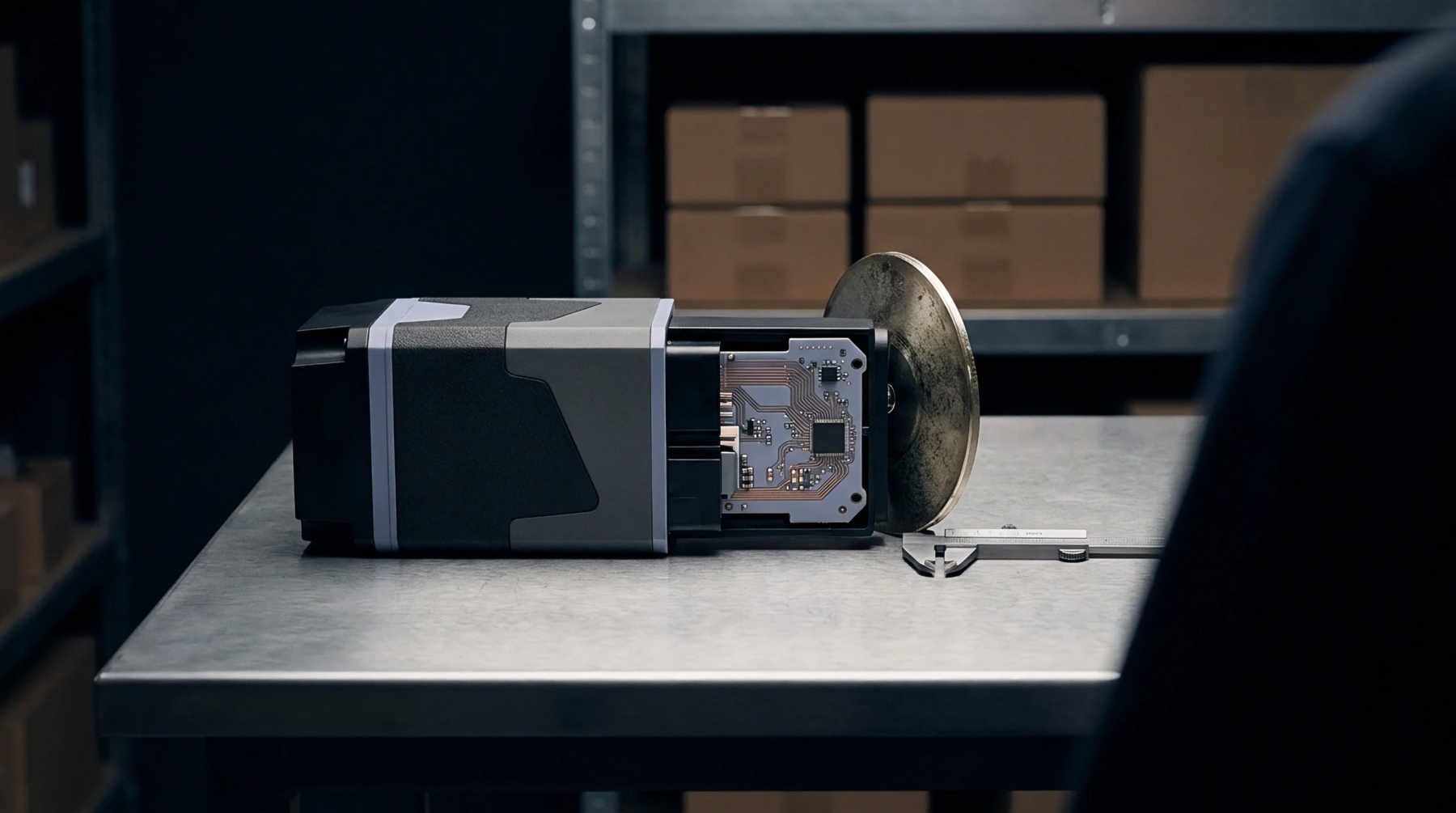
Tune eDRX and PSM timers by validating carrier-granted T3324 and T3412 parameters on current probes to balance sleep draw against paging latency.

Cellular IoT power budgets depend on minimizing base station airtime, optimizing deep sleep timers, and managing peak pulse voltage drops under path loss.

Dynamic roaming timer restrictions compress cellular power saving intervals, requiring autonomous module detach logic to halt accelerated primary cell depletion.
Baseband backoff timers mitigate power spikes by enforcing low-current standby states during carrier roaming rejection sequences.
Initial eUICC registration draws sustained peak current during crypto handshakes and band scans, demanding capacitive buffering and limited band search masks.
Cross-border NAS throttling activates multi-hour back-off timers; blind firmware reset loops trigger catastrophic battery drain and field failure.
Combine low-leakage PCB power gating with optimized PSM T3412 timers to maintain primary cell passivation stability and extend deep sleep cellular terminal life.
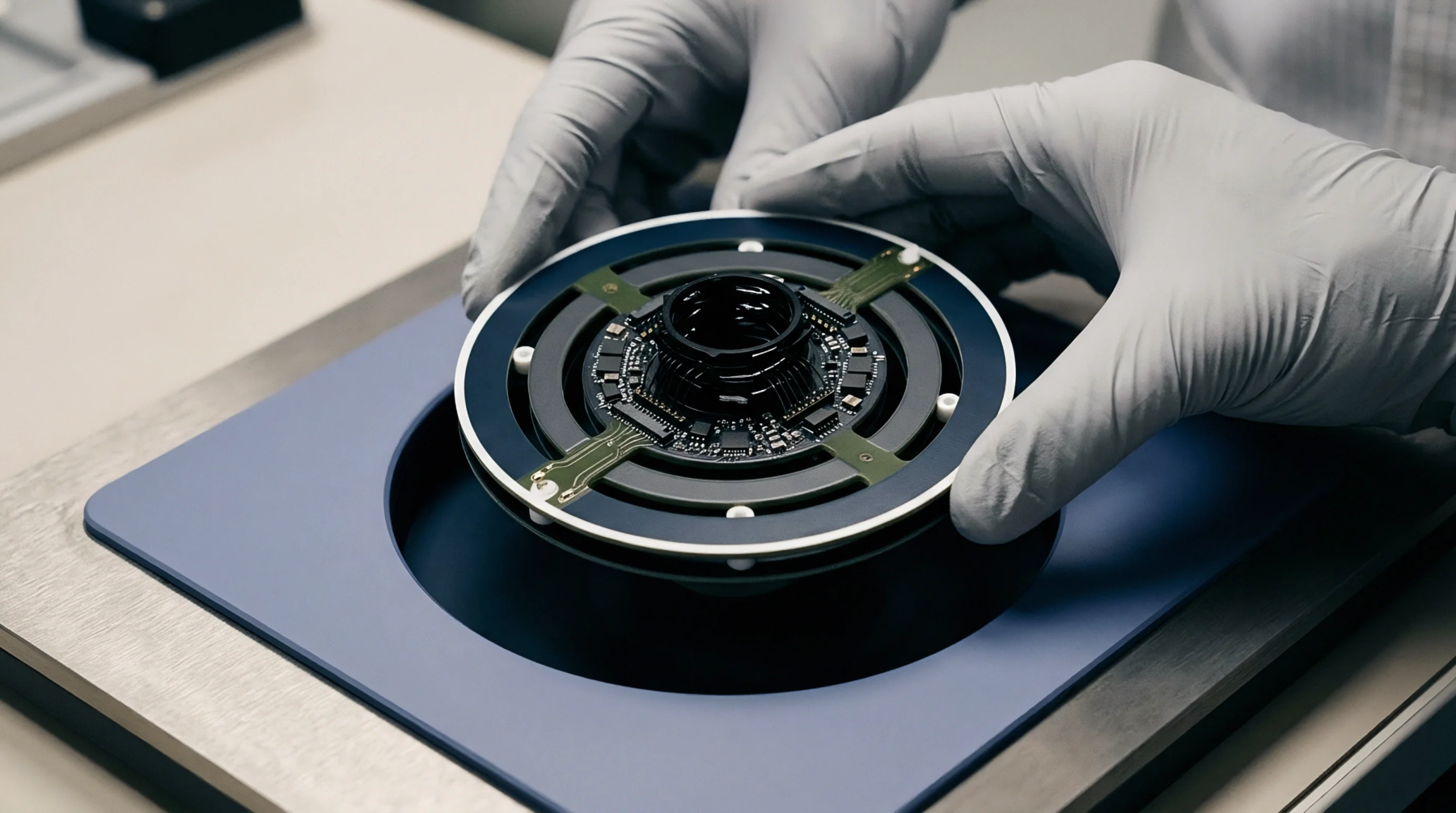
Unassisted carrier searches draw severe transient currents that shatter cell passivation layers, driving early brownout long before chemical exhaustion.

Constrain cellular carrier steering via strict baseband scan timers and band masks to prevent battery depletion during operator roaming changes.

Hardware interlocks and erase-suspend routines decouple high-power sub-GHz RF bursts from flash scrubbing to prevent supply rail collapse and bit flips.
Mitigate passivation collapse in sub-GHz transmitters by pairing bobbin LiSOCl2 cells with hybrid layer capacitors or staged firmware depassivation current ramps.
Expertise is a utility, not a secret. sentiention™ publishes its working knowledge as open reference: intelligence layer covering the materials it sources, the markets it enters, and the reference that serves both.