
Optimizing Cellular Baseband Backoff Timers against Carrier Steering Signaling Rejections
Optimizing cellular baseband backoff timers with randomized jitter prevents battery drain and SIM lockout during aggressive carrier steering rejections.
Optimizing cellular baseband backoff timers with randomized jitter prevents battery drain and SIM lockout during aggressive carrier steering rejections.

Manage cellular baseband rejections across borders by parsing EMM cause codes, clearing SIM FPLMN files via AT commands, and optimizing T3402 backoff timers.

Modem attach retries at peak RF output drain battery packs rapidly; firmware must enforce exponential backoff and PSM sleep to preserve battery life.

Optimizing unattached transceiver backoff timers prevents severe passivation voltage dips and extends primary lithium battery service life past ten years.

Cross-border cell search draws peak currents up to 2.1 A during band scans, requiring conservative timer limits and profile rules to avoid battery brownout.

IMSI switching consumes fixed 1.5 to 18 Joules; executing switches becomes energy-efficient only when roaming timer backoffs exceed four attach retries.

Managing visited cellular network NAS overrides requires firmware that accepts assigned timers, prevents aggressive attach retries, and protects battery life.
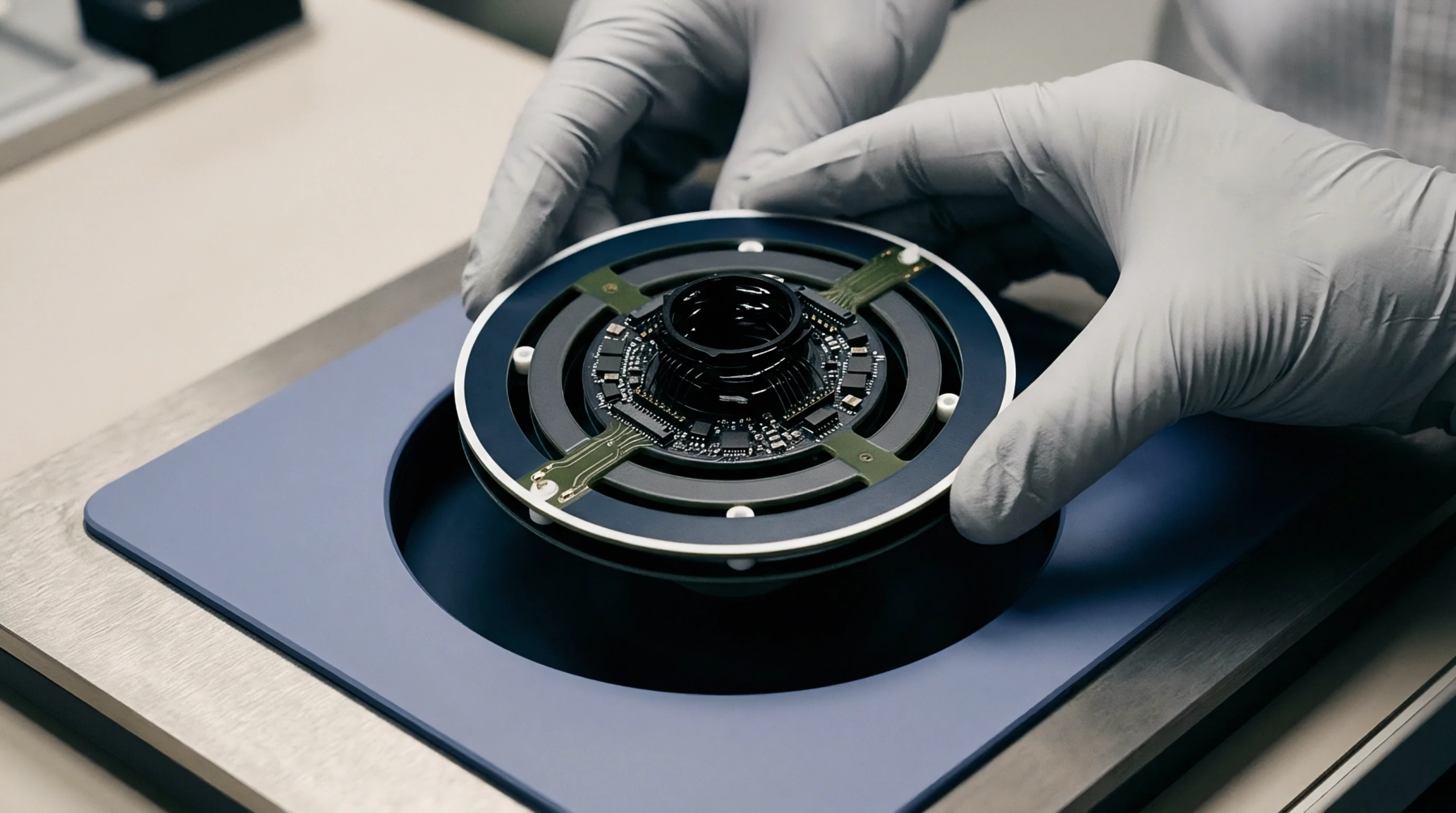
Inter-carrier steering forces prolonged radio frequency scanning and timer renegotiations that accelerate battery passivation collapse and premature field failure.
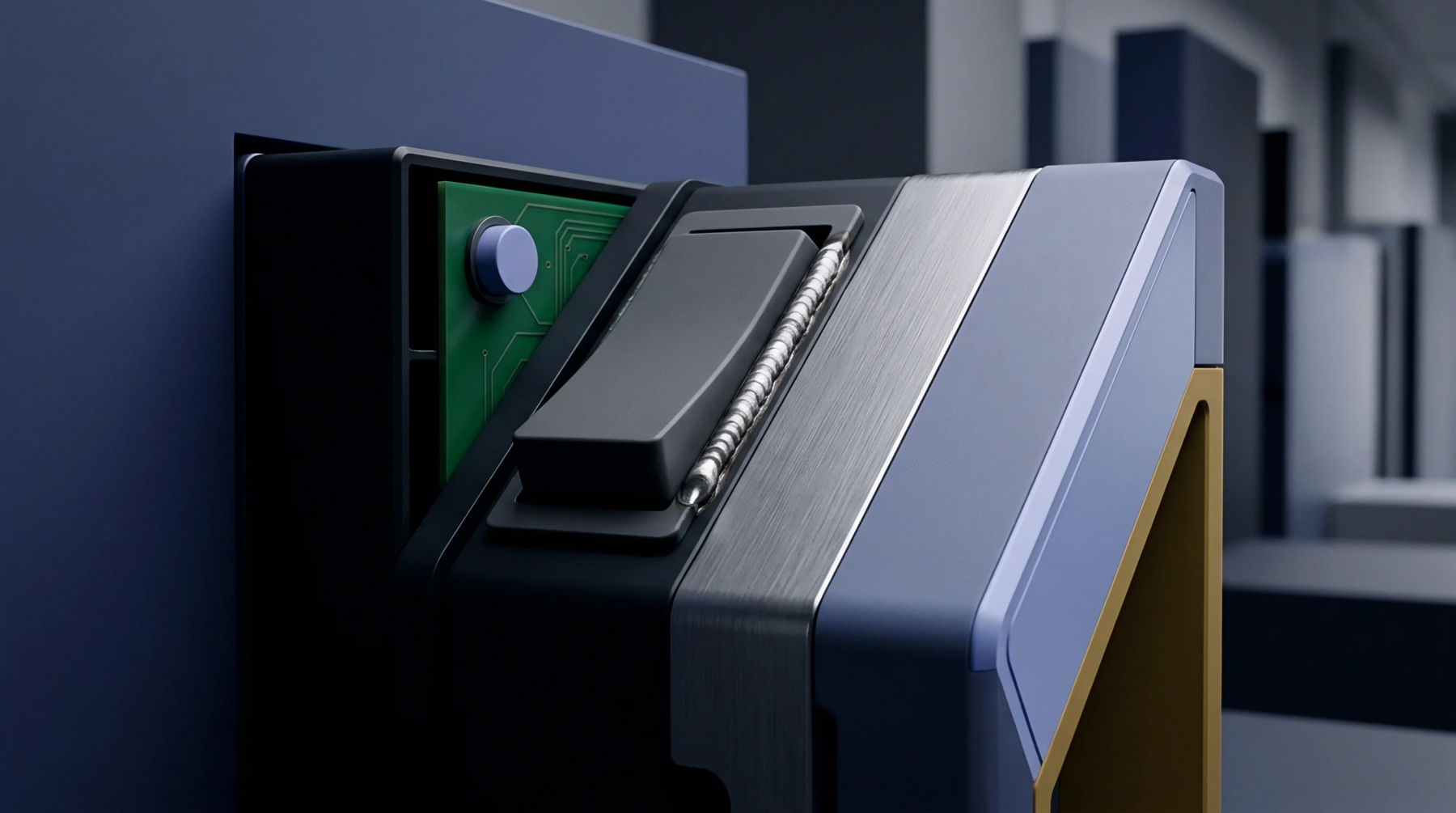
Optimize 3GPP T3324 and T3412 timer configurations to minimize battery drain caused by visited network overrides during cellular IoT roaming.

Dynamic management of network timers, search back-off routines, and coverage enhancement parameters protects cellular IoT battery life during inter-carrier roaming.
Expertise is a utility, not a secret. sentiention™ publishes its working knowledge as open reference: intelligence layer covering the materials it sources, the markets it enters, and the reference that serves both.