
Quantifying Non-Terrestrial Network Protocol Conformance Overhead on Embedded Power Budgets
Non-terrestrial protocol conformance increases embedded wake energy up to fifteenfold through pre-RACH GNSS synchronization and Doppler compensation.
Non-terrestrial protocol conformance increases embedded wake energy up to fifteenfold through pre-RACH GNSS synchronization and Doppler compensation.

Pairing low-self-discharge LiSOCl2 bobbin cells with low-ESR hybrid layer capacitors prevents baseband brownout during subzero cellular transmission pulses.

Roaming transceiver attach sweeps consume up to twelve milliampere hours per search event demanding strict backoff timers to protect lithium battery operating life.

Cellular IoT registration recovery relies on deterministic 3GPP cause parsing, backoff timers, and EF_FPLMN management to prevent SIM battery exhaustion.

Unconstrained multi-band scanning rapidly exhausts primary batteries, making firmware-level band masking mandatory for multi-year cellular IoT operation.
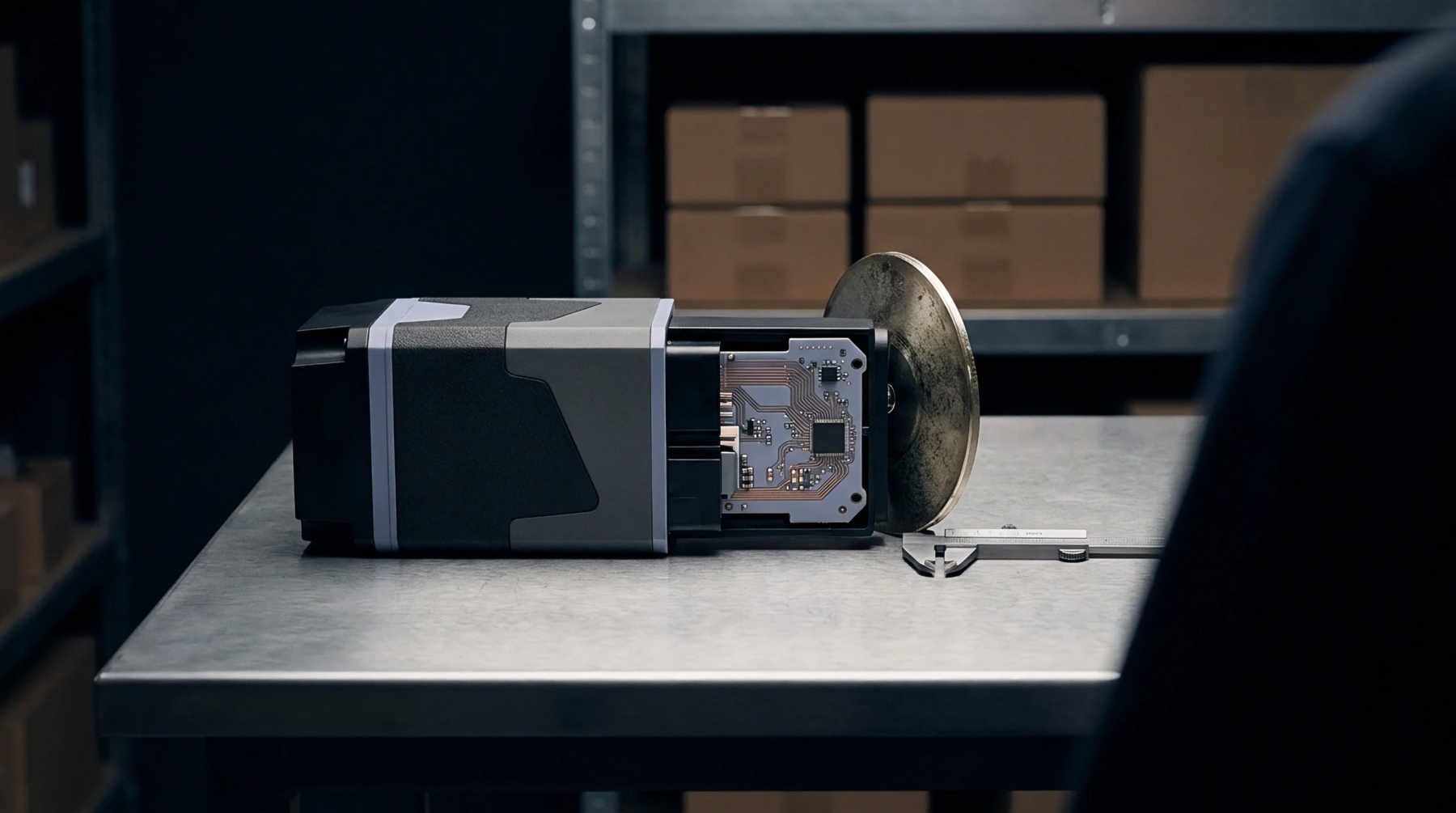
Tune eDRX and PSM timers by validating carrier-granted T3324 and T3412 parameters on current probes to balance sleep draw against paging latency.

Cellular IoT power budgets depend on minimizing base station airtime, optimizing deep sleep timers, and managing peak pulse voltage drops under path loss.

Combine low-leakage PCB power gating with optimized PSM T3412 timers to maintain primary cell passivation stability and extend deep sleep cellular terminal life.

Enforce parametric indemnity clauses tied to dock-level register hash verification and dynamic current benchmarking to prevent silent cellular module failures.

Configure LTE-M Power Save Mode by auditing granted T3412 and T3401 timers on carrier networks to prevent active listening drain from exhausting batteries.

Dynamic band masking, motion-qualified retries, and Release Assistance Indication cut cross-border tracker re-selection current draw by over eighty percent.
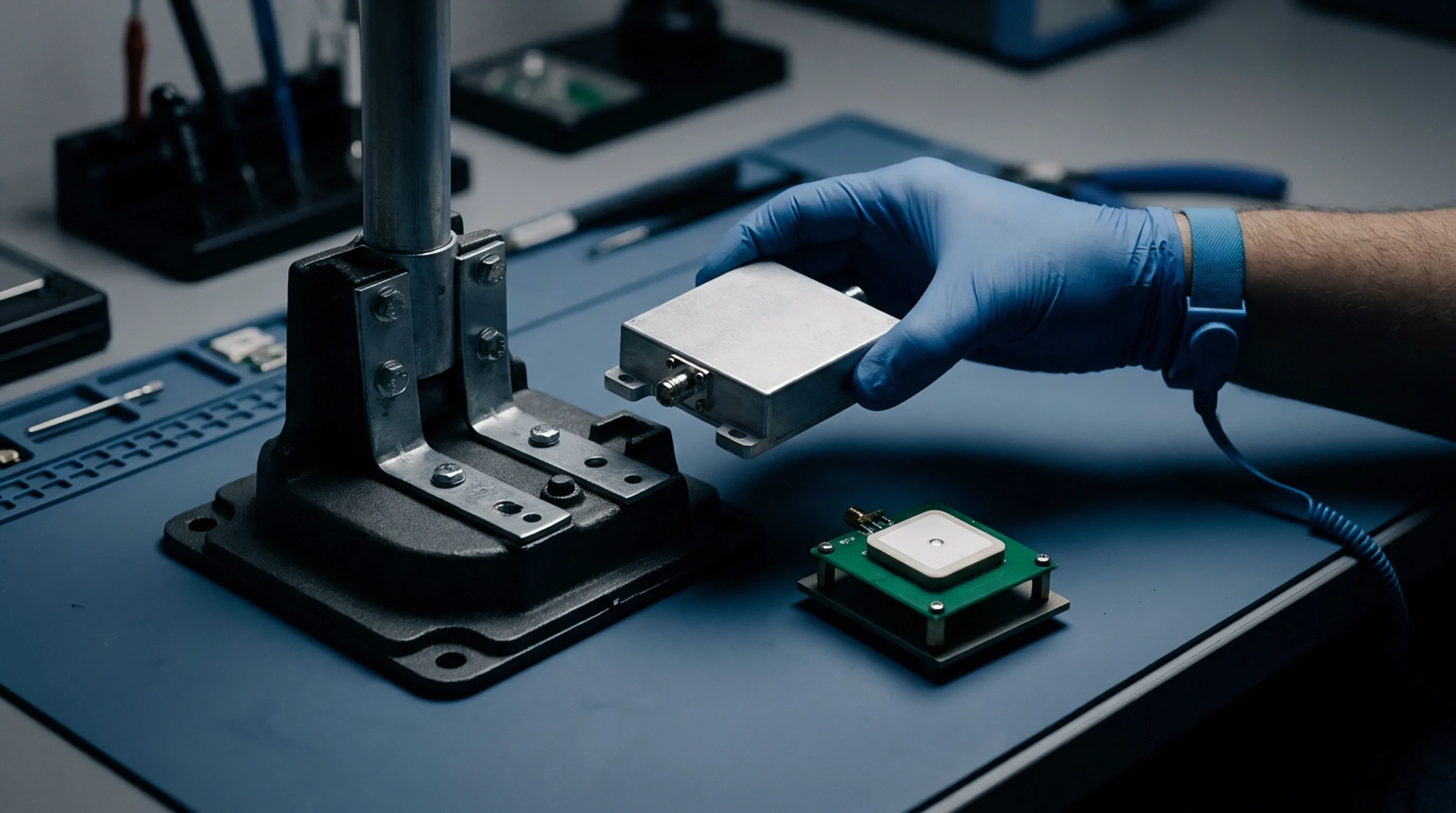
Multi-IMSI applet polling introduces background current floors that halve telemetry battery life without optimized baseband power-saving mode configurations.

Synchronizing gateway payload aggregation with cellular modem and carrier inactivity timers eliminates micro-bursts that trigger exponential overage billing.

PDP context session rounding inflates cellular IoT data charges by applying minimum billing floors upon link release, requiring persistent sockets or aggregated tariffs.
Modem attach retries at peak RF output drain battery packs rapidly; firmware must enforce exponential backoff and PSM sleep to preserve battery life.

Integrating instantaneous frequency offset polynomials over sleep intervals expands receiver guard windows accurately without wasting battery capacity in low power nodes.
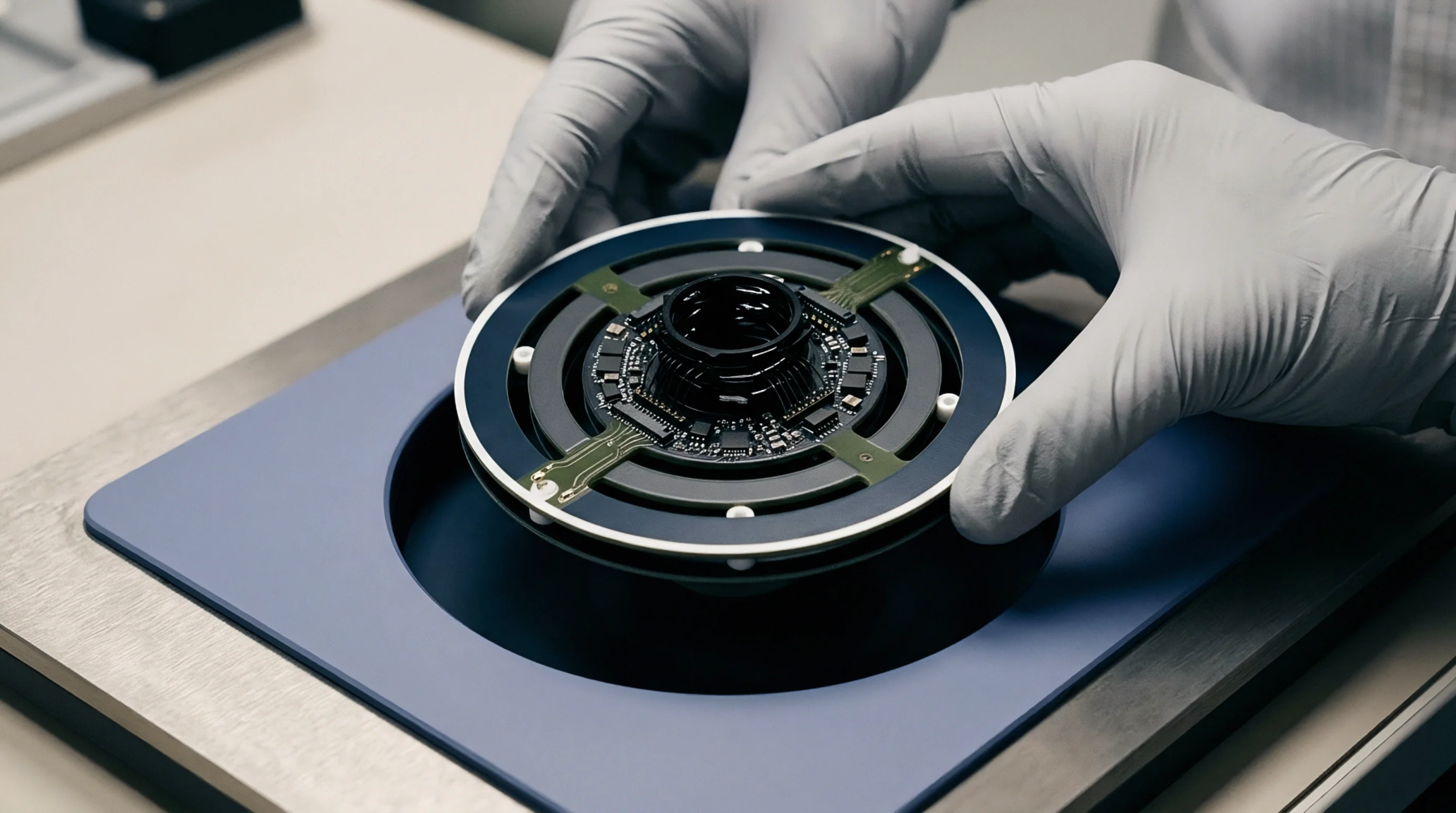
Inter-carrier steering forces prolonged radio frequency scanning and timer renegotiations that accelerate battery passivation collapse and premature field failure.

Mitigate seven year eUICC fleet overages by pairing pooled dynamic tariffs with tight TCP socket controls to eliminate session rounding multiplication.

Seven year LTE-M deployment costs depend primarily on battery self-discharge rates, base station reselection energy, and technician field dispatch expenses.

Cellular IoT session rounding increments can multiply billable data volumes by twenty times, turning raw sensor updates into severe monthly carrier overage charges.

Subterranean cellular attachment triggers extreme 3GPP repetition modes that expand signaling duration from milliseconds to seconds, causing massive battery drain.

Cross-border cellular acquisition consumes up to 10 mAh per registration cycle due to carrier steering rejections and exhaustive full-band frequency scans.

Modem attach power scaling depends on coverage enhancement levels and raster pruning, where degraded signal paths elevate registration energy from 0.68 to 14.2 joules.

Optimize 3GPP T3324 and T3412 timer configurations to minimize battery drain caused by visited network overrides during cellular IoT roaming.

Cellular IoT data plans over seven years require accounting for platform fees, payload overhead, and roaming surcharges beyond raw baseline megabyte costs.
Expertise is a utility, not a secret. sentiention™ publishes its working knowledge as open reference: intelligence layer covering the materials it sources, the markets it enters, and the reference that serves both.