
Optimizing Cellular Baseband Backoff Timers against Carrier Steering Signaling Rejections
Optimizing cellular baseband backoff timers with randomized jitter prevents battery drain and SIM lockout during aggressive carrier steering rejections.
Optimizing cellular baseband backoff timers with randomized jitter prevents battery drain and SIM lockout during aggressive carrier steering rejections.

Cross-border cellular registration drains tracking batteries through blind frequency scanning, network steering rejections, and coverage extension airtime.

eUICC fallback timers for unsolicited detachments require hysteresis windows and backoff algorithms to prevent energy depletion and carrier SLA penalties.

Manage cellular baseband rejections across borders by parsing EMM cause codes, clearing SIM FPLMN files via AT commands, and optimizing T3402 backoff timers.
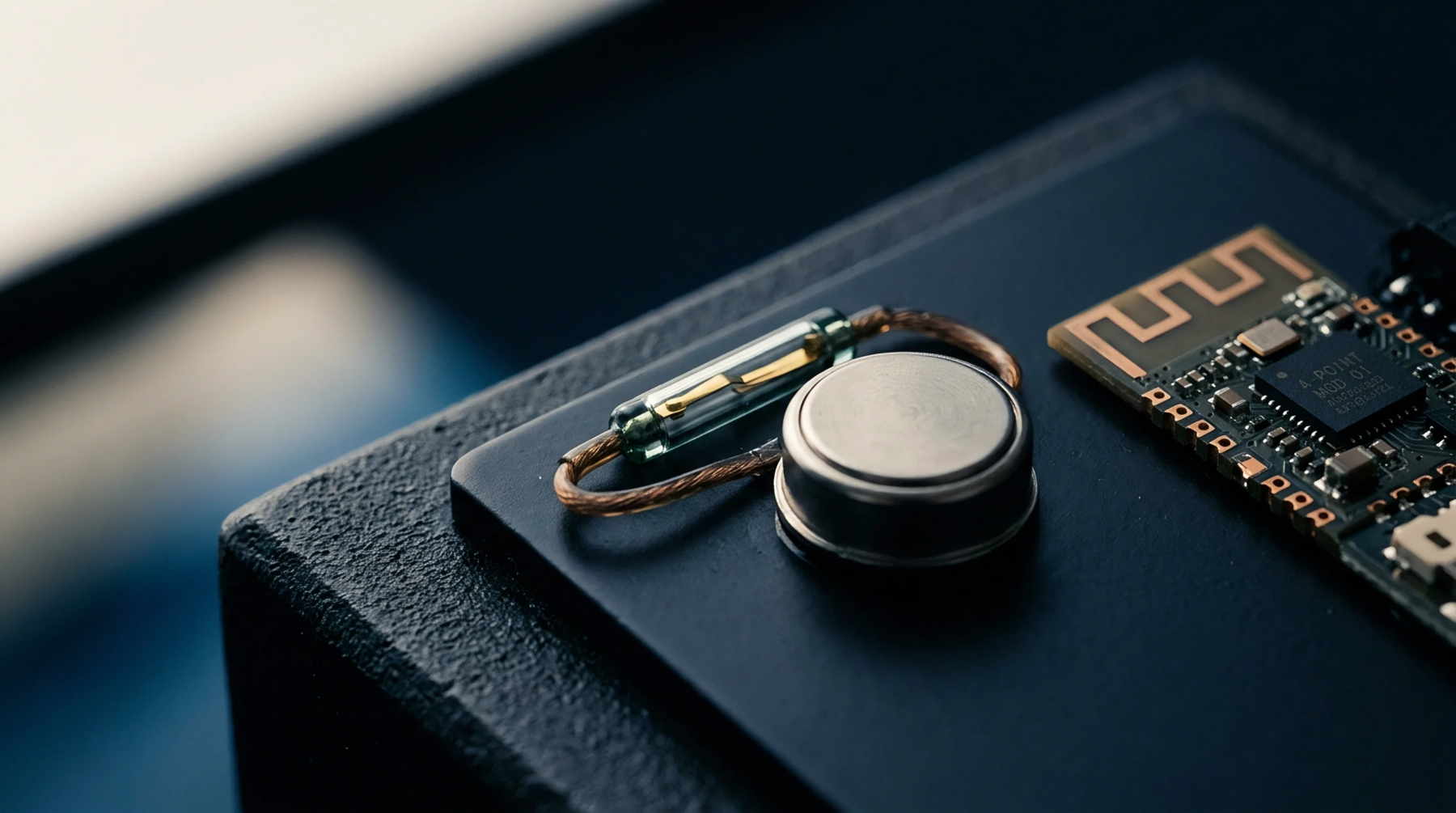
Dynamic carrier steering roaming scans pull continuous multi-hundred milliamp current bursts that prematurely exhaust battery reserves without backoff tuning.

IMSI switching consumes fixed 1.5 to 18 Joules; executing switches becomes energy-efficient only when roaming timer backoffs exceed four attach retries.
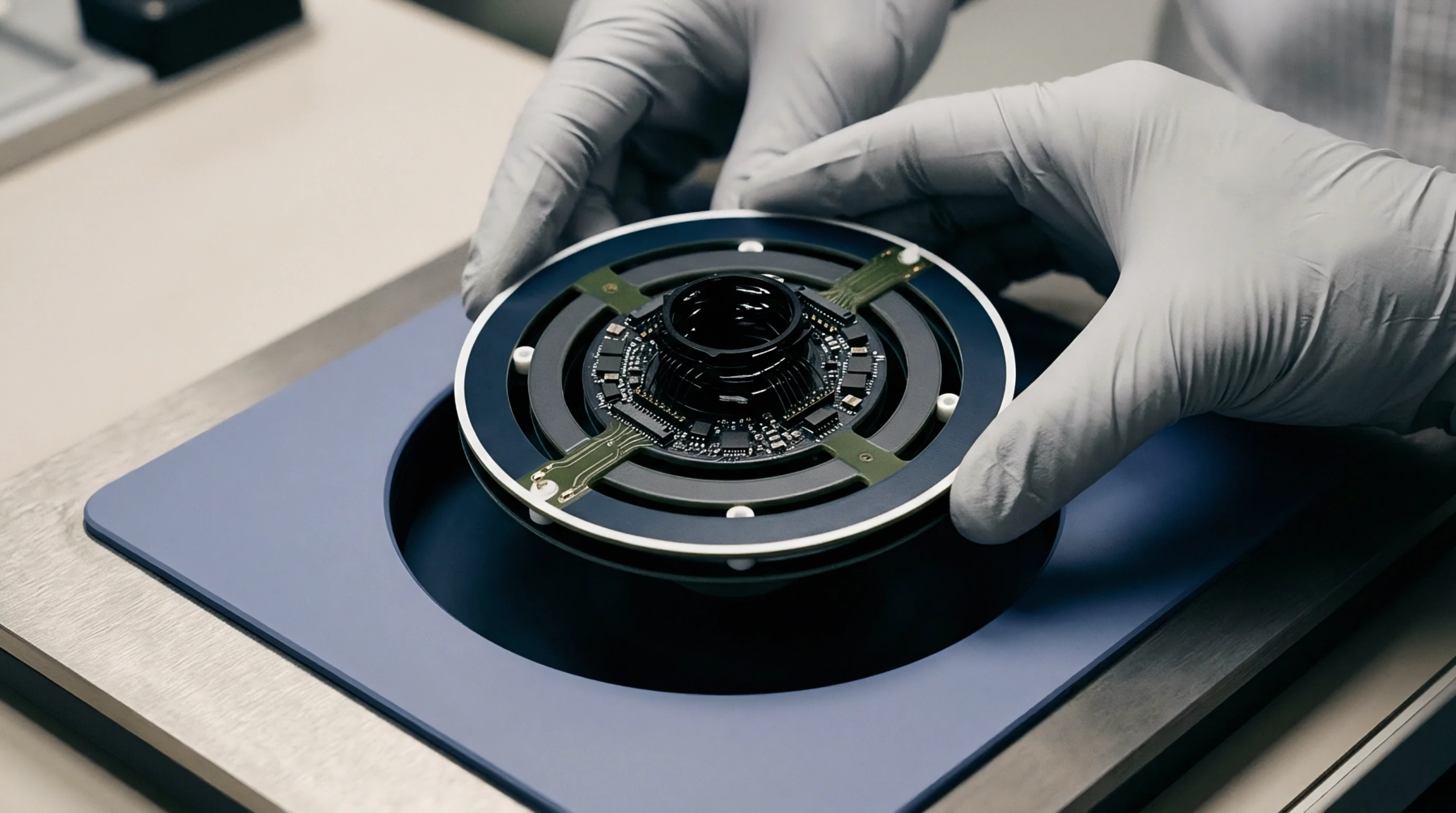
Inter-carrier steering forces prolonged radio frequency scanning and timer renegotiations that accelerate battery passivation collapse and premature field failure.

Un-steered roaming profiles eliminate SIM applet rejection sweeps, preserving cellular tracker battery capacity across international borders.
Cross-border eUICC reliability depends on host-managed exponential backoff timers, FPLMN cache management, and local offline profile switching rules.

Cellular IoT pricing models rely on dynamic aggregated data pooling and strict protocol optimization to eliminate carrier session rounding penalties across fleets.

Cross-border cellular acquisition consumes up to 10 mAh per registration cycle due to carrier steering rejections and exhaustive full-band frequency scans.

Optimize 3GPP T3324 and T3412 timer configurations to minimize battery drain caused by visited network overrides during cellular IoT roaming.

Dynamic management of network timers, search back-off routines, and coverage enhancement parameters protects cellular IoT battery life during inter-carrier roaming.

Inter-carrier cellular roaming power optimization depends on strictly controlled PLMN scan intervals, 3GPP timer negotiation, and payload retries.

NB-IoT offers superior signal penetration and lower single-mode hardware costs, but LTE-M delivers seamless global cross-border roaming and continuous mobility.
Expertise is a utility, not a secret. sentiention™ publishes its working knowledge as open reference: intelligence layer covering the materials it sources, the markets it enters, and the reference that serves both.