
Quantifying Cellular Registration Energy Taxes in Cross Border Asset Tracking
Cross-border cellular registration drains tracking batteries through blind frequency scanning, network steering rejections, and coverage extension airtime.
Cross-border cellular registration drains tracking batteries through blind frequency scanning, network steering rejections, and coverage extension airtime.
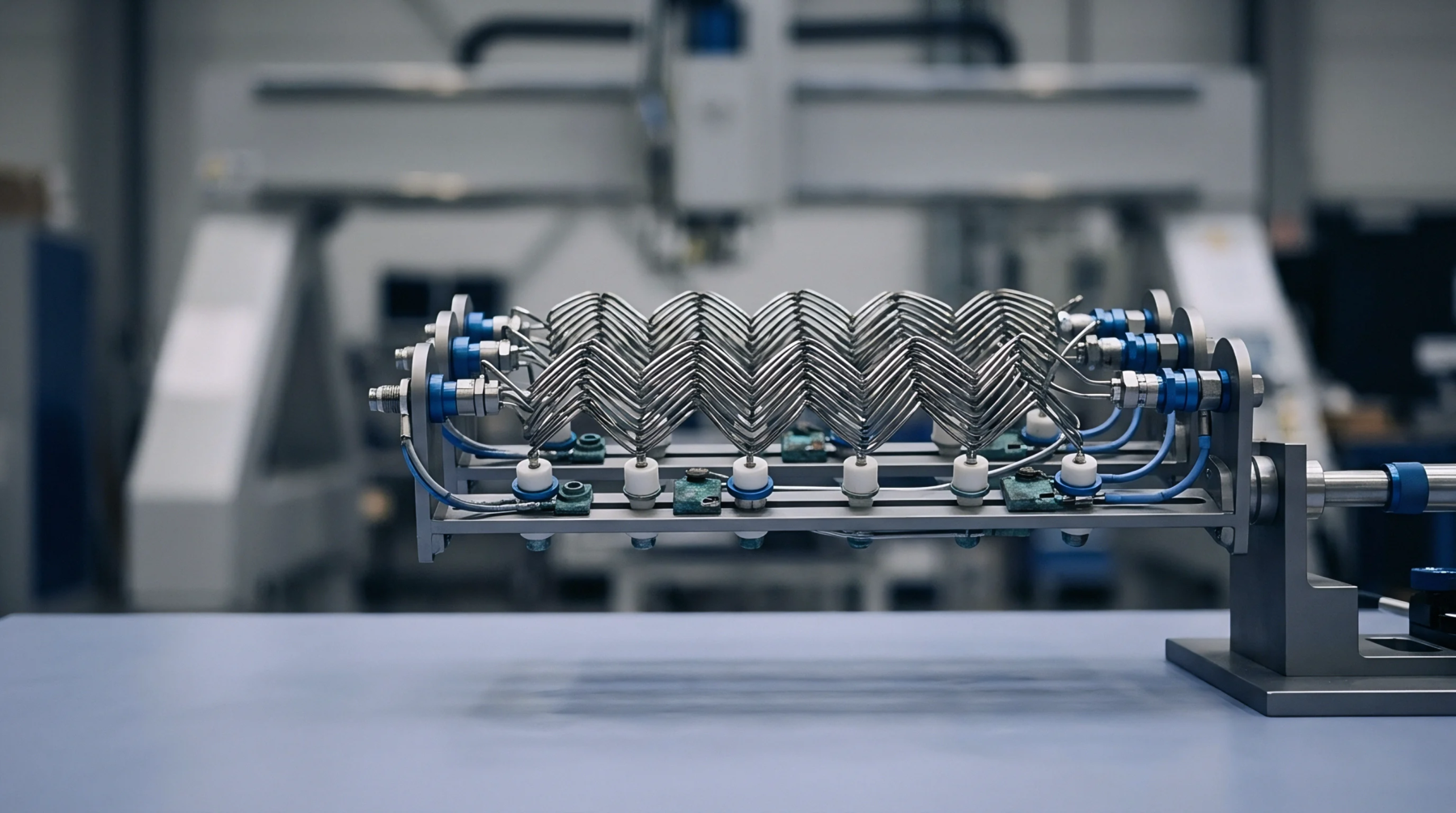
Cross-border cell search draws peak currents up to 2.1 A during band scans, requiring conservative timer limits and profile rules to avoid battery brownout.

Configuring T3412 and T3324 timers requires balancing network-assigned limits against terminal sleep current to ensure multi-year battery operational life.
Non-Access Stratum protocol overhead accelerates battery depletion by extending modem active time and triggering RRC inactivity tails after every transmission.

Cross-border cellular acquisition consumes up to 10 mAh per registration cycle due to carrier steering rejections and exhaustive full-band frequency scans.
NB-IoT offers superior signal penetration and lower single-mode hardware costs, but LTE-M delivers seamless global cross-border roaming and continuous mobility.
Expertise is a utility, not a secret. sentiention™ publishes its working knowledge as open reference: intelligence layer covering the materials it sources, the markets it enters, and the reference that serves both.