Meaning
Power saving functionality in cellular networks that allows a device to remain in a low power sleep state for longer periods between checking for incoming pages. This extended discontinuous reception mechanism is a key component of the narrowband internet of things and category M1 standards. It extends the time a module can stay dormant from a few seconds to several hours or even days.
The standard specifies how the device and the network agree on a cycle of active and inactive periods to balance energy consumption with reachability. It is particularly effective for sensors that do not require immediate responses to downlink commands. This protocol ensures that battery operated devices can function for many years without a recharge.
Timing Negotiation
The process begins when the user equipment sends a request to the base station containing the desired sleep and wake parameters. If the network supports the feature, it sends back a confirmation that establishes the specific extended discontinuous reception cycle. This cycle includes a paging time window where the device is reachable and a long period of deep sleep where the radio is powered down.
The device must wake up at the precise start of the paging window to listen for its specific identifier. If no page is detected, the module immediately returns to the sleep state to conserve energy. This negotiation happens during the initial attachment to the network or during a periodic tracking area update.
The stability of the internal clock is vital to ensure that the device wakes up at the correct time to catch the incoming signal.
Latency Boundary
A primary tradeoff with this technology is the increase in the time it takes for a server to send a message to the device. Because the radio is off for the majority of the time, any downlink data must wait in a queue at the network core until the next paging window. This means that a device using extended discontinuous reception cannot be used for applications that require real time control or low latency.
The length of the sleep cycle is chosen based on the battery capacity and the expected frequency of updates. If the cycle is too long, the device might miss important configuration changes or command signals. Engineers must calculate the maximum acceptable delay for their specific use case before setting the timer values.
Power Measurement
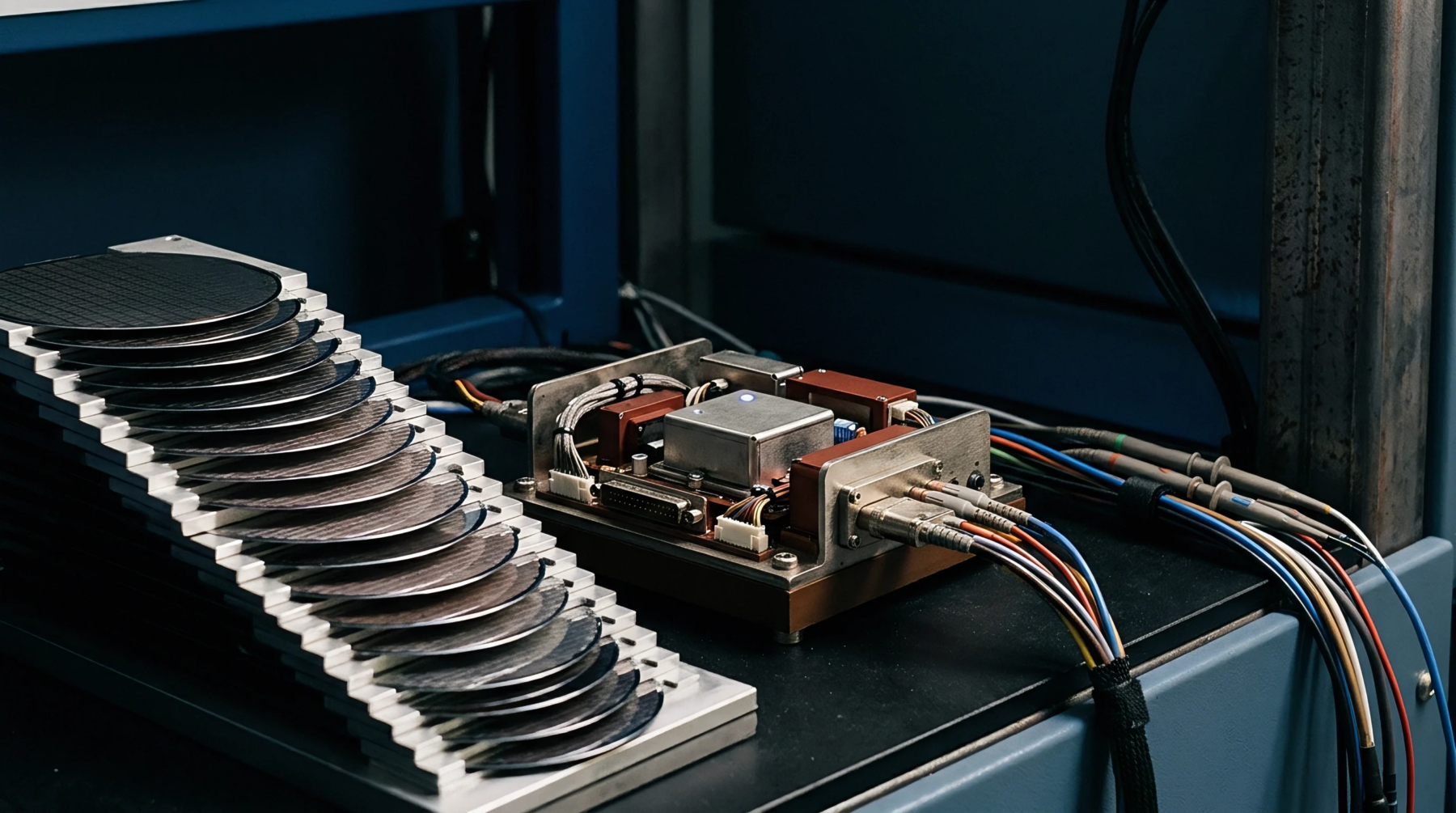
Verifying the effectiveness of this sleep mode involves measuring the current consumption of the module across several cycles. A high precision power analyzer is used to capture the microampere level currents during the sleep phase and the milliampere peaks during the paging window. This data confirms that the extended discontinuous reception settings are being applied correctly by both the device and the network.
If the device wakes up too often or stays awake too long, the battery life will be significantly shorter than the theoretical estimate. The results of these tests are documented in the final power profile of the product. This validation ensures that the hardware can meet the long term operational requirements of a remote deployment.