
Quantifying Cellular Registration Energy Taxes in Cross Border Asset Tracking
Cross-border cellular registration drains tracking batteries through blind frequency scanning, network steering rejections, and coverage extension airtime.
Cross-border cellular registration drains tracking batteries through blind frequency scanning, network steering rejections, and coverage extension airtime.

Milled PCB trenches and necked thermal traces isolate sub-microamp sleep crystals from radio amplifier heat to prevent frequency drift and window dilation.

Oscillator drift forces wider receiver listen windows in low duty cycle radios, multiplying active energy consumption and degrading battery lifespan.

Edge-triggered dual-radio buffer architecture staging fast edge interrupts into local non-volatile RAM prevents data loss during link state handoffs.

High-bandwidth industrial condition monitoring offloads raw waveform data via local local-area radios, using edge signal processing and cellular fallback to cut carrier costs.

Sub-GHz antenna detuning increases transmit current over eighty percent, triggering severe battery voltage droop that demands hybrid capacitor buffering.
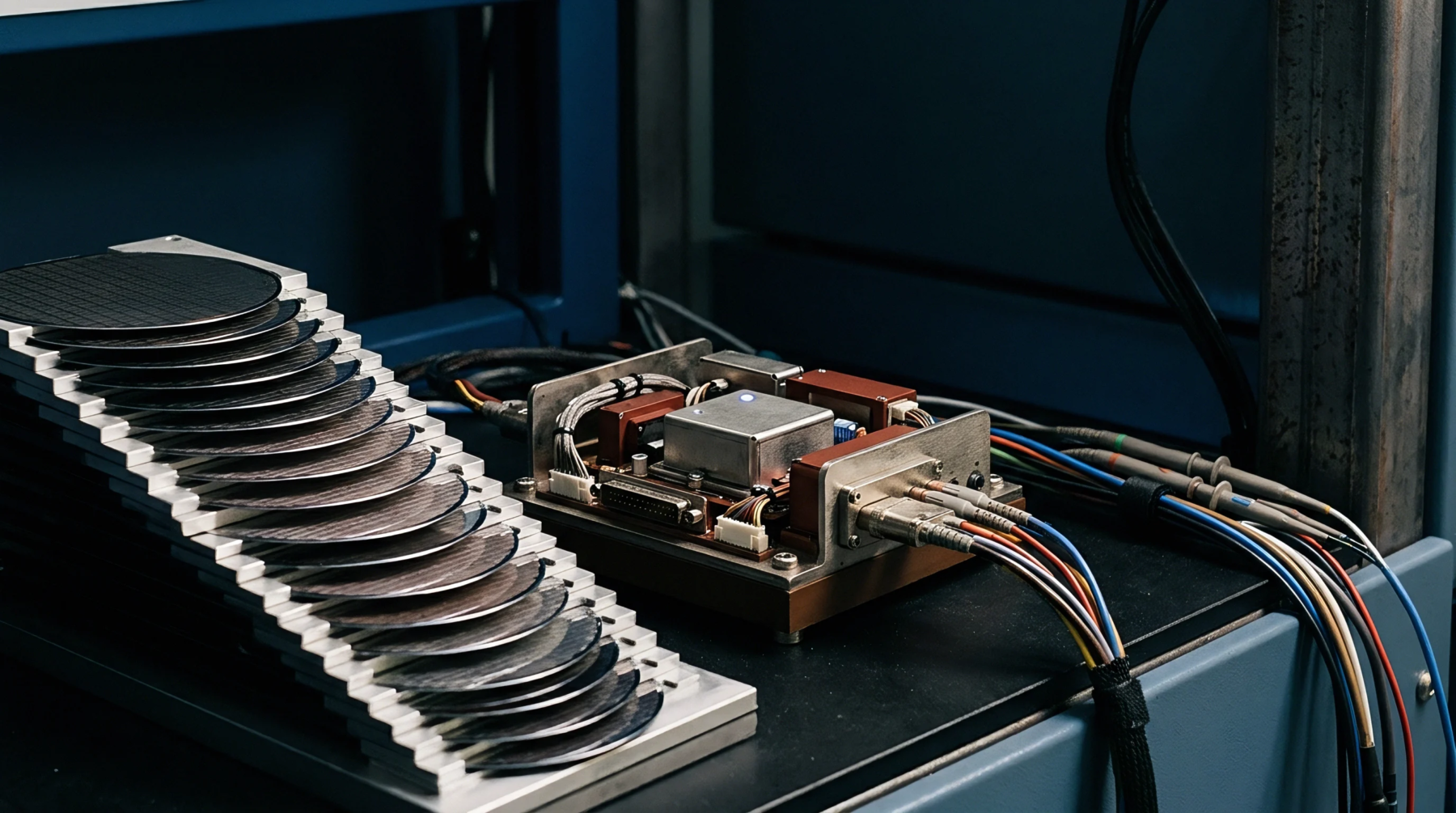
Dynamic impedance matching stabilizes RF power amplifier load lines during battery voltage droop to prevent signal distortion and premature device shutdown.
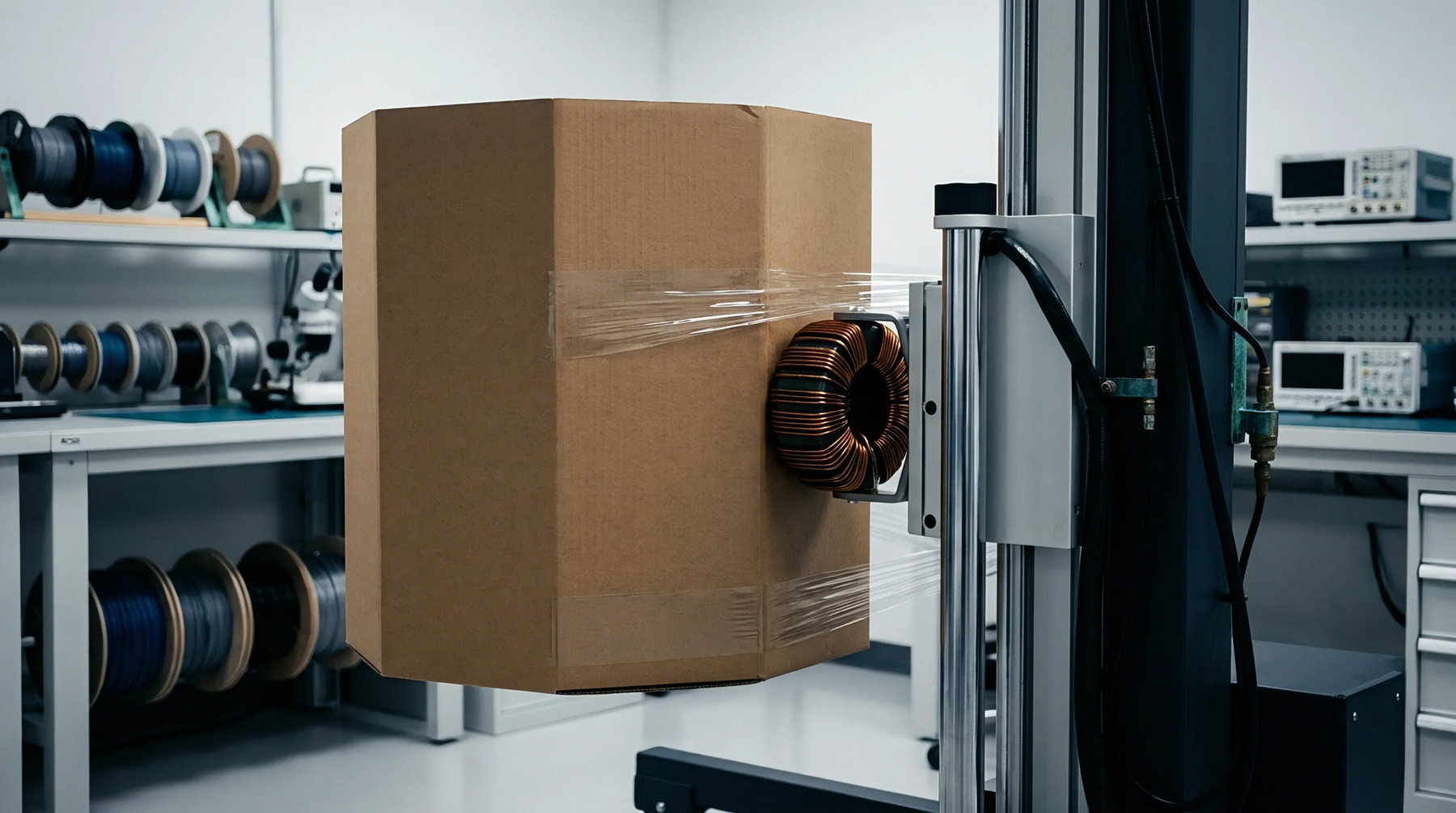
Cellular IoT power management matches PSM and eDRX timers to application frequency while decoupling peak pulse currents from battery internal resistance.

Configuring T3412 and T3324 timers requires balancing network-assigned limits against terminal sleep current to ensure multi-year battery operational life.
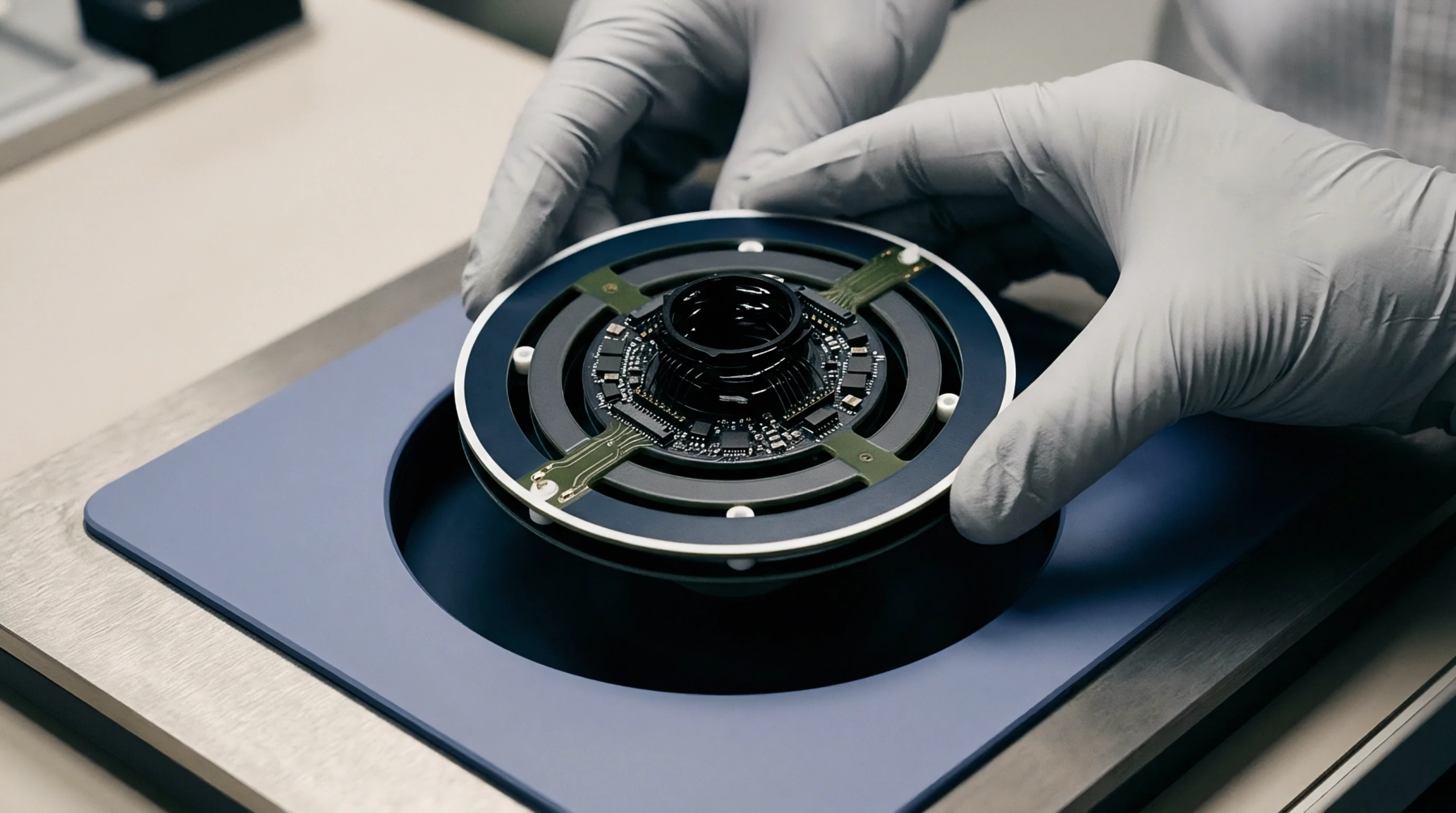
Inter-carrier steering forces prolonged radio frequency scanning and timer renegotiations that accelerate battery passivation collapse and premature field failure.

Hardware brownout comparators for sub-GHz transceivers demand sub-microsecond response times and precise trip levels to prevent power amplifier voltage sags.

Seven year LTE-M deployment costs depend primarily on battery self-discharge rates, base station reselection energy, and technician field dispatch expenses.
Select LTE Cat-M1 for balanced mobility and power, or Cat 1bis for universal global roaming at the cost of higher battery capacity.

Initial active listening and channel scanning overhead in battery-powered Zigbee end devices can rapidly drain battery reserves prior to network association.
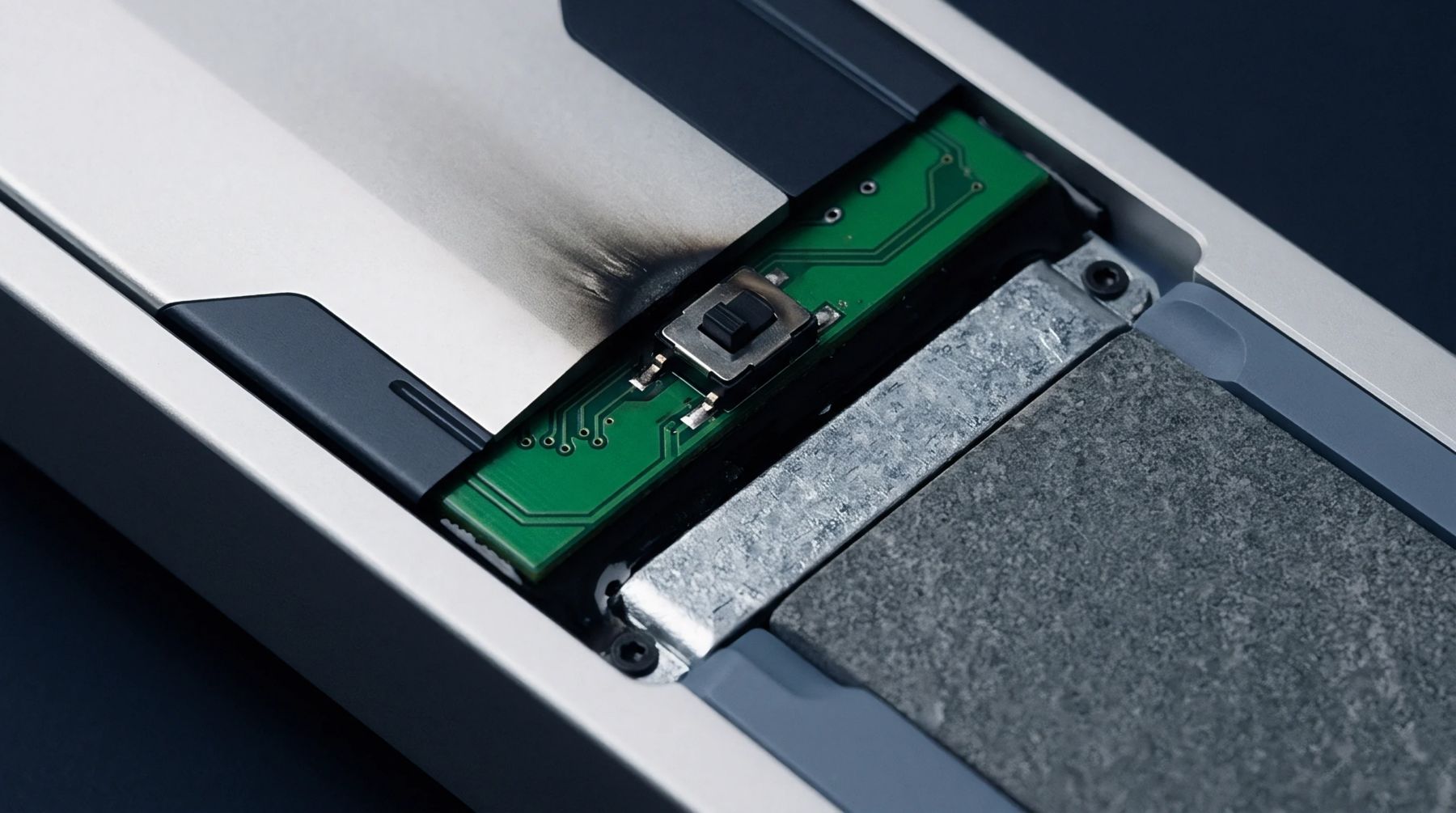
Dynamic impedance matching losses double RF current draw and accelerate battery internal resistance growth, cutting endpoint service life by over fifty percent.

Dynamic impedance matching mitigates RF power amplifier reflection losses, preserving battery voltage stability and operational lifespan in wideband radios.

Cross-border cellular acquisition consumes up to 10 mAh per registration cycle due to carrier steering rejections and exhaustive full-band frequency scans.
Inter-carrier cellular roaming power optimization depends on strictly controlled PLMN scan intervals, 3GPP timer negotiation, and payload retries.

Zigbee mesh commissioning hides heavy battery current spikes and technician labor costs behind oversimplified radio datasheet duration claims.

NB-IoT offers superior signal penetration and lower single-mode hardware costs, but LTE-M delivers seamless global cross-border roaming and continuous mobility.

Wireless protocol selection fixes physical range, payload boundaries, power draw profiles, regulatory approvals, and landed hardware costs across target markets.
Expertise is a utility, not a secret. sentiention™ publishes its working knowledge as open reference: intelligence layer covering the materials it sources, the markets it enters, and the reference that serves both.