
Primary Cell Selection for Long Range Cellular Internet of Things Transmitters
Matching primary cell pulse discharge capabilities with hybrid capacitor buffers prevents cellular IoT modem brownout and maximizes field operating life.
Matching primary cell pulse discharge capabilities with hybrid capacitor buffers prevents cellular IoT modem brownout and maximizes field operating life.

Batching telemetry to match path MTU and carrier rounding units minimizes invoiced cellular overage while preserving field battery capacity and flash memory life.

Closed-loop digitally tunable capacitor networks restore power amplifier load matching, preventing voltage collapse and extending degraded battery life.

High pulse current radio bursts trigger severe cell voltage droop; buffering with low-ESR capacitors prevents baseband brownout resets across temperatures.

Non-terrestrial protocol conformance increases embedded wake energy up to fifteenfold through pre-RACH GNSS synchronization and Doppler compensation.
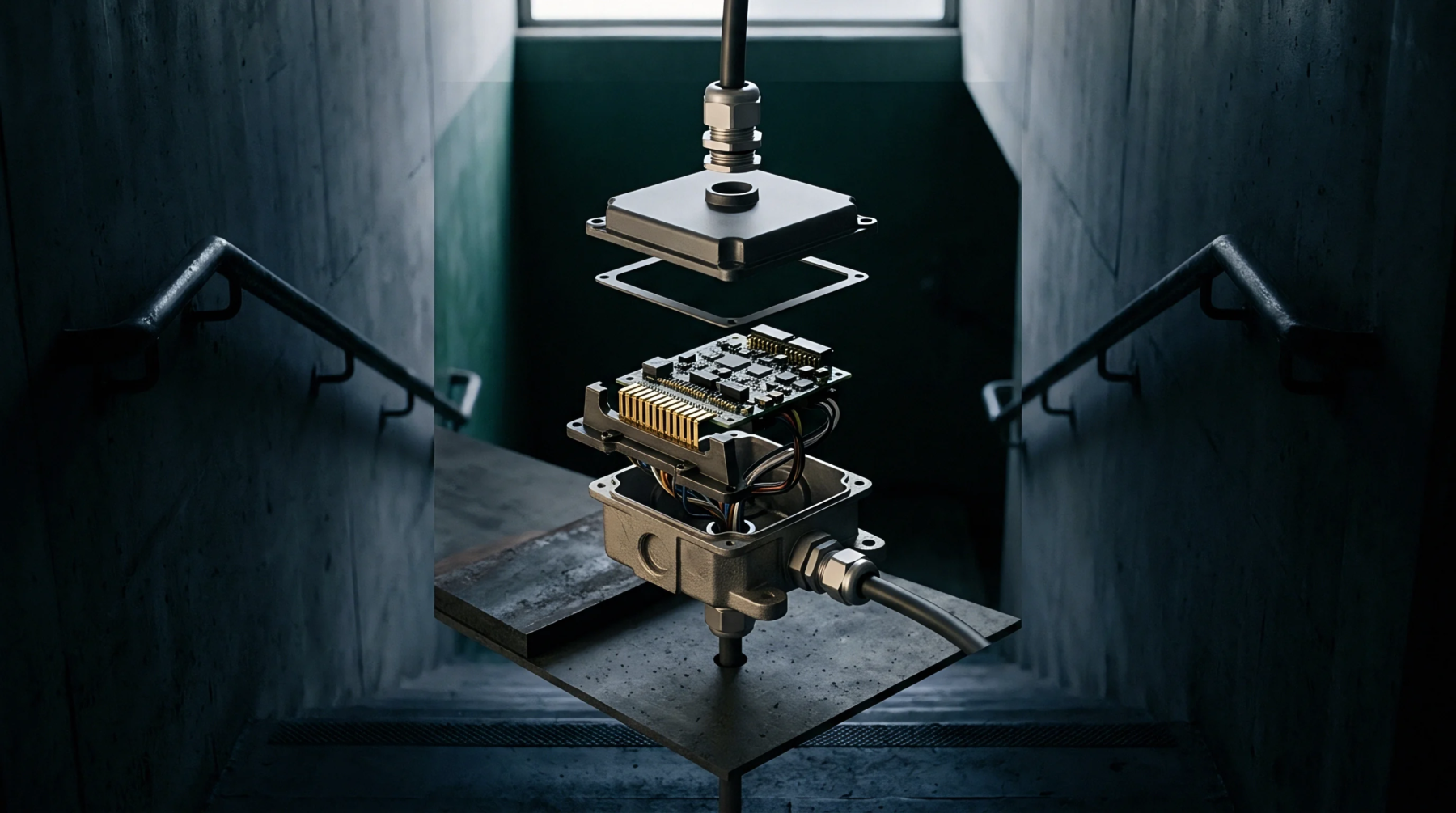
Tightening receiver guardbands to match crystal drift reduces receiver wake time, extending sub-GHz mesh battery life without degrading link reliability.

Sub-zero cellular transmissions demand hybrid capacitor buffering to supply peak currents before primary battery passivation film breakdown occurs.

Extended Coverage repetitions convert transient RF pulses into multi-second draws, requiring hybrid capacitors sized for continuous coulombs, not just peak current.
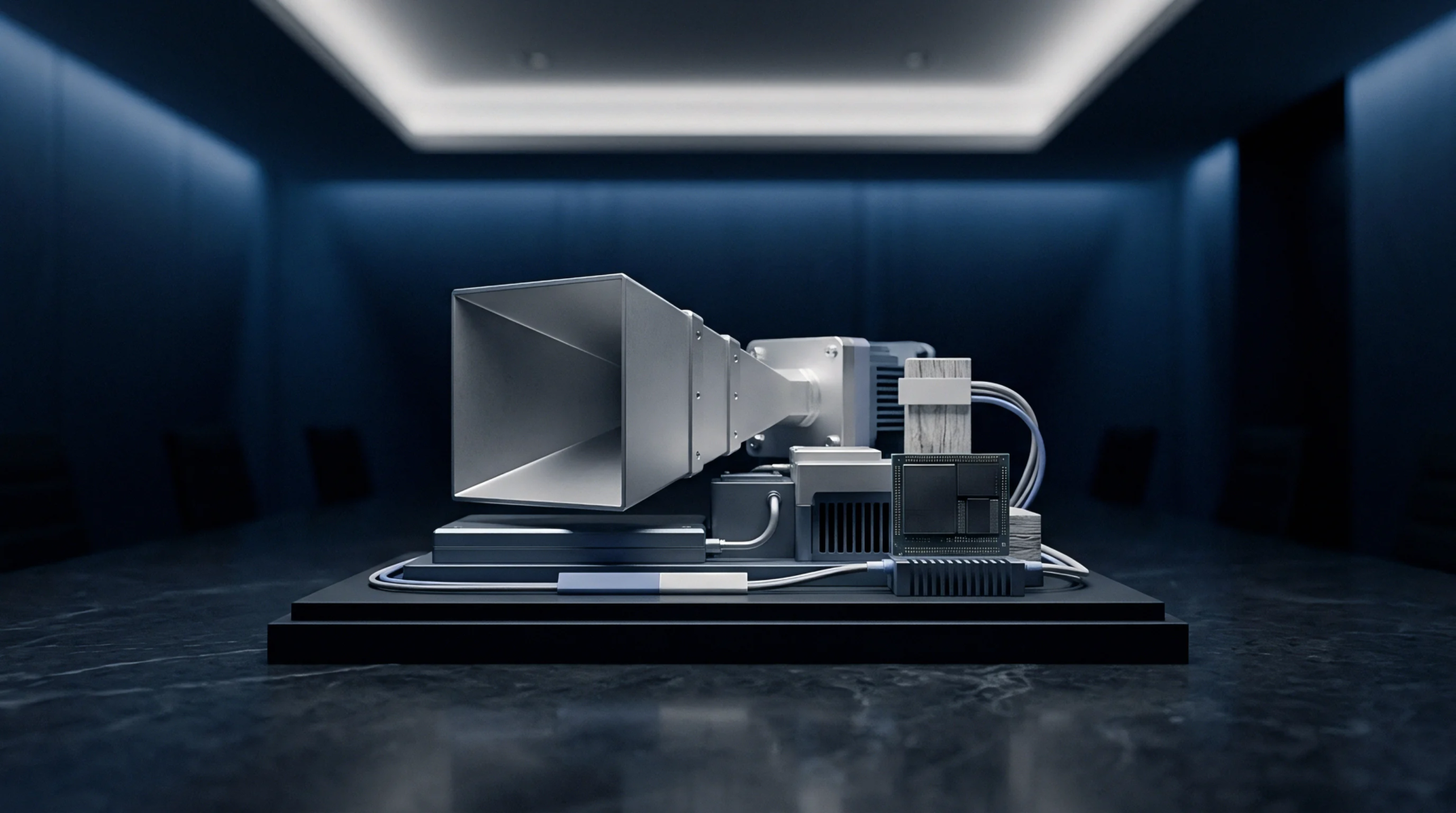
Subterranean soil moisture spikes multiply cellular transmit energy by up to sixty-four times, requiring strict coverage enhancement limits to preserve battery life.

Subterranean radio links require sub-GHz carriers and massive fade margins to overcome decibel-per-meter soil absorption, boundary refraction, and antenna detuning.

Dynamic carrier steering voltage sag is mitigated by specifying pulsed direct-current resistance limits and sizing low-ESR buffers against low-temperature bounds.

Optimizing out-of-coverage timers and depassivation pulses preserves primary lithium battery capacity in roaming transceivers facing prolonged network loss.
Cellular module band scans draw continuous receiver currents that exhaust battery capacity and cause voltage brownouts unless restricted by firmware band masks.
Physical layer repetition airtime in weak coverage must not exceed non-access stratum guard timers, or connection aborts will rapidly deplete battery reserves.
Locking LTE-M band masks and tuning T3324 active timers cuts attachment energy from 450 millicoulombs to under 35 millicoulombs per wake cycle.
Tune eDRX and PSM timers by validating carrier-granted T3324 and T3412 parameters on current probes to balance sleep draw against paging latency.

Cellular IoT power budgets depend on minimizing base station airtime, optimizing deep sleep timers, and managing peak pulse voltage drops under path loss.
Dynamic receiver window sizing balances clock drift guard margins against active listen current to protect battery life without risking packet clipping.
Dynamic thermal gradients cause rapid sleep timer drift in sub-GHz transceivers, requiring adaptive polynomial or pulse-counting calibration to prevent energy-draining receive window expansion.

Dynamic roaming timer restrictions compress cellular power saving intervals, requiring autonomous module detach logic to halt accelerated primary cell depletion.
Thermal budgets over 1000 C destroy polysilicon trap layers in RF SOI, collapsing resistivity to 100 ohm-cm and elevating antenna switch harmonic emissions by 20 dB.

High multipath degrades channel matrix rank, requiring dynamic spatial stream reduction to prevent noise amplification and maintain industrial link throughput.
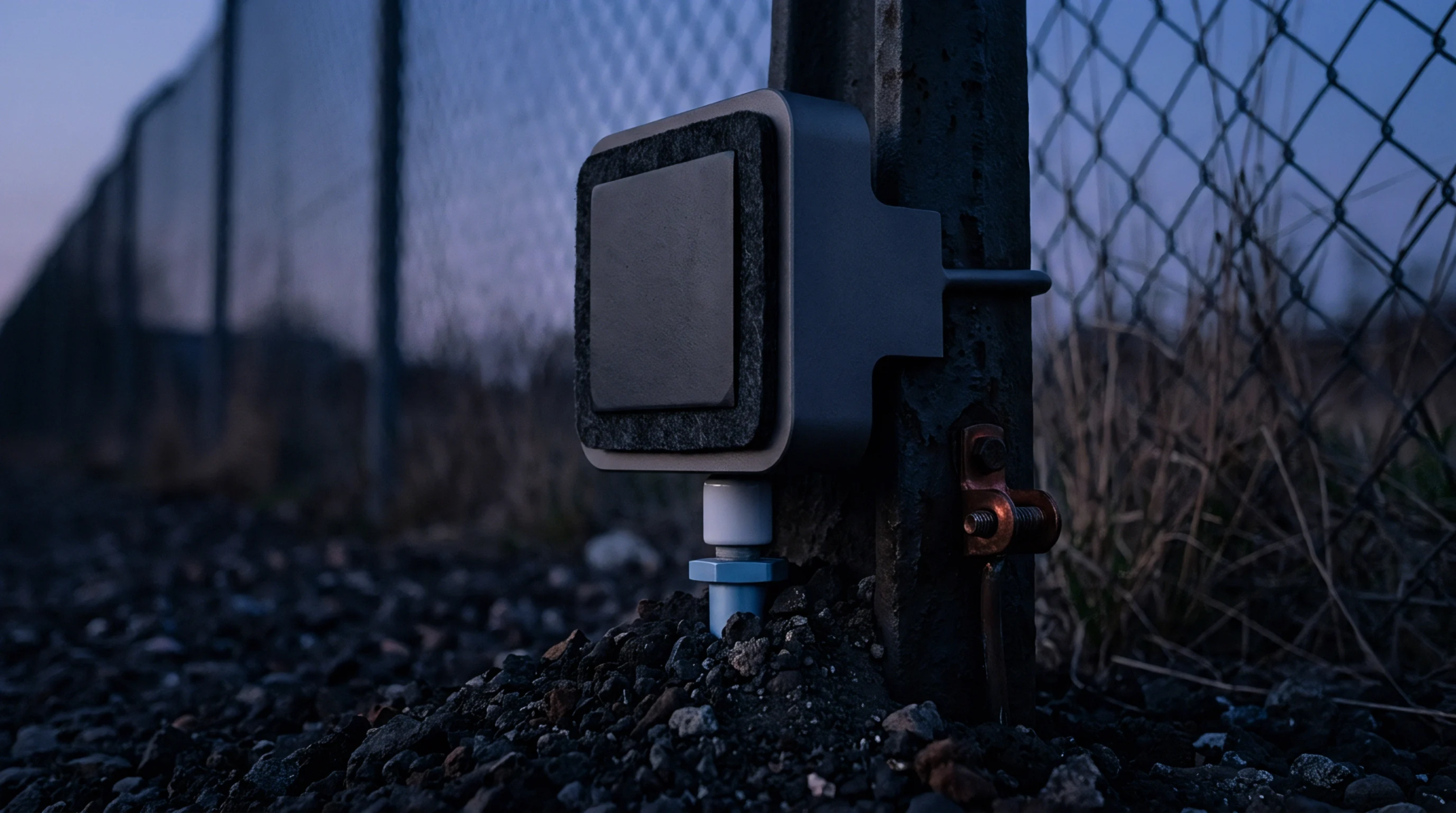
Global eUICC profile steering events consume up to twenty milliampere-hours across multi-minute sessions, requiring hybrid pulse buffering to prevent brownouts.
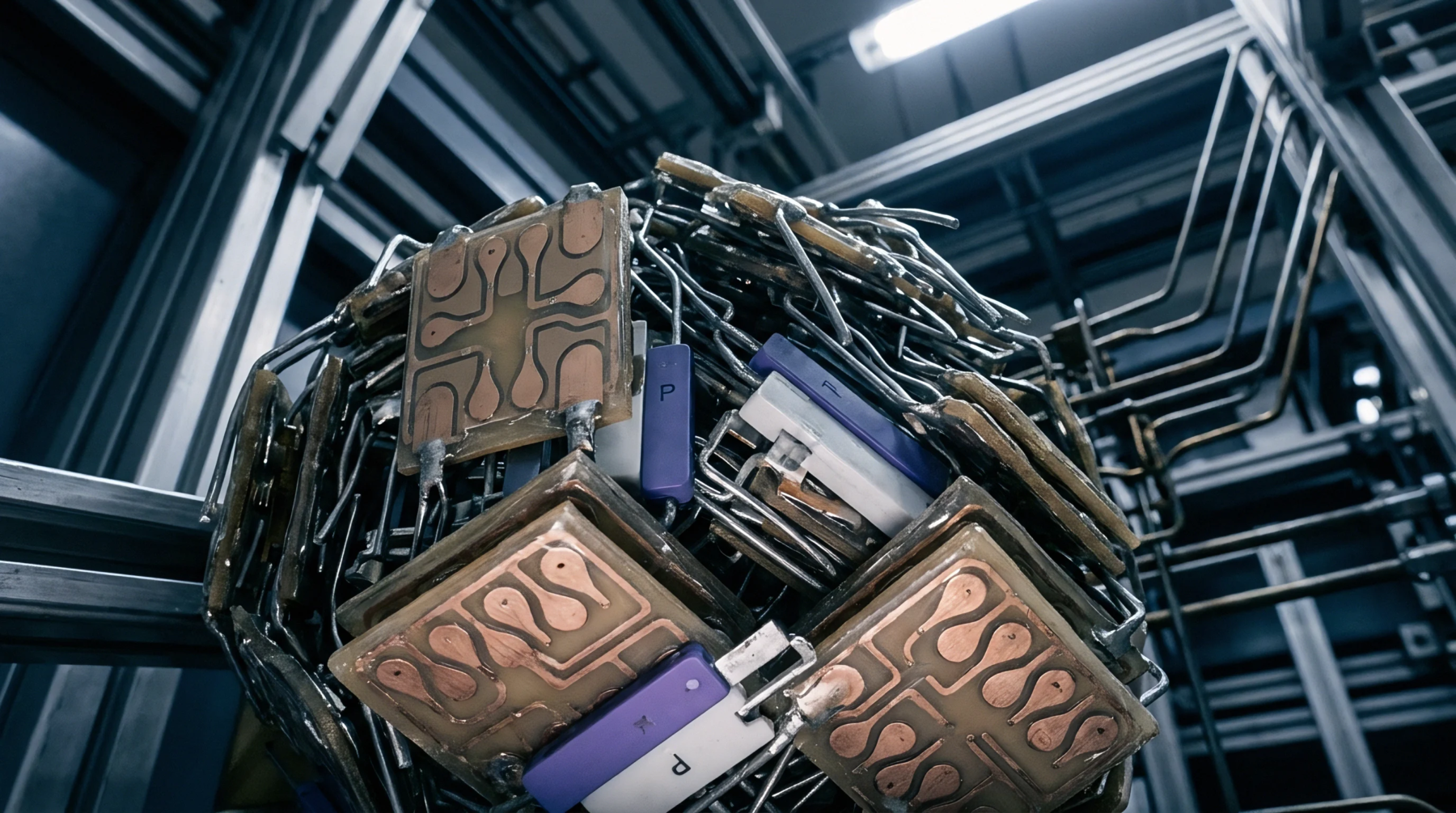
Firmware abstraction layers add measurable flash and latency overhead, requiring strict memory and execution budgets before committing to dual-vendor transceivers.
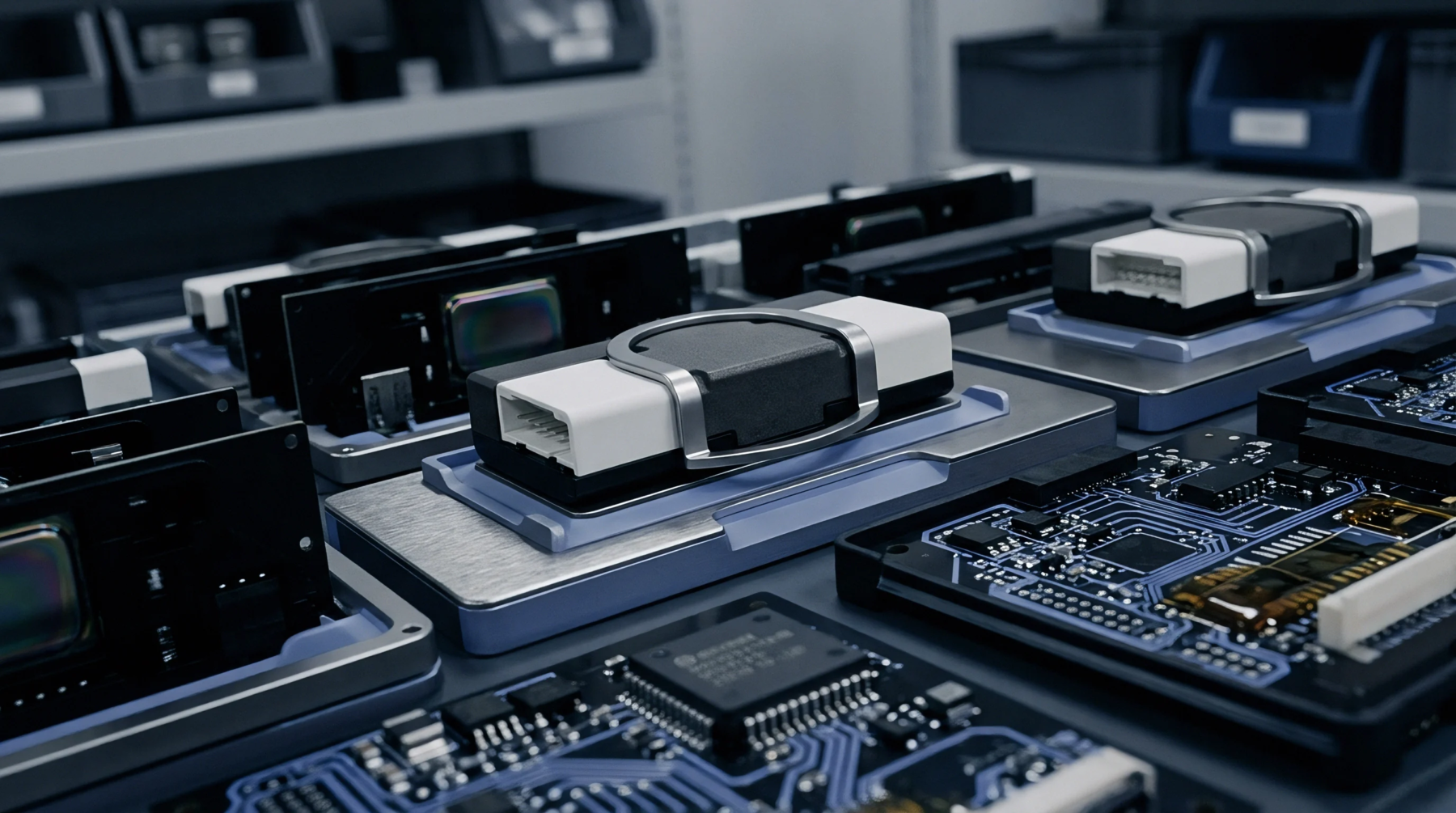
Verify telemetry logs and stabilize tooling mass for seventy-two hours on the metrology bench before conducting acceptance measurements or releasing final payment.
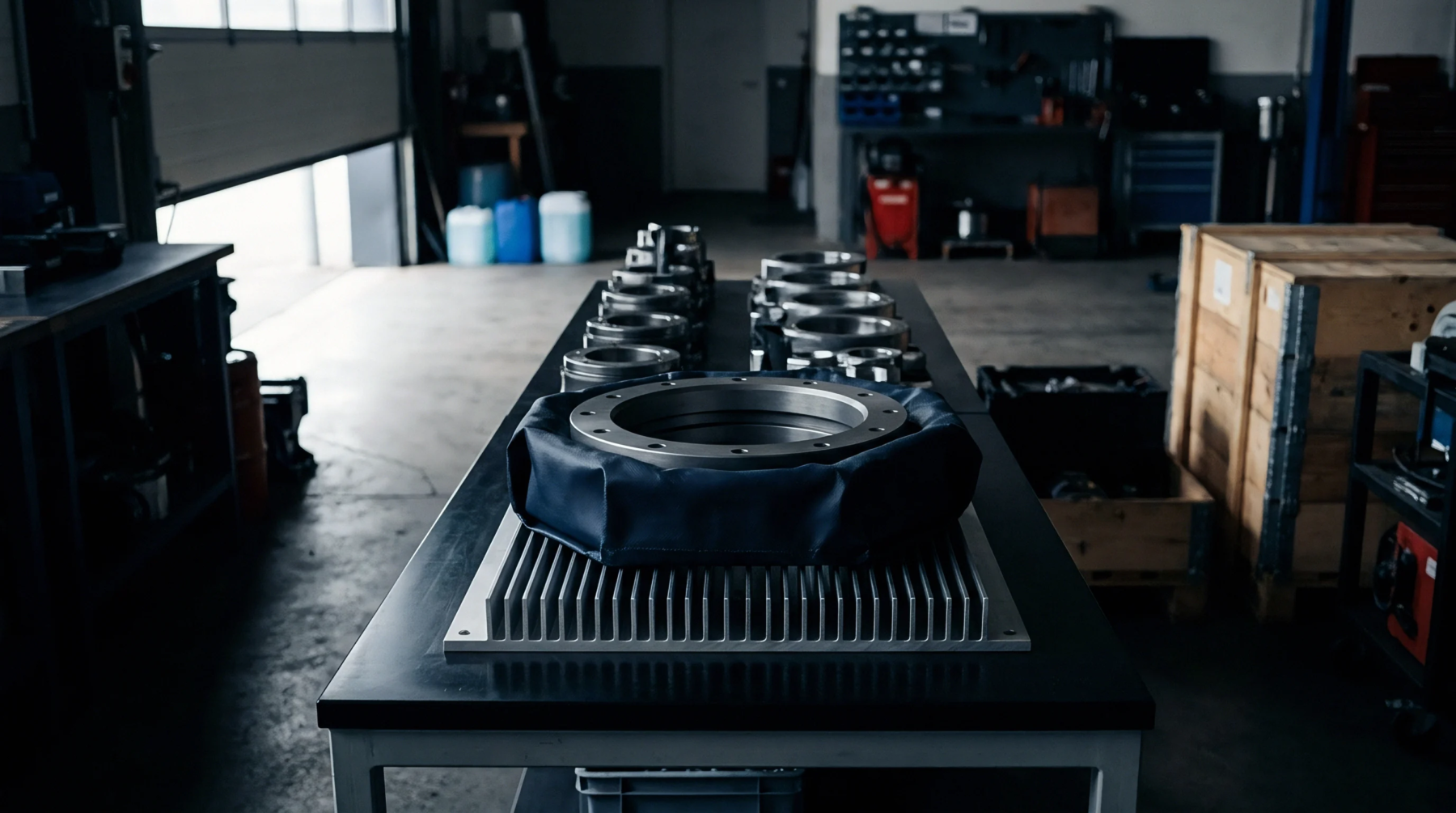
Thermal drift in sub-GHz sleep oscillators forces wider receiver listen windows, multiplying airtime current drain and cutting battery operating lifetime.
Brownout propagation latency allows power rails to collapse during nonvolatile writes, corrupting LoRaWAN frame counters and causing silent backend replay drops.
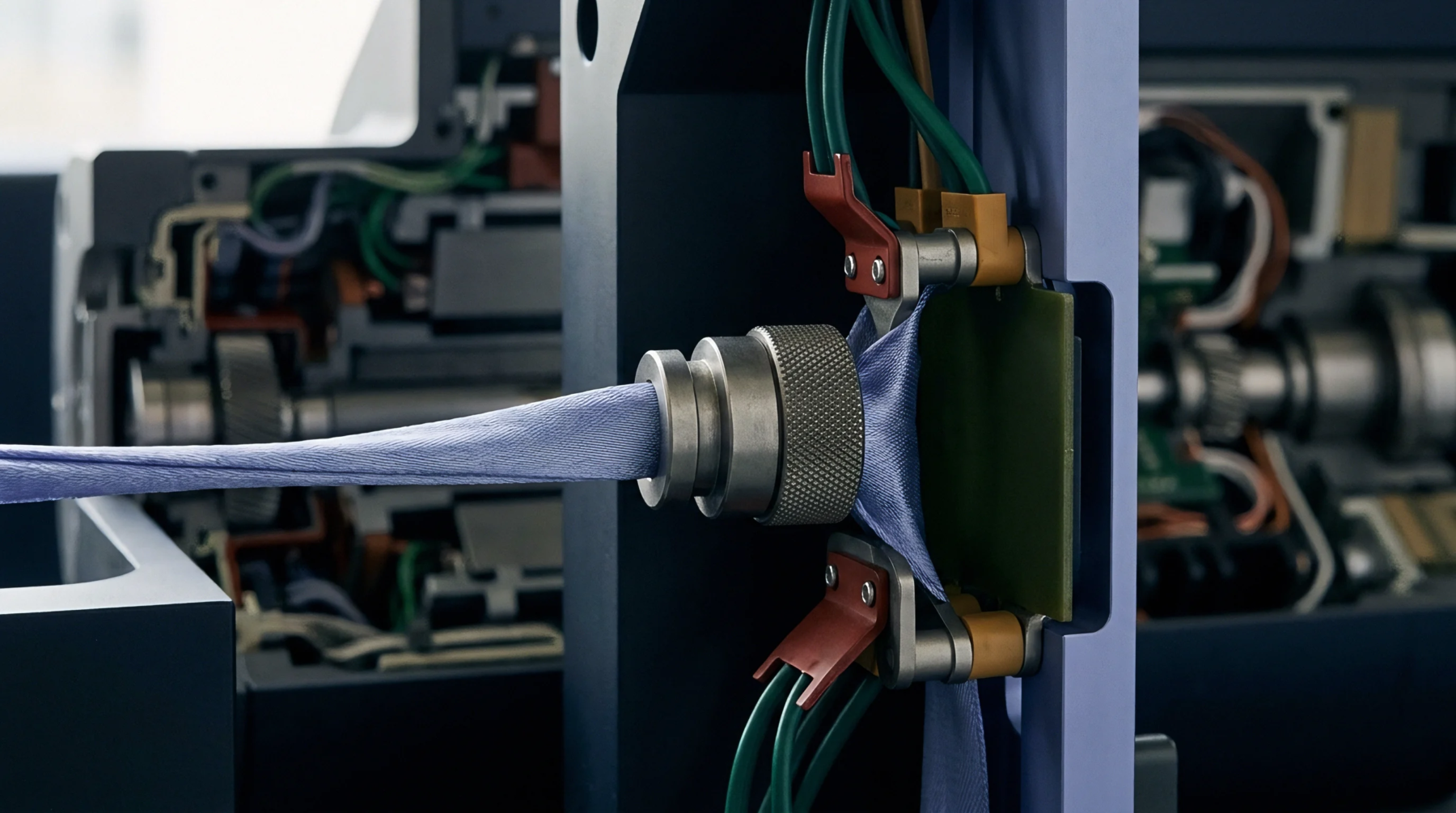
Supercapacitor ESR growth under thermal cycling causes severe pulse voltage sag, triggering transceiver brownout resets unless derated for cold end-of-life limits.

Sizing holdup capacitors demands isolating radio load, tracking peak page write energy to minimum supply rails, and derating ceramic capacitance by half.
Mitigate passivation collapse in sub-GHz transmitters by pairing bobbin LiSOCl2 cells with hybrid layer capacitors or staged firmware depassivation current ramps.
Expertise is a utility, not a secret. sentiention™ publishes its working knowledge as open reference: intelligence layer covering the materials it sources, the markets it enters, and the reference that serves both.