
State Machine Execution for Dual Radio Edge Buffer Offload Mechanics
Finite state machine edge buffer offload balances primary high-speed flush links against secondary fallback radios to preserve energy and guarantee telemetry delivery.
Finite state machine edge buffer offload balances primary high-speed flush links against secondary fallback radios to preserve energy and guarantee telemetry delivery.

Spatial reuse power control trades local transmit power for channel access, risking link collapse if band isolation and modulation fallbacks are uncoordinated.

Dynamic threshold adaptation raises Wi-Fi 6 carrier sense ceilings up to -62 dBm to clear dense airtime, mandating calculated transmit power backoff.
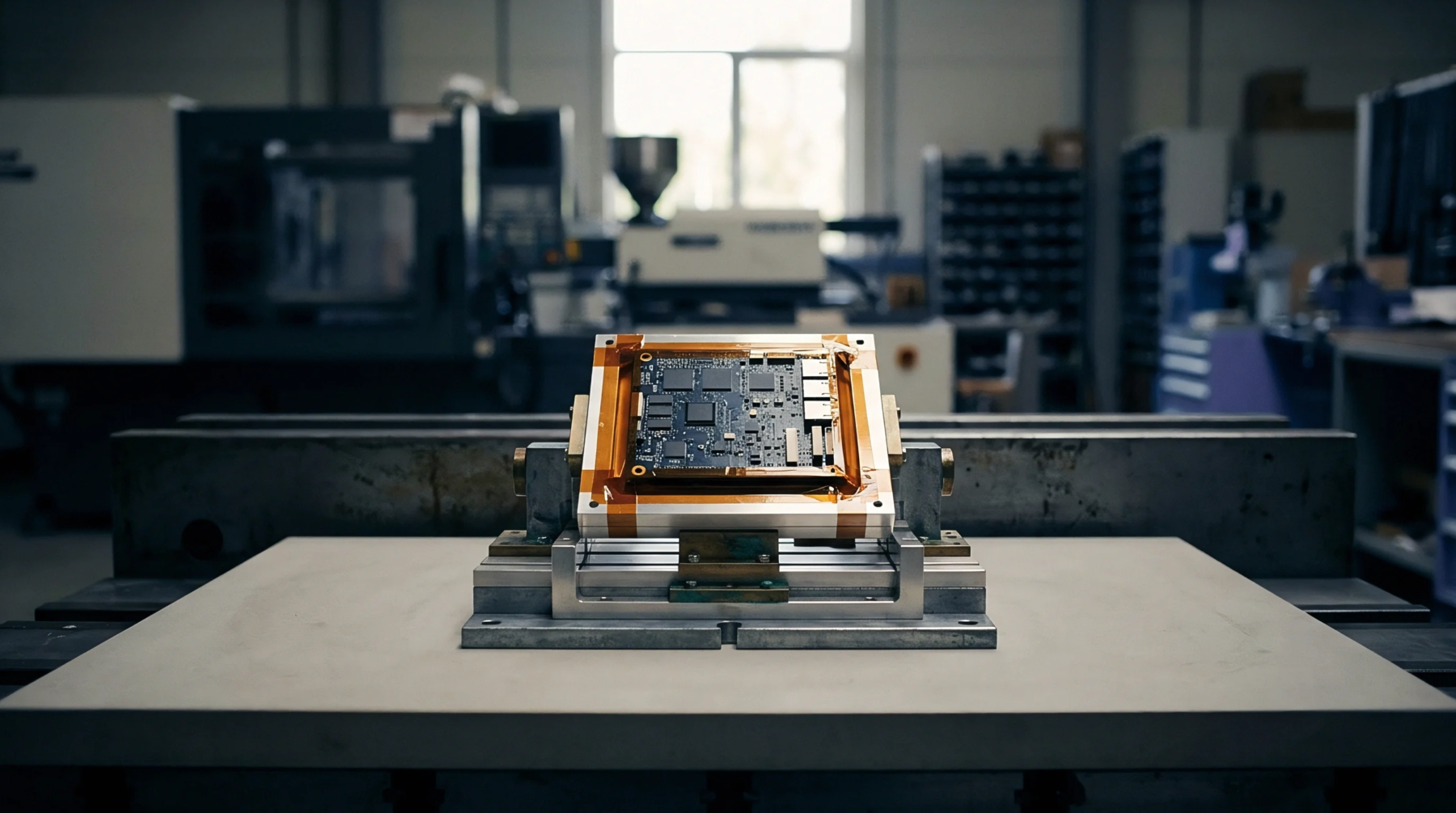
Resolving multi-harmonic common mode coupling demands low-impedance ground stitching, frequency-matched ferrites, and strict layer stackup isolation.

Subterranean radio links require sub-GHz carriers and massive fade margins to overcome decibel-per-meter soil absorption, boundary refraction, and antenna detuning.

Dynamic finite element matrix adaptation compensates non-linear die thermal gradients to maintain RC oscillator frequency stability and prevent packet loss.

Thermal budgets over 1000 C destroy polysilicon trap layers in RF SOI, collapsing resistivity to 100 ohm-cm and elevating antenna switch harmonic emissions by 20 dB.
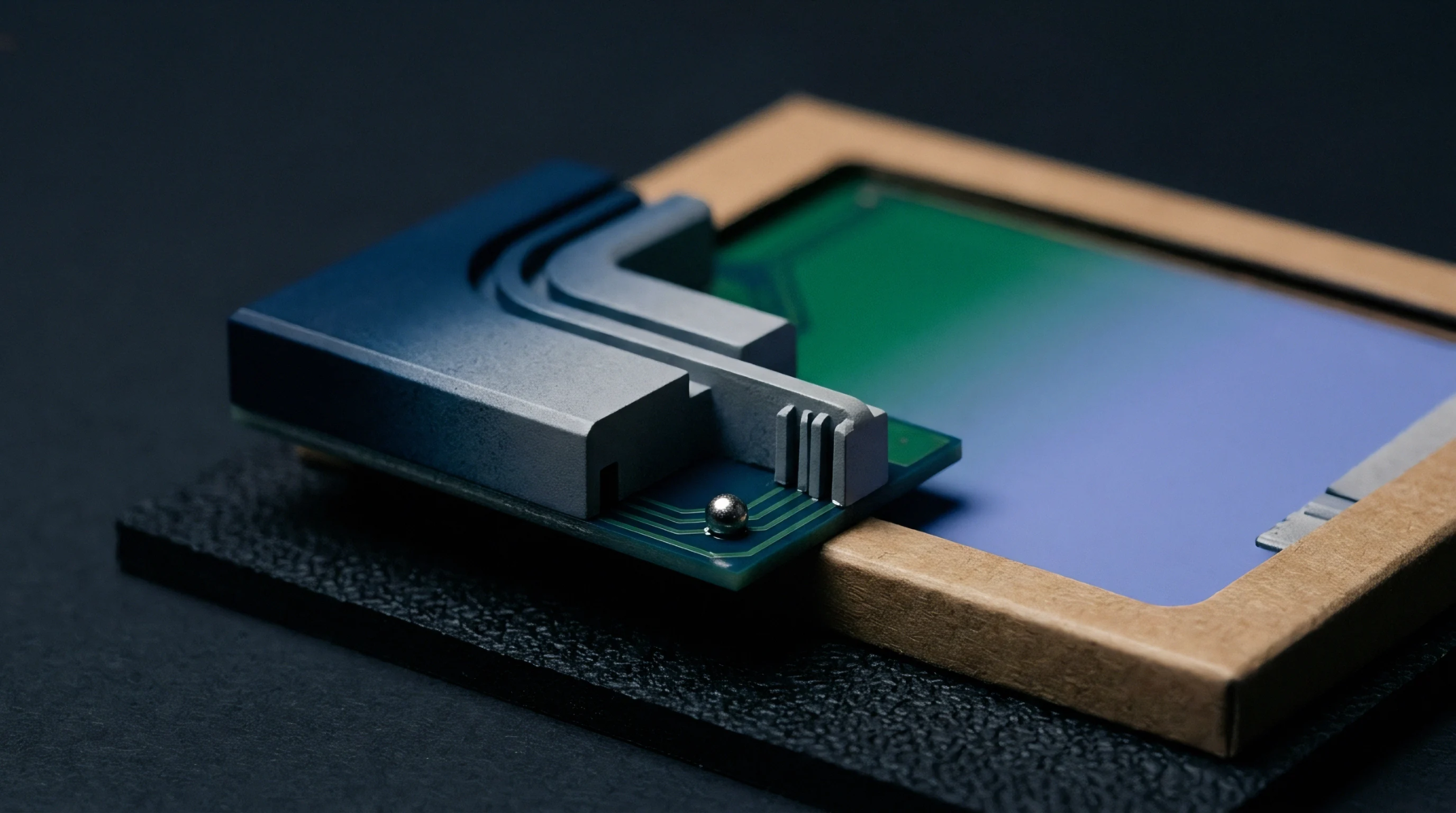
Flash qualification demands multi-temperature step-stress data because activation energy drops from 1.1 eV to 0.4 eV above 85 C.

Sub-GHz receive signals lack the voltage to frit contact tarnish, causing severe insertion loss and packet failure unless gold plating exceeds 0.76 microns.

Supercapacitor ESR growth under thermal cycling causes severe pulse voltage sag, triggering transceiver brownout resets unless derated for cold end-of-life limits.

Primary cell impedance sags during sub-GHz transmit pulses drop rail voltages below transceiver brownout levels unless buffered by hybrid layer capacitors.
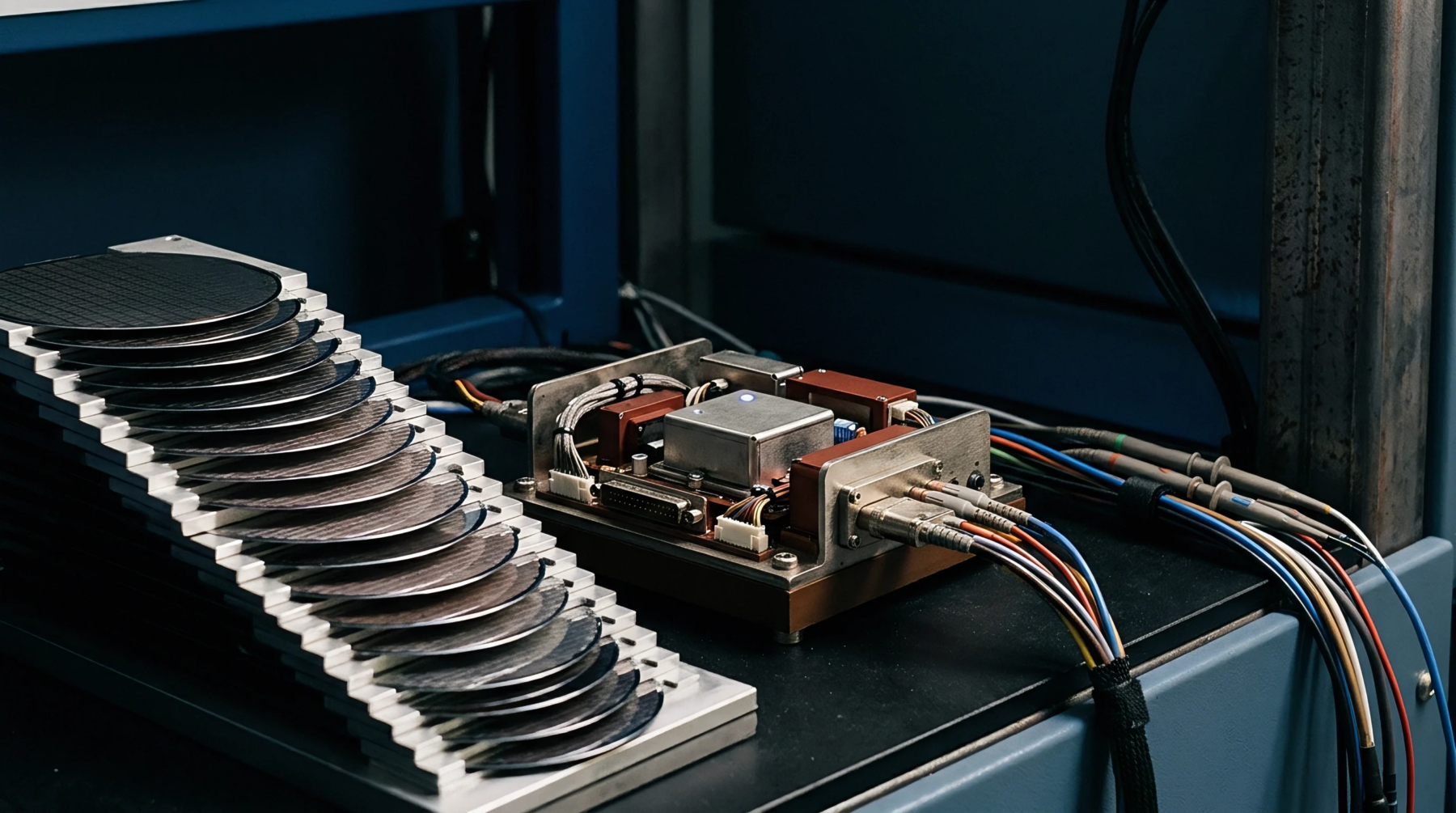
Trap-rich layers eliminate parasitic surface conduction in high-resistivity silicon, suppressing harmonic distortion and insertion loss in RF front-end modules.

Sub-gigahertz duty cycles enforce throughput limits that increase latency, whereas 2.4 GHz bands accept higher co-channel interference for deterministic timing.

Sounding overhead consumes up to 35 percent of channel airtime, requiring strict bench measurement of quantization sizes and coherence decay limits.

Dynamic antenna detuning degrades over-the-air receiver sensitivity through both passive reflection loss and steep low noise amplifier noise figure expansion.

Phase tracked guard windows shrink receiver active listen time to tens of microseconds, cutting wakeup energy by eighty percent.
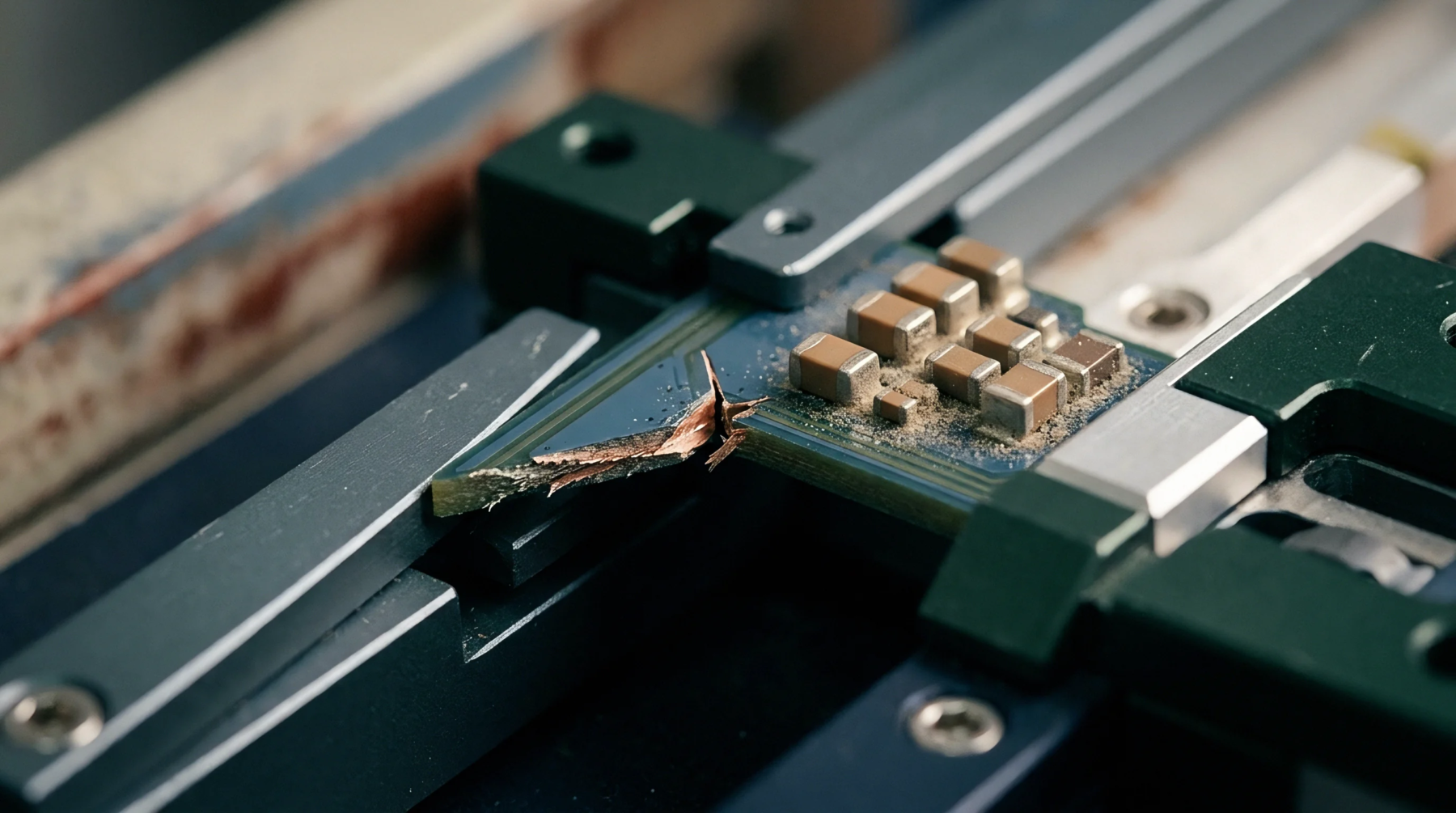
Closed-loop sub-GHz tuners degrade net radiated power unless antenna mismatch loss exceeds the two-decibel threshold of switch and sensor insertion dissipation.

Sub-GHz PA power bursts generate micro-Kelvin crystal thermal gradients that shift carrier frequency, demanding thermal isolation and tight TCXO specification.

Subterranean cellular attachment triggers extreme 3GPP repetition modes that expand signaling duration from milliseconds to seconds, causing massive battery drain.
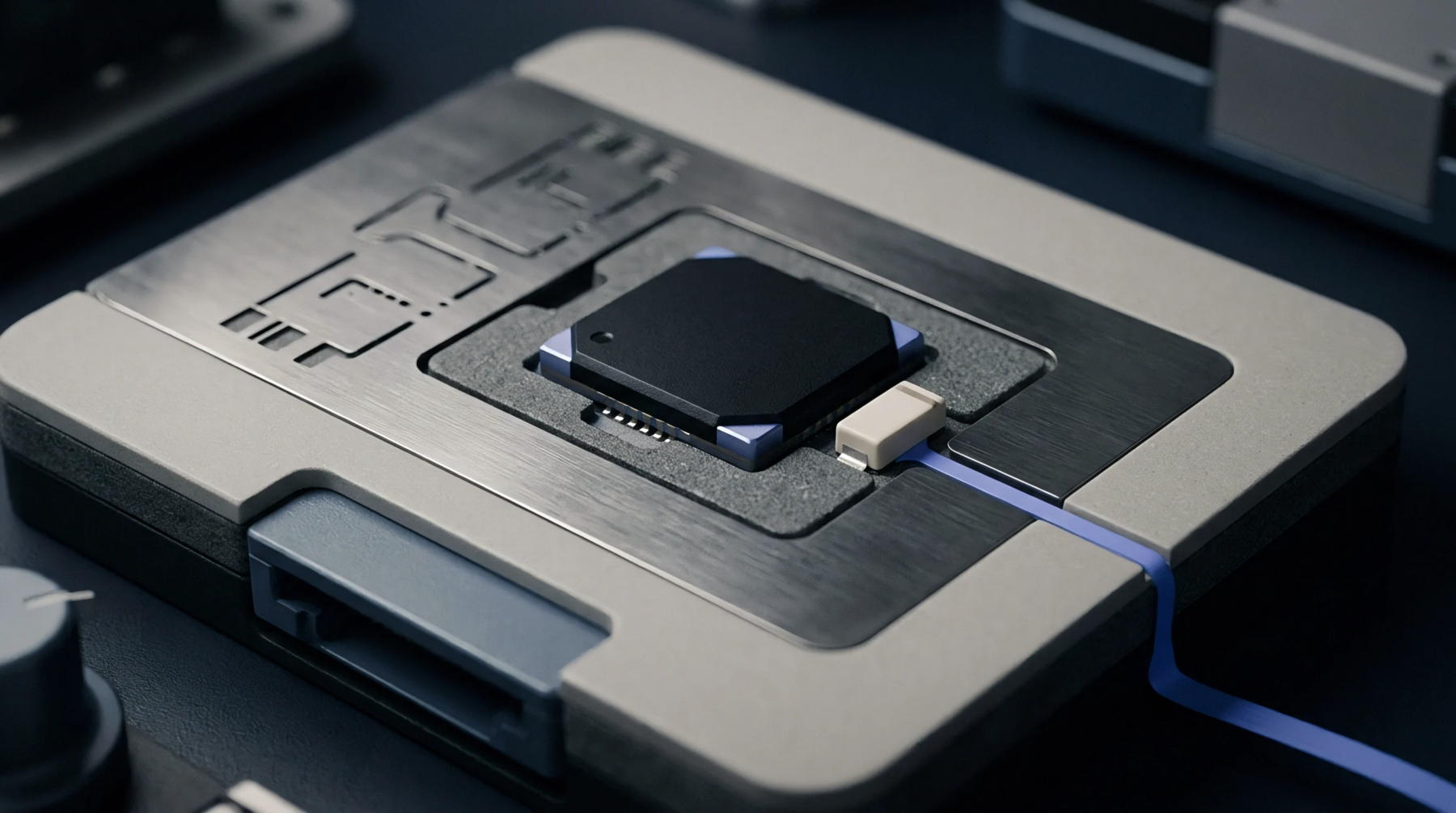
Substrate dielectric degradation reduces RF transceiver link budgets over time, requiring a minimum four-decibel margin allowance during module procurement.
Expertise is a utility, not a secret. sentiention™ publishes its working knowledge as open reference: intelligence layer covering the materials it sources, the markets it enters, and the reference that serves both.