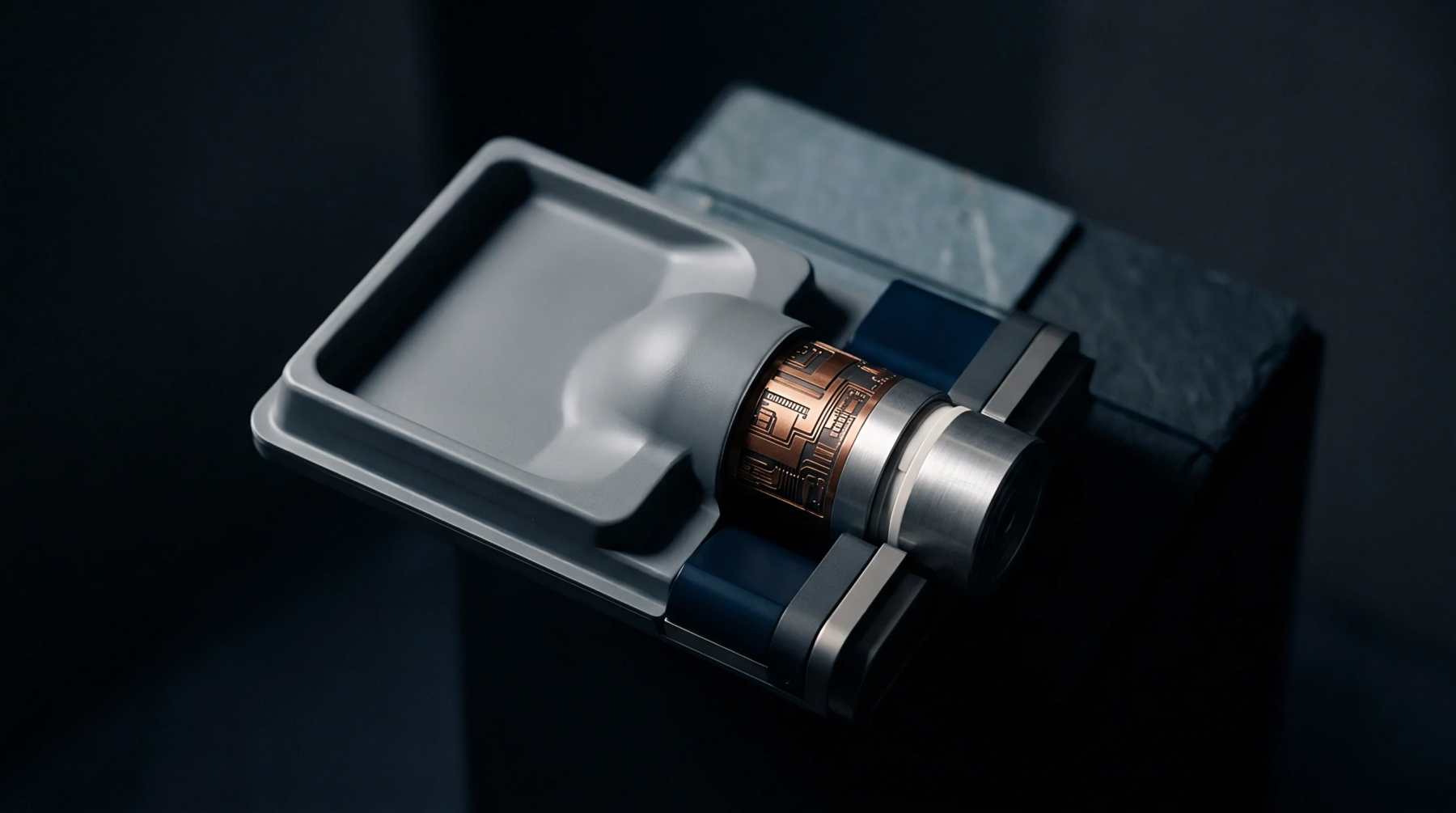
Atomic Layer Deposition Passivation Basics for Quartz Resonator Stability
Sub-nanometer ALD alumina passivation prevents quartz electrode oxidation and surface adsorption, capping decade frequency drift below two parts per million.
Sub-nanometer ALD alumina passivation prevents quartz electrode oxidation and surface adsorption, capping decade frequency drift below two parts per million.

Thermal compensation curve failure stems from quartz aging, solder strain, and thermal gradient tracking lag, widening LPWAN receive windows and draining batteries.
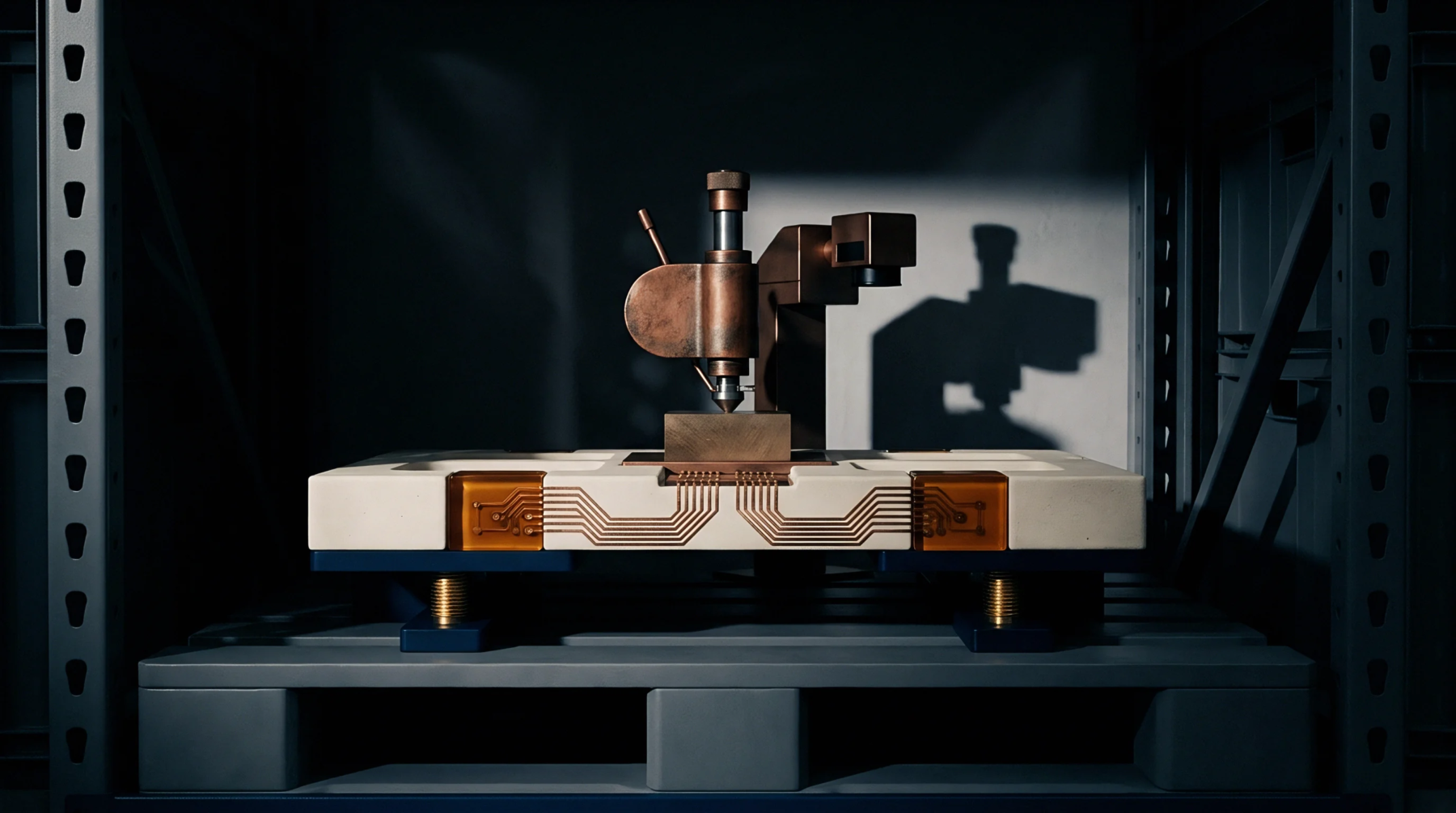
Sub-GHz PA power bursts generate micro-Kelvin crystal thermal gradients that shift carrier frequency, demanding thermal isolation and tight TCXO specification.

Eliminating external crystals reduces hardware costs but expands receiver guard windows, requiring tight thermal calibration loops to protect battery life.
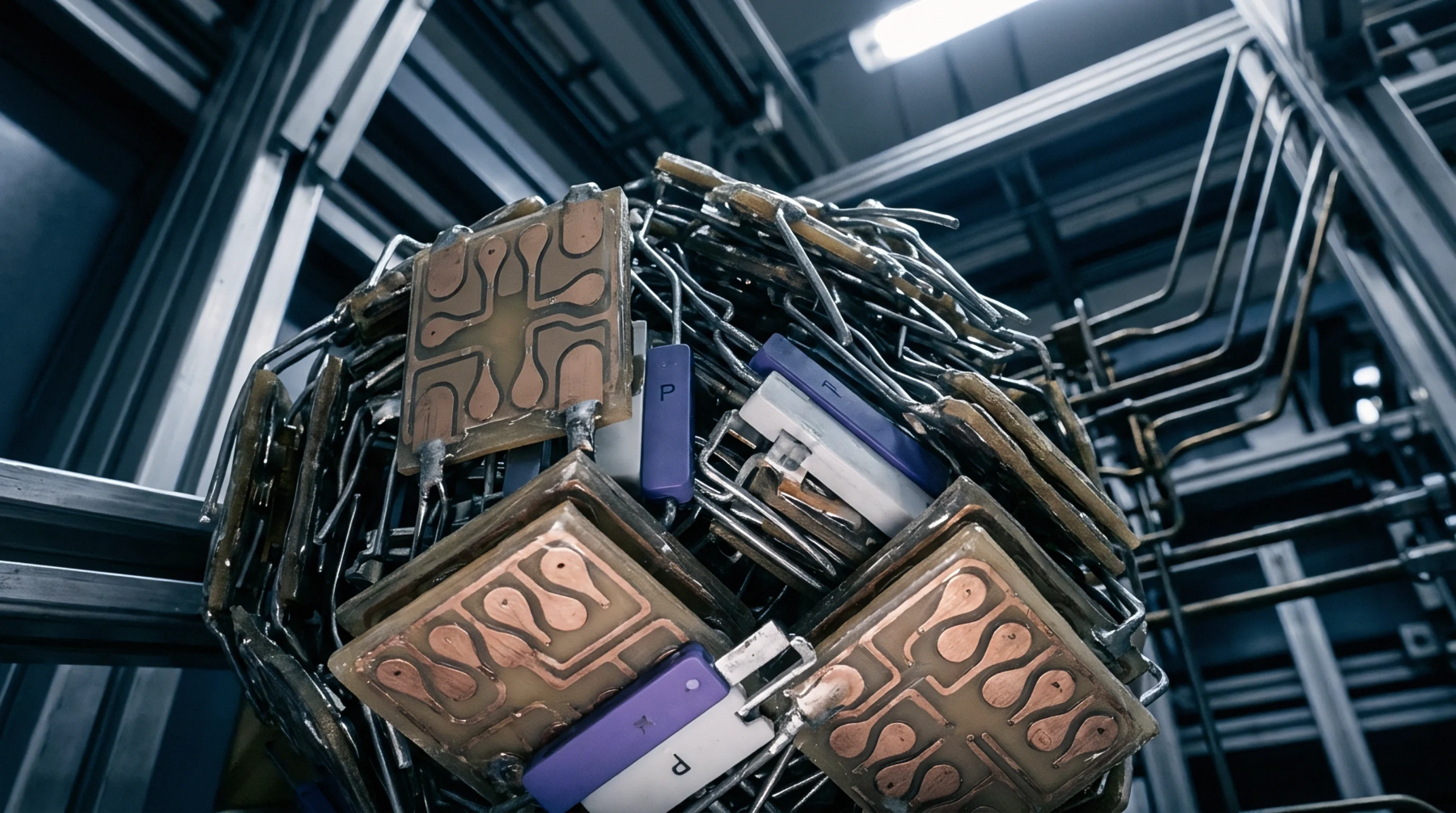
Metal layer changes alter integrated transceiver parasitic reactances, corrupting factory calibration matrices and degrading RF performance without recalibration.
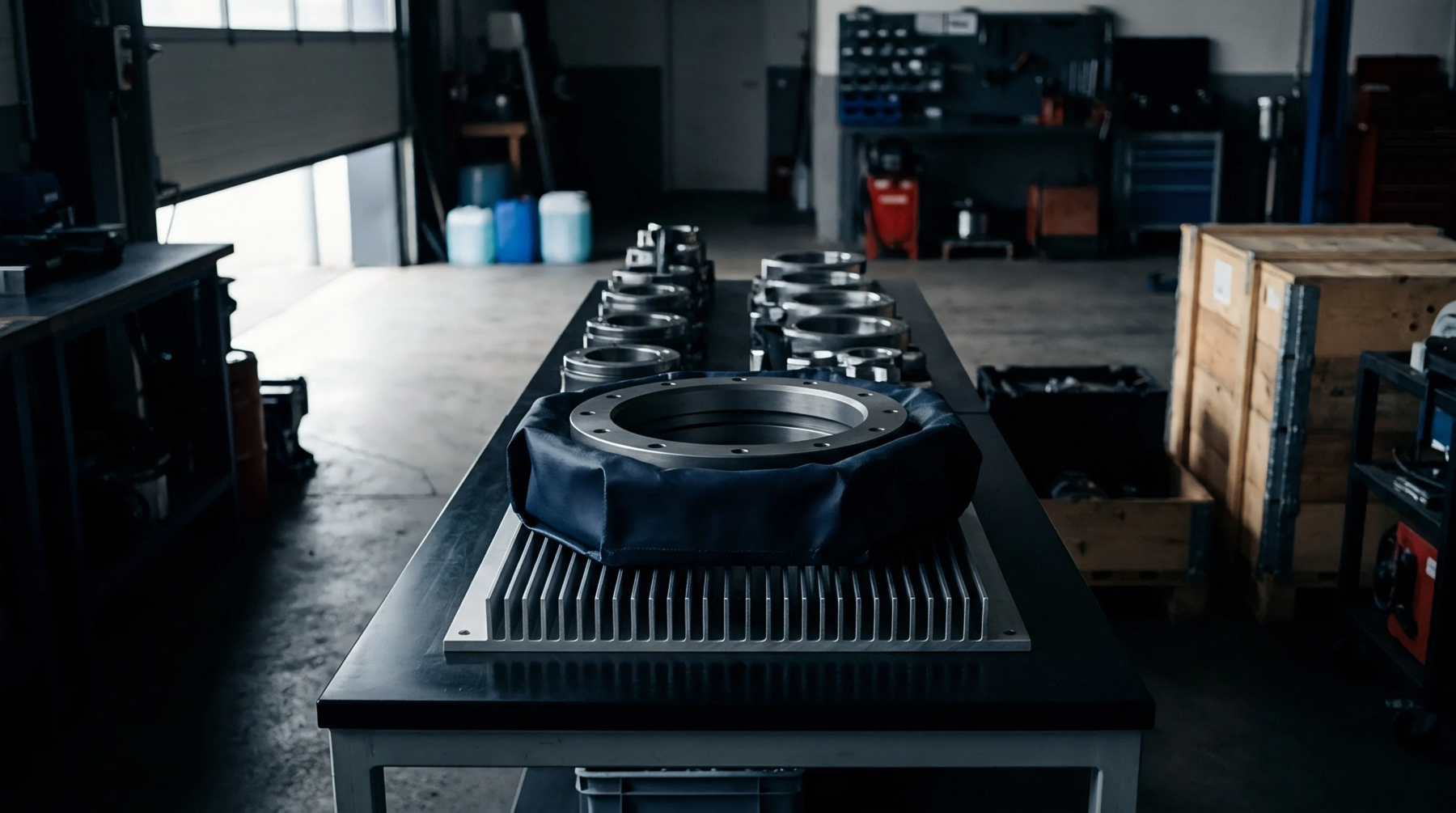
Parametric contract clauses allocate unannounced silicon revision risks by linking physical RF and current draw deltas directly to invoice price reductions.
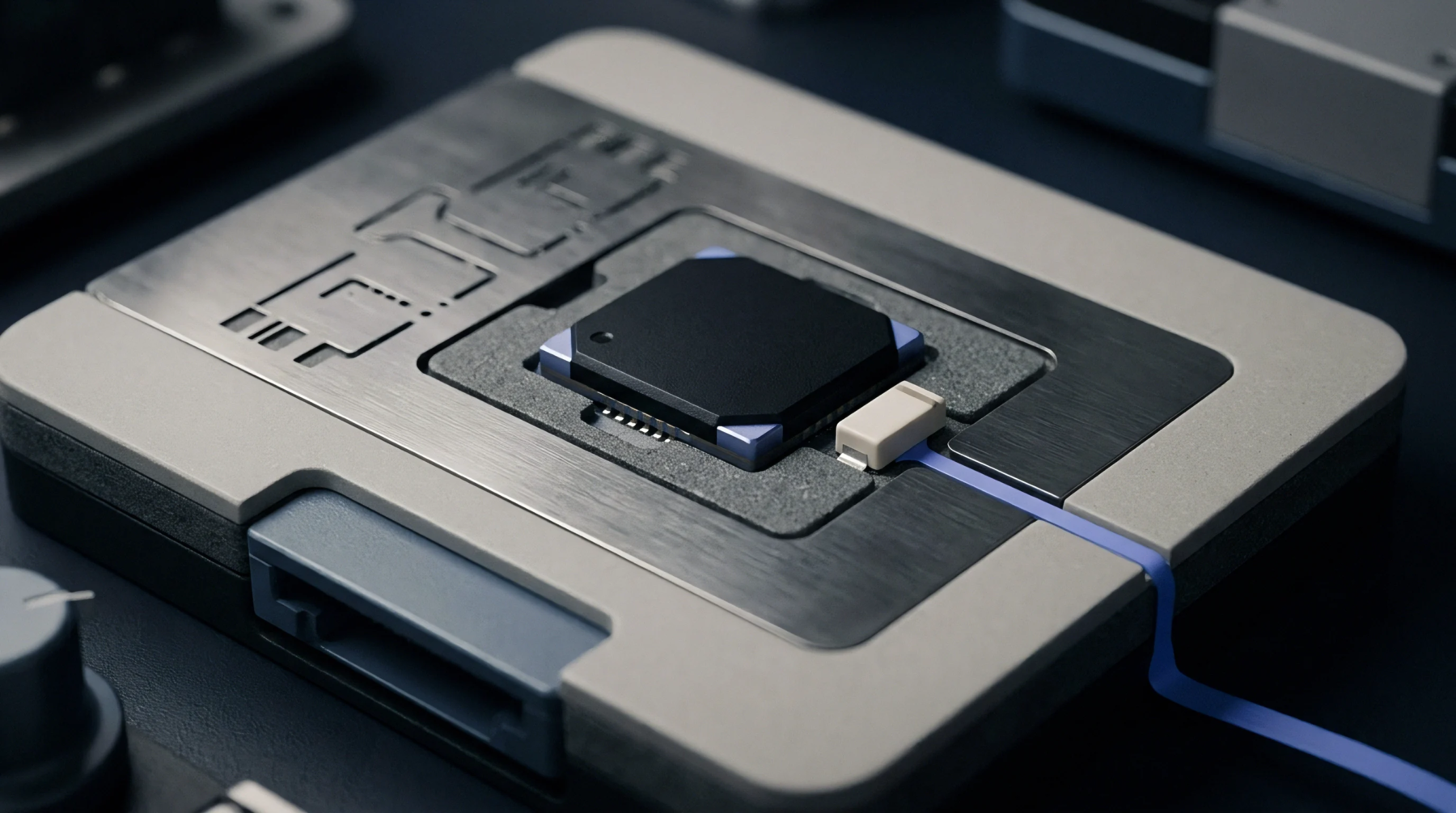
Regional sub-GHz regulatory splits force strict hardware tradeoffs between single wideband BOMs and optimized regional RF front-end variants.

Uncompensated 32.768 kHz outdoor sub-GHz clock drift expands receive guard windows, draining primary batteries and risking channel filter loss under thermal extremes.
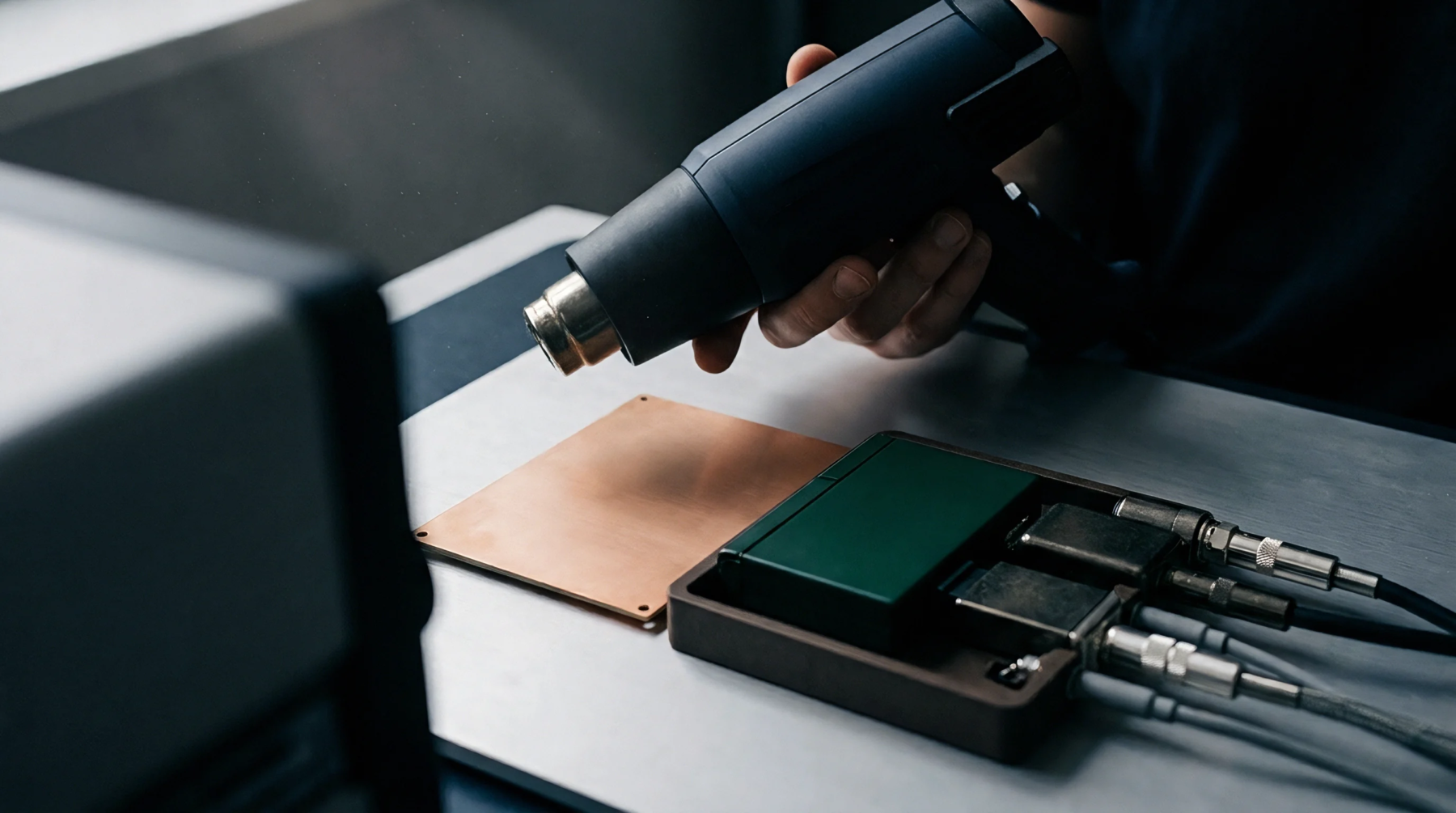
Atomic layer deposition passivation seals sub-GHz crystal blanks against pulse-induced gas desorption, maintaining clock stability and link margin.
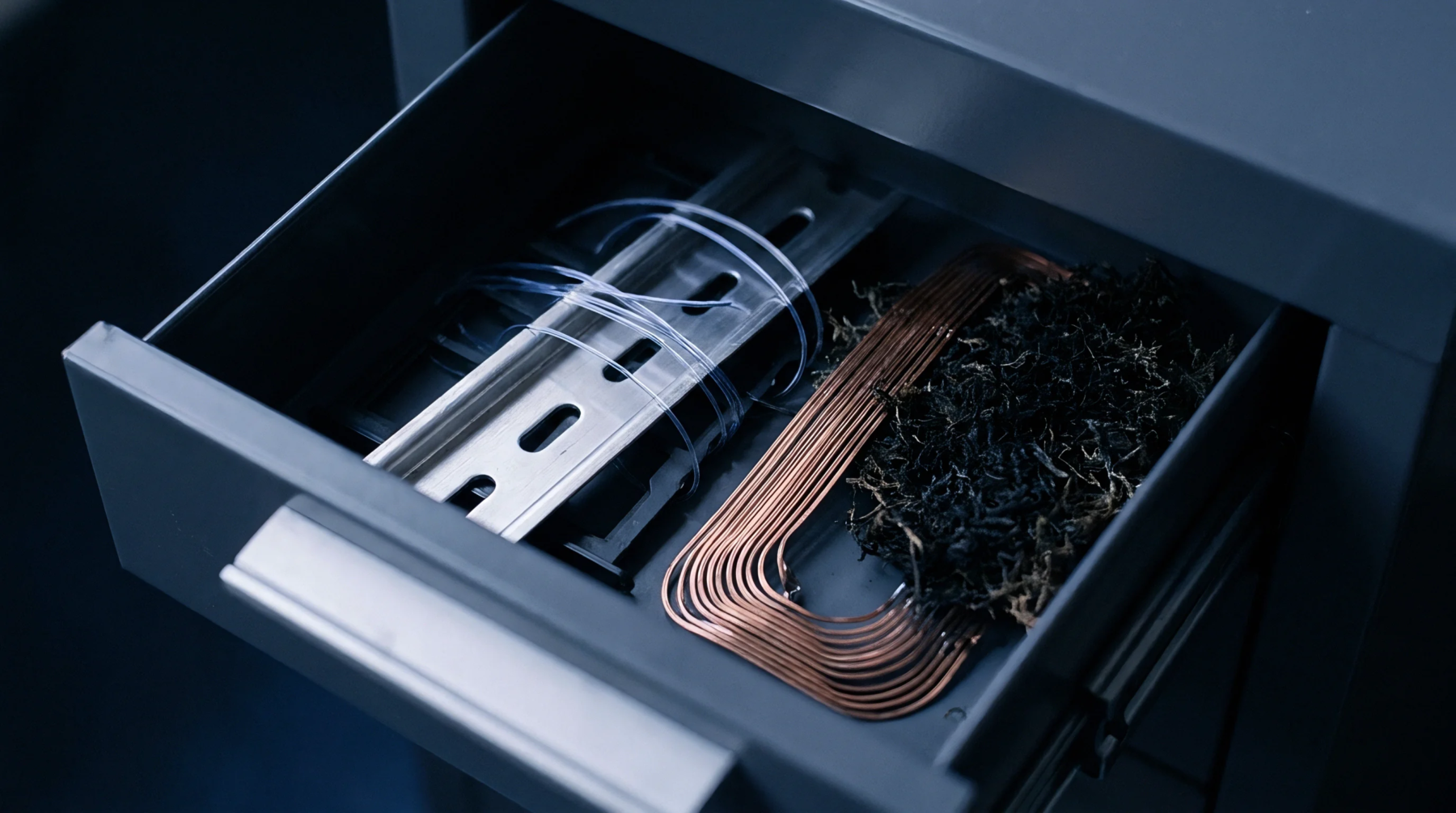
Modular radio approvals cover baseline standalone performance, requiring host radiated spot checks to prevent spurious emission failures upon enclosure integration.
Expertise is a utility, not a secret. sentiention™ publishes its working knowledge as open reference: intelligence layer covering the materials it sources, the markets it enters, and the reference that serves both.