
Evaluating Antenna Impedance Matching and Board Layout Strategies for Embedded Transceivers
Evaluating embedded transceiver matching and layout requires conjugate source matching, coplanar ground stitching, and in-housing impedance tuning.
Evaluating embedded transceiver matching and layout requires conjugate source matching, coplanar ground stitching, and in-housing impedance tuning.

Advanced lithography shrinks lower interface supply voltages and compress driver swing, requiring strict package channel extraction to prevent signal eye closure.

Surface roughness forces high-frequency current through isolated micro-asperities, increasing contact resistance and insertion loss as skin depth shrinks.

Multi-vendor radio module substitutions qualify for Class II Permissive Changes only when pin alignment, output power, and radiated emissions match baseline testing.

Sub-GHz antenna detuning increases transmit current over eighty percent, triggering severe battery voltage droop that demands hybrid capacitor buffering.

Cross site RF test jig attenuation variances demand de-embedded scattering matrices, golden board transfer protocols, and automated thermal drift offsets.

Managing multi-vendor RF design transfers requires native IPC-2581 data structures, synchronized change controls, and standardized ATE test files.

Modular host integration triggers a Class II Permissive Change whenever trace redesigns, antenna swaps, or co-location alter SAR or radiated emissions profile.

Precise W-band dielectric characterization suppresses radome reflection, preventing boresight errors and eliminating costly regulatory recertification cycles.
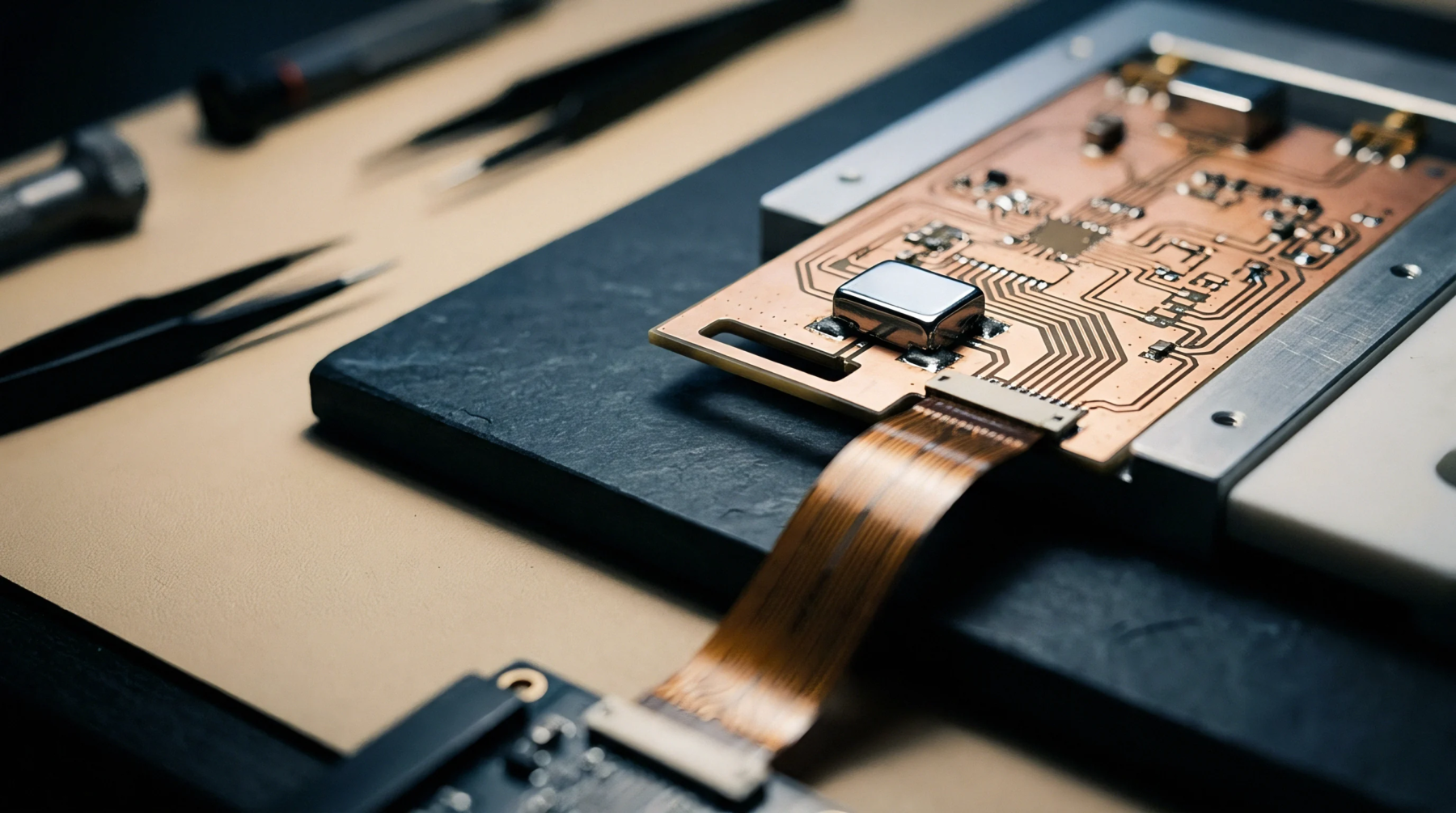
Engineering change thresholds lock Form, Fit, and Function boundaries to prevent unannounced factory alterations from voiding certifications and degrading yields.

Intermediate host integration requires Class II Permissive Changes when antenna gain, trace layout, or RF exposure separation distances change from original grant conditions.
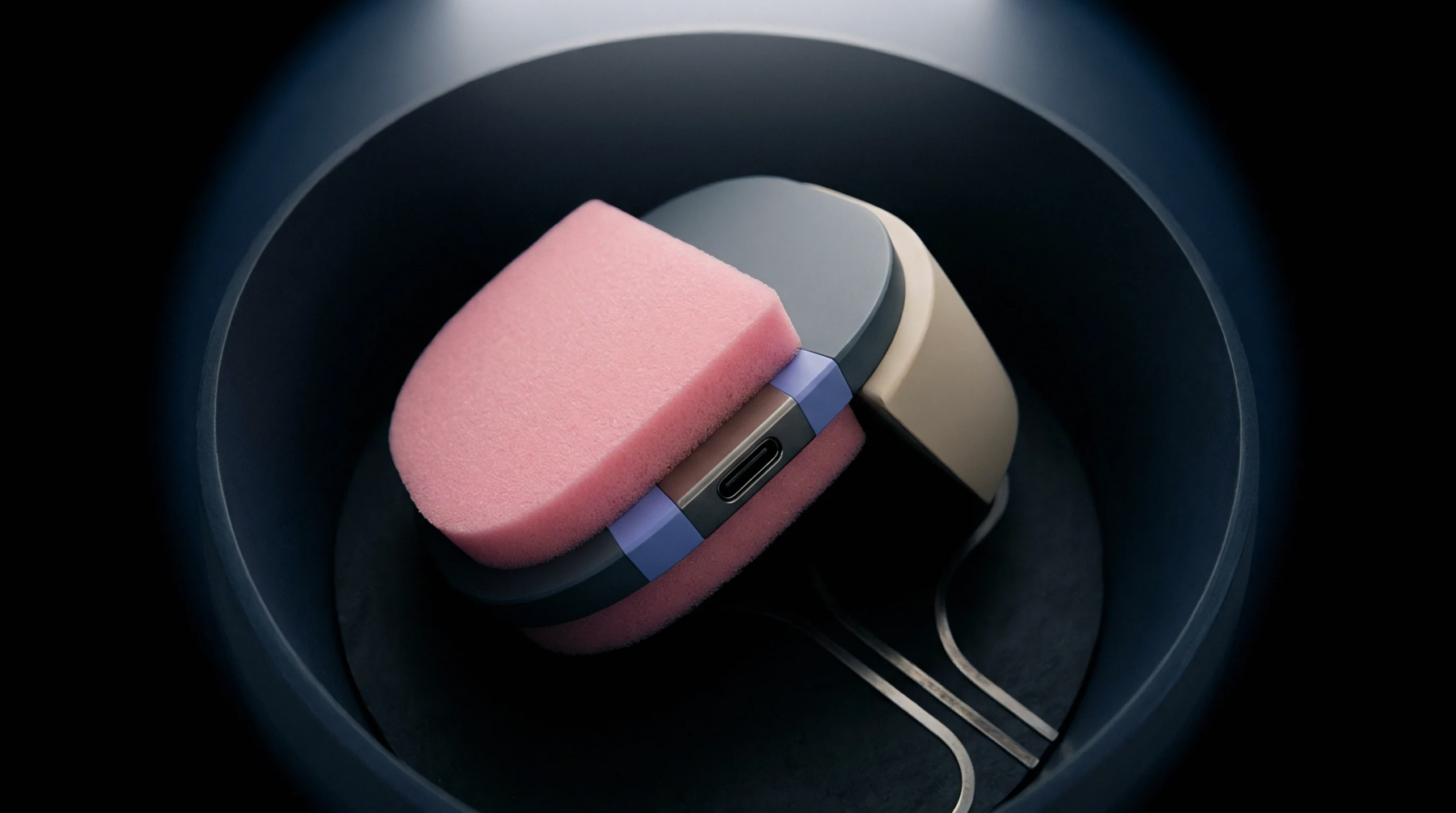
Initial contact resistance degradation in RF test sockets increases insertion loss and alters impedance matching, requiring dry-circuit Kelvin monitoring.
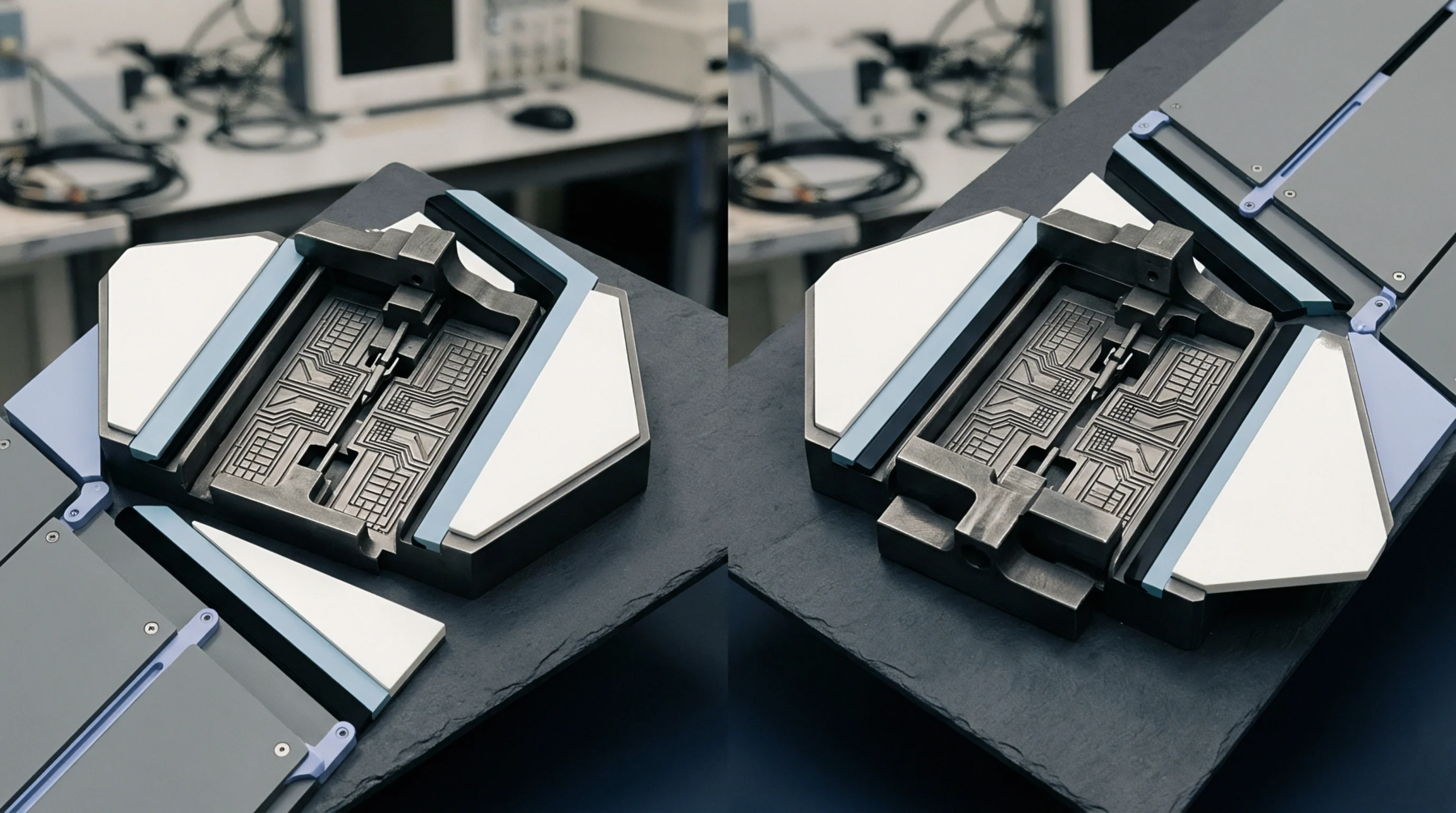
Substrate moisture absorption increases dielectric loss tangent, raising RF interconnect insertion loss and reducing long-term wireless link margins.

Standardizing RF front-end pad layouts allows single-PCB hardware deployments across distinct regional sub-GHz band plans without board respins.

Early co-simulation of enclosure dielectric loading and counterpoise geometry prevents costly mold tooling revisions and regulatory recertification delays.
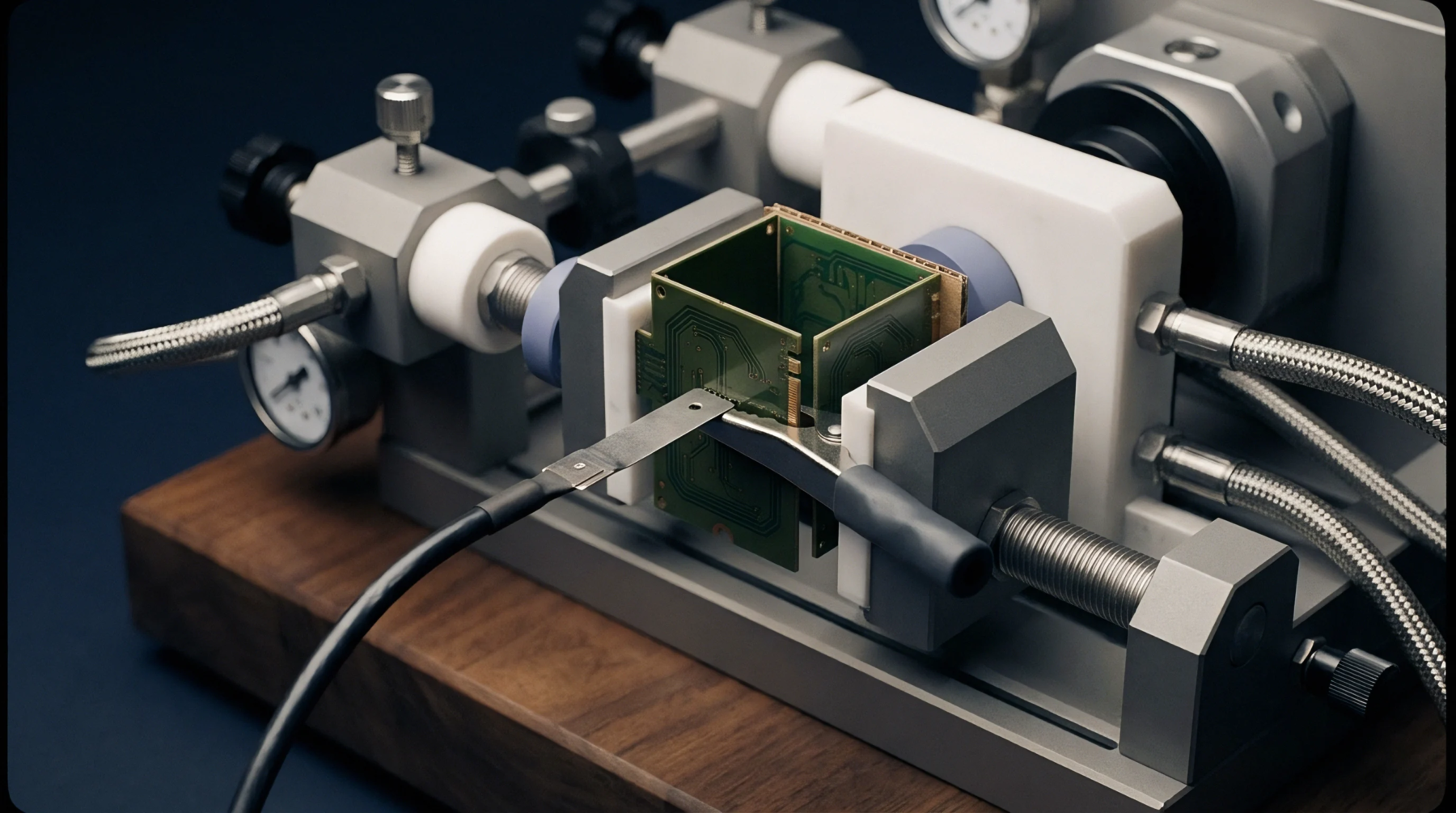
Contractual allocation of RF redesign costs requires an Interface Control Document stackup baseline, binding change orders, and tiered liability thresholds.

Antenna detuning alters PA load impedance, degrading efficiency and thermal headroom across wideband transceivers during high-VSWR operational shifts.
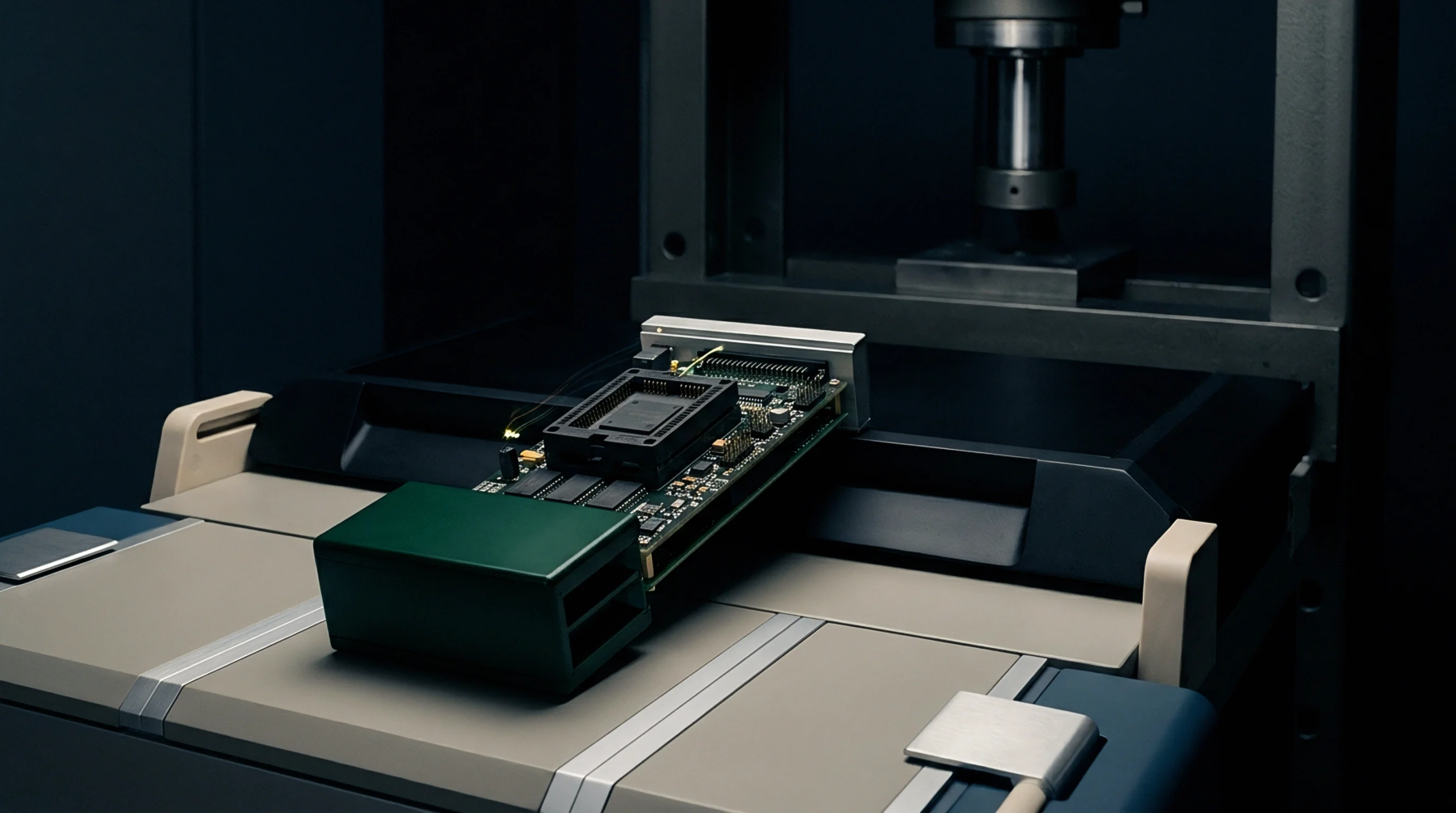
Mechanical preload across socket micro asperities defines insertion loss stability and constriction resistance in millimeter wave automated device testing.

Dynamic array field reconstruction must dynamically compensate for near field dielectric detuning to preserve link margin while verifying spatial exposure compliance.

Adding potting compound to an unpotted RF module demands Class II permissive change re-testing if dielectric loading increases radiated spurious emissions.

Dynamic impedance matching mitigates RF power amplifier reflection losses, preserving battery voltage stability and operational lifespan in wideband radios.

Modem attach power scaling depends on coverage enhancement levels and raster pruning, where degraded signal paths elevate registration energy from 0.68 to 14.2 joules.
Modular radio approvals transfer strict radiated compliance obligations to host builders, requiring rigorous change classification and trace stackup control.

Potting encapsulation shifts multi-band antenna resonance via dielectric loading, requiring precise trace tuning and Class II Permissive Change filings.

Schematic netlists define logical connections, but copying vendor reference designs without matching physical PCB substrate stackup and trace geometries destroys RF performance and causes immediate electromagnetic compliance failures.
Unlicensed commercial radio access requires precise chamber testing, strict host integration boundaries, and regional type approval filings to prevent customs rejections.

High actuation frequency RF test sockets experience contact resistance instability through micro-fretting and oxide growth, corrupting signal integrity and yield.
Turnkey module scope contracts must explicitly mandate native CAD schematic delivery, environmental verification limits, and test log escrow gates before initial deposits transfer.

Sourcing ready modules minimizes upfront NRE and regulatory risk for mid-volume hardware, while custom discrete designs optimize unit landed cost at scale.
Stripping test fixture phase delay and magnitude loss from raw vector network analyzer measurements ensures true S-parameter extraction.
Expertise is a utility, not a secret. sentiention™ publishes its working knowledge as open reference: intelligence layer covering the materials it sources, the markets it enters, and the reference that serves both.