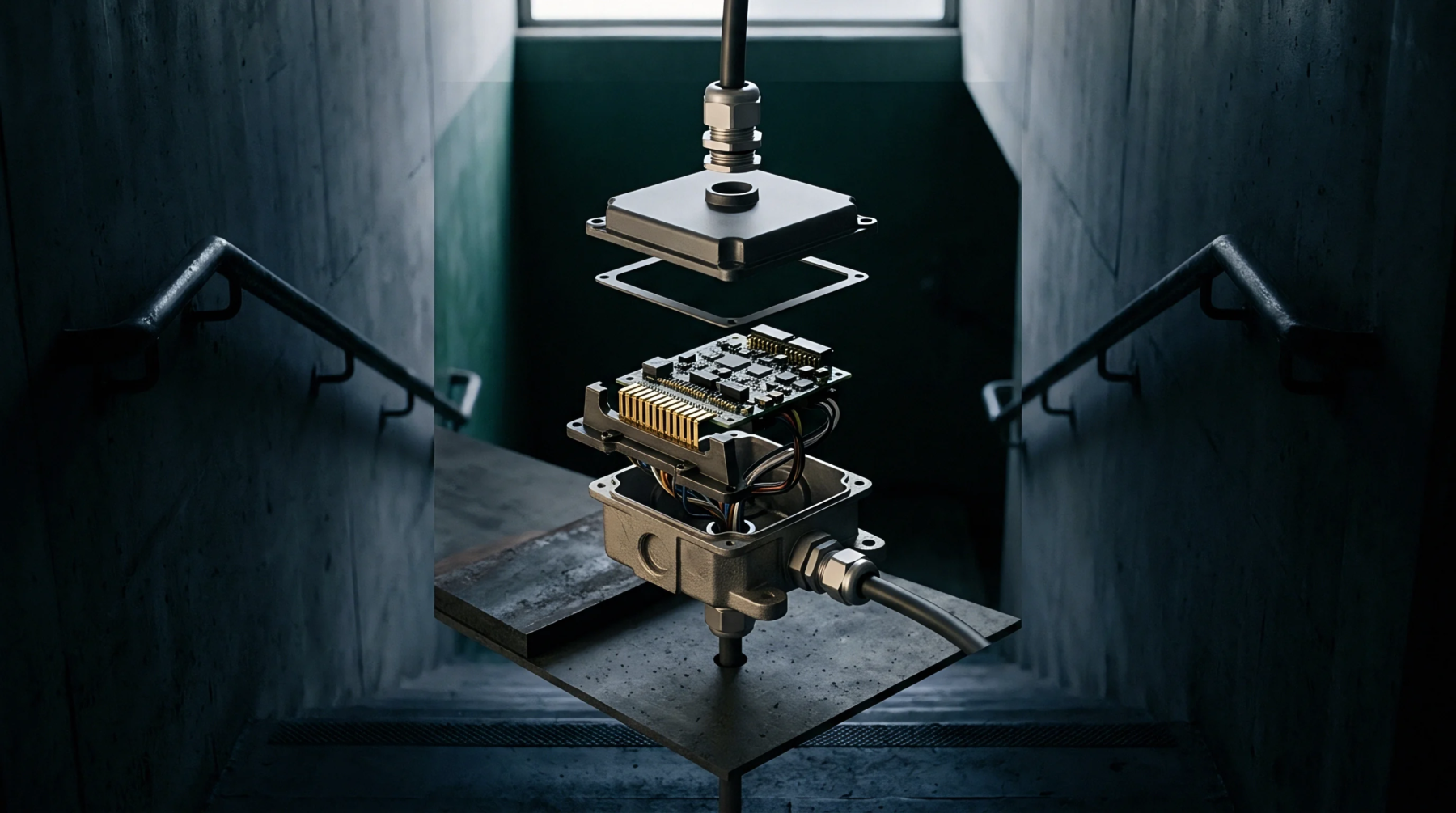
Sub-GHz Frequency Allocation Mapping and Transceiver Matching Principles
Sub-GHz range depends on matching transceiver front-ends to complex load impedances while satisfying regional power, duty-cycle, and harmonic rules.
Sub-GHz range depends on matching transceiver front-ends to complex load impedances while satisfying regional power, duty-cycle, and harmonic rules.
Enclosure plastics lower antenna resonance via dielectric loading, degrading impedance matching and radiation efficiency unless tuned inside the final housing.
Evaluating embedded transceiver matching and layout requires conjugate source matching, coplanar ground stitching, and in-housing impedance tuning.
Metal layer changes alter integrated transceiver parasitic reactances, corrupting factory calibration matrices and degrading RF performance without recalibration.
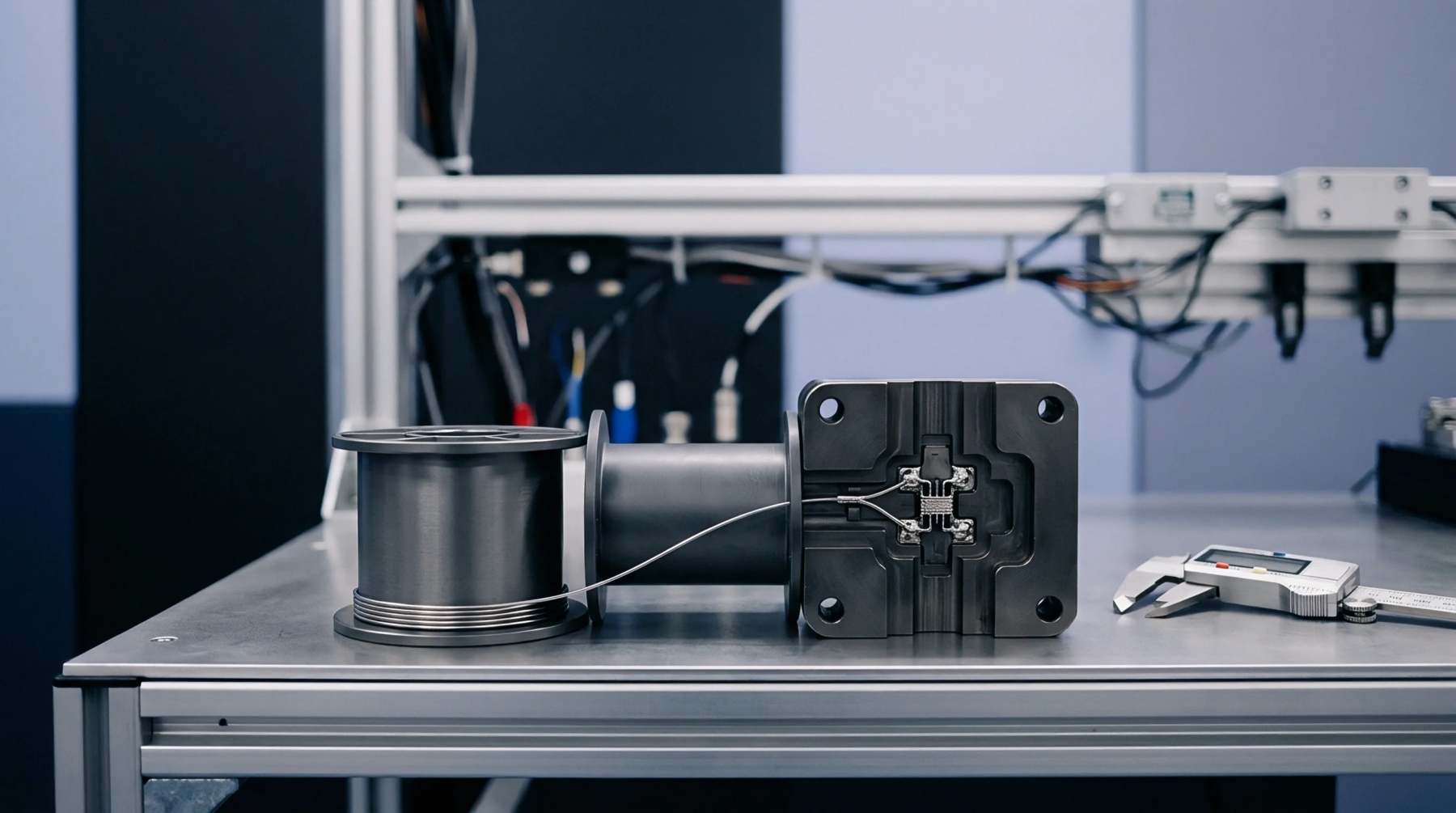
Substrate moisture absorption increases dielectric loss tangent, raising RF interconnect insertion loss and reducing long-term wireless link margins.
Dynamic impedance matching mitigates RF power amplifier reflection losses, preserving battery voltage stability and operational lifespan in wideband radios.
Expertise is a utility, not a secret. sentiention™ publishes its working knowledge as open reference: intelligence layer covering the materials it sources, the markets it enters, and the reference that serves both.