
Controlled Impedance Stackup Verification for Semi Custom Wireless PCB Integration
Controlled impedance stackup verification requires explicit material callouts, coupon TDR testing, and IPC-compliant drawing notes to hold 50-ohm traces.
Controlled impedance stackup verification requires explicit material callouts, coupon TDR testing, and IPC-compliant drawing notes to hold 50-ohm traces.
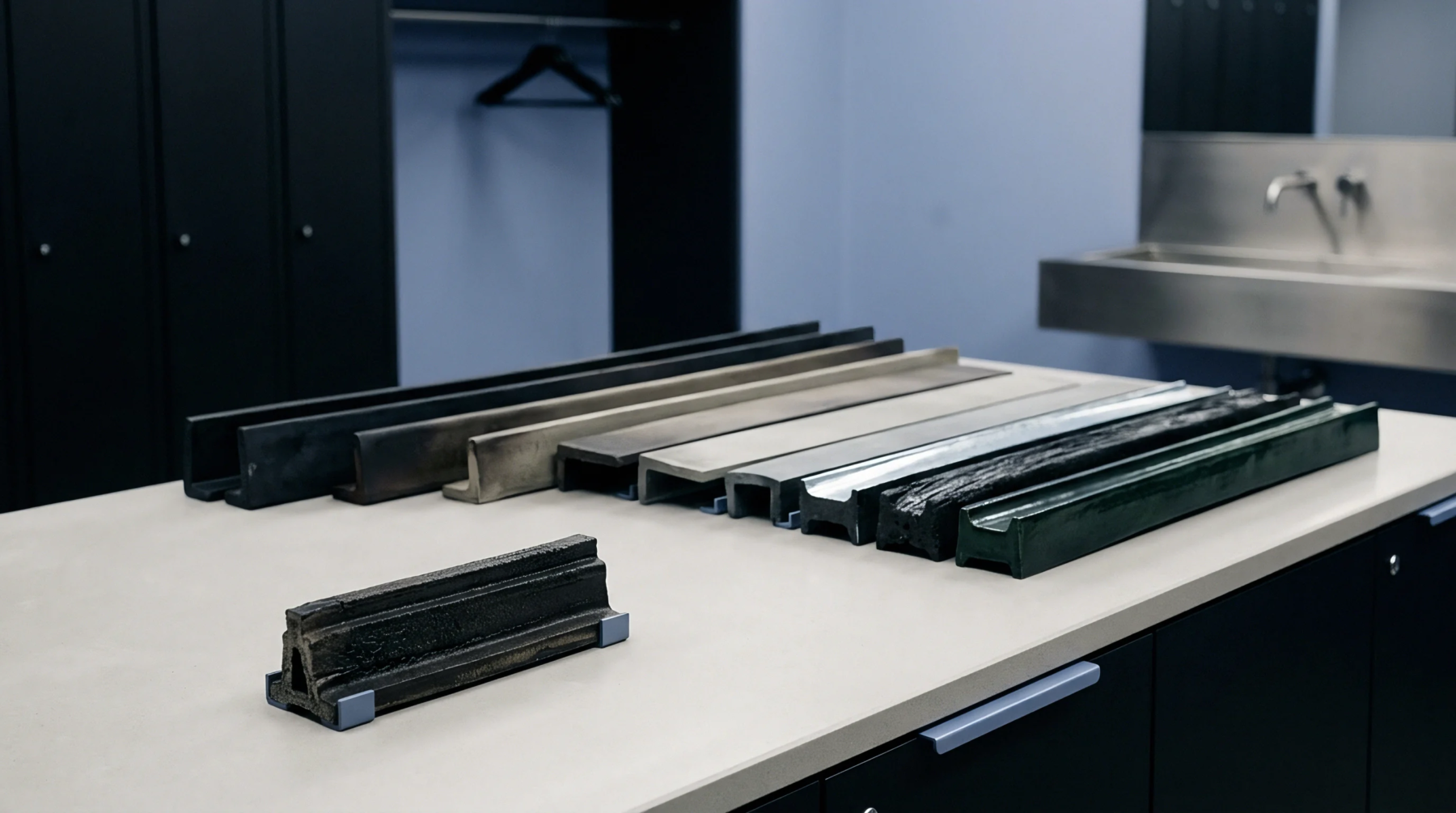
Managing polymer dielectric dispersion requires matching host substrate anisotropy to original modular grant limits to avert Class II permissive change retests.

Secure native ECAD databases, unencumbered trace intellectual property, and calibrated manufacturing data before authorizing production migration.

Select low-loss hydrocarbon or hybrid substrates to prevent front-end attenuation, antenna detuning, and regulatory harmonic failures in sub-6 GHz modules.

Laminate swaps in 77 GHz radar change EIRP and pattern directivity, requiring Class II permissive filings if power rises or spurious emission profiles degrade.
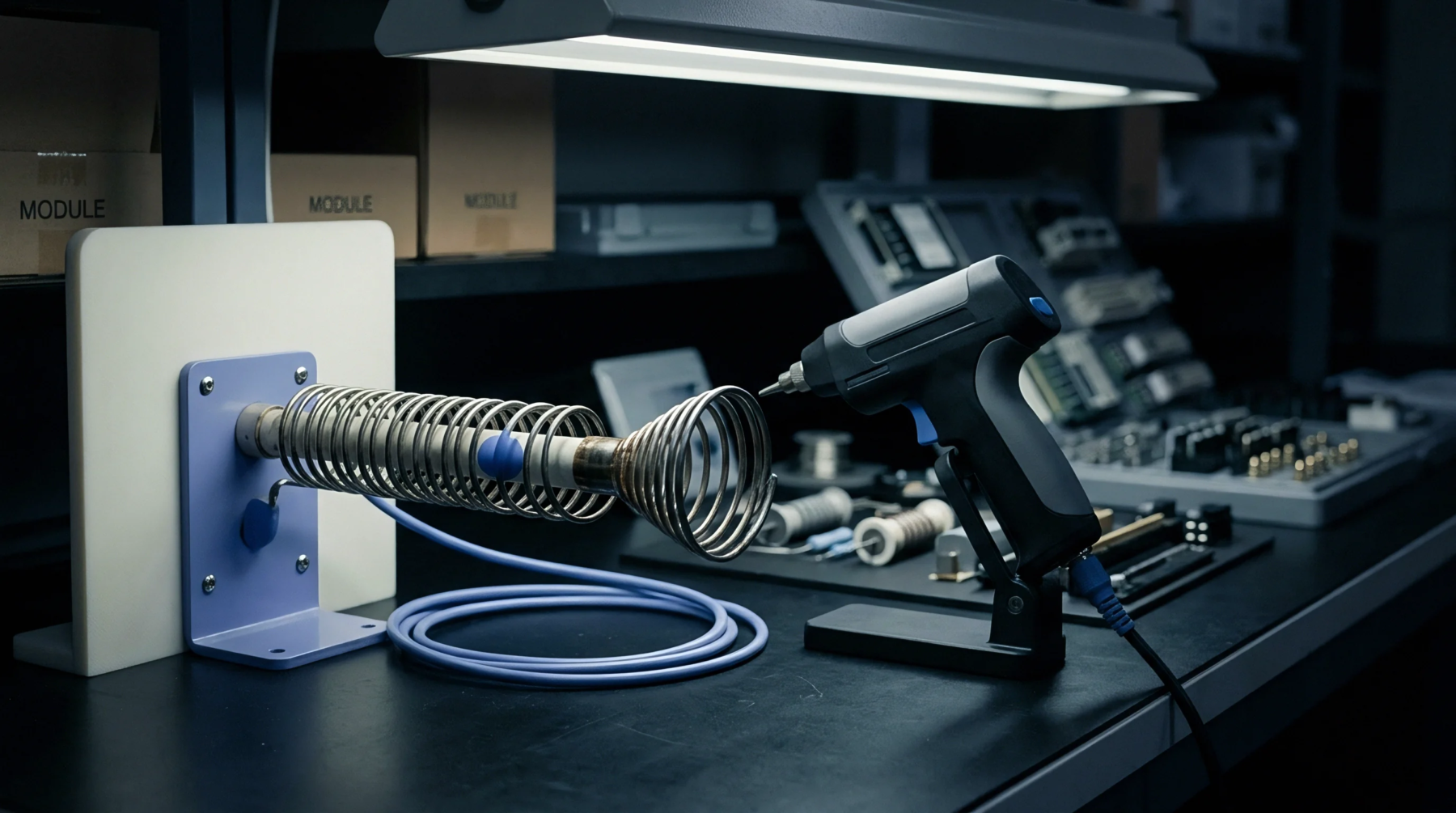
Micro coaxial insertion loss stems from skin-depth conductor resistance, polymer dielectric dissipation, braid leakage, and crimp-induced reflections.
Dielectric loss quantification at 77 GHz demands Fabry-Perot resonator testing to prevent radome signal attenuation and regulatory EIRP filing failures.
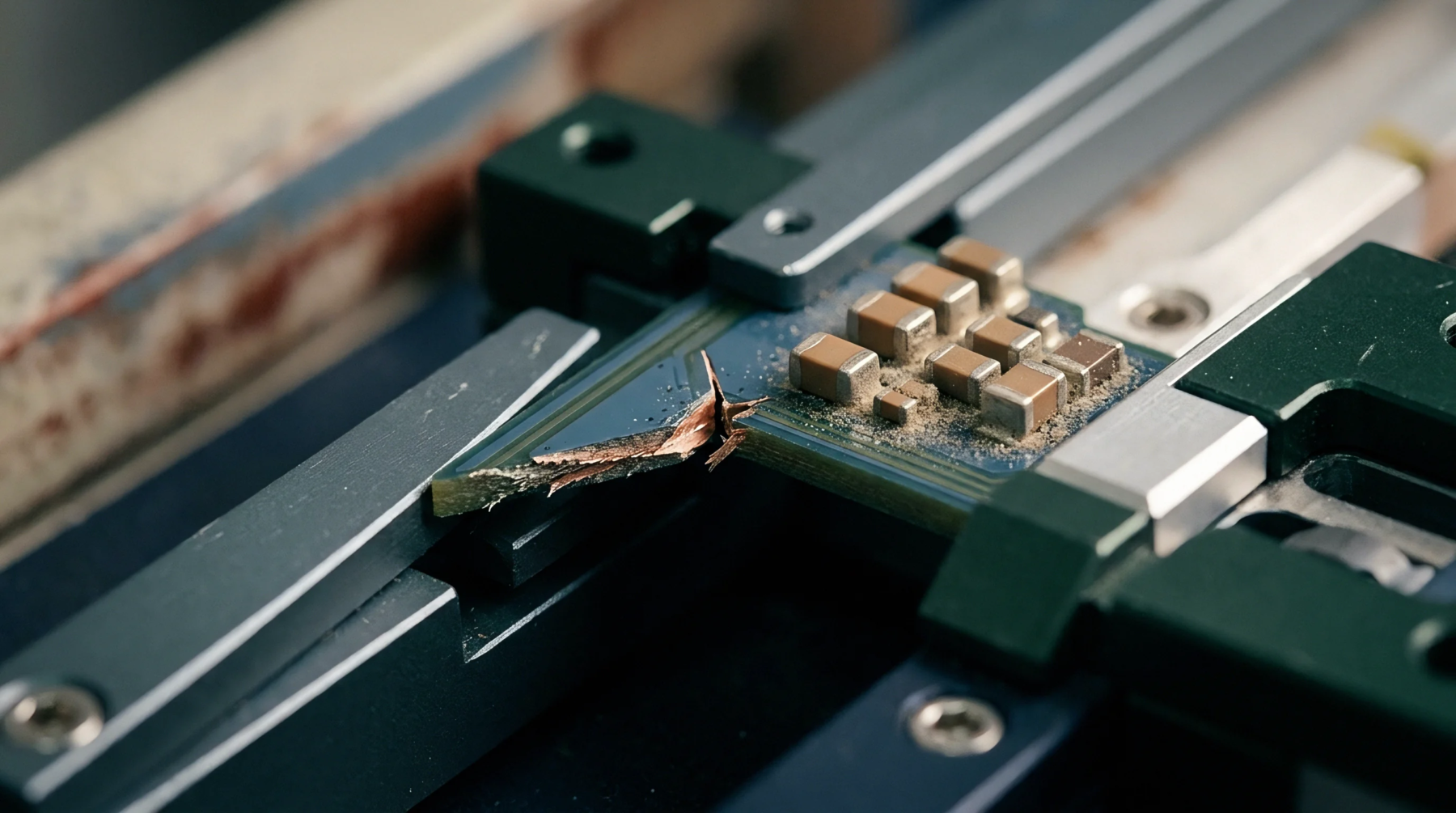
Resolving substrate dielectric drift and IP custody requires strict coupon impedance verification combined with neutral escrow of native CAD files.

Automating IPC-2581 stack-up parsing aligns secondary factory laminate inventory with signal integrity targets, eliminating manual engineering delays and scrap.

Precise W-band dielectric characterization suppresses radome reflection, preventing boresight errors and eliminating costly regulatory recertification cycles.

Substrate moisture absorption increases dielectric loss tangent, raising RF interconnect insertion loss and reducing long-term wireless link margins.

Contractual allocation of RF redesign costs requires an Interface Control Document stackup baseline, binding change orders, and tiered liability thresholds.

Auditing transfer packages demands verifying native CAD files, bit-for-bit firmware build parity, ATE jig calibration logs, and ECN histories before tooling.
Expertise is a utility, not a secret. sentiention™ publishes its working knowledge as open reference: intelligence layer covering the materials it sources, the markets it enters, and the reference that serves both.