
Evaluating Antenna Impedance Matching and Board Layout Strategies for Embedded Transceivers
Evaluating embedded transceiver matching and layout requires conjugate source matching, coplanar ground stitching, and in-housing impedance tuning.
Evaluating embedded transceiver matching and layout requires conjugate source matching, coplanar ground stitching, and in-housing impedance tuning.
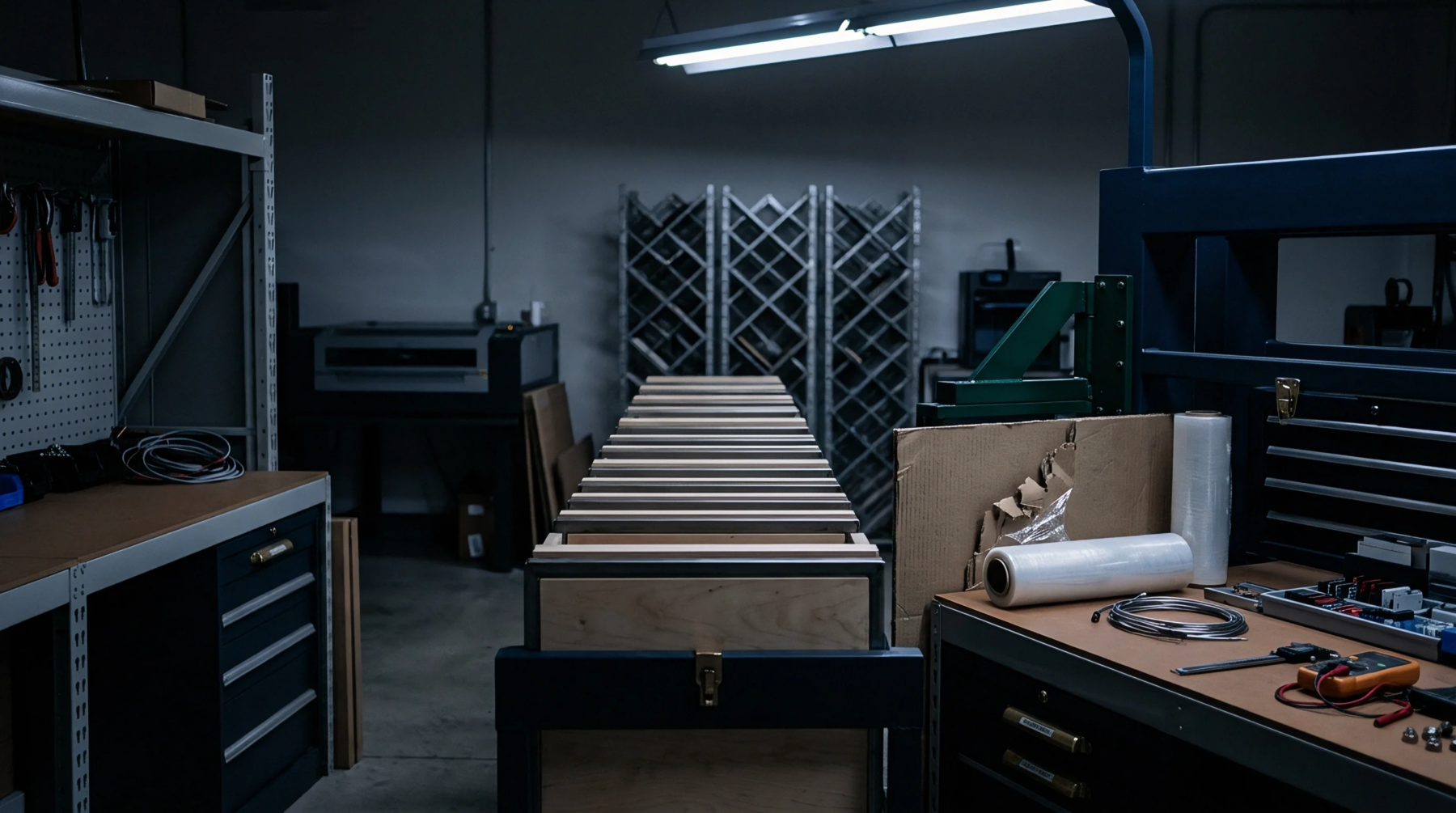
Asset valuation baselines for electronics design transfers require native ECAD databases, uncompiled firmware source trees, and audited factory test tooling.

Managing multi-vendor RF design transfers requires native IPC-2581 data structures, synchronized change controls, and standardized ATE test files.
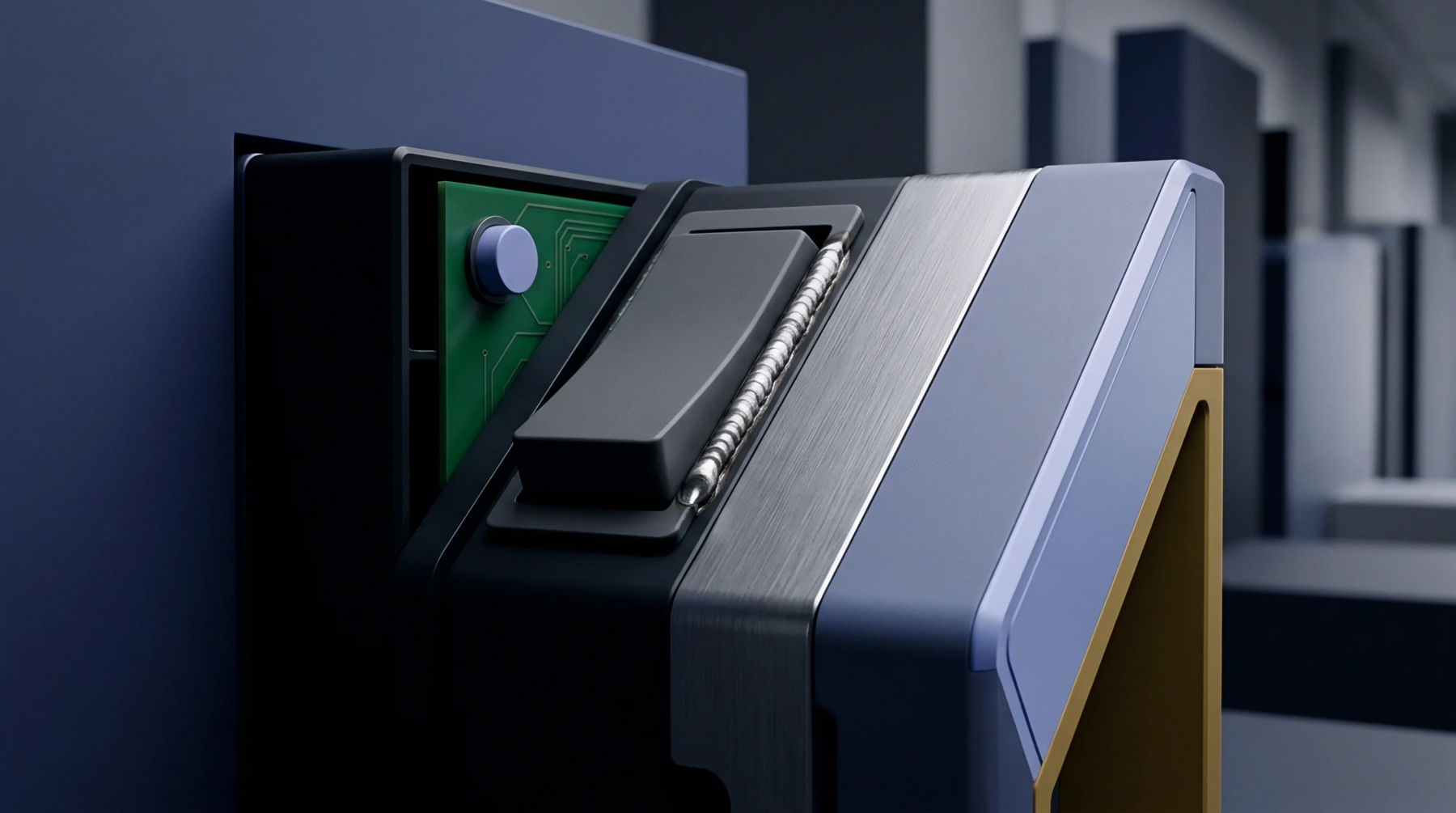
Validating PCB manufacturing files for wireless modules demands automated netlist audits, explicit impedance stackup definitions, and aperture rule checks.
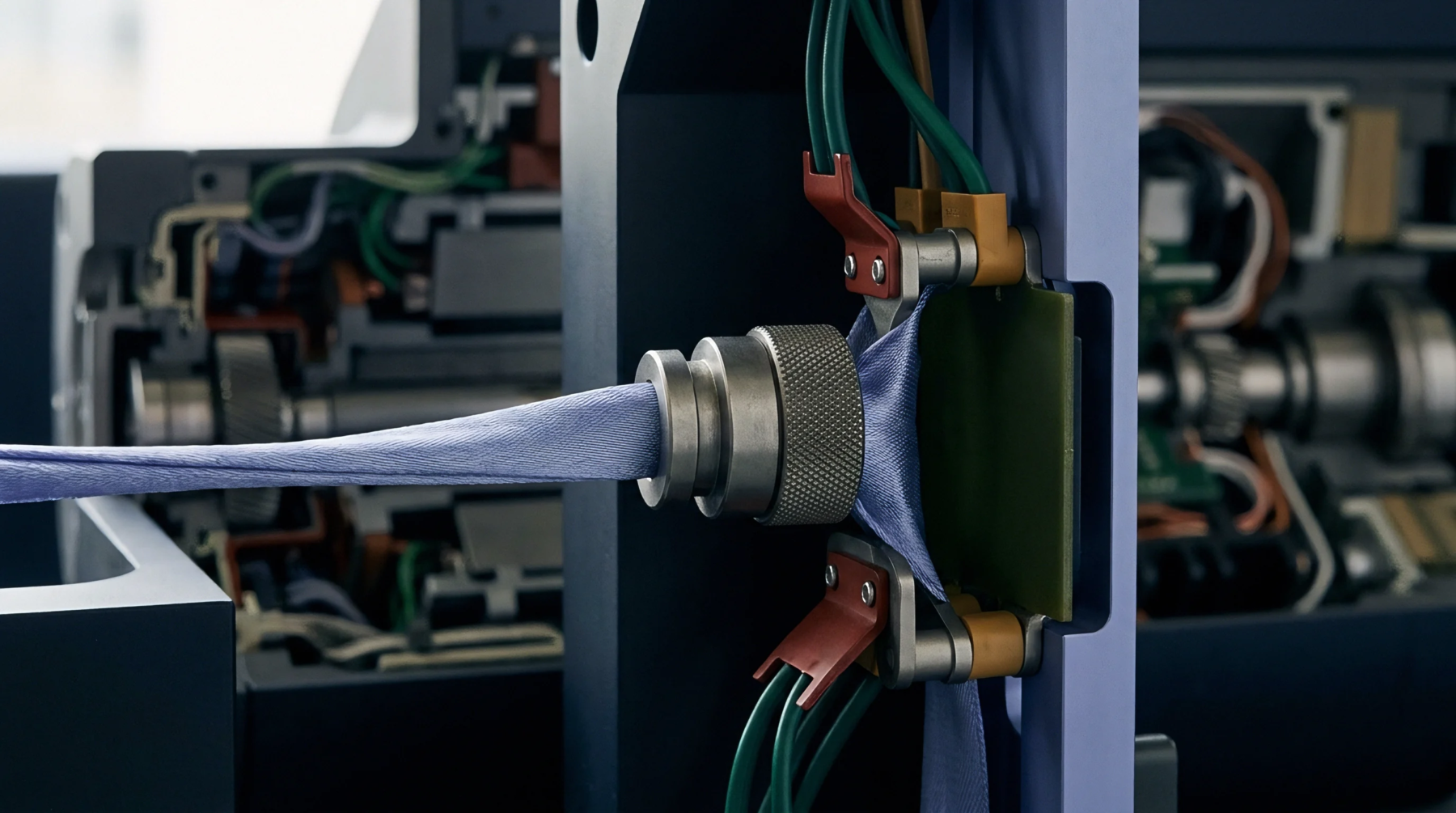
Post-production change control requires frozen revision baselines, strict PCN risk classification, delta testing, and explicit contractual cost allocation.

Polymeric enclosure dielectric constant shifts alter near-field coupling and aperture resonance, detuning antennas and pushing radiated spurious emission harmonics across regulatory pass limits.
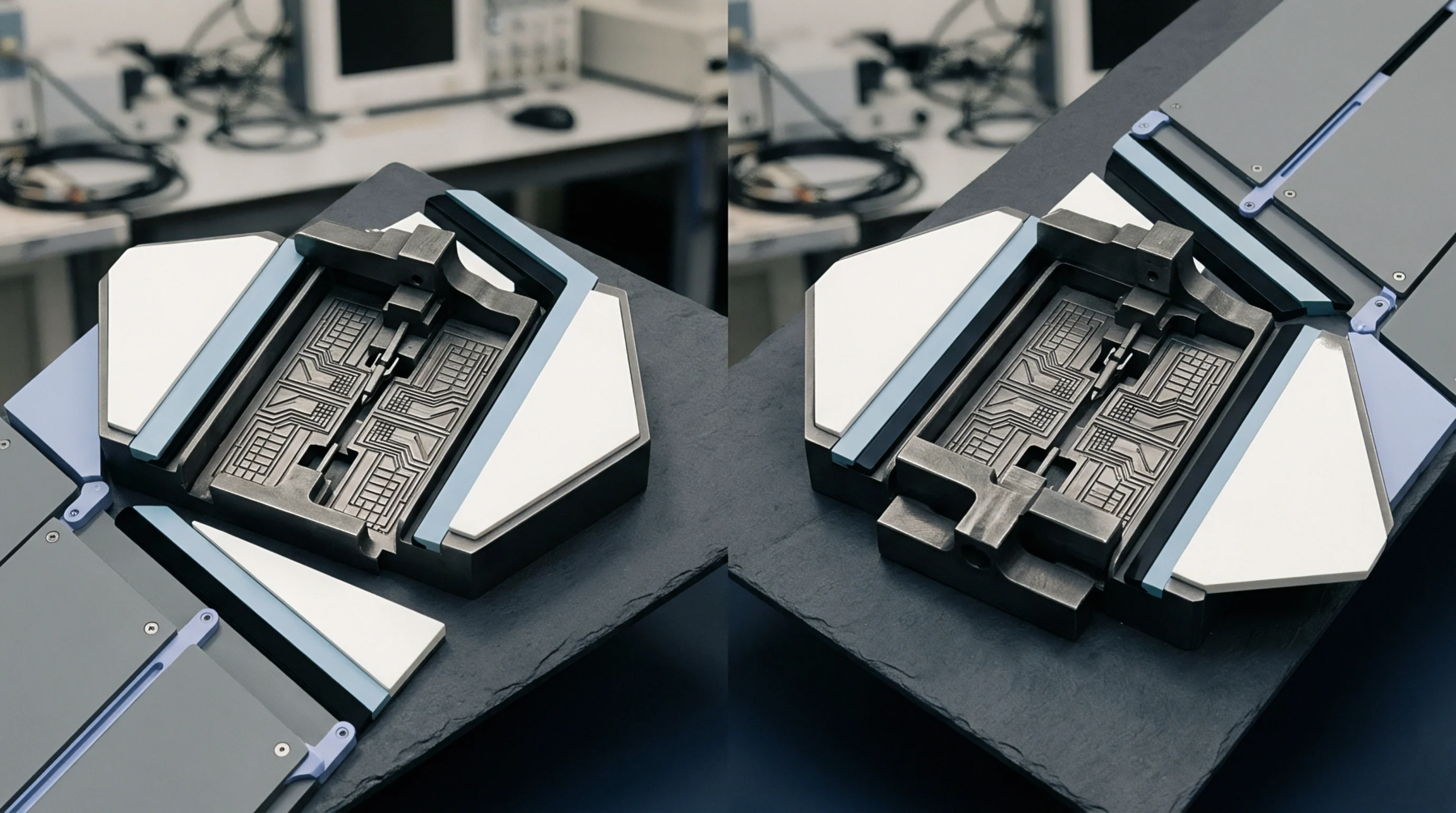
Substrate moisture absorption increases dielectric loss tangent, raising RF interconnect insertion loss and reducing long-term wireless link margins.
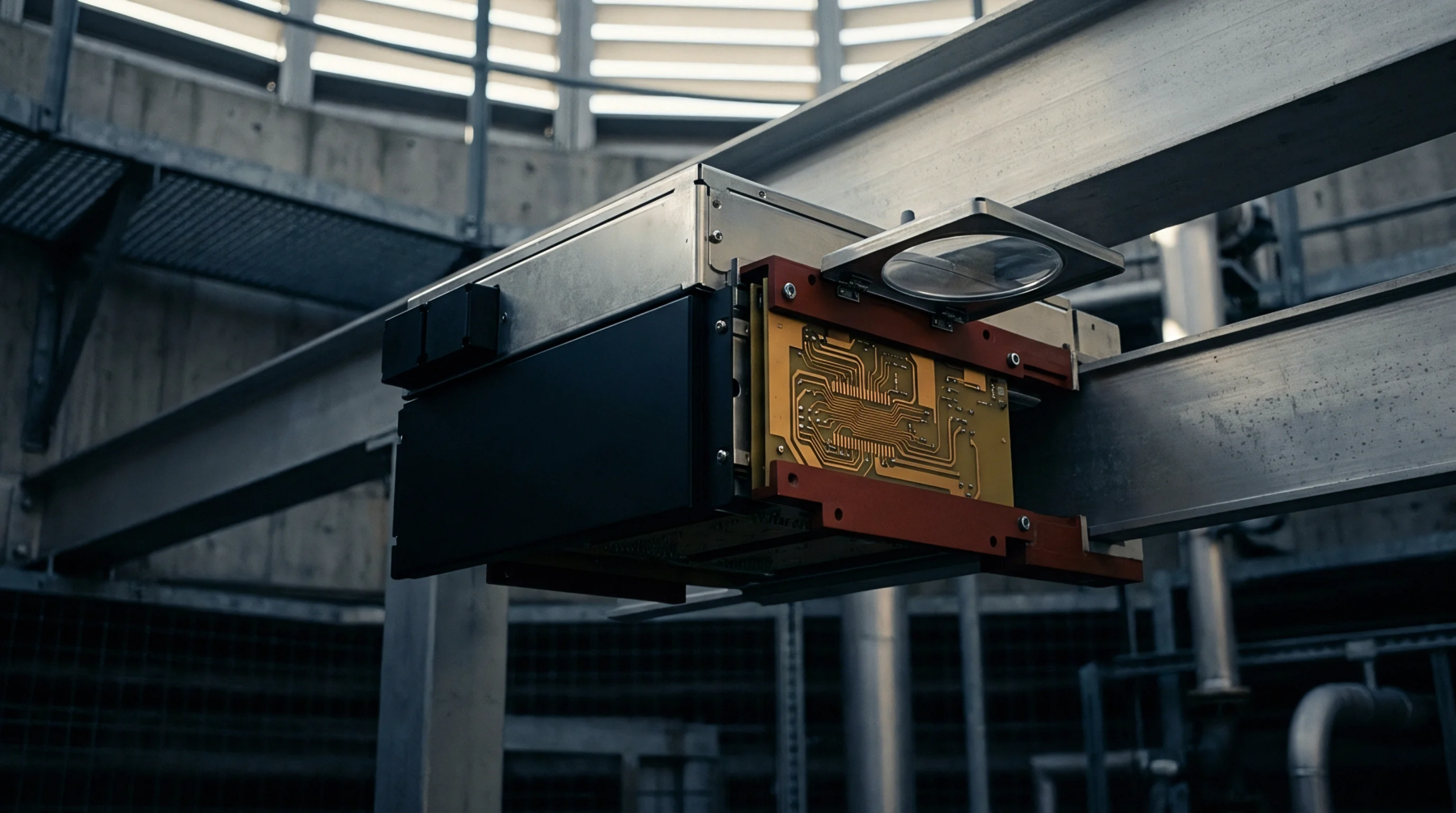
Transfer circuit files using IPC-2581 or Gerber X2 with IPC-D-356 netlists to ensure automated CAD validation and prevent assembly errors.
Module IP management requires defining baseline assets, acquiring raw CAD and containerized build packages, and securing clear derivative assignment.

Modifying host enclosure materials demands FCC permissive change evaluation when dielectric properties or metallic proximity alter radiated emissions or SAR values.

Dual sourced wireless module manufacturing package files require synchronized substrate stackups and hardware sensing firmware to resolve binary divergence.

Auditing transfer packages demands verifying native CAD files, bit-for-bit firmware build parity, ATE jig calibration logs, and ECN histories before tooling.

Validating factory fabrication packages for multi-sourced wireless modules requires IPC-2581 layer mapping, netlist verification, and RF calibration parity.

Evaluating dual source transfer packages requires auditing source documentation completeness, matching physical substrate parameters, and tracking landed costs.

Limited modular approvals legally bind host PCB layout, enclosure shielding, and power regulation to the exact conditions stated in the grantee's filing notes.

Modular radio approvals transfer strict radiated compliance obligations to host builders, requiring rigorous change classification and trace stackup control.

Potting encapsulation shifts multi-band antenna resonance via dielectric loading, requiring precise trace tuning and Class II Permissive Change filings.

Modifying enclosure materials or geometry shifts near-field coupling and radiated emissions, triggering mandatory global re-testing and permissive change refilings.
Unbundling hidden engineering hours from unit quotations exposes true manufacturing costs, restores IP ownership, and prevents locked-in margin erosion.

Characterizing polymer permittivity and loss tangent under free-space conditions ensures radar enclosure attenuation remains within strict type-approval limits.
Second-sourcing a semi-custom module two years post-launch demands complete native CAD source files, uncompiled firmware, and validated factory test jigs.
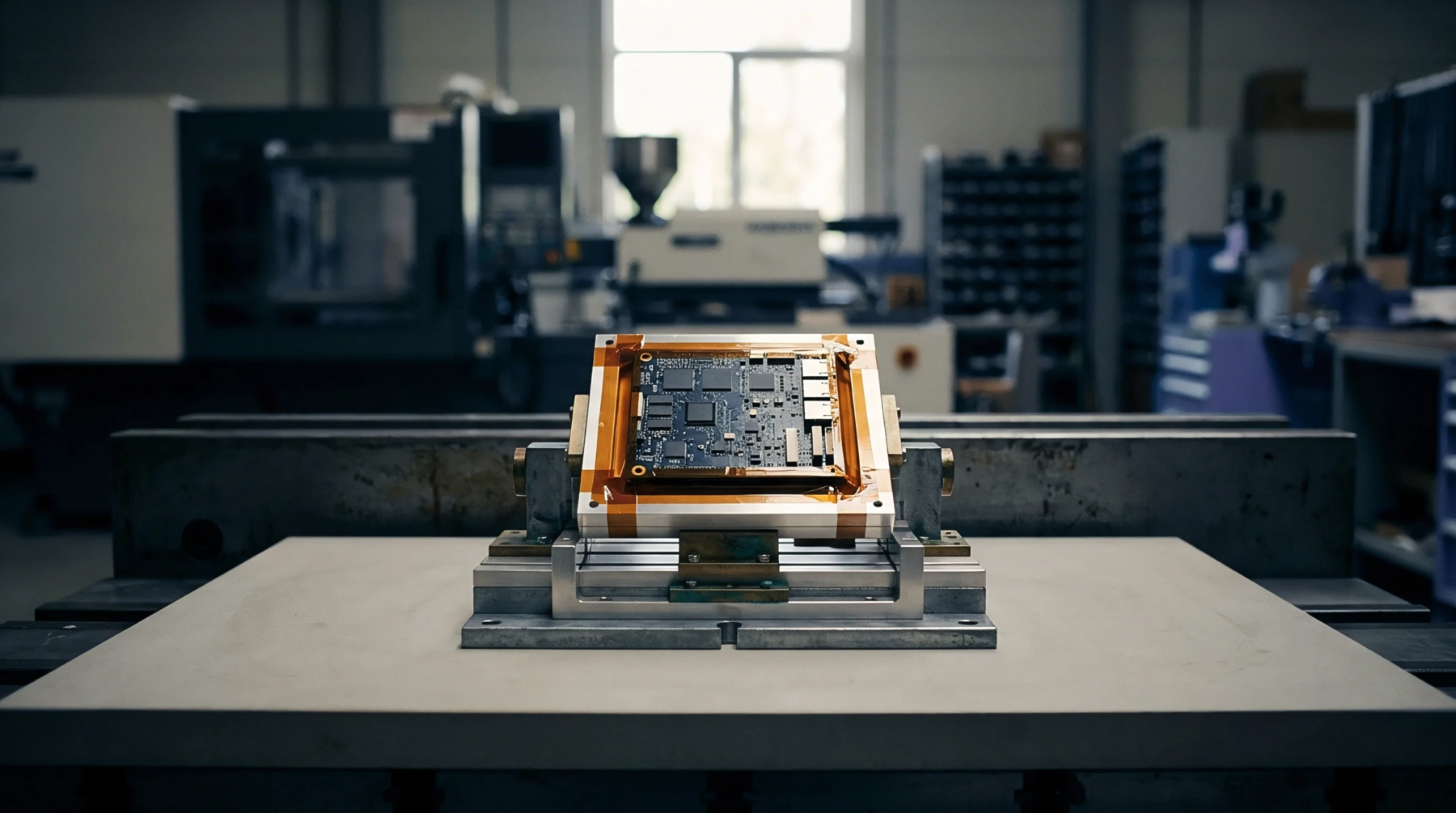
Engineering transfer demands native CAD files, containerized firmware source trees, buyer-owned tooling, and explicit IP assignment clauses before NRE sign-off.
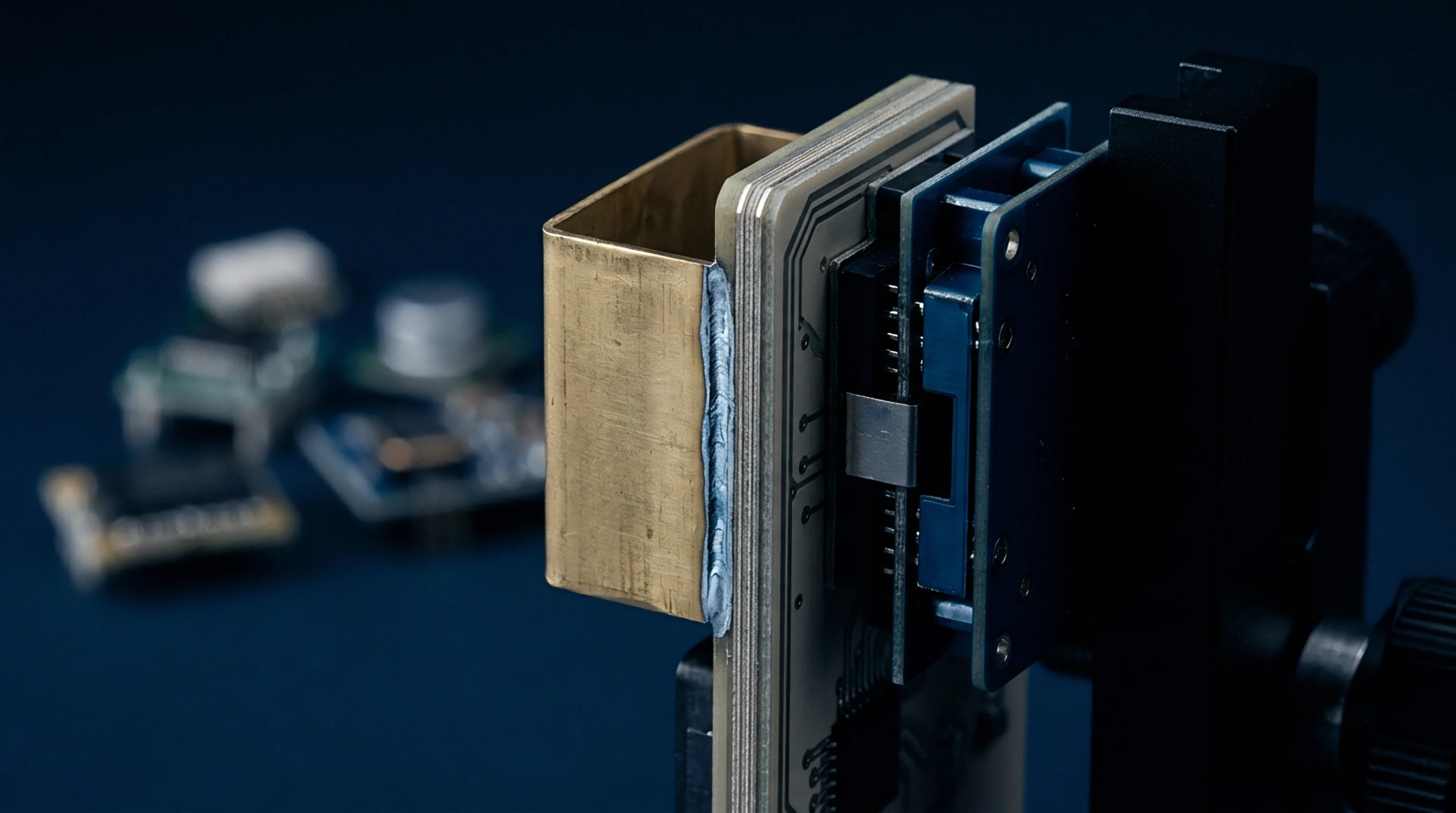
Selecting between ready modules and custom builds requires balancing upfront non-recurring costs and regulatory testing against long-term serial unit margins.
Expertise is a utility, not a secret. sentiention™ publishes its working knowledge as open reference: intelligence layer covering the materials it sources, the markets it enters, and the reference that serves both.