Meaning
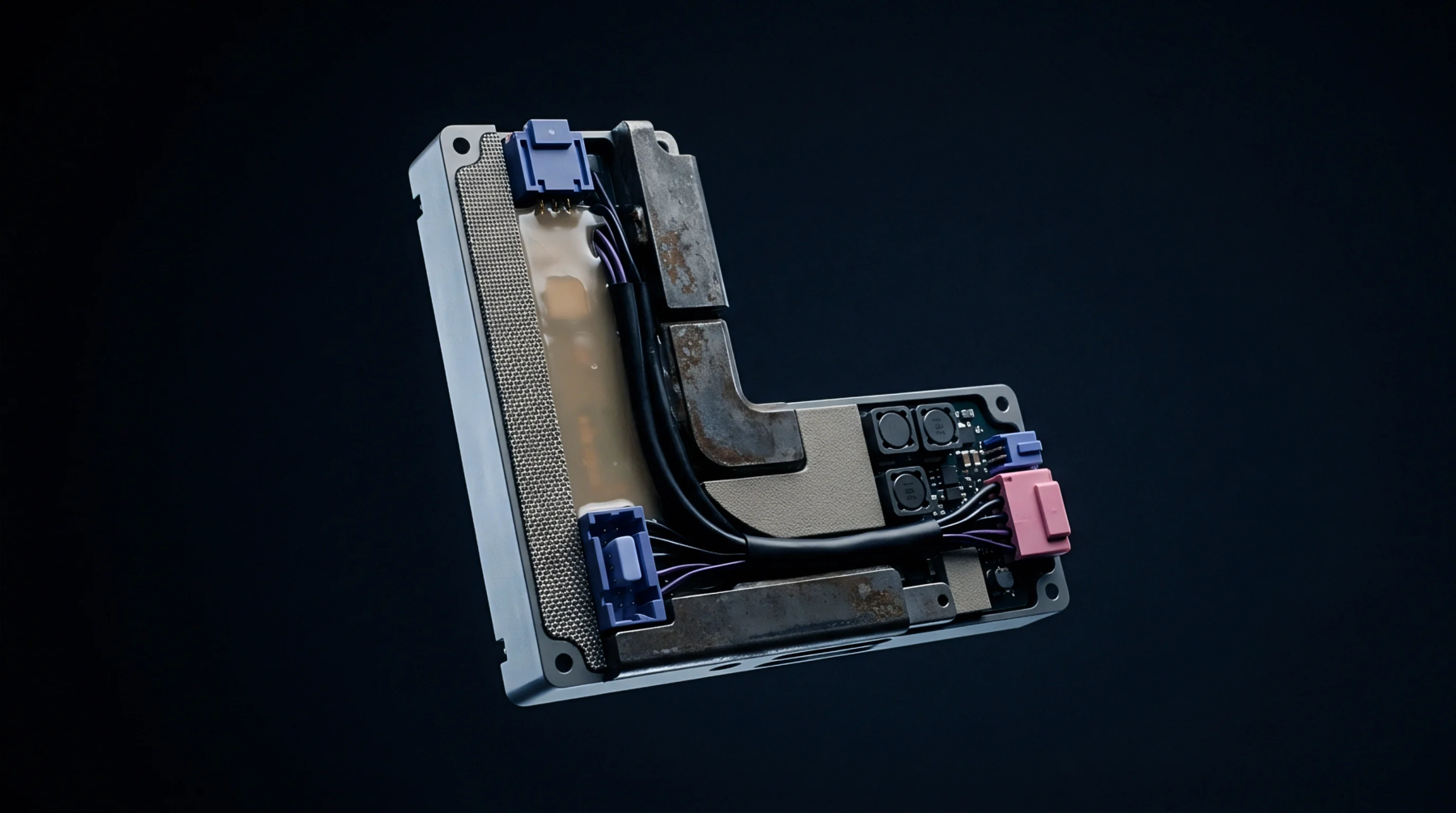
Electromagnetic sensing systems operate by emitting radio waves and analyzing reflections to determine the position and speed of distant objects. Modern automotive radar uses frequency modulated continuous wave signals to provide high resolution spatial data for driver assistance modules. These units typically occupy the 24 GHz or 77 GHz frequency bands where atmospheric absorption is low.
Detection Range
Power output and antenna gain determine the furthest distance a target remains visible. Integration of automotive radar into a vehicle bumper requires careful placement to avoid signal blockage from metallic paints or structural supports.
Signal Resolution
Separation of two distinct objects in the same field of view depends on the bandwidth of the sweep. A wider bandwidth allows automotive radar to distinguish between a pedestrian and a parked vehicle at closer quarters.
Angular Accuracy
Multiple receiving antennas enable the calculation of the direction of arrival through phase differences between elements. Precise calibration of automotive radar ensures that the software correctly maps the coordinate system of the sensor to the physical orientation of the car chassis. This process involves a static alignment phase in the factory and a dynamic phase where the car monitors stationary landmarks on the road.
Sensor fusion algorithms rely on this data to provide a reliable model of the surrounding environment.