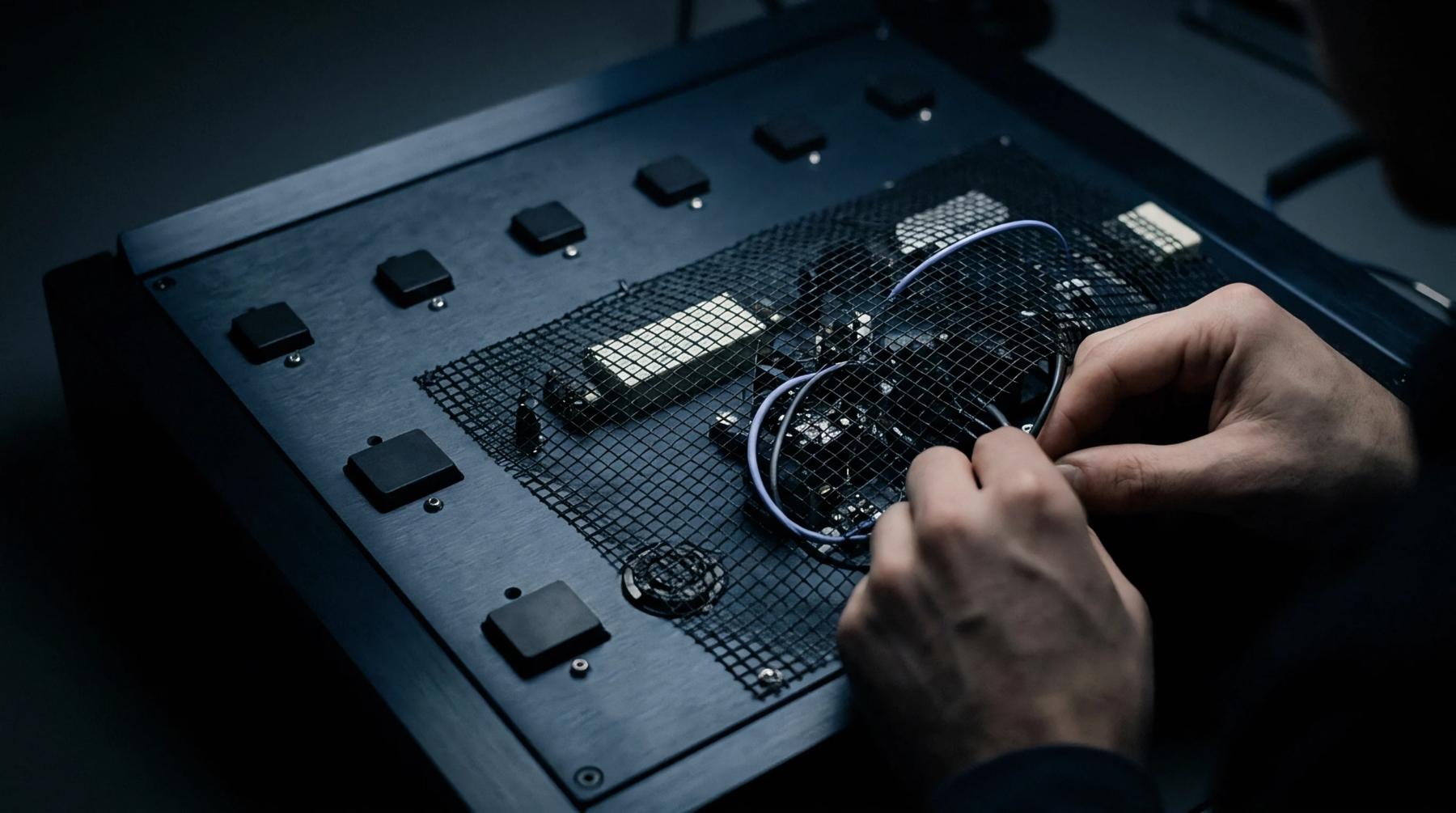
Establishing Baseline Electromagnetic Quiet Zones for Pre Scan Testing
Establishing a verified pre-scan quiet zone baseline isolates host emissions from ambient noise, preventing costly formal accredited chamber retests.
Establishing a verified pre-scan quiet zone baseline isolates host emissions from ambient noise, preventing costly formal accredited chamber retests.

Crossborder transit calibration standards require ISO 17025 traceable metrology baselines and thermal soak verification to isolate transport drift from factory defect.
Radiated harmonic scans mandate notch filtering, spatial maximization, and rigorous cable loss compensation to prevent front-end receiver saturation and false failures.
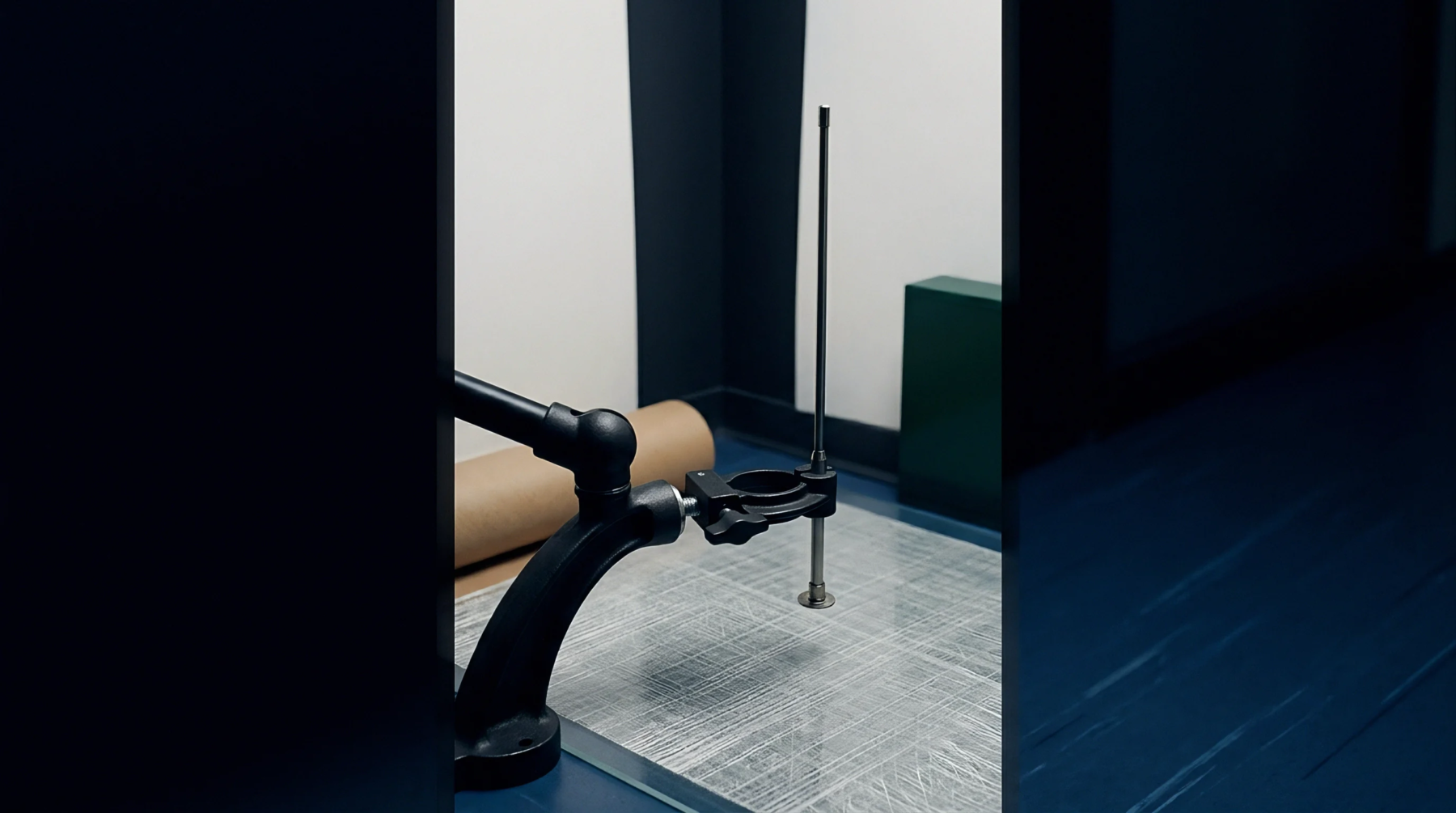
Total isotropic sensitivity verification requires spherical anechoic testing to capture housing detuning and active internal EMI desense missed by conducted tests.
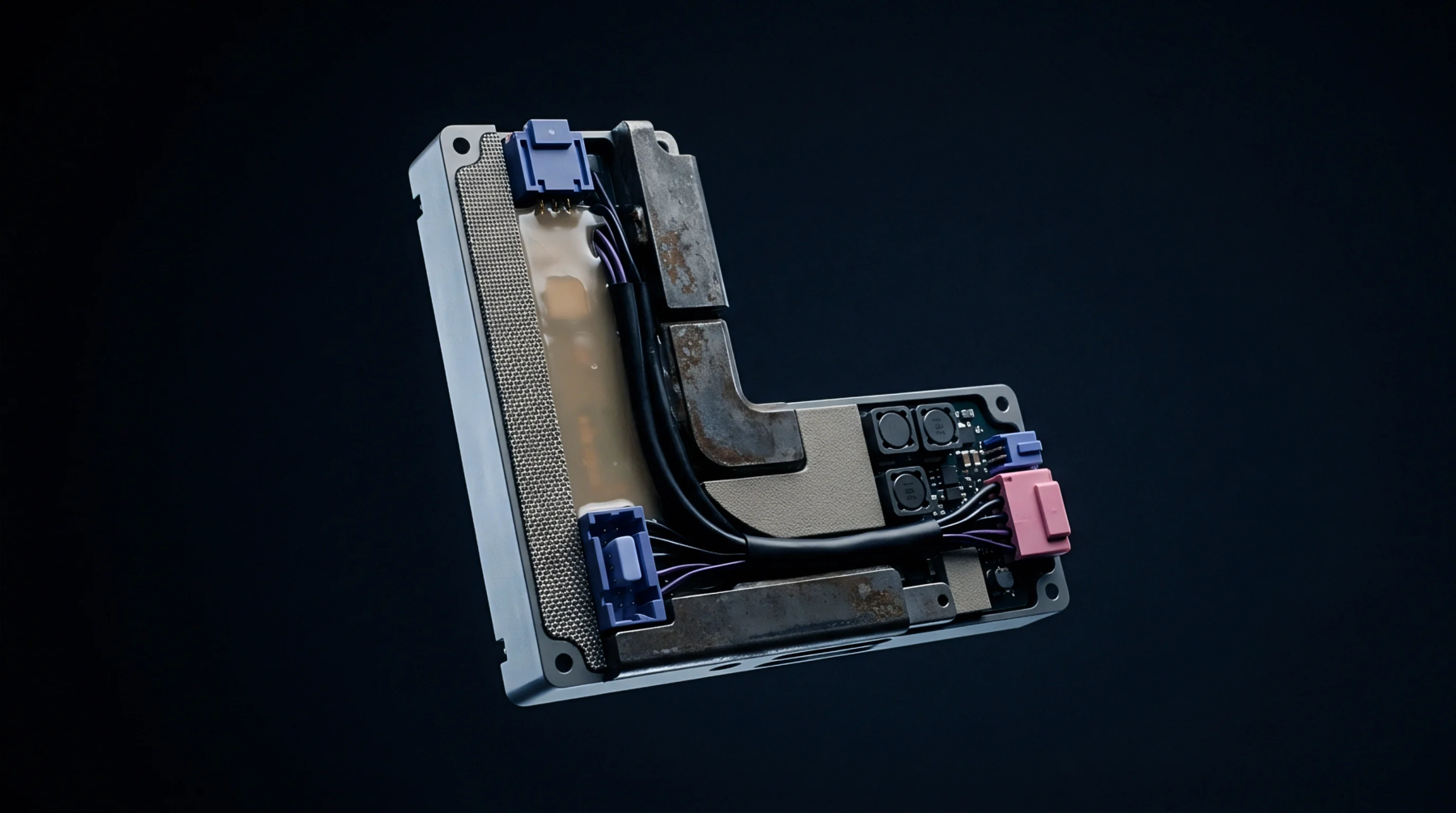
Free-space W-band polymer testing requires precise spot-focused optics, strict sample thickness tolerances, and validated TRL calibration to prevent radome detuning and costly regulatory re-certification delays.
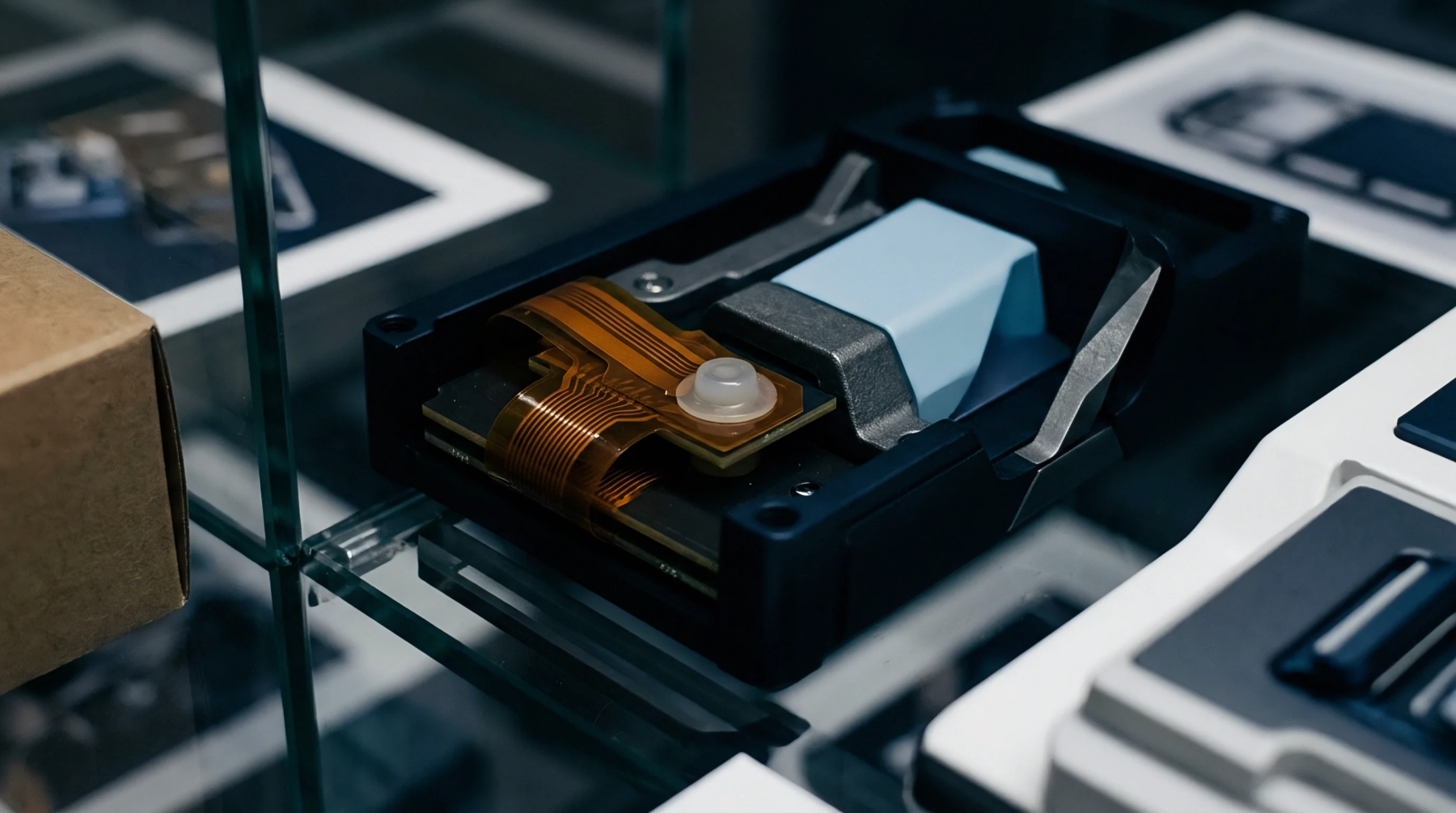
Unbundling engineering deliverables separates physical component supply from native design files, firmware repositories, and test fixtures, ensuring dual-sourcing rights and transparent landed costs.
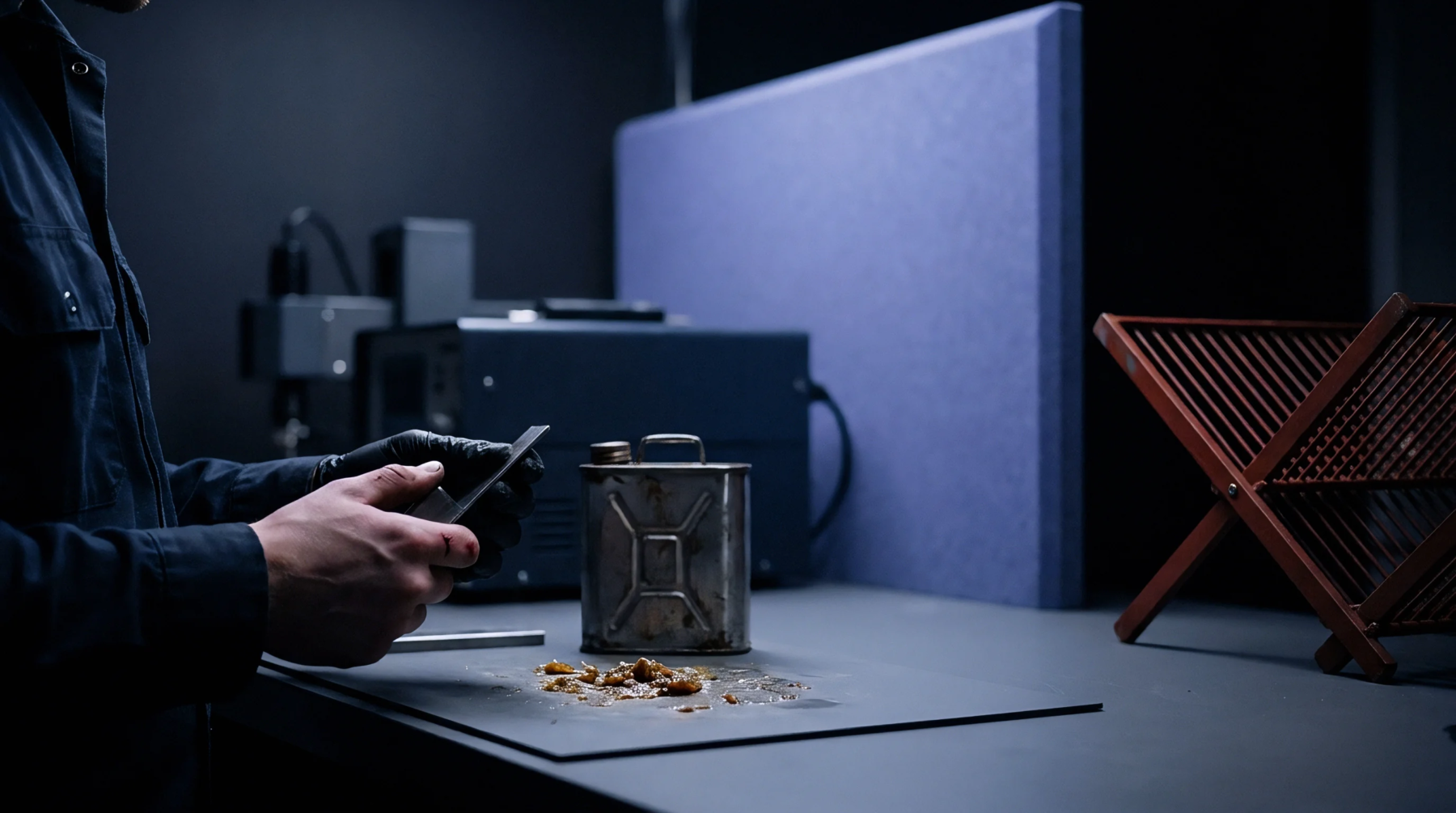
Effective multi-market RF qualification requires pricing laboratory measurement variance and host integration failure risks directly into contingency budgets.
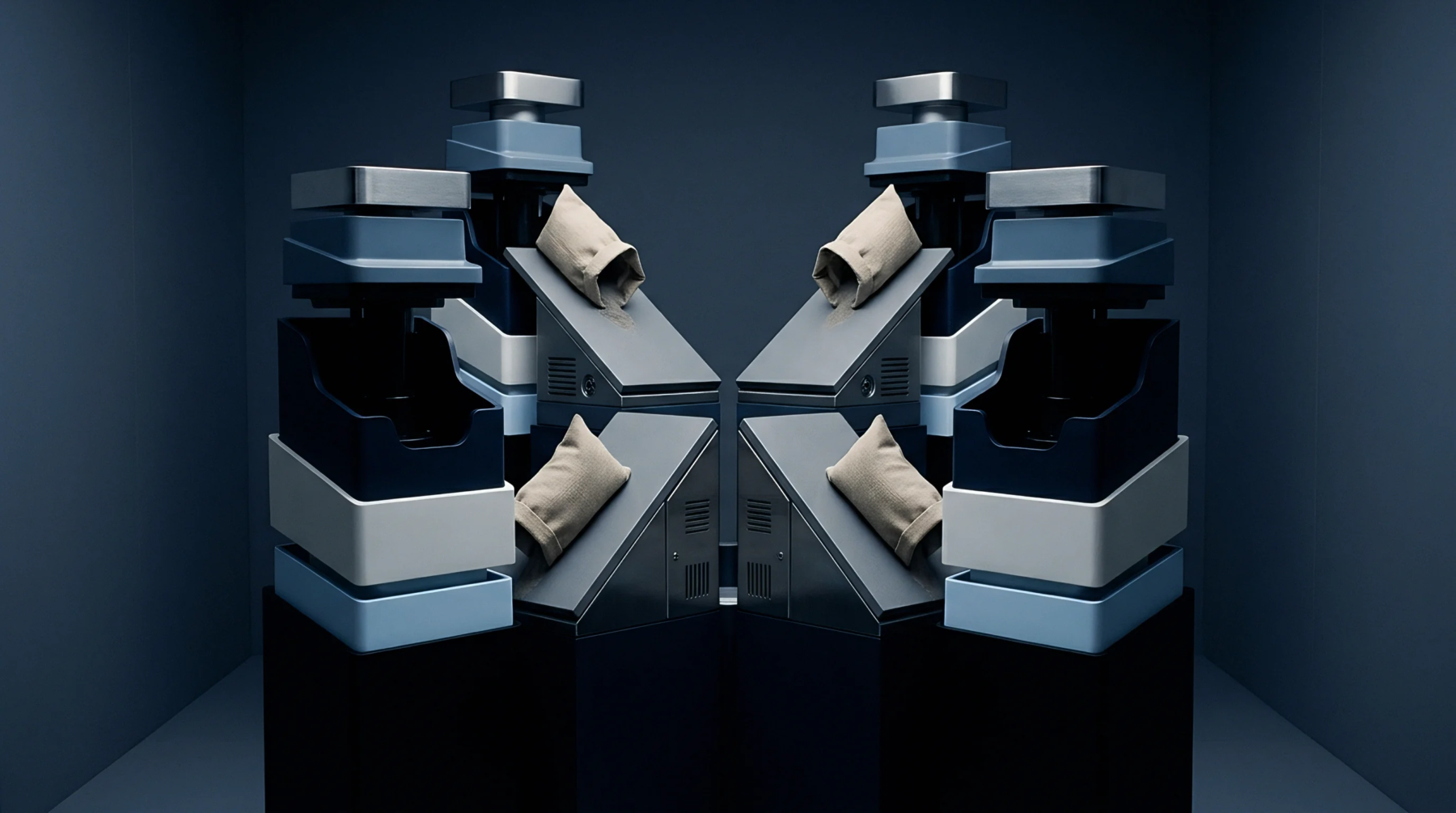
Establishing a semi-anechoic quiet zone involves volumetric SVSWR calibration and field mapping to align pre-scan data with accredited certification sweeps.
Expertise is a utility, not a secret. sentiention™ publishes its working knowledge as open reference: intelligence layer covering the materials it sources, the markets it enters, and the reference that serves both.