
Simultaneous Transmit SAR Evaluation Thresholds in Portable Radio Systems
Simultaneous SAR evaluations require summing standalone SAR or estimated values to prove combined exposure remains below regulatory limits.
Simultaneous SAR evaluations require summing standalone SAR or estimated values to prove combined exposure remains below regulatory limits.

Multi-vendor radio module substitutions qualify for Class II Permissive Changes only when pin alignment, output power, and radiated emissions match baseline testing.
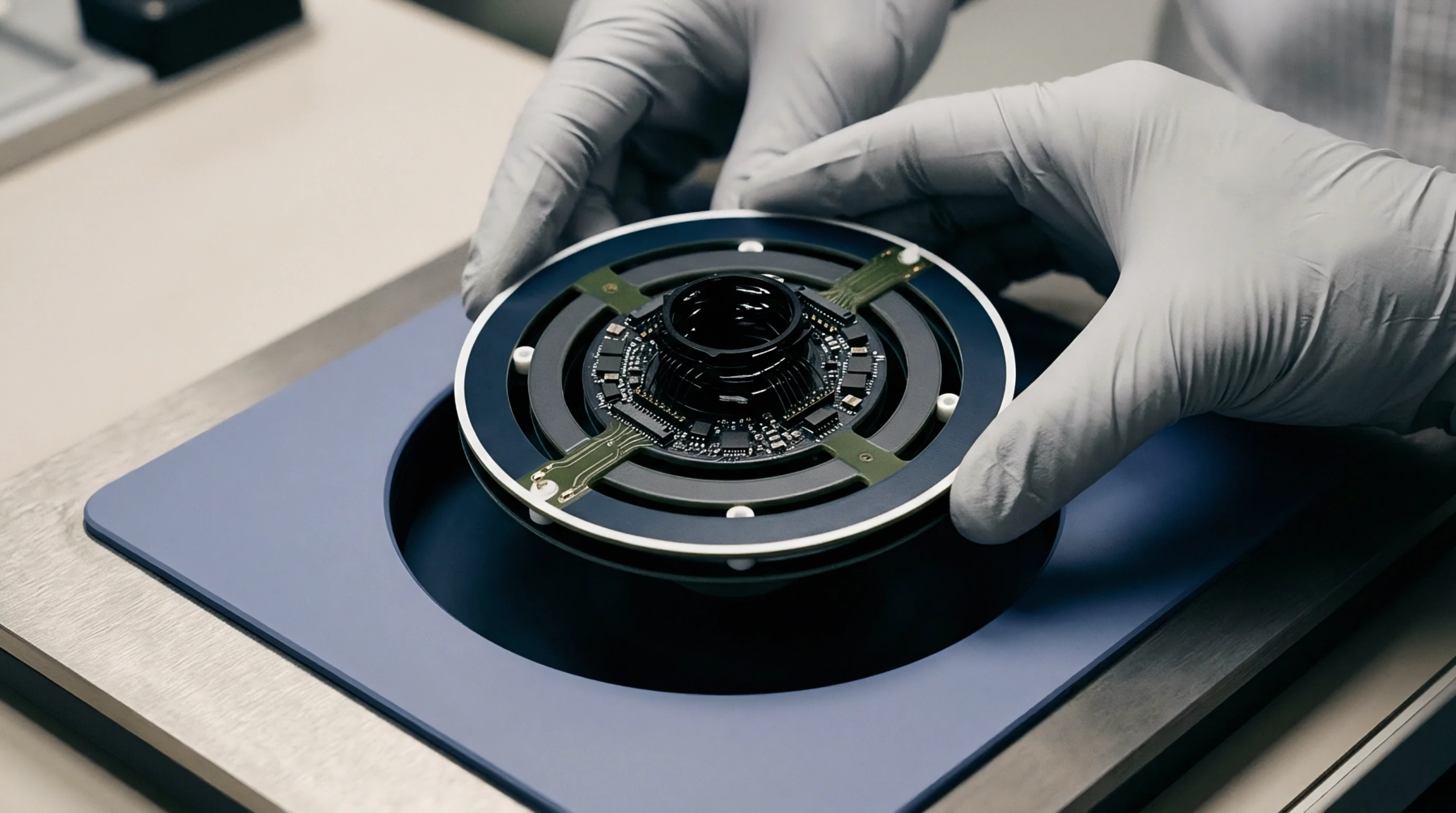
Minimum antenna separation depends on transmitter power, receiver blocking thresholds, intermodulation mixing products, and regulatory simultaneous exposure ratios.

Dense transceiver enclosures generate common-mode currents and dynamic intermodulation across metal seams, requiring early near-field scanning to prevent costly compliance retests.

Mitigating board noise desense requires unbroken ground planes, filtered switching stages, and RF shielding cans to preserve receiver sensitivity margins.
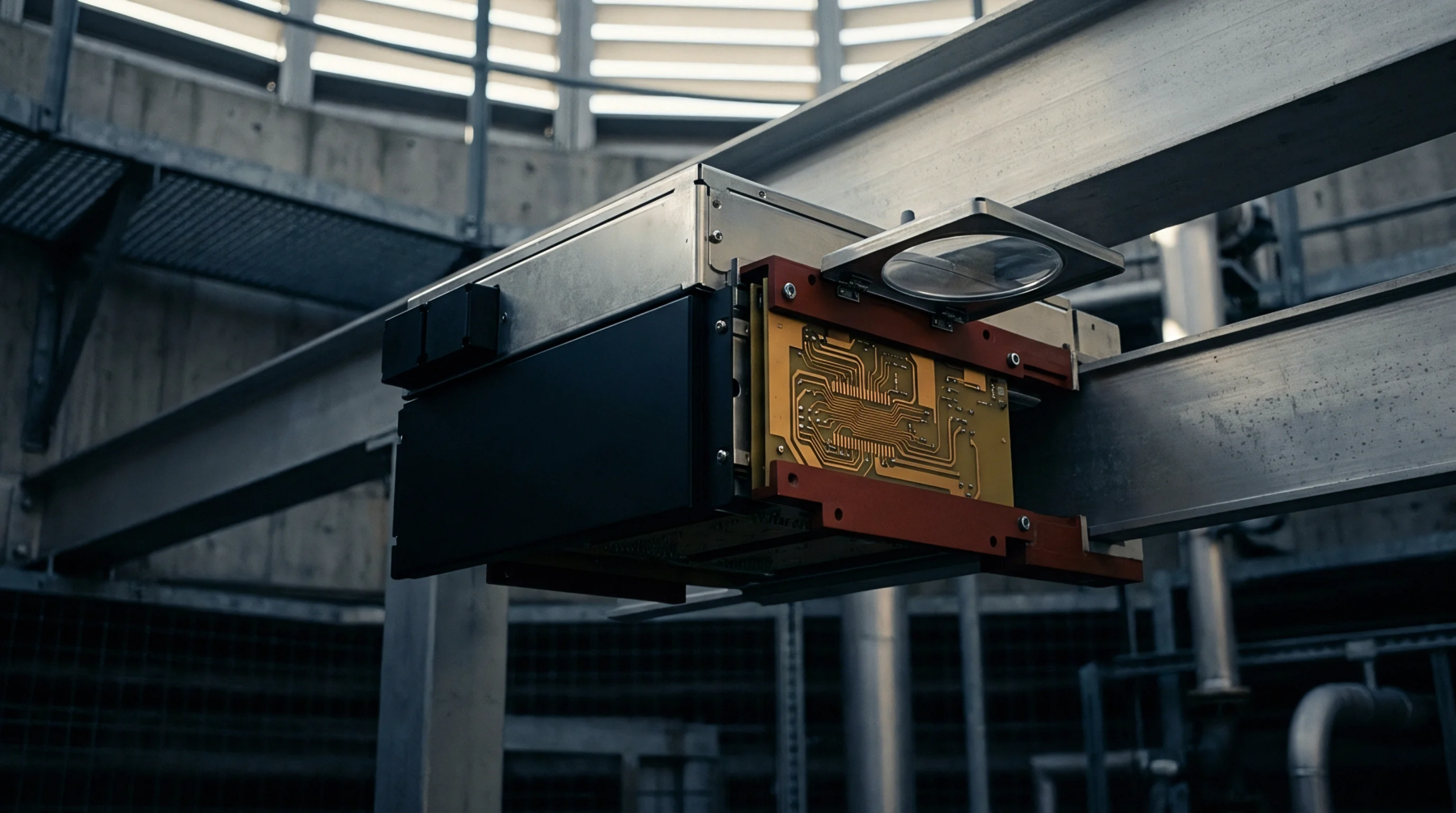
Unshielded limited transmitter grants bind host manufacturers to strict PCB layout, power rail, and chamber re-test protocols before compliance is recognized.
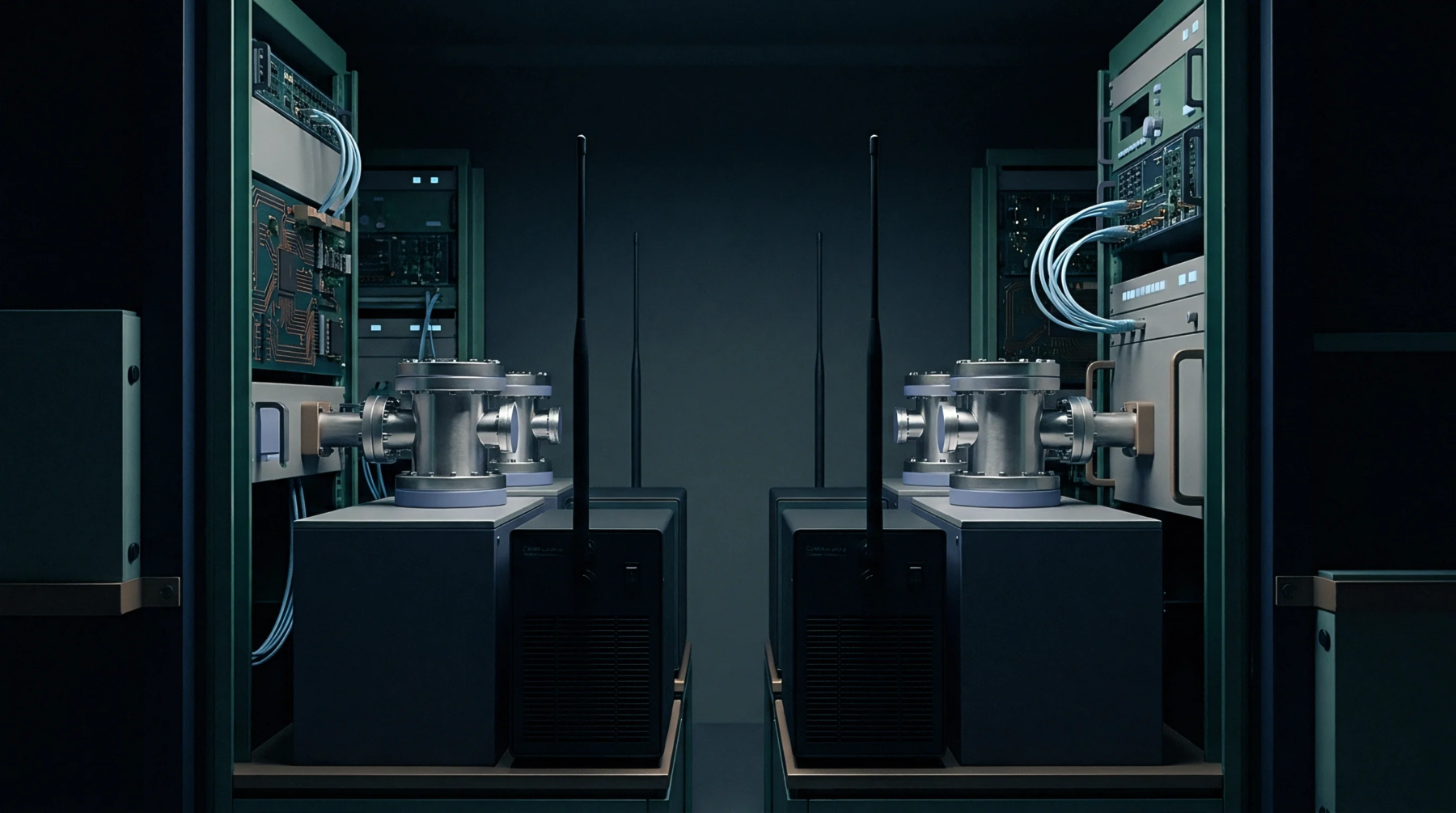
Dynamic power backoff under FCC rules demands state-table firmware controls, KDB PAG reviews, and spatial radiated exposure summation testing.
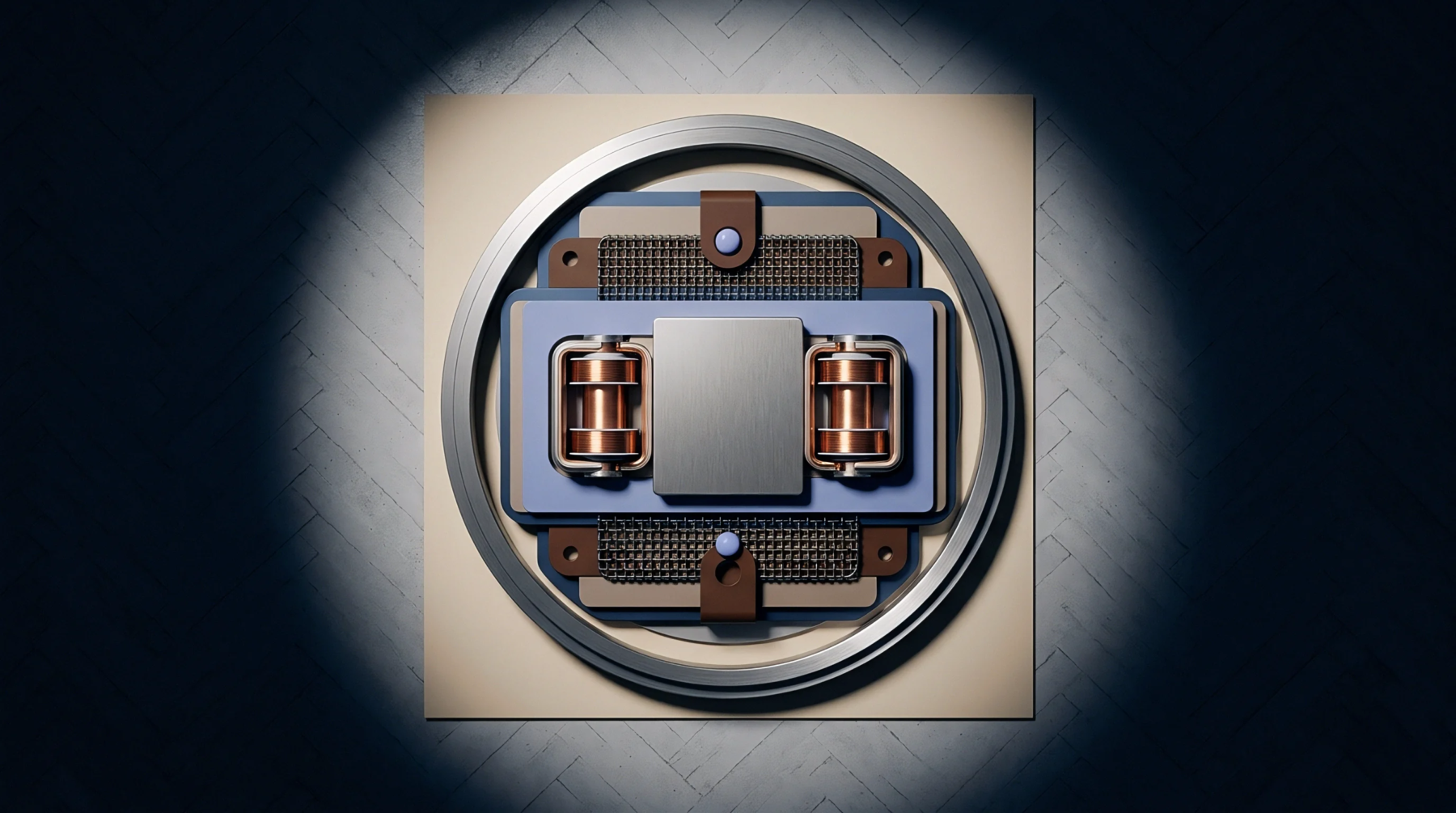
Portable transmitter SAR evaluation exemptions depend on frequency, separation distance, and tune-up power to bypass costly physical chamber testing.

Multi-transmitter host permissive changes require vector SAR summation or spatial separation when combined 1g SAR exceeds 1.6 W/kg and SPLSR exceeds 0.04.

Refining polymer cross-linking gel fraction above eighty percent minimizes residual dipoles, reducing high-frequency near-field coupling loss and preventing re-certification.

Automated port inspection of depleted imports relies on external capacitive energization to verify radio firmware without unsealing protective customs packaging.

Polymeric enclosure dielectric constant shifts alter near-field coupling and aperture resonance, detuning antennas and pushing radiated spurious emission harmonics across regulatory pass limits.
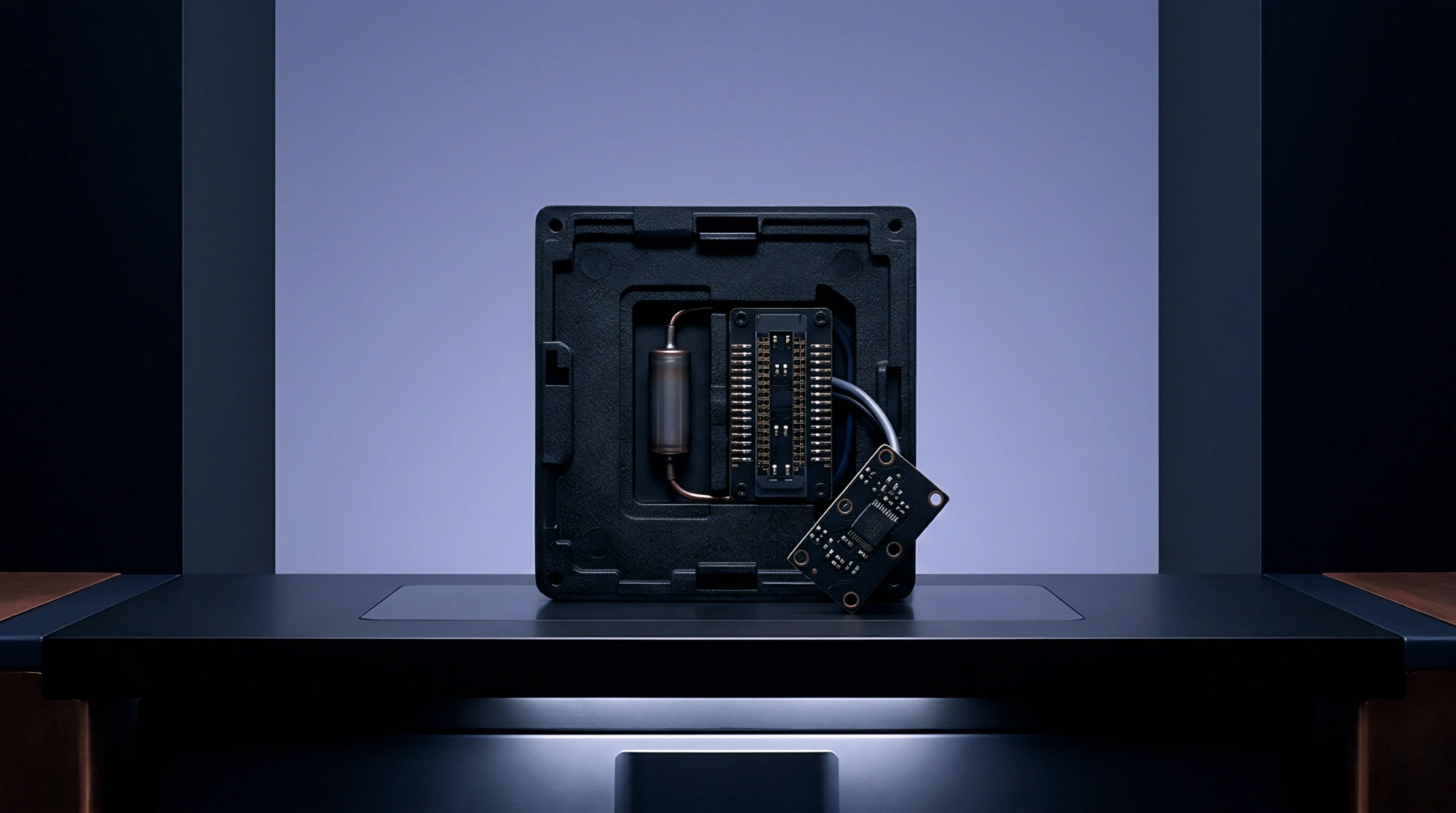
Resolving near field coupling demands tight ground via fencing, solid reference planes, shielded inductors, and continuous enclosure gasket compression.
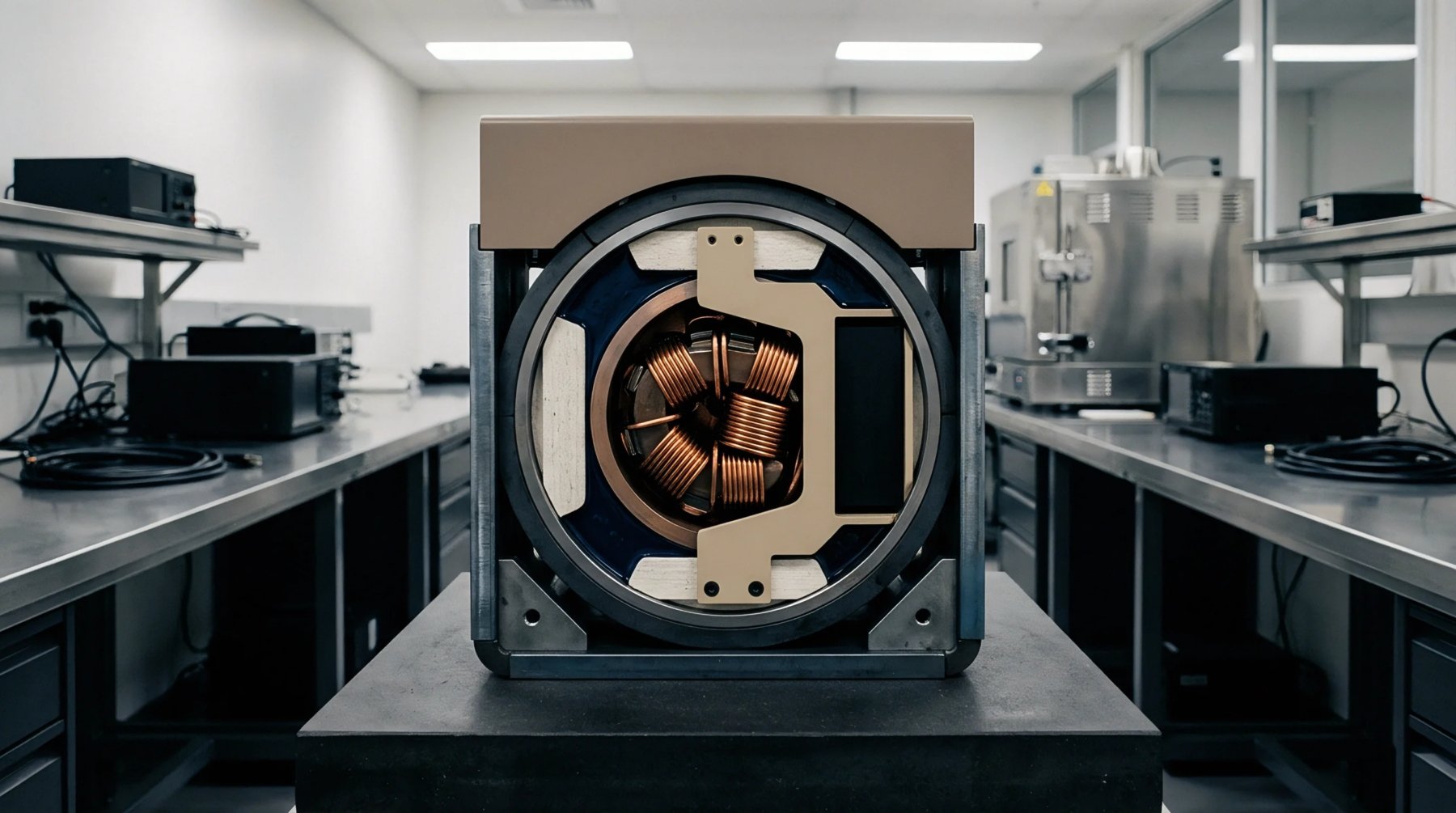
Metallic host enclosures alter RF emissions, turning module changes into Class II Permissive filings costing 6000 to 20000 USD over four to eight weeks.
Total isotropic sensitivity verification requires spherical anechoic testing to capture housing detuning and active internal EMI desense missed by conducted tests.

Co-located modular SAR permissive change compliance depends on distance, combined transmit power, and SPLSR calculations to avoid Class II testing.

Modifying host enclosure materials demands FCC permissive change evaluation when dielectric properties or metallic proximity alter radiated emissions or SAR values.

Host enclosure modifications invalidating embedded radio grants require fresh host-level testing and updated labeling prior to customs clearance.
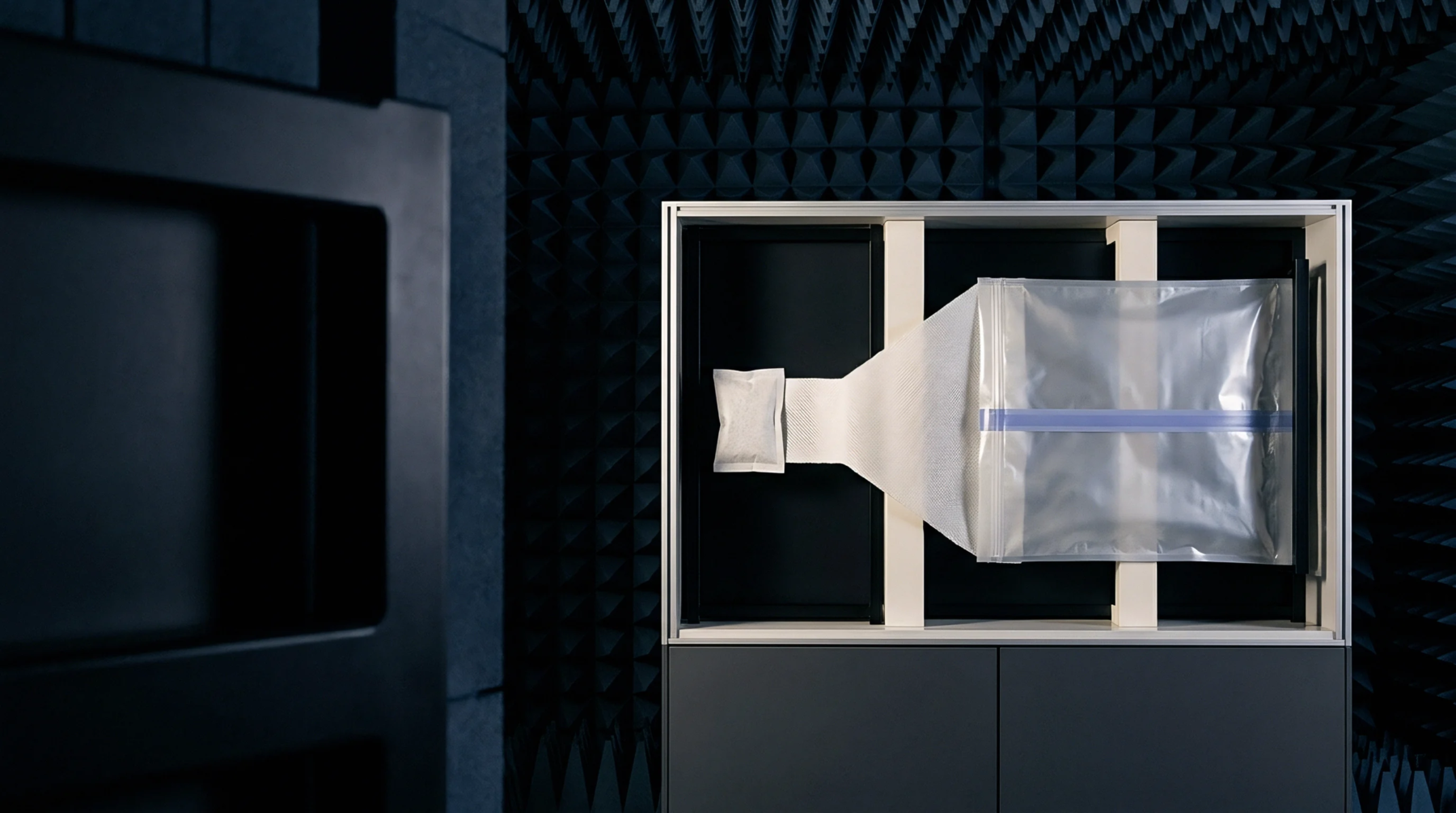
Internal RF coupling converts near-field reactive energy into unintended far-field emissions through enclosure seams, ground breaks, and unshielded host wiring.

Handheld exposure filings demand unified 1g and 10g spatial SAR test plans, tight proximity sensor power backoff logic, and deterministic firmware controls.

Co-located portable host radios require simultaneous SAR ratio summation or dynamic backoff validation when separation distance drops below twenty centimeters.

Host level re-testing for multi-transmitter industrial embedded devices requires evaluating simultaneous transmission intermodulation products inside a semi-anechoic chamber whenever antenna separation drops below 20 cm.

Potting encapsulation shifts multi-band antenna resonance via dielectric loading, requiring precise trace tuning and Class II Permissive Change filings.

Modular radio approvals cover baseline standalone performance, requiring host radiated spot checks to prevent spurious emission failures upon enclosure integration.

Host proximity near unlicensed module antennas degrades total efficiency and shifts harmonics over emissions thresholds requiring re-certification.
Expertise is a utility, not a secret. sentiention™ publishes its working knowledge as open reference: intelligence layer covering the materials it sources, the markets it enters, and the reference that serves both.