Meaning
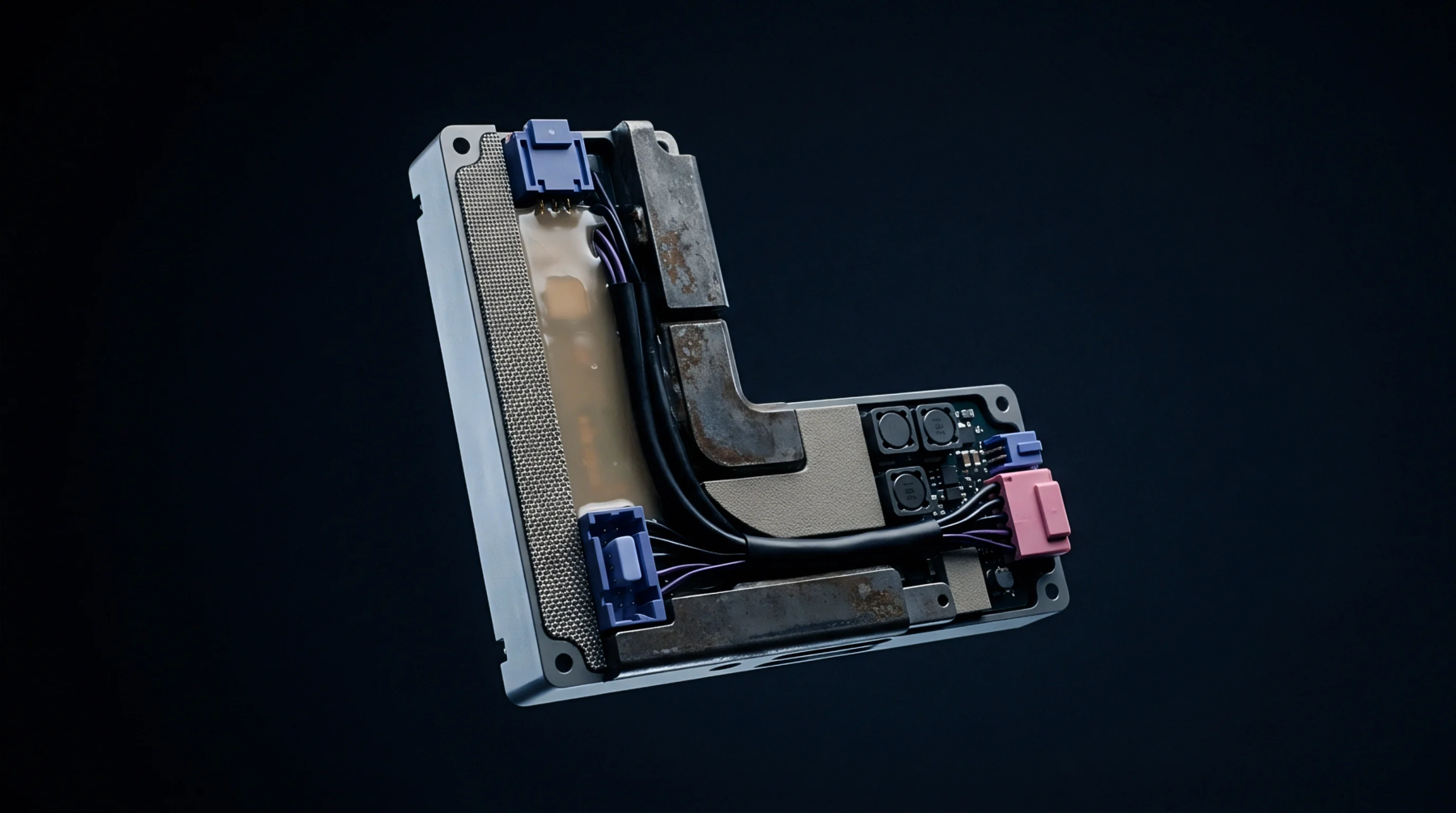
System validation rules govern how a pre-certified radio module is electrically and mechanically mounted onto a carrier circuit board. Product developers must establish host integration compliance to ensure that the combined assembly does not exceed the radiated emission limits defined by regulatory bodies. This standard applies to any smart device that incorporates an off-the-shelf wireless transceiver.
Interface Requirement
Shielded enclosures and clean power supply rails prevent the high-frequency clock signals of the main processor from bleeding into the sensitive radio circuits. Achieving host integration compliance requires the implementation of proper decoupling capacitors and low-pass filters on the power lines feeding the module. These passive components suppress conducted electromagnetic interference before it reaches the antenna.
Verification Sequence
Laboratory assessments for the integrated product involve measuring both spurious emissions and receiver sensitivity to confirm that the board layout does not degrade the transmitter performance. This verification for host integration compliance culminates in the generation of a test report submitted during the final product registration phase. If the transmitter is positioned closer than twenty centimeters to the human body, specific absorption rate testing must also be executed as part of this sequence.
Manufacturer Responsibility
Original equipment manufacturers must document all board revisions and layout changes to maintain their regulatory status. Failure to maintain host integration compliance can lead to product recalls or redesigns if market surveillance testing uncovers non-compliant emissions.