
Resolving Inter-Agency Permissive Change Discrepancies for High-Density Encapsulated Radio Subsystems
Matching dielectric change limits across FCC, ETSI, and MIC avoids regulatory re-filing traps when modifying encapsulated radio potting compounds.
Matching dielectric change limits across FCC, ETSI, and MIC avoids regulatory re-filing traps when modifying encapsulated radio potting compounds.
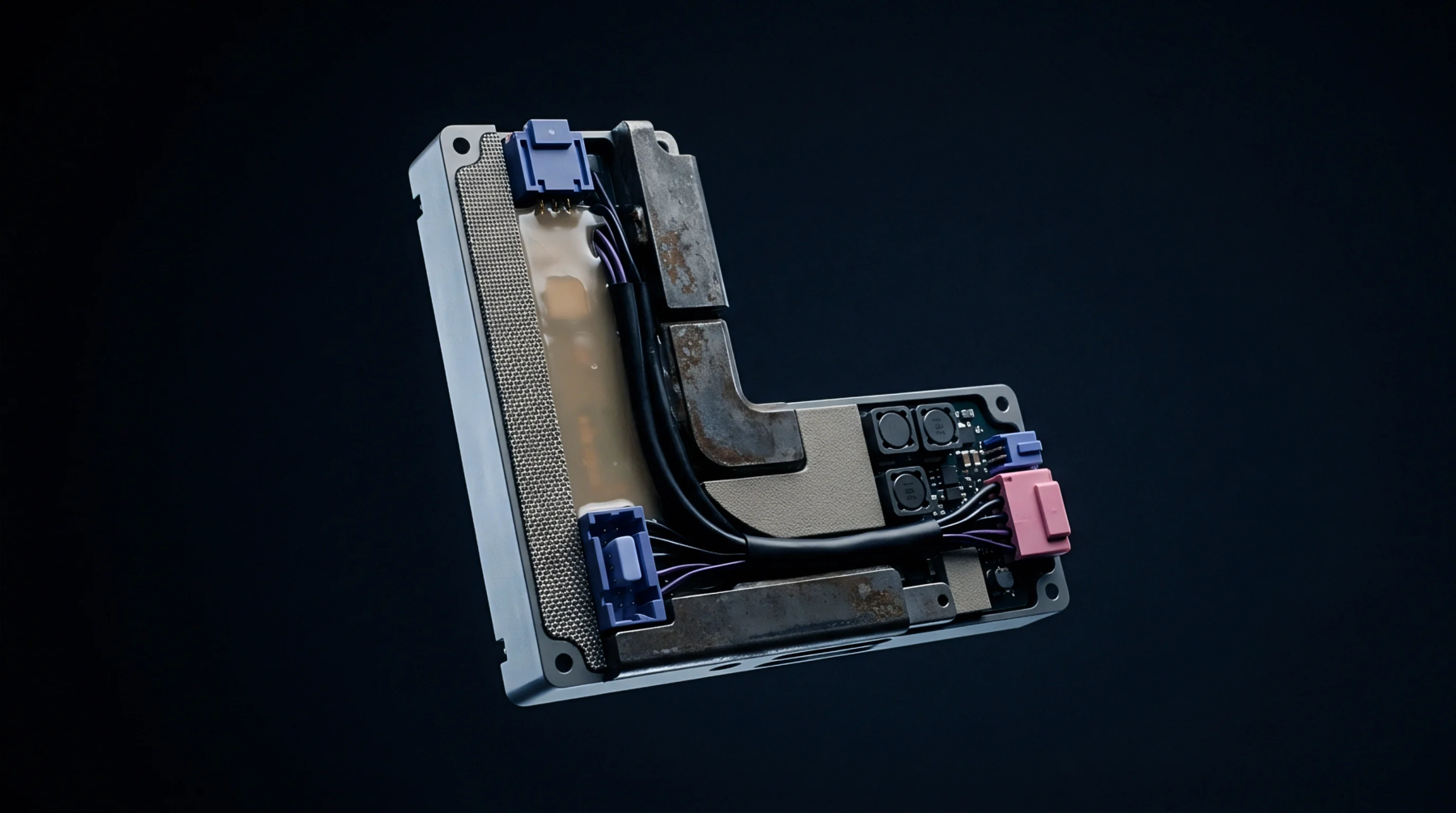
Internal metallic cavity modes coupling into co-located sub-6GHz radios create desense and spurious failures controllable by absorber placement and enclosure sizing.
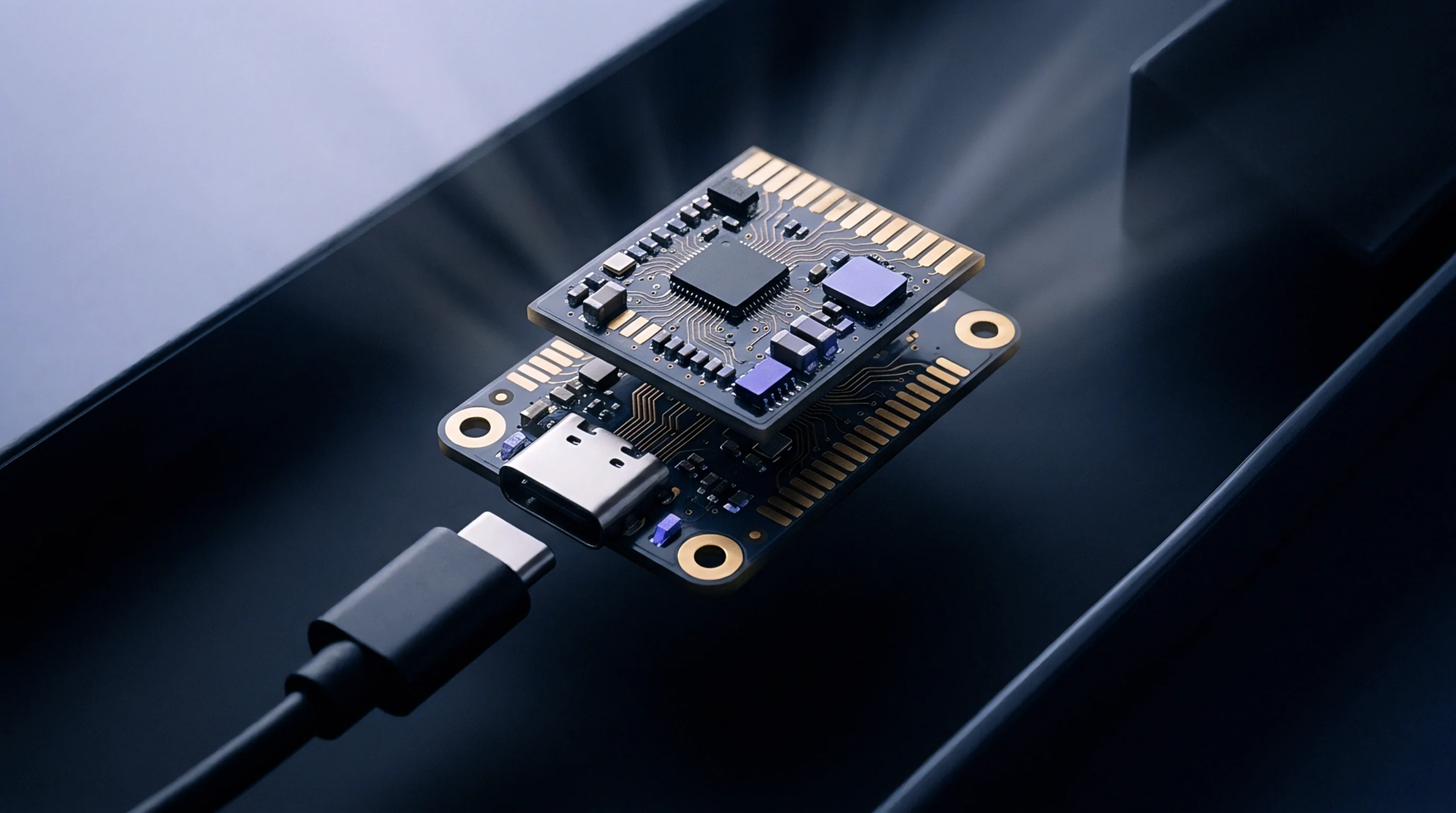
Dielectric loss tangent degradation in high-frequency fluoropolymer substrates accelerates insertion loss, reducing radiated EIRP and risking regulatory filings.

RF micro-coaxial insertion loss escalates through skin-depth resistance, dielectric loss tangent shifts, mechanical flex displacement, and atmospheric oxidation.
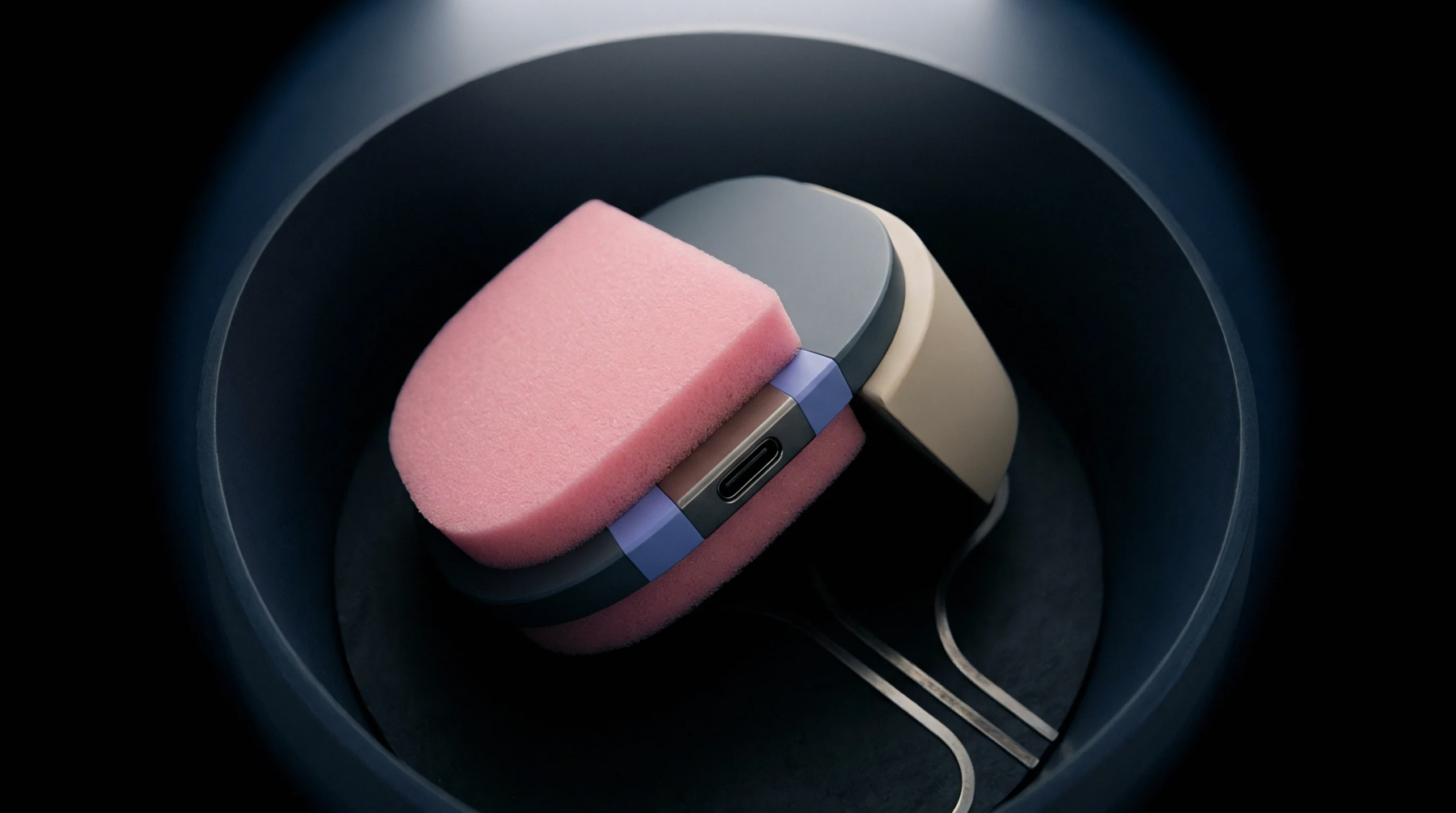
Substrate dielectric drift at 77 GHz alters antenna phase and EIRP, requiring strict raw material controls to prevent regulatory non-compliance and re-filings.

Polymer radome transmission loss at mmWave frequencies depends on dielectric loss tangent and wall thickness precision to maintain regulatory EIRP compliance.

Trap-rich polysilicon passivation pins interface charges on high-resistivity silicon, suppressing surface conduction and harmonic spur spikes across RF switches.
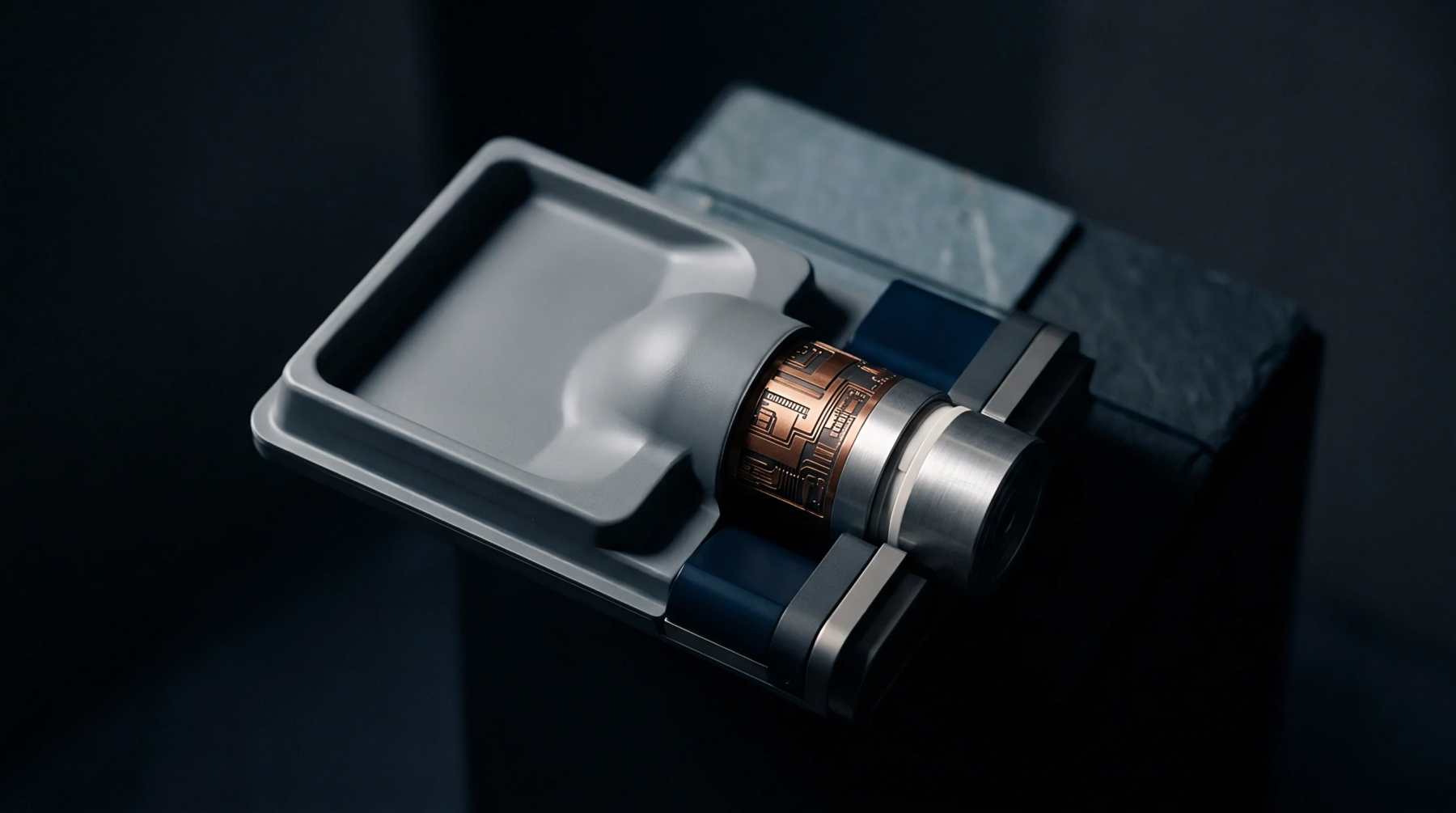
Conductive polymer composite absorption depends on balancing complex permittivity and skin depth to eliminate surface reflection and satisfy radiated emission limits.
Expertise is a utility, not a secret. sentiention™ publishes its working knowledge as open reference: intelligence layer covering the materials it sources, the markets it enters, and the reference that serves both.