Meaning
Measurement of the thermal energy absorbed by biological tissue per unit of mass provides the definition of specific absorption rate. Regulatory bodies establish limits for these values to ensure safety during the operation of wireless communications equipment. This metric quantifies the radiofrequency power deposited into a head or body volume through exposure to electromagnetic fields.
A standard unit for this evaluation is watts per kilogram. The scope of this definition covers equipment emitting radio waves within a range of frequencies that interact with human physiology. Compliance requires testing the device in proximity to a tissue equivalent phantom model, ensuring that the maximum level remains below the established ceiling during worst case transmission scenarios.
Compliance Qualification
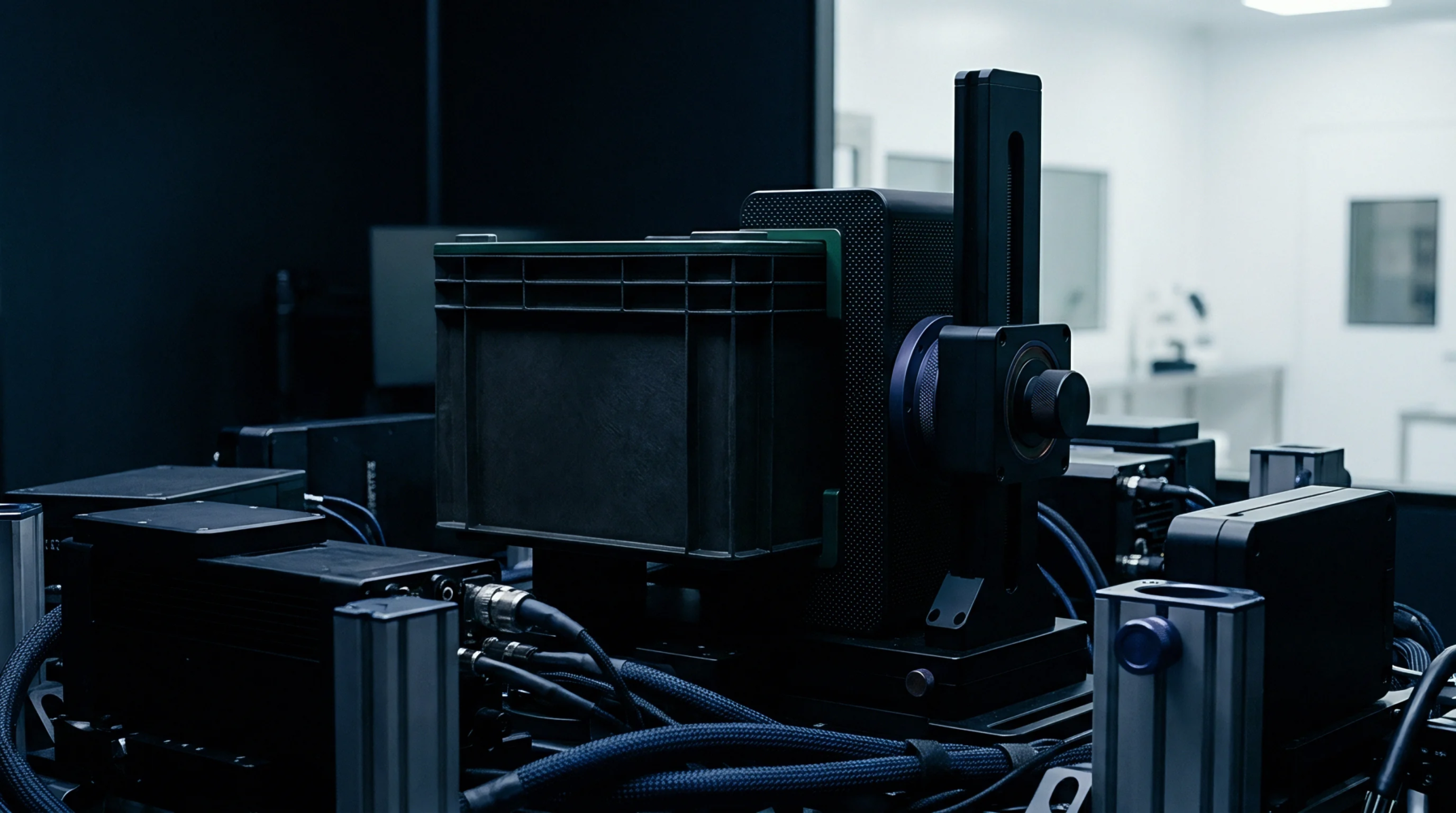
Manufacturers perform these measurements to demonstrate that a radio device meets legal safety standards. A formal handover document confirms that the antenna output power and the housing geometry remain within the permitted thermal energy boundaries. Testing involves a robotic probe that maps the field intensity throughout the internal liquid of the phantom.
Engineers adjust the transmit power to match the maximum duty cycle expected during actual usage. Differences arise between the laboratory validation of a raw component and the final assembly certification. A board layout impacts the radiation pattern, which modifies the power deposition density significantly.
Certification remains valid only for the specific enclosure and antenna configuration submitted for evaluation. Any modification to the internal hardware requires retesting to verify that the energy deposition remains consistent with the original safety data.
Measurement Protocol
Evaluation processes occur in controlled chambers lined with non reflective material to prevent interference from external signals. A phantom filled with a dielectric fluid mimics the properties of human muscle or brain tissue at the designated frequencies. The probe moves in a grid pattern to identify the location of the highest power concentration.
This peak value determines whether the hardware passes the mandatory limit. Integration of the radio module requires careful antenna placement to prevent hotspots near the surface of the casing. Cooling pathways and mechanical shielding alter the spatial distribution of the energy.
These factors influence how the test house records the final density values. Proper calibration of the equipment ensures the accuracy of the probe readings across the tested frequency spectrum.
Certification Constraint
Regulatory agencies mandate these assessments before the hardware reaches a commercial market. A device receives authorization based on the documented peak value averaged over a specified mass of tissue. This figure provides the legal basis for the legal sale of any wireless communication module.
The test sequence serves as the gatekeeper for product distribution. Global markets adopt harmonized standards to simplify the verification process for international exporters. Variations in technical requirements exist between countries regarding the mass over which the power averages.
A supplier provides the initial data, but the buyer validates the assembly to maintain adherence to the safety rules. Compliance with this safety benchmark defines the operational viability of any radio transmitting system.