Meaning
Harmonized electromagnetic compatibility standards published by the European Telecommunications Standards Institute establish technical performance criteria and test methodologies for radio communications equipment and associated ancillary electronic devices. Compliance with etsi en 301 489 provides a presumption of conformity with the essential electromagnetic compatibility requirements of the European Union Radio Equipment Directive. The document framework covers intentional wireless transmitters, receiver front ends and combined host digital systems.
The technical scope stops where product-specific wireless performance parameters fall under dedicated radio frequency equipment standards.
Modular Architecture
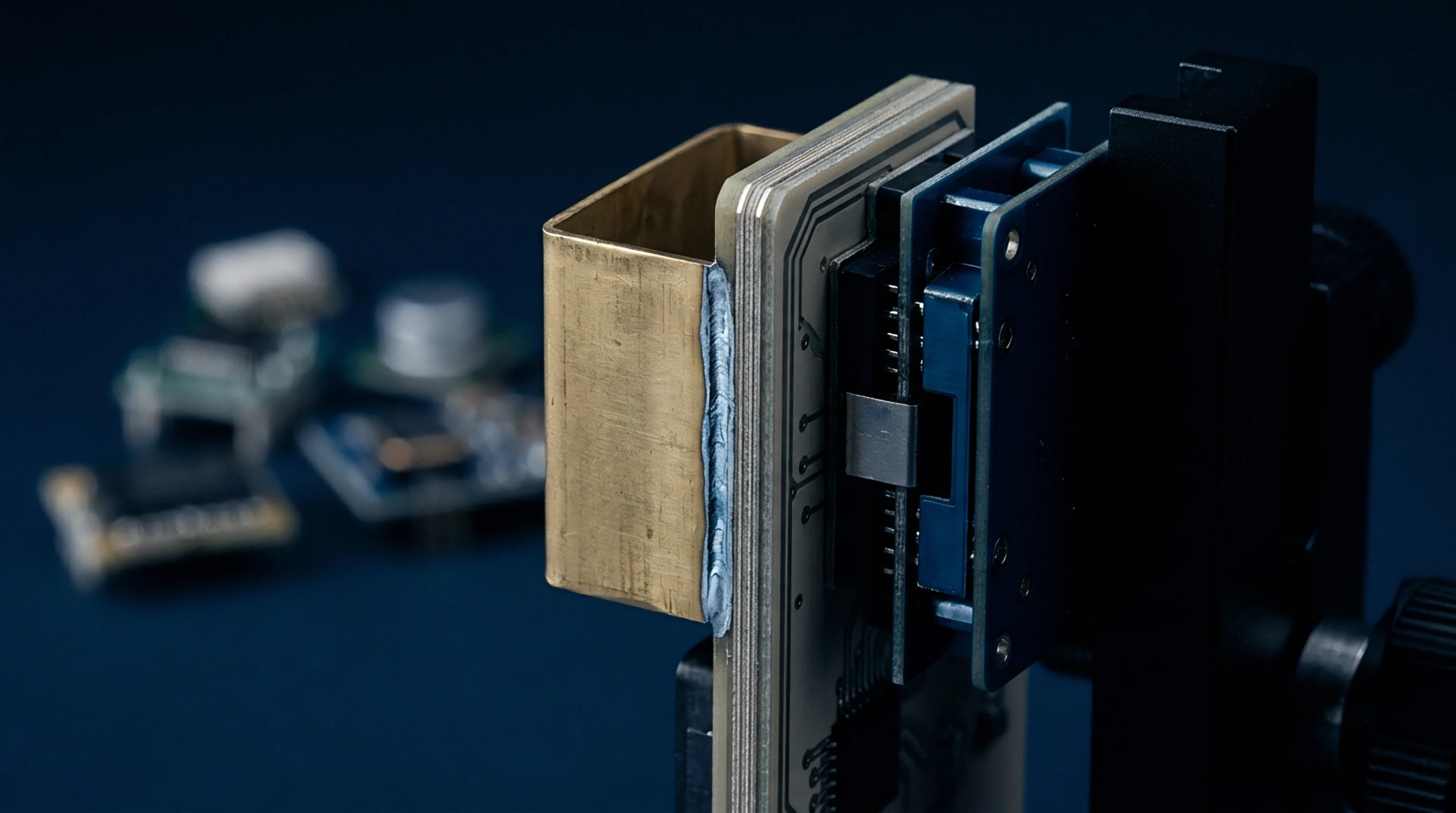
Multi-part documentation structures combine common general technical requirements with specific operational parts tailored to individual radio technologies. Generic evaluations defined in Part 1 combine with technology-specific standards, such as Part 17 for wideband data systems or Part 52 for cellular terminals, to evaluate composite devices under etsi en 301 489. This dual structure ensures that shared electromagnetic compatibility criteria apply uniformly across wireless platforms while addressing modulation-specific operating characteristics.
The combined evaluation verifies that digital processing circuits do not generate excessive unwanted radiation while the internal radio operates.
Immunity Requirements
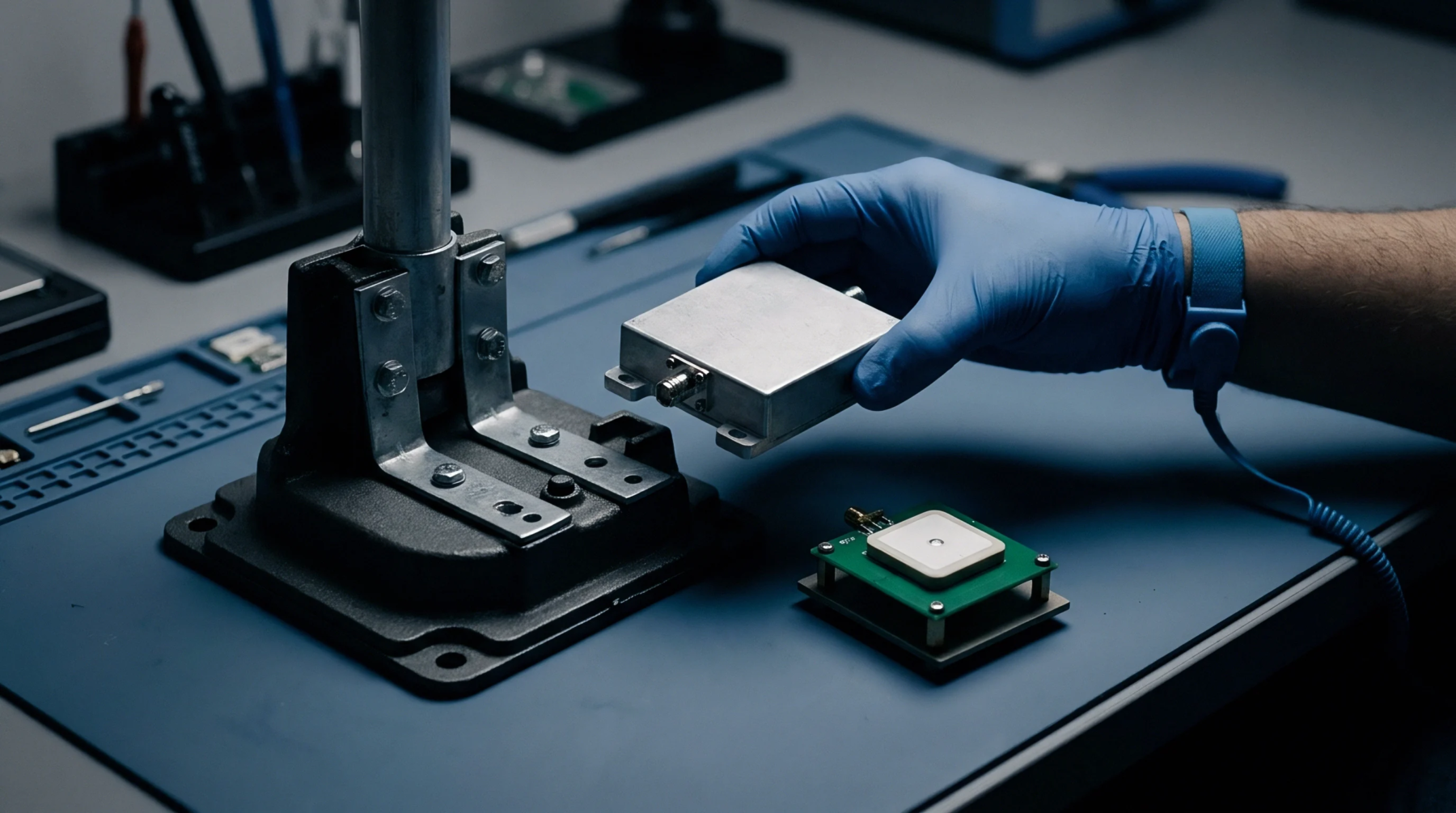
Physical laboratory assessments expose the host device to continuous radio frequency disturbances, electrical fast transients, surge pulses and electrostatic discharges. Functional evaluation protocols monitor continuous communication link operation, data throughput stability and device state transitions during applied electrical stress. Electrostatic discharge testing applies contact discharges to exposed metallic chassis points and air discharges to insulated plastic seams, verifying that transient voltage events do not cause hardware latch-up or permanent component destruction.
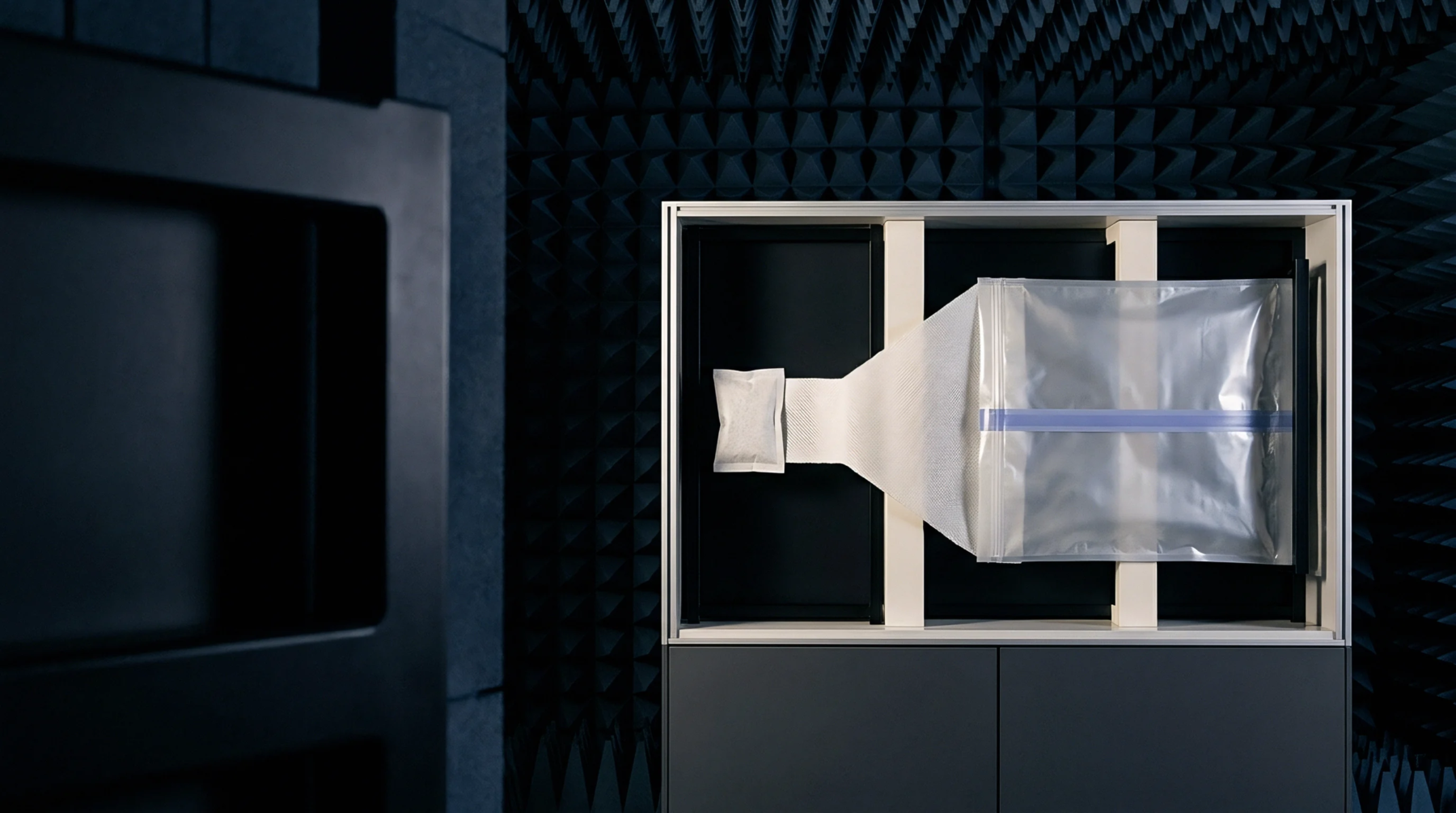
Radiated electromagnetic field immunity testing subjects the operating assembly to high field strengths across frequencies up to 6 GHz.
Compliance Management
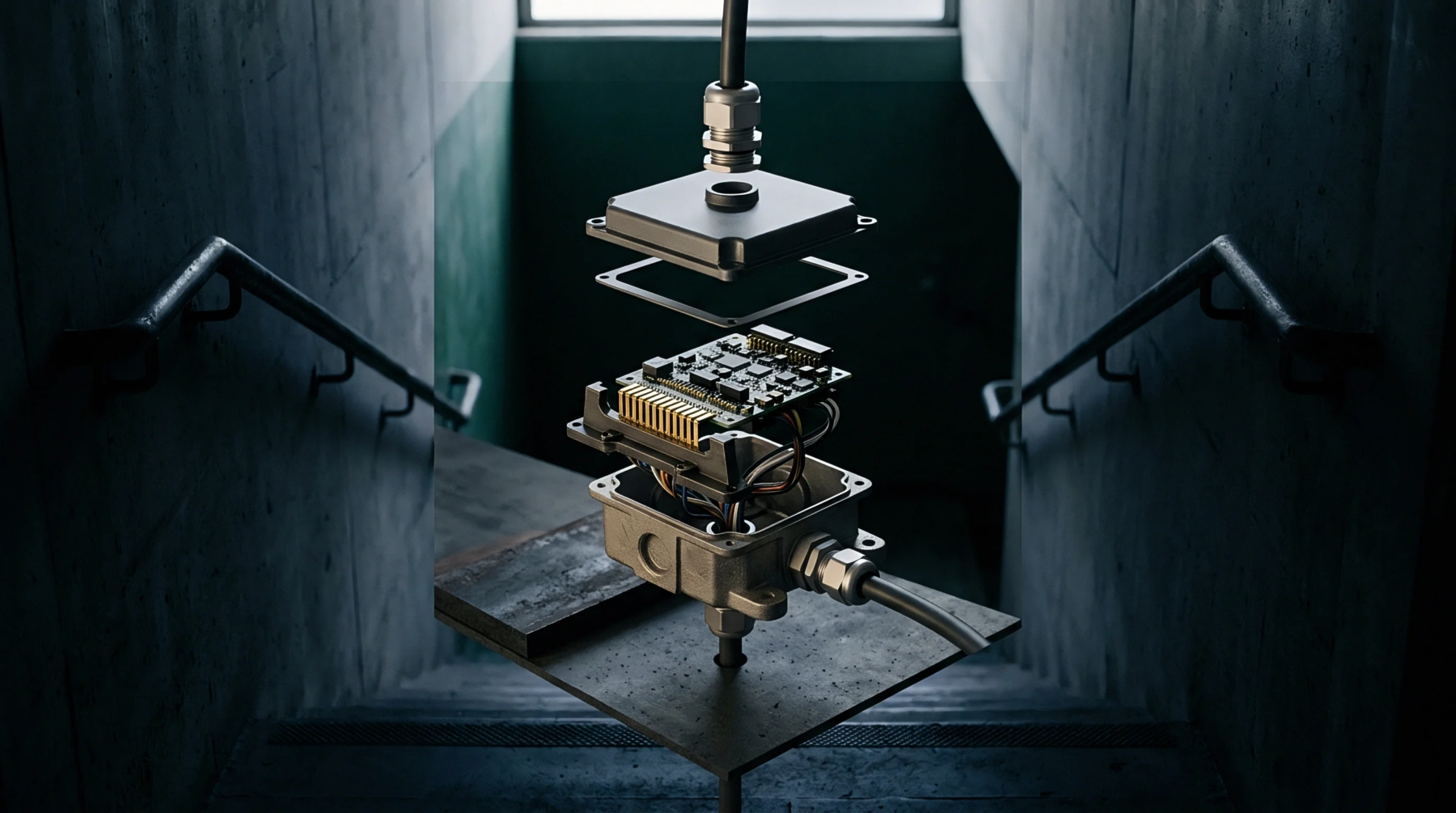
Integration of pre-tested wireless modules into complex smart host assemblies does not waive final product compliance obligations. Microprocessor switching noise, high-speed display interfaces and switched-mode power supplies can induce unwanted emissions across connecting cabling or the enclosure chassis. The finished commercial product must undergo comprehensive system-level electromagnetic compatibility testing with all radio subassemblies, peripheral ports and power delivery circuits fully energized.
Technical construction files must contain complete test reports confirming electromagnetic compliance before applying the CE mark.