
Navigating Module Certification Coverage Limits for Integrated Host Equipment
Modular certifications cover transmitters solely within defined antenna and trace boundaries; host integrators remain liable for unintentional and composite emissions.
Modular certifications cover transmitters solely within defined antenna and trace boundaries; host integrators remain liable for unintentional and composite emissions.

Dielectric potting swaps alter RF trace impedance and spurious emissions, requiring pre-scan testing and permissive change filings to maintain radio grants.

Encapsulating a certified wireless module requires permissive change evaluation whenever potting compound alters RF trace impedance or elevates spurious emissions.

Modifying modular radio traces or antenna layouts voids host grant rights, forcing Class II permissive changes or complete re-filings across global markets.

Firmware output power changes exceeding certified grant ceilings invalidate modular approvals, mandating Class II permissive changes to avoid market recall.

Unbuffered modular radio supply drops below grant limits invalidate modular approvals, transferring complete host intentional radiator certification burdens to integrators.

Effective radiated spurious suppression for modular hardware demands early PCB ground optimization, seam shielding, and systematic host pre-qualification testing.

Solid unbroken ground reference planes beneath surface-mount transceiver traces prevent radiated emission failures and protect modular certification grants.

Dynamic exposure averaging demands continuous conducted power and spatial field validation to secure regional type approvals across divergent regulatory windows.

Antenna spatial shifts inside enclosures breaching 20 cm or changing mutual coupling trigger mandatory Class II Permissive Changes and empirical SAR retesting.

Encapsulated beamformer compliance requires mapping temperature-induced phase drift against spatial power density limits across all operational steering states.
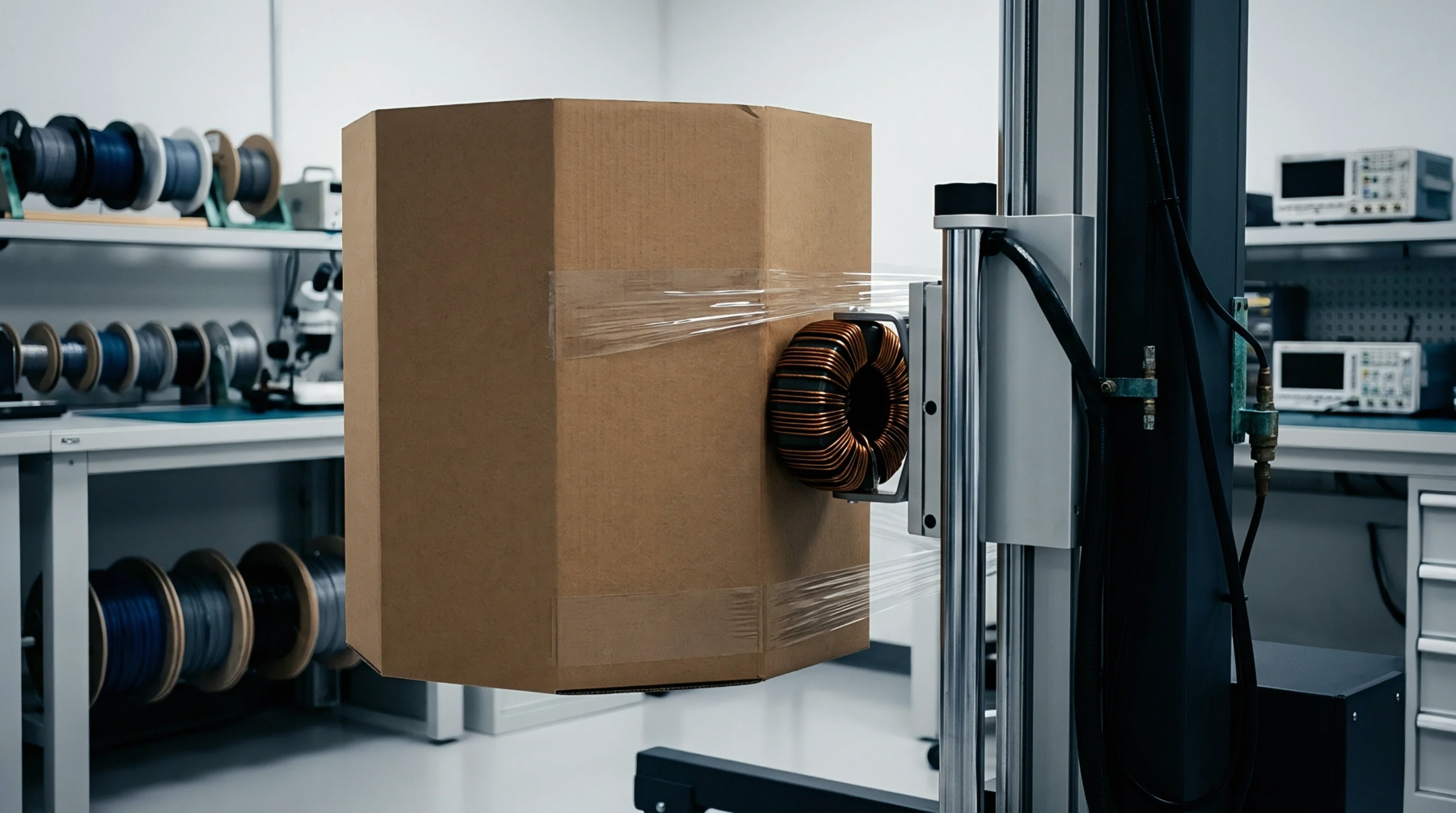
Heterogeneous RF packaging classification depends on internal component composition under HS Note 9 and physical shielding compliance under FCC 15.212.

Predictive tunneling models inside modular cavities isolate nonlinear junction intermodulation to prevent radiated spurious emission failures during lab approval.

Near-field common-mode coupling converts differential radio currents into radiated emissions, requiring low-impedance ground returns and filtered cable interfaces.
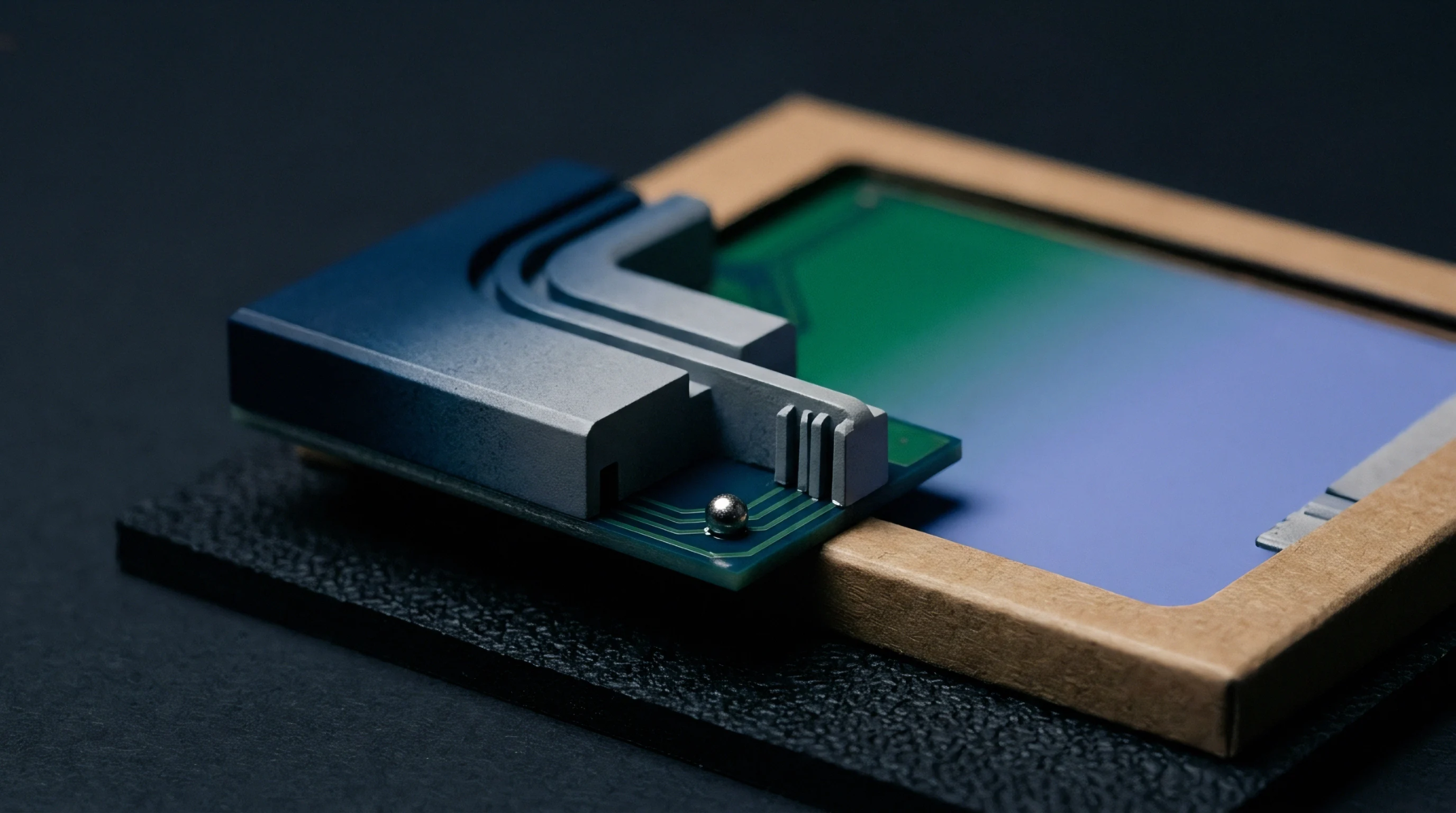
Isolating clock harmonics requires unbroken ground reference planes, near-field probe pre-scanning, and compliance spot-checks prior to formal qualification.

Metal seam contact pressure under 20 MPa generates nonlinear intermodulation products that fail multi-gigahertz host radiated emission limits.
Harmonizing radiated spurious testing demands standardized steel mounting plates, unified detector definitions, and harmonized test distances across global regulators.

Multi-transmitter RF exposure compliance depends on combined exposure ratios, antenna separation geometry, and host-level permissive change filings.

Modular radio approvals eliminate basic transmitter retesting but require strict adherence to layout specs, antenna gain caps, and host-level spurious checks.
Cavity resonances inside plastic enclosures shift emission peaks by altering internal field distributions, turning compliant modules into radiated failures.
Host integrators preserve modular radio grants by honoring layout trace guidelines, verifying host spurious emissions, and displaying external FCC identifiers.

Matching multi-band radio modules under HS 8517.62 aligns RF test grants with commercial invoice lines to clear port customs without red-lading.

Aligning RF modular grant specifications with GRI 3b essential character criteria secures binding tariff rulings and eliminates border reclassification exposure.

Software-activated radio modules face customs reclassification under GRI 2(a) and valuation additions under GATT Article 8 if dormant silicon contains functional RF front-ends.

Antenna substitutions in host products demand strict spot-check retesting and permissive change filings whenever peak gain or radiation patterns deviate.

Foreign manufacturers must secure KC grants via independent local representatives and technical escrow to prevent distributor lock-in and customs halts.

Commercial radio importers hold legal liability for verifying modular grants, maintaining local agents, and securing regional type approvals before customs entry.
Millimeter-wave phased array exposure limits in dense enclosures depend on vector near-field spatial summation and multi-band total exposure ratio validation.

Aligning subassembly marking with customs clearance requires verified modular grants, HTS accuracy, and explicit OEM assembly declarations on import manifests.
Expertise is a utility, not a secret. sentiention™ publishes its working knowledge as open reference: intelligence layer covering the materials it sources, the markets it enters, and the reference that serves both.