
Resolving Inter-Agency Permissive Change Discrepancies for High-Density Encapsulated Radio Subsystems
Matching dielectric change limits across FCC, ETSI, and MIC avoids regulatory re-filing traps when modifying encapsulated radio potting compounds.
Matching dielectric change limits across FCC, ETSI, and MIC avoids regulatory re-filing traps when modifying encapsulated radio potting compounds.

Hardware root of trust integration requires active bus testing and targeted permissive change filings to preserve modular radio compliance across global markets.

Resolving host enclosure resonances relies on identifying cavity modes and sealing seam apertures before submitting embedded radios for regulatory scans.

Modular grant pass-through rights terminate when host enclosure proximity or antenna modifications alter tested RF safety separation boundaries.
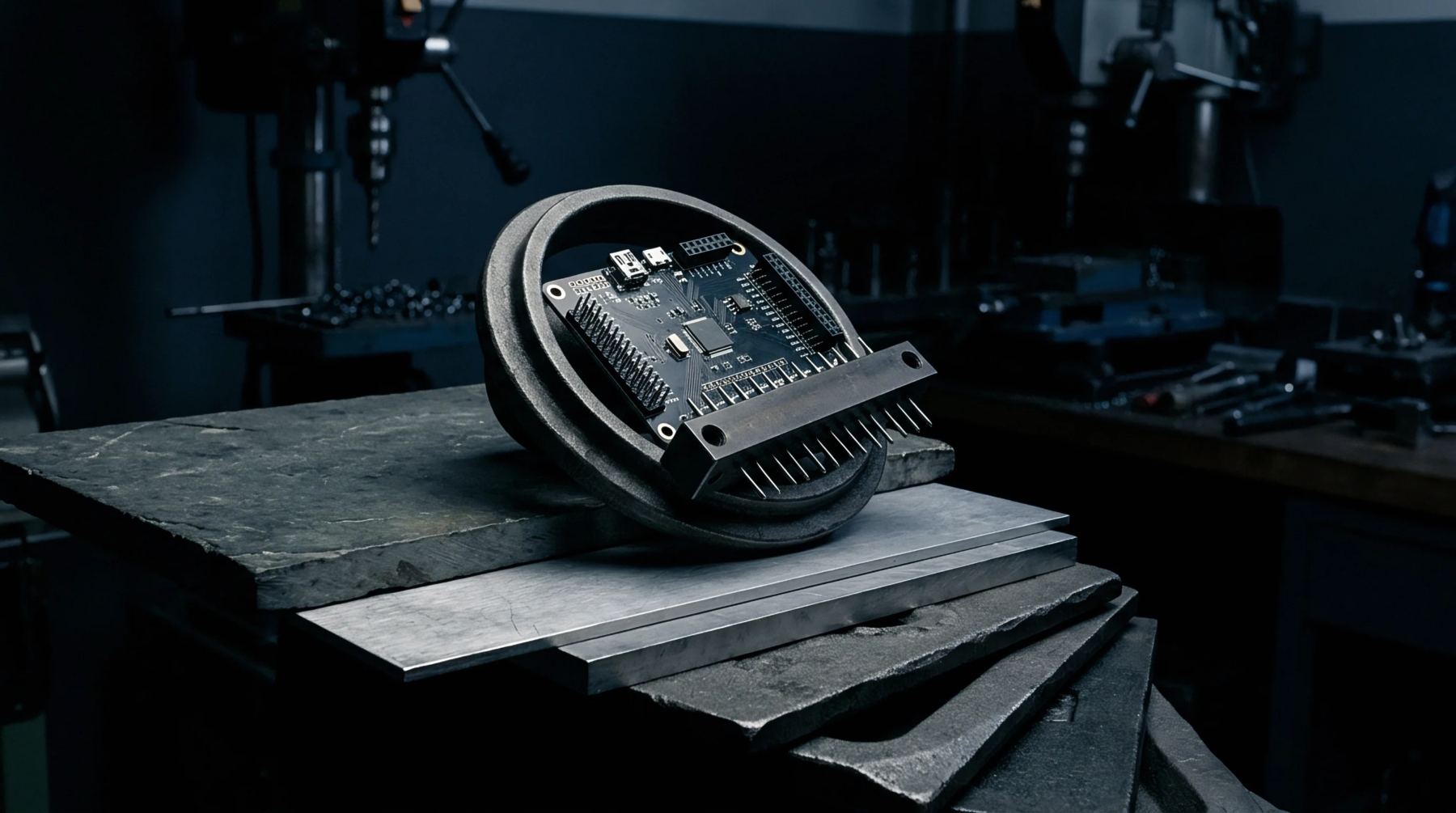
Foreign manufacturers must appoint a South Korean domestic representative to hold KC radio conformity grants and retain technical archives.

Radiated spurious scanning determines whether wireless host modifications qualify for Class I permissive status or demand Class II re-filing.

Automated port inspection of depleted imports relies on external capacitive energization to verify radio firmware without unsealing protective customs packaging.

Precise W-band dielectric characterization suppresses radome reflection, preventing boresight errors and eliminating costly regulatory recertification cycles.

Host integrators assume full regulatory liability for non-compliant RF exposure and spurious emissions whenever physical host enclosure coupling, antenna substitutions, or co-located radios deviate from original modular grant conditions.

Host integrators holding third-party radio modules assume transmitter regulatory liability through trace compliance, filing maintenance, and localized testing.
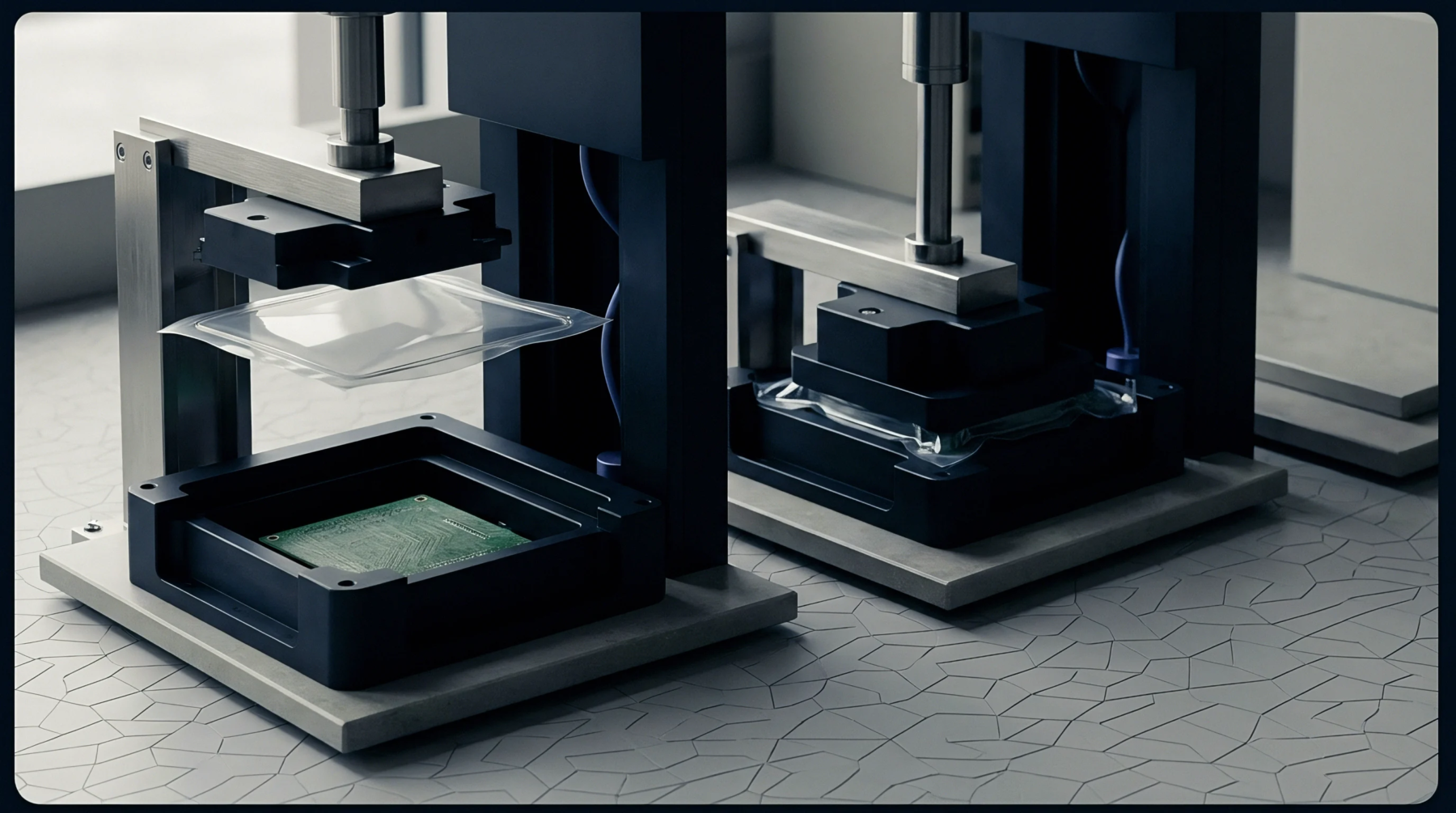
Classifying firmware delta impact before deployment prevents regulatory clock delays across multi-jurisdictional radio type approvals.
Modifying host enclosures or antenna gains triggers mandatory KC partial re-testing under South Korean RRA rules to avoid border holds and grant revocation.

Polymeric enclosure dielectric constant shifts alter near-field coupling and aperture resonance, detuning antennas and pushing radiated spurious emission harmonics across regulatory pass limits.
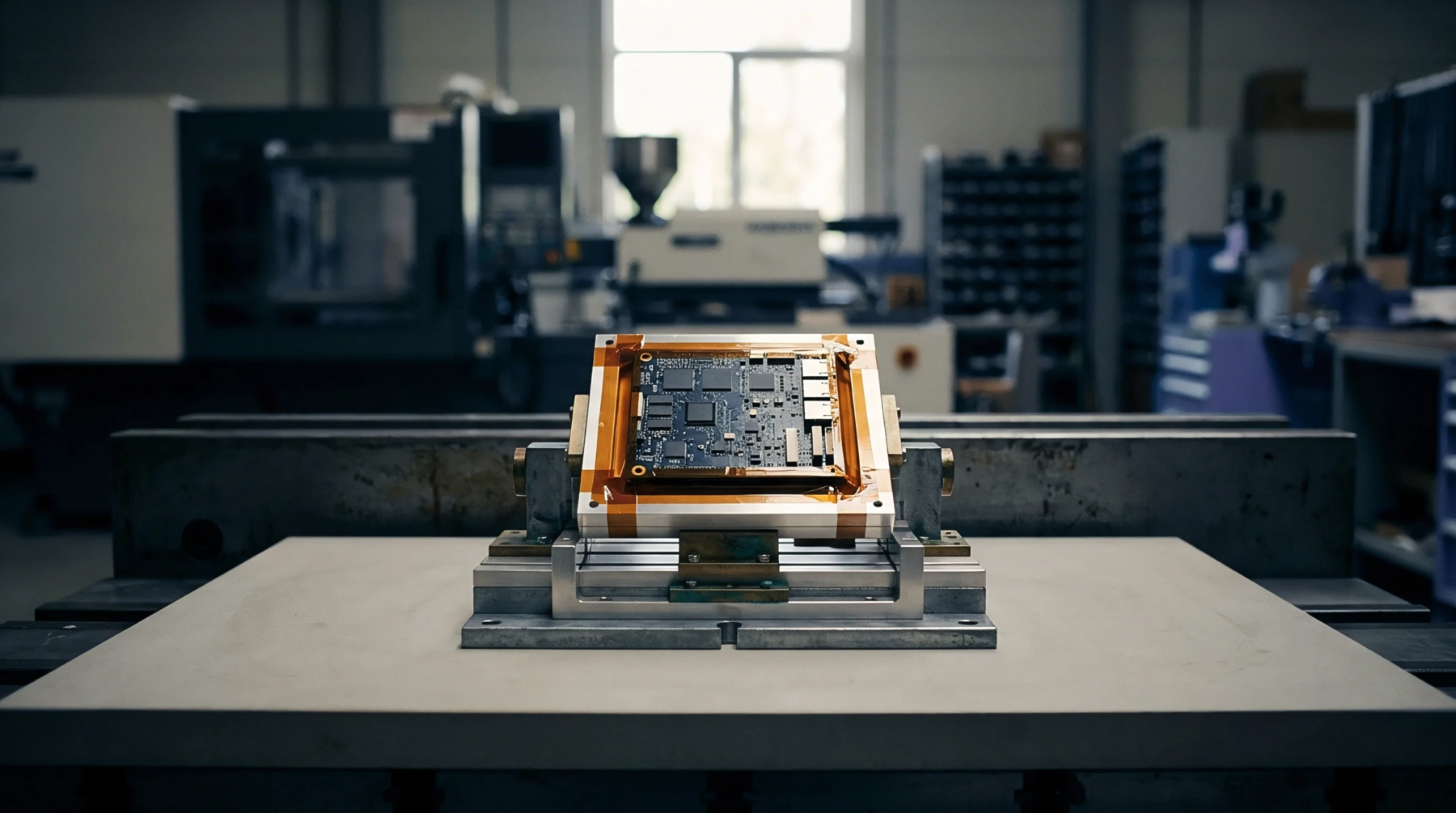
Host enclosure and trace modifications alter modular transmitter emissions, making radiated evaluation and permissive change filings mandatory for market entry.

Regulatory approval delays in Southeast Asian telecom markets erode margins through inventory holding costs, local re-testing, demurrage, and market obsolescence.
Electronic labeling eliminates physical marking on the chassis only when menu paths take under four clicks and packaging carries complete transit identifiers.
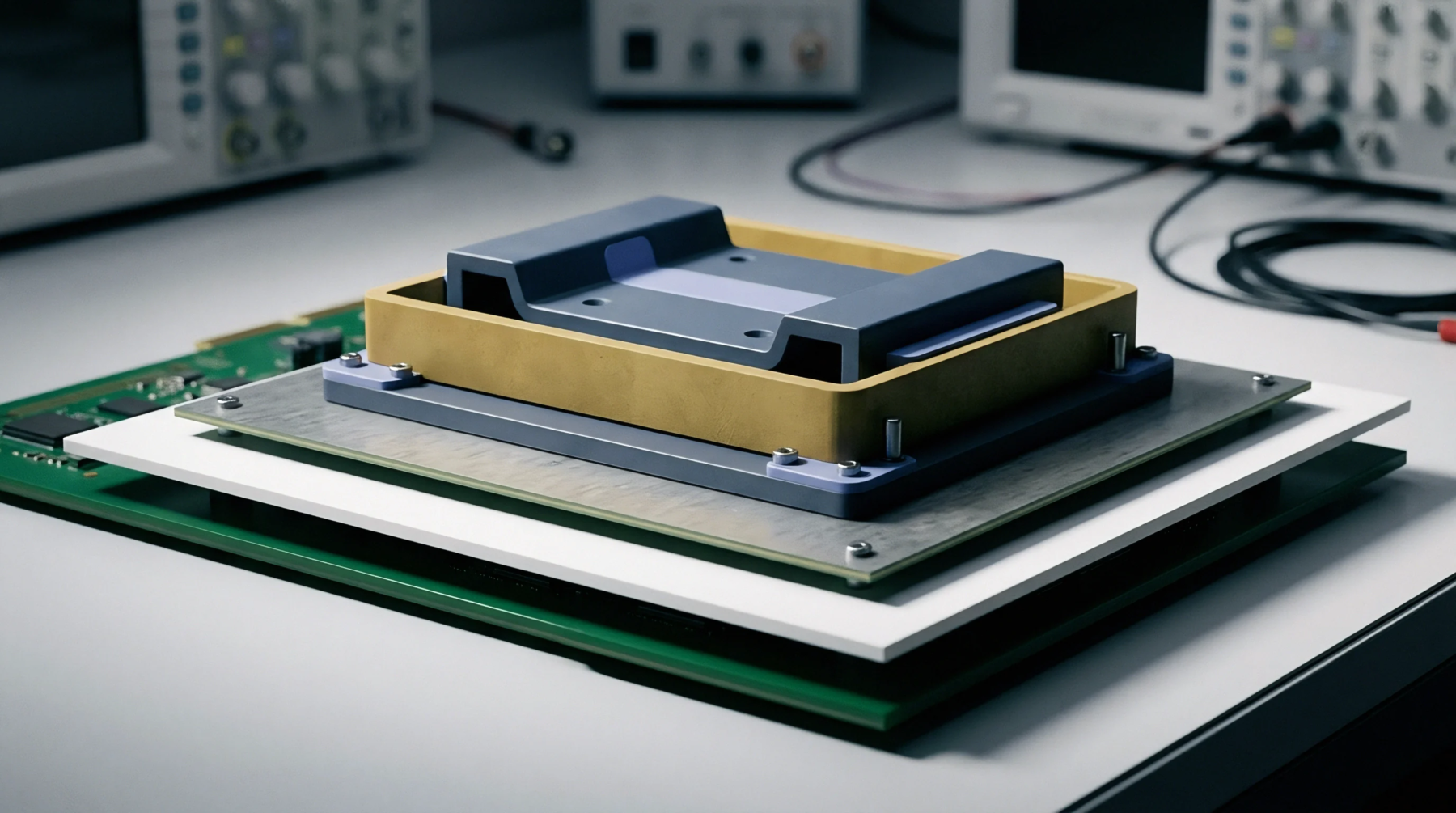
Cross-border radio verification requires accredited laboratory scope validation, standard gap analysis, and cryptographic document provenance at customs.

Modifications to encapsulated radio modules require Class II permissive change filings whenever conducted power increases or radiated emissions degrade.

Coordinating multi-radio permissive changes requires early intermodulation scanning, proactive grant transfers, and simultaneous SAR sum calculations before filing.
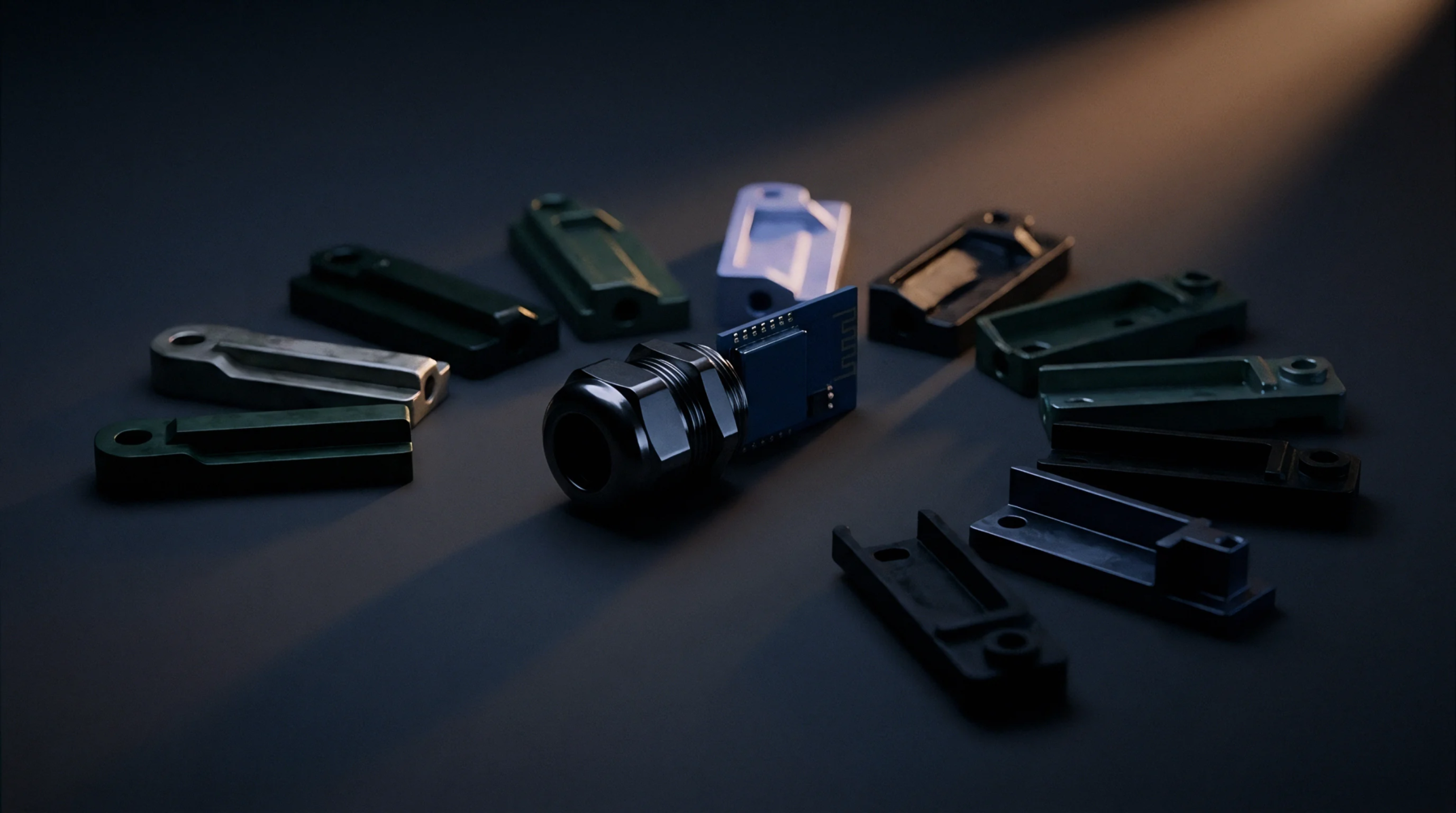
Adding potting compound to an unpotted RF module demands Class II permissive change re-testing if dielectric loading increases radiated spurious emissions.
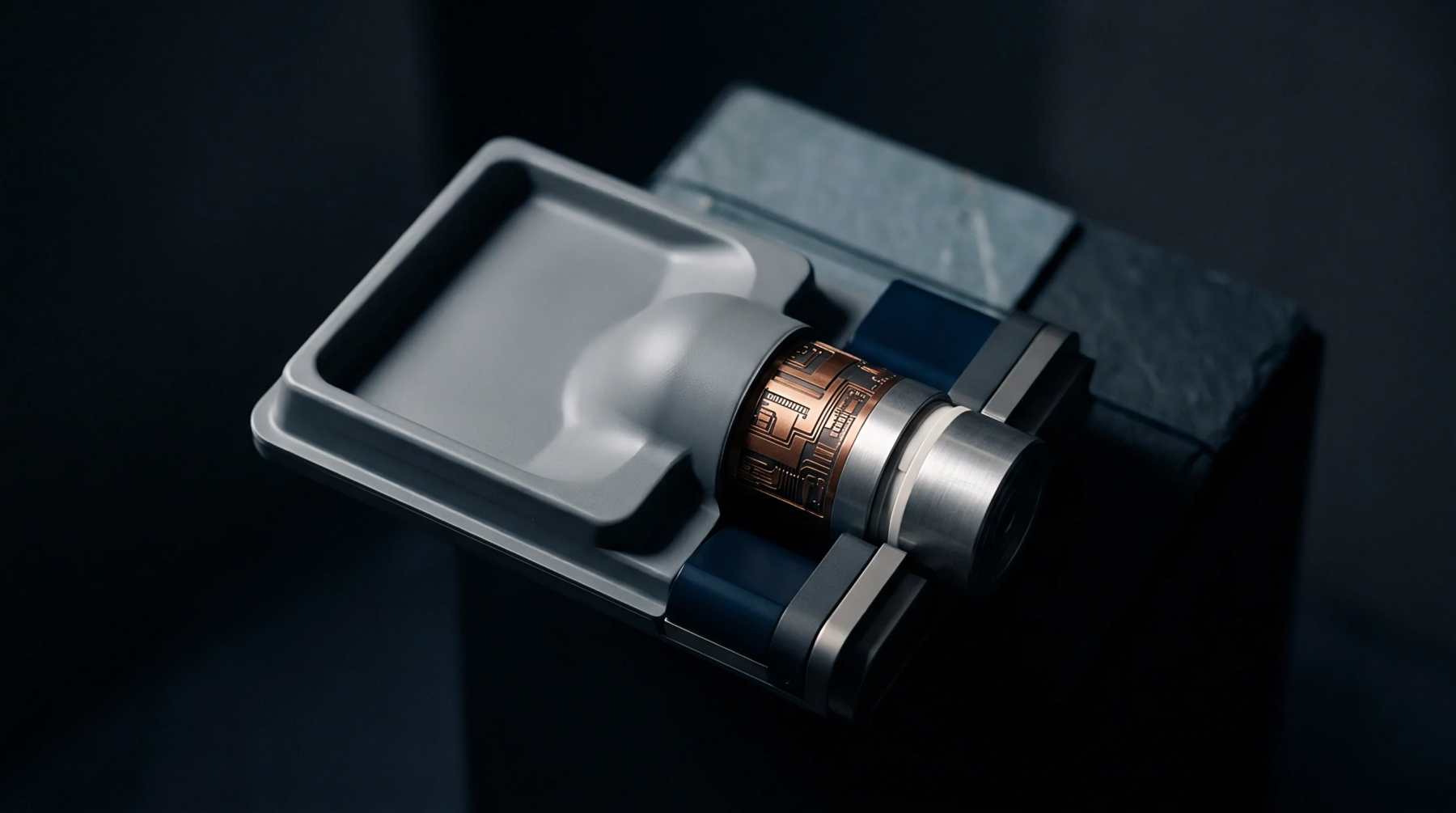
Modular approvals shorten filing lead times when host layouts preserve trace geometry, enforce shielding limits, and observe strict permissive change boundaries.
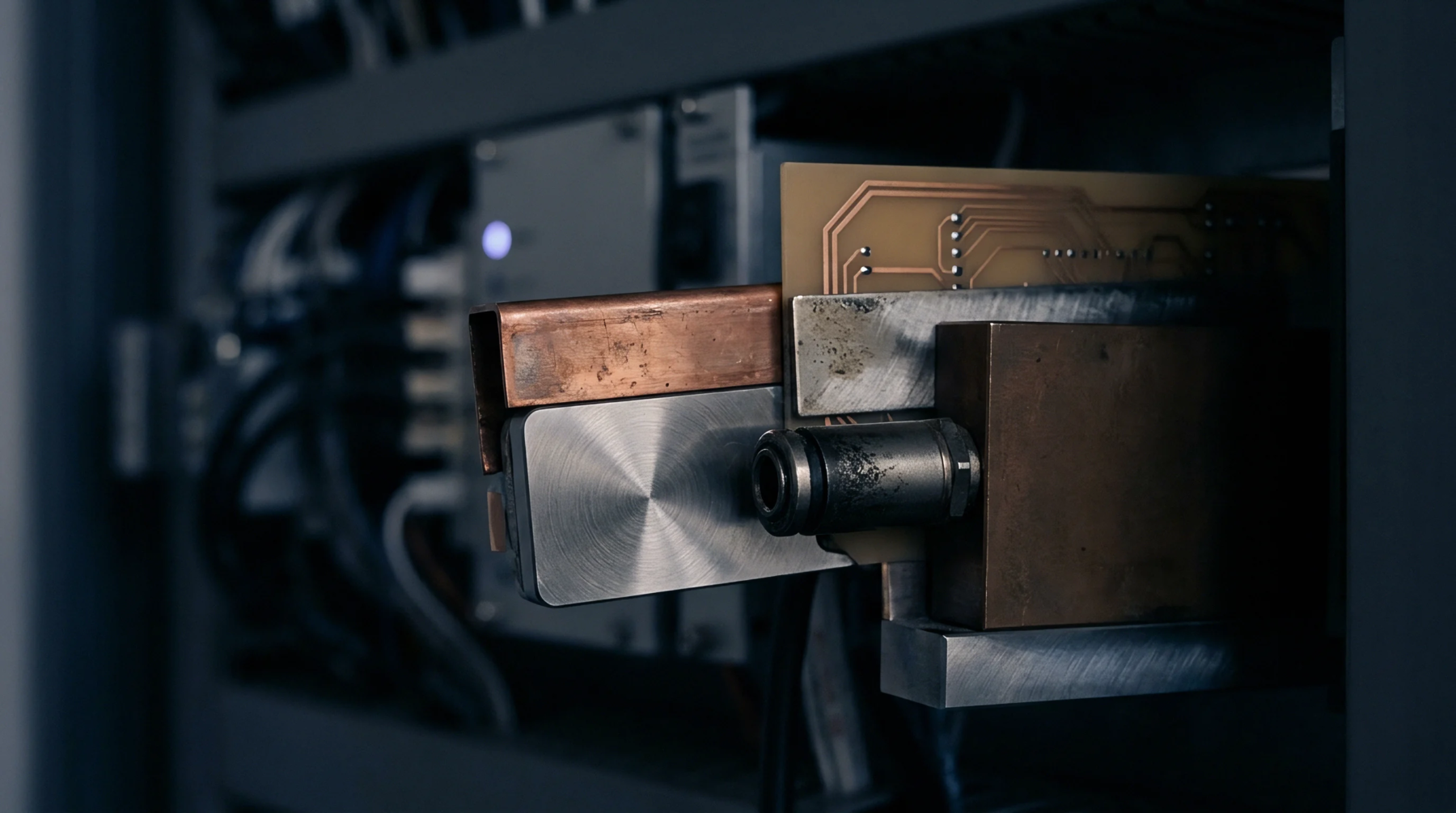
Verify import regulatory dockets by matching model identifiers, checking ISO/IEC 17025 lab accreditations, and auditing host modular integration scope.
FCC rule changes governing modular radios demand precise classification of trace, antenna, and proximity shifts to prevent illegal radiated emissions.
Modular radio approvals transfer strict radiated compliance obligations to host builders, requiring rigorous change classification and trace stackup control.

Enclosure seams and apertures control radiated harmonic leakage through transfer impedance, dictating gasket specs needed for global radio grants.
Expertise is a utility, not a secret. sentiention™ publishes its working knowledge as open reference: intelligence layer covering the materials it sources, the markets it enters, and the reference that serves both.