Resolving Essential Character Ambiguity for Post Importation Software Activated Radio Hardware Modules
Software-activated radio modules face customs reclassification under GRI 2(a) and valuation additions under GATT Article 8 if dormant silicon contains functional RF front-ends.


Silicon
Baseband transceivers routinely arrive at ports of entry with disabled mixer stages or suppressed local oscillators. Even when initial bootloader code leaves those functions unaddressed, the physical silicon on the board still carries the fabricated RF front-ends, mixer switches, and power amplifier traces. Customs inspectors and market surveillance authorities evaluate incoming modules by examining physical semiconductor architecture rather than accepting vendor declarations about current operational states.
If a chip houses a complete transmission path, the physical capacity to emit radio frequency energy remains present; enabling those dormant blocks later via software turns what arrived as a digital processing card into an intentional radiator.

RF Path Presence and Physical Hardware Identity
Border inspectors evaluate printed circuit boards by identifying intentional radiator architecture within surface-mount components. ASICs frequently combine multi-band RF synthesizers directly with digital baseband processors to unify global production runs, leaving dormant amplifiers exposed to physical inspection. When traces physically connect baseband silicon through high-frequency matching networks to external antenna ports, customs authorities classify the assembly as a transmitter.
Software flags that pin local oscillators low do not undo those physical pathways. In electromagnetic compatibility chambers, passive coupling tests pick up dormant traces readily, confirming the presence of radio hardware even if software suppresses transmission during entry scans.

General Interpretation Rules for Incomplete Electronics
Customs authorities apply General Rule 2(a) when unpopulated filter pads maintain circuit continuity for high-frequency transmission. The General Rules for the Interpretation of the Harmonized System dictate whether an unfinished article already exhibits the essential character of a complete radio module at the border. Hardware carrying RF silicon, crystal oscillators, and trace antennas meets the threshold for complete transceivers under primary tariff schedules.
Hardcoded register locks in flash memory do not stop authorities from assigning HS codes intended for operational radio gear. Drawing the line between generic data cards and transceivers comes down to whether physical modifications are needed to transmit or whether flashing firmware alone activates the radio.
Dormant silicon registers hold the board in a generic digital signal processing state, yet the physical circuitry remains wired for transmission before any software load files enter memory.


Customs
Classifying imported hardware under the Harmonized Tariff Schedule demands analyzing whether dormant radio components establish the essential character of the shipment under General Rule Three Beta. Hardware modules imported with unpopulated front-end filters or locked bootloaders often attempt entry under heading 8517.62 for digital processing machinery to avoid radio equipment tariffs and regulatory clearances. Reclassifying those imports into heading 8517.69 or heading 8517.12 occurs when customs officials determine that the primary commercial purpose of the underlying silicon is radio transmission.
Physical inclusion of an unpopulated radio frequency front-end on a printed circuit assembly determines classification when dormant traces connect directly to external antenna connectors.

Essential Character Test under Tariff Headings
Evaluating essential character involves balancing physical component costs against the module’s broader capabilities. When baseband transceivers and RF power amplifiers account for over sixty percent of the bill of materials on an inactive board, tariff authorities dismiss arguments that the import is merely a microcontroller card. Customs officers inspect physical circuit paths, using low-noise amplifiers, switches, and antenna pads to establish product identity prior to software configuration.
Importers declaring these units as non-radio peripheral cards face retroactive duty recalculations once field updates activate RF transmission modes.

Dormant Circuitry and Tariff Schedule Classification
Assemblies fitted with dormant power amplifiers receive HS codes based on their baseline hardware build rather than default factory execution states. The technical review looks at whether the digital signal processor depends on external RF circuits or whether the entire radio chain is already on the board. Tariff classification decisions across international jurisdictions consistently treat complete printed circuit boards containing dormant RF silicon as complete functional units.
Customs valuation teams collaborate with technical testing houses to execute software unlocking scripts during customs holding periods, establishing whether functional radio transmission occurs without physical soldering or component additions.
| Entry State | Post-Importation Trigger | HS Code Assignment | Duty Rate Variance (%) | Regulatory Impact |
|---|---|---|---|---|
| Locked Baseband Processing Card | Firmware License Key Activation | 8517.62.00 | 0.0 | Standard EMC Clearance Required |
| Populated Front-End with Locked Local Oscillator | Encrypted Cloud Software Payload | 8517.69.90 | 2.5 – 4.8 | Radio Equipment Directive Access Verification |
| Complete SDR Board with Muted Power Amplifier | Local User Command Line Execution | 8517.12.00 | 6.0 | Full Type Approval Grant Required |
| Multi-Band Silicon with Restricted Frequency Table | Regional Over-The-Air Update | 8517.62.00 | 0.0 | Permissive Change Filing Mandatory |
Evaluating import compliance requires checking physical board layouts against specific documentary criteria to defend declared customs positions:
- Traced Antenna Connections establish direct physical coupling between silicon transceivers and external output ports on imported circuit boards.
- Mounted Power Amplifiers demonstrate intentional high-frequency radiation capability regardless of current software enable flags inside onboard memory.
- Dedicated Synthesizer Crystals supply required clock stability for regulated radio frequency bands across target regional markets.
- Hardwired Filtering Structures indicate permanent allocation to designated cellular or local area wireless frequency bands.
Hardware containing populated power amplification circuitry receives classification as a complete transmitter regardless of initial bootloader locks.


Firmware
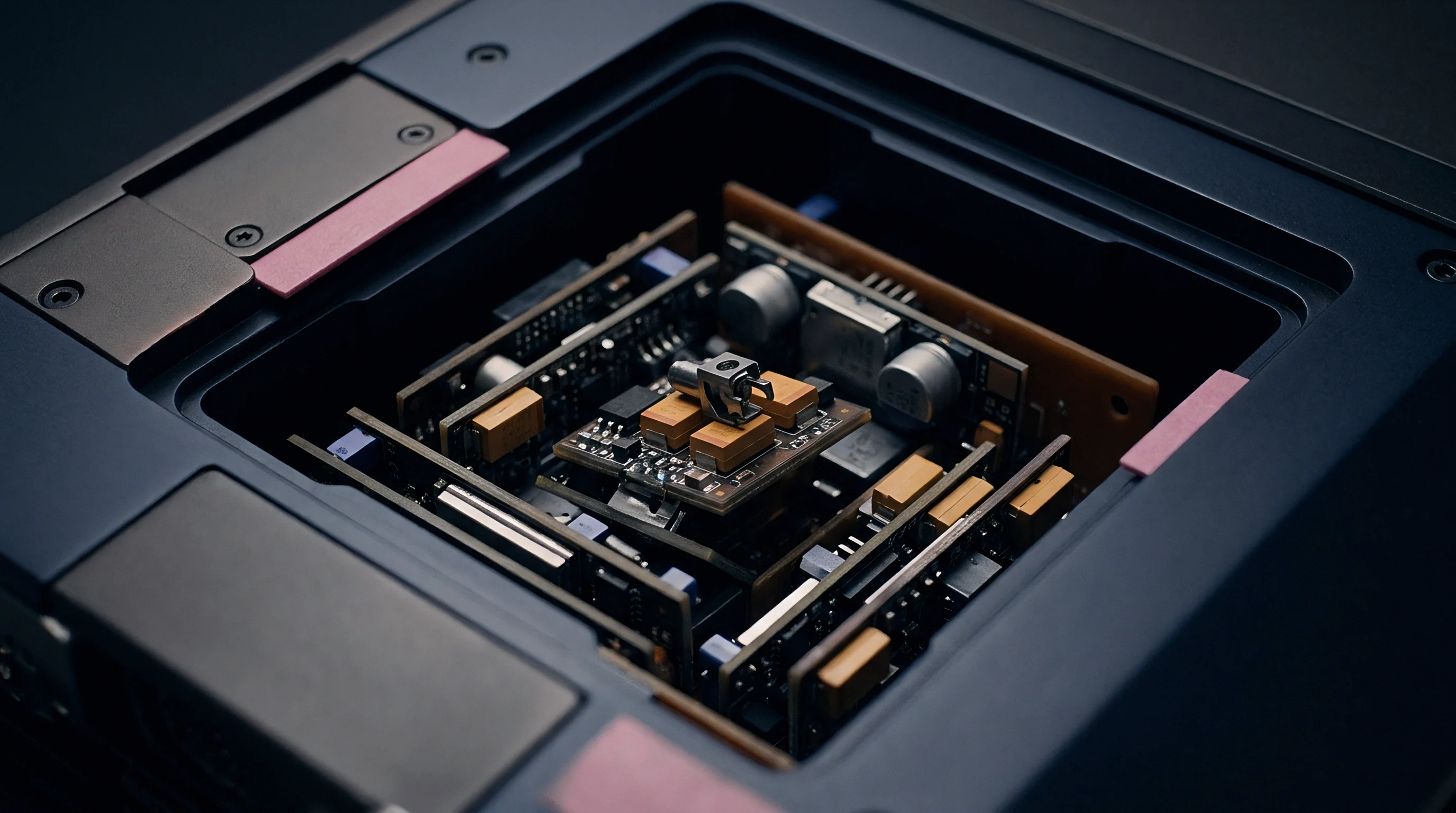
FCC grant provisions under Section 2.944 allow manufacturers to modify operating parameters through cryptographically signed updates. Software Defined Radio approval paths require equipment authorizations that account for post-importation feature activation mechanisms. When radio modules ship with dormant frequency bands or adjustable power levels, regulatory compliance filings declare exact software security frameworks preventing end-user modification.
Market approval grants hold host integrators liable when imported baseline modules become uncertified transmitters through post-importation software updates.
Software Defined Radio Filing Mechanisms
Authorization procedures under Software Defined Radio rules require filing complete software security descriptions with Telecommunication Certification Bodies. Testing houses evaluate software control mechanisms by proving that unauthorized binary images fail execution checks during system boot sequences. Unlocking frequencies changes the tariff heading.
The Federal Communications Commission classifies software updates that alter modulation formats, operating frequencies, or maximum output power as Class III permissive changes or fresh equipment authorizations. Failing to secure a Class III grant prior to deploying post-importation software updates invalidates original equipment grants, rendering imported stock illegal for commercial sale.
Compliance under ETSI EN 300 328 Clause 4.3.2.2 requires cryptographic verification of firmware images to prevent unauthorized user access to restricted frequency bands.

European Reconfigurable Radio Compliance Requirements
Harmonized standards under the Radio Equipment Directive bind host integrators to control software access through locked memory regions. European market surveillance authorities inspect reconfigurable radio modules under Article 3.3 Clause i guidelines to verify that software uploads cannot force devices into non-compliant transmission modes. Test laboratories verify that public key infrastructure implementations prevent third-party firmware from unlocking restricted spectrum.
A single missing digital signature validation check within an imported module’s bootloader invalidates CE compliance declarations, exposing distributors to sales bans across member states.
| Jurisdiction | Regulatory Mechanism | Unlocked State Requirement | Cryptographic Proof Mandate | Re-test Trigger |
|---|---|---|---|---|
| United States (FCC) | 47 CFR § 2.944 SDR Guidance | Class III Permissive Change or Fresh FCC ID | RSA-2048 or ECC SHA-256 Signatures | Power Level or Bandwidth Modification |
| European Union (RED) | EN 300 328 Clause 4.3.2.2 | Declaration of Conformity Update | Secure Boot with Vendor Trust Anchor | Access to Non-Harmonized Bands |
| China (SRRC) | Radio Regulation Board Type Approval | Fresh SRRC Certificate Filing | Factory Hardcoded Register Locks | Any Operating Parameter Expansion |
| Japan (MIC/Giteki) | Technical Regulations Conformity | Category Amendment Notice | Hardware Enclave Key Storage | Change in Antenna Gain or Modulation |
Executing software verification procedures ensures post-importation activation flows remain compliant with initial type approvals:
- Generate SHA-256 binary hash values for initial factory bootloaders at manufacturing facilities.
- File baseline EMC test data with accredited test houses under minimal output configurations.
- Transmit locked cryptographic signatures to authorized border representatives prior to shipment dispatch.
- Record post-importation license code generation within centralized audit ledgers.
- Apply final software activation payloads through encrypted firmware update routines during local staging.
Section 2.944 paragraph B of Title 47 forces grantees to maintain absolute control over software loading mechanisms, changing vendor liability when end users bypass regional frequency restricts.


Valuation
Customs auditors scrutinize transaction records to determine whether post-entry feature activation fees represent conditions of sale for the delivered modules. GATT Article 8 valuation rules govern how downstream software fees must be folded into dutiable hardware values. Importers who clear bare radio hardware at nominal prices while paying connected foreign entities for feature licenses face severe transaction value revisions during post-clearance audits.
If software keys merely activate physical silicon that crossed the border on day one, revenue authorities routinely treat those payments as part of the hardware’s dutiable value.

GATT Article Eight Software License Inclusions
Under established valuation principles, royalties and license fees must be rolled into physical import prices whenever activation is essential to operating the equipment as intended. Splitting transactions into separate hardware invoices and software contracts reliably attracts regulatory attention. If physical modules cannot fulfill their intended commercial role without purchasing post-importation software unlock keys, customs officers add license costs directly to declared CIF values.
Adjustments apply regardless of whether software distribution occurs over public data networks or local corporate staging servers.
Software license keys transferred after physical importation add forty-two percent to taxable hardware value when activation codes unlock pre-existing integrated circuits.

Transaction Value Recalculation for Digital Unlocks
Determining dutiable value means factoring post-importation license costs straight back into the initial entry declaration whenever software merely turns on dormant silicon. This assessment requires reviewing transfer pricing records alongside software distribution agreements. If an importer pays twenty dollars for a dormant board and subsequently remits eighty dollars for an activation key to turn on cellular transmission, duty applies to the combined one-hundred-dollar figure.
Leaving those activation payments off border declarations constitutes under-declaration, triggering retroactive assessments and penalties.
| Region | Legal Authority | Software Key Treatment | Addition to Transaction Value | Penalty Structure for Non-Disclosure |
|---|---|---|---|---|
| United States | 19 CFR § 152.103 / GATT Art. 8 | Condition of Sale Add-on | Mandatory for Hardware Unlocks | Up to 100% of Unpaid Duty Value |
| European Union | Union Customs Code Art. 71 | Component of Imported Goods | Added if Embedded Silicon Enabled | Retroactive Tax Plus Administrative Interest |
| China | Customs Valuation Regulations Art. 13 | Taxable Royalty / License Fee | Full License Fee Addition | Customs Credit Rating Demotion and Fines |
| Japan | Customs Tariff Law Article 4 | Intangible Right Addition | Mandatory when Key Binds to Serial | Delinquency Tax Plus Compound Interest |
Identifying hidden exposure in post-importation feature activation schemes requires auditing physical supply workflows against fiscal accounting practices:
- Omitted Software Royalties reduce entry valuation declarations while creating retroactive tax liabilities during subsequent corporate tax audits.
- Separated Invoice Schemes split hardware purchases and software license keys across different corporate entities to artificially suppress entry duty payments.
- Mischaracterized Cloud Subscriptions mask one-time hardware activation payments as ongoing operational service expenses.
- Unreported Cryptographic Keys bypass customs documentation checks while enabling high-value operational modes on bare hardware imports.
Misclassifying activation fees as distinct service transactions leads to retroactive customs duties, compound interest penalties, and seizure of imported module inventories.


Dispute
Market surveillance authorities place imported modules inside semi-anechoic chambers, driving clocks to maximum operational limits to check for unintended RF leakage. Formal tariff disputes arise quickly when laboratory findings contradict the product codes declared on entry paperwork. Resolving these reclassification claims requires clear technical documentation of register isolation and firmware locks.
Retesting hardware under forced conditions establishes whether physical circuit isolation actually prevents transmission prior to authorized software activation.
Chamber Verification of Dormant Radio Registers
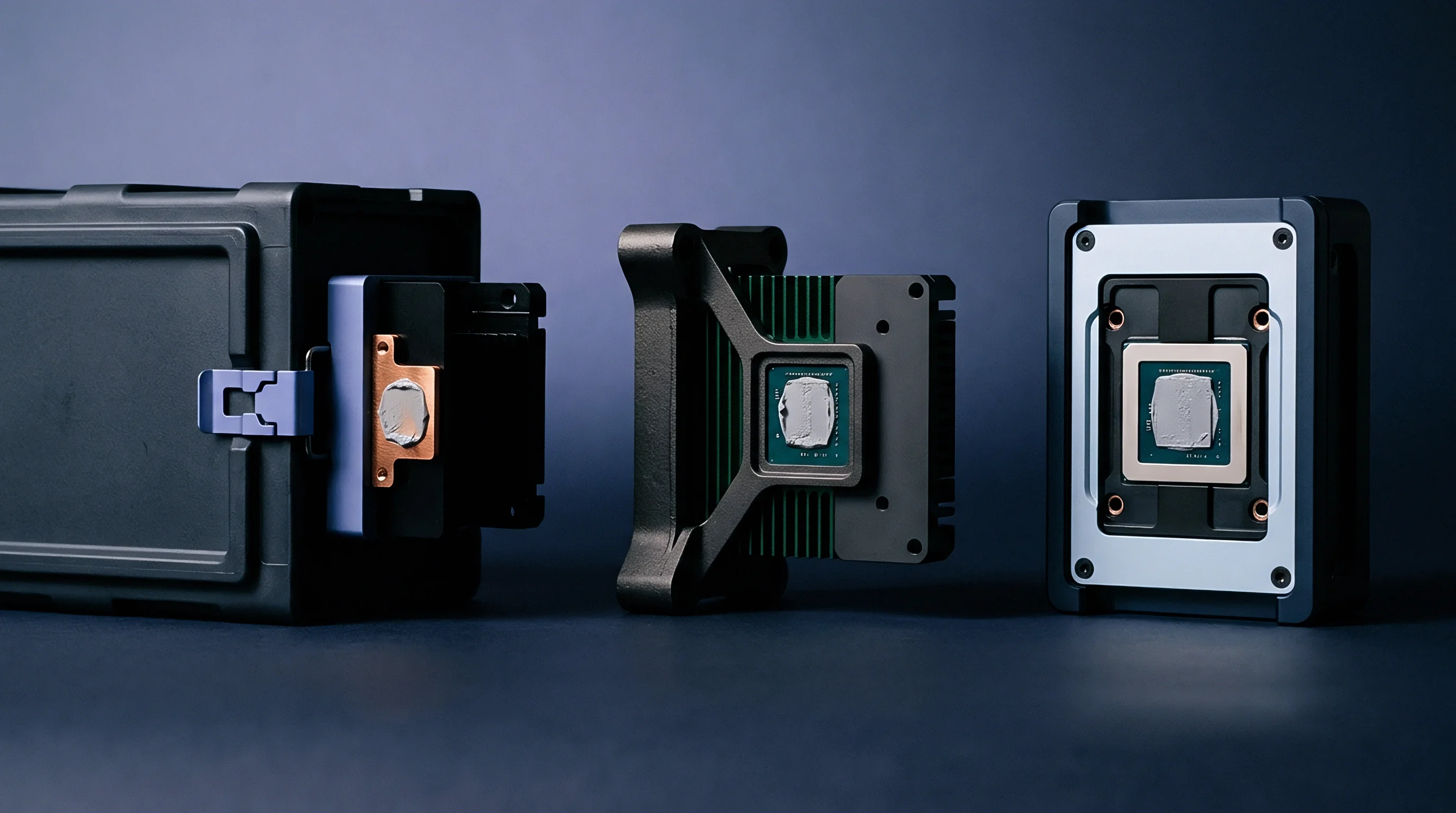
Testing dormant hardware in electromagnetic compatibility chambers proves whether suppressed radio frequency silicon generates stray emissions above unconditional radiator limits. Test engineers connect spectrum analyzers to dormant module antenna ports while cycling power supply voltages across operating ranges. Spurious emission levels exceeding Title 47 Part 15 subpart B unconditional radiator limits allow market surveillance officers to reclassify dormant modules as active transmitters.
Importers record exact firmware hash values. Chamber evidence carrying accredited laboratory seals forms the primary technical defense during formal customs reclassification hearings.
Technical Defense Dossiers for Border Audits
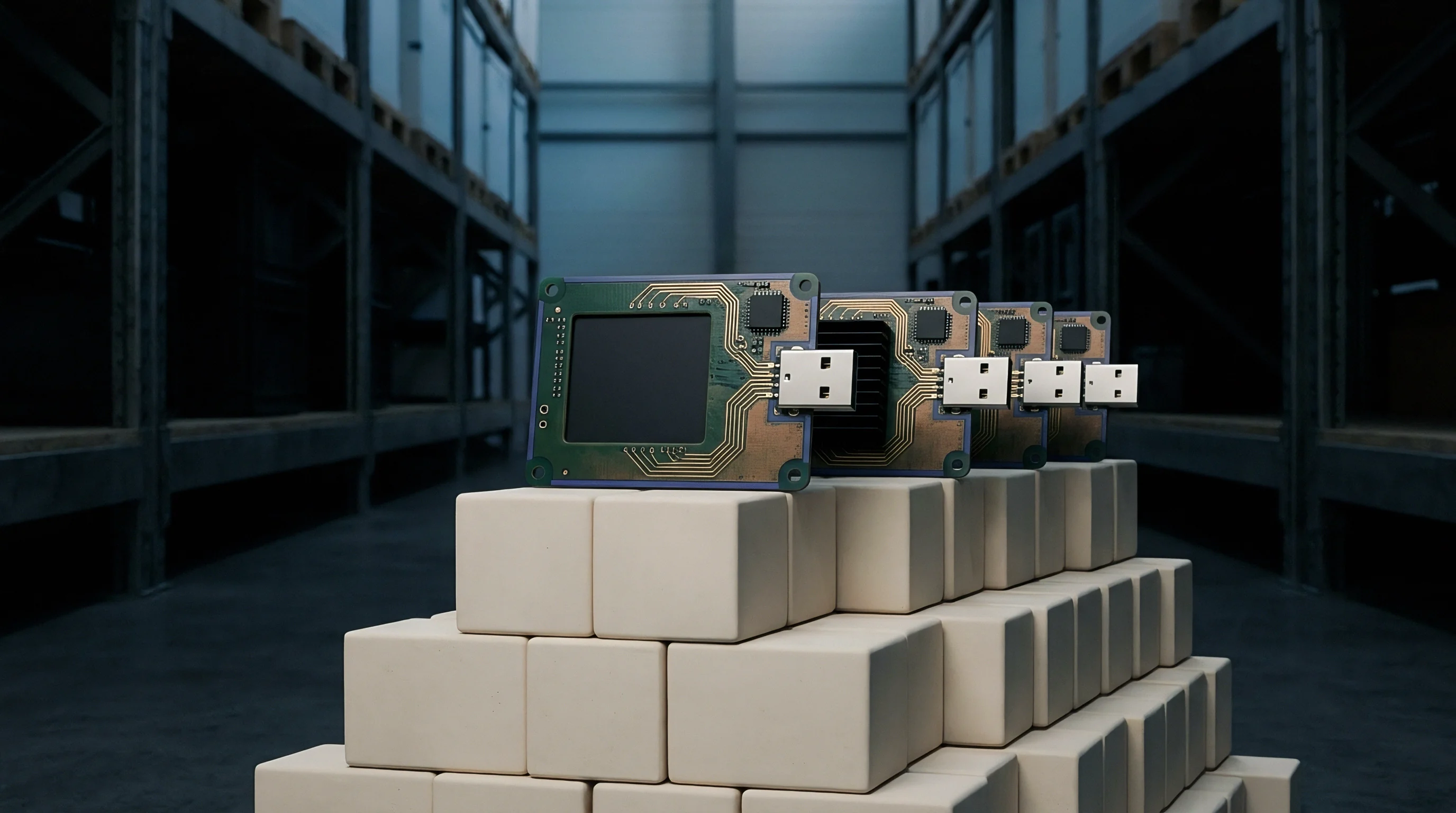
Border agents review functional declarations against register maps, board schematics, and source code extracts demonstrating that transmitter synthesis stages remain fully isolated. When customs officials challenge declared entry status, importers submit technical dossiers proving that unactivated hardware cannot emit radio signals without external software intervention. Defense dossiers detail hardware memory protection structures, cryptographic signature schemes, and post-importation activation workflows to defend initial customs classifications and valuation filings.
Consider a commercial shipment of 10,000 multi-band radio hardware modules imported at a declared invoice price of $15 per unit under generic data processing card tariffs carrying a 0% duty rate. Customs authorities inspect the lot and run laboratory scans, determining that onboard dormant transceivers establish essential character under HS 8517.69, which attracts a 3.5% duty rate. Additionally, post-importation audit records reveal that the importer collected $35 per module in mandatory software feature activation keys from local customers, remitting these funds to an overseas affiliate without declaring them to customs.
The total taxable transaction value per module rises from $15 to $50, shifting total valuation for the lot from $150,000 to $500,000. Under retroactive recalculation, unpaid customs duty equals 3.5% of $500,000, totaling $17,500, set against the zero dollars paid at entry. Statutory administrative penalties equal to 50% of the under-declared cargo value add $250,000 to the assessment.
The final financial exposure reaches $267,500 plus interest charges, proving that omitting post-importation activation fees from baseline customs filings destroys commercial margin on volume import runs.
Resolving conflicting border classifications requires assembling technical defense packages for immediate submission to administrative customs boards:
- Verified Register Maps demonstrate physical lock states within silicon transceivers during pre-activation operational modes.
- Cryptographic Hash Logs match physical bootloader images to initial type approval laboratory test reports.
- Dual Chamber Reports supply baseline radiated emission profiles for both dormant entry states and fully activated operating states.
- Valuation Flow Charts map complete payment flows for physical hardware, feature licenses, and cloud activation subscriptions.
Whether global regulatory alignment will emerge regarding whether dormant hardware blocks constitute potential radio equipment remains uncertain across key trade corridors.

Clearance
Logistics teams prepare entries by tying physical commercial invoices directly to software activation agreements. Shipping dossiers need to link serial numbers to certified binary hashes before freight arrives at the port, allowing local agents to file verified compliance packages. Clearing software-activated radio gear demands tight coordination among customs brokers, testing laboratories, and spectrum authorities.

Operational Staging and Border Filing Integrity
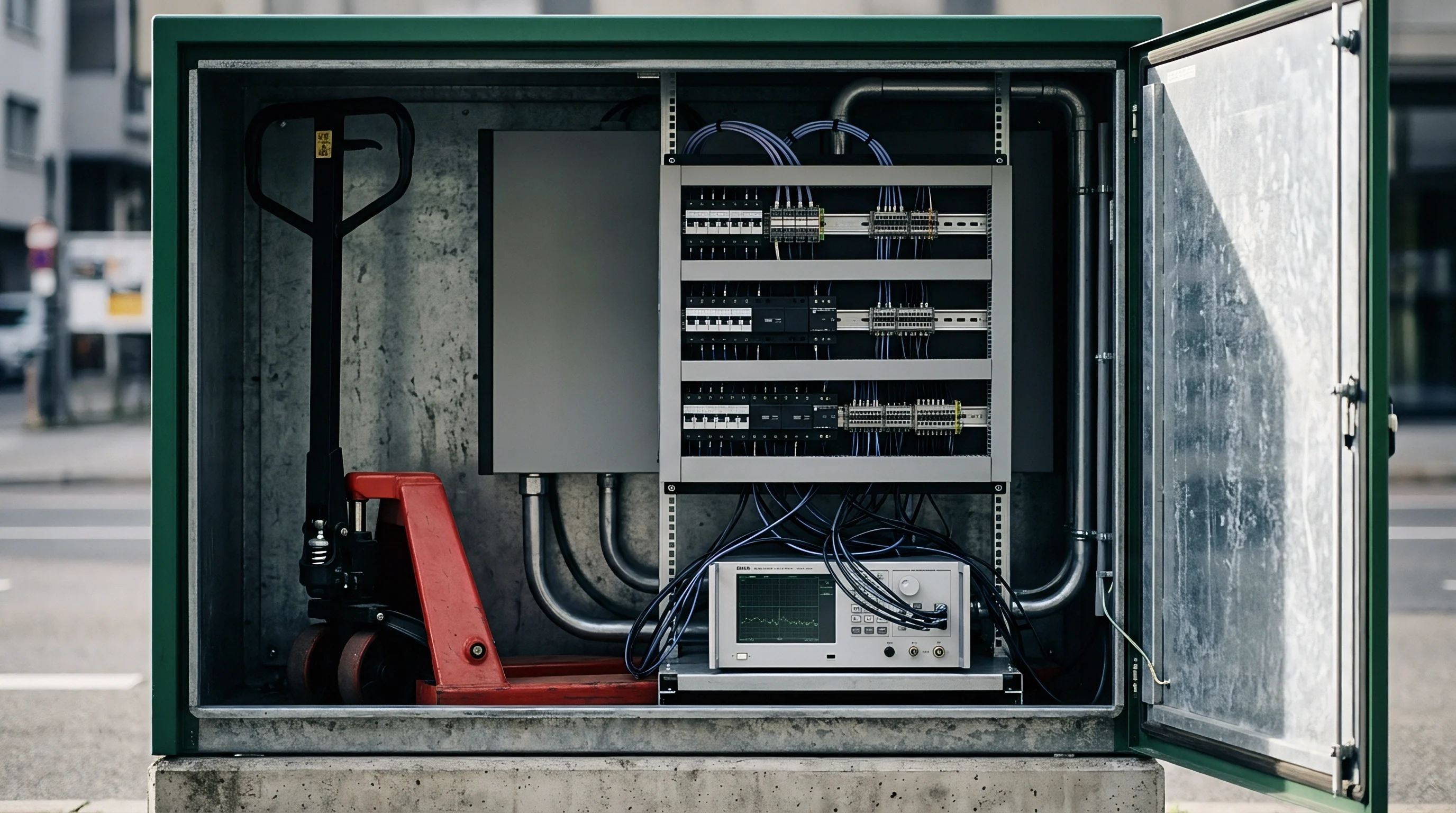
Managing supply chain flows requires staging physical module deliveries through bonded warehouse facilities while software authorization files undergo review. Staging modules in secure environments prevents uncertified radio hardware from entering distribution networks prior to complete regulatory validation. Customs entry filings carry explicit declarations stating whether imported hardware contains dormant radio frequency silicon.
Providing complete technical visibility at border crossing points prevents unexpected cargo holds, physical sampling orders, and destructive laboratory audits.

Cross-Border Compliance Execution Sequence
Import paperwork aligns physical bill of lading entries with future software update pathways. Technical compliance documentation files join physical commercial invoices within centralized trade compliance depositories. Compliance officers verify that post-importation feature activation timelines match initial valuation declarations and software update schedules.
Maintaining transparent audit trails across cross-border operations guarantees rapid customs clearance and protects international supply chains against regulatory disruptions.
Staging shipments through controlled distribution hubs guarantees correct valuation filings and prevents uncertified hardware from entering commercial supply chains before software authorization clears.