
Quantifying Polymer Dielectric Loss at Millimeter Wave Radar Frequencies
Dielectric loss quantification at 77 GHz demands Fabry-Perot resonator testing to prevent radome signal attenuation and regulatory EIRP filing failures.

Dielectric loss quantification at 77 GHz demands Fabry-Perot resonator testing to prevent radome signal attenuation and regulatory EIRP filing failures.
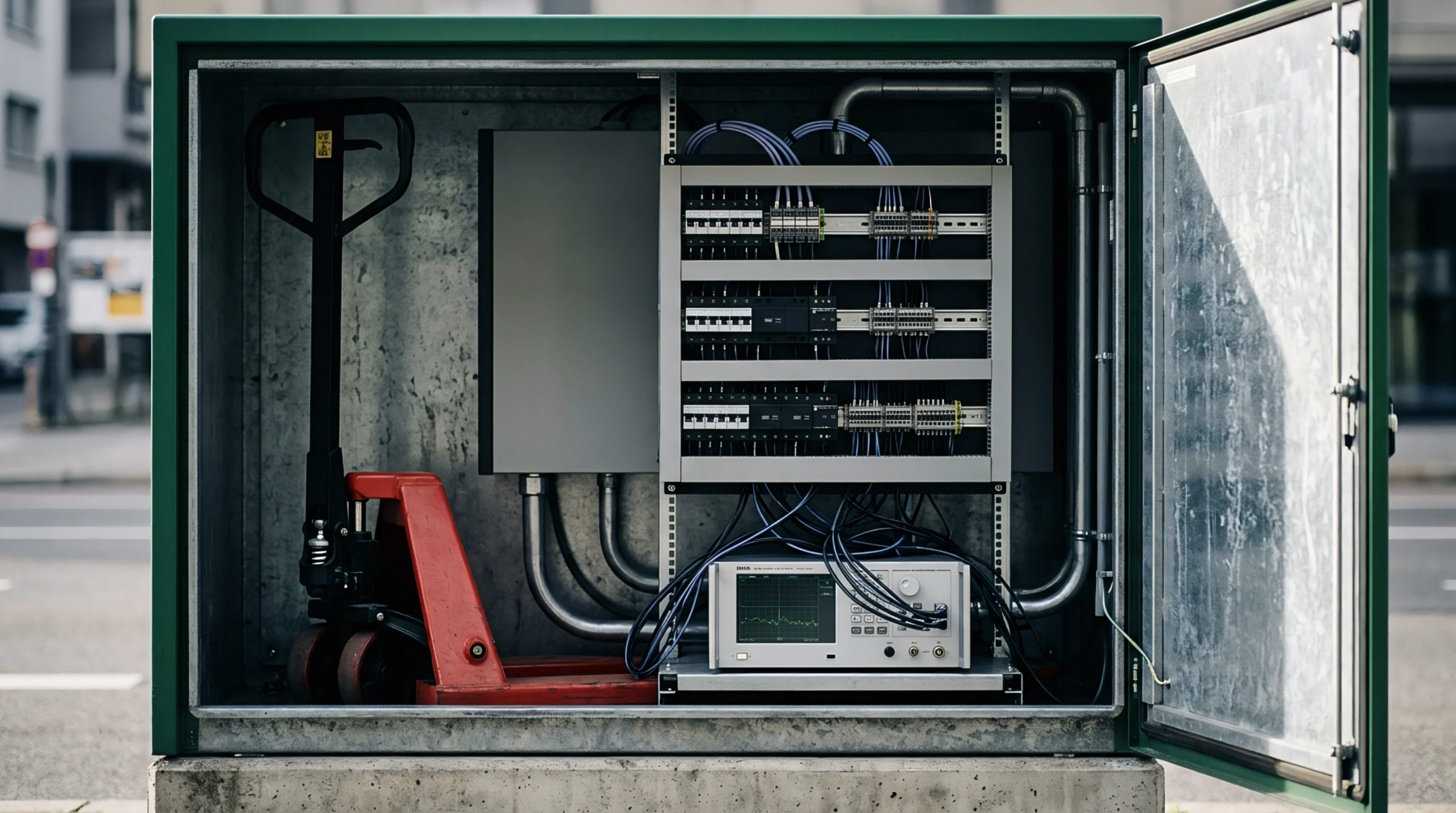
Dynamic reserve models weight empirical lab failure rates and schedule downtime penalties across target export regimes to price true host radio approval risk.

Radio measurement uncertainty differences across accredited labs require mandatory 6 dB design guardbands to prevent market surveillance failures.

A unified radio test plan executed in accredited chambers minimizes duplicate scans, reduces retest risks, and opens multi-market regulatory approval streams.
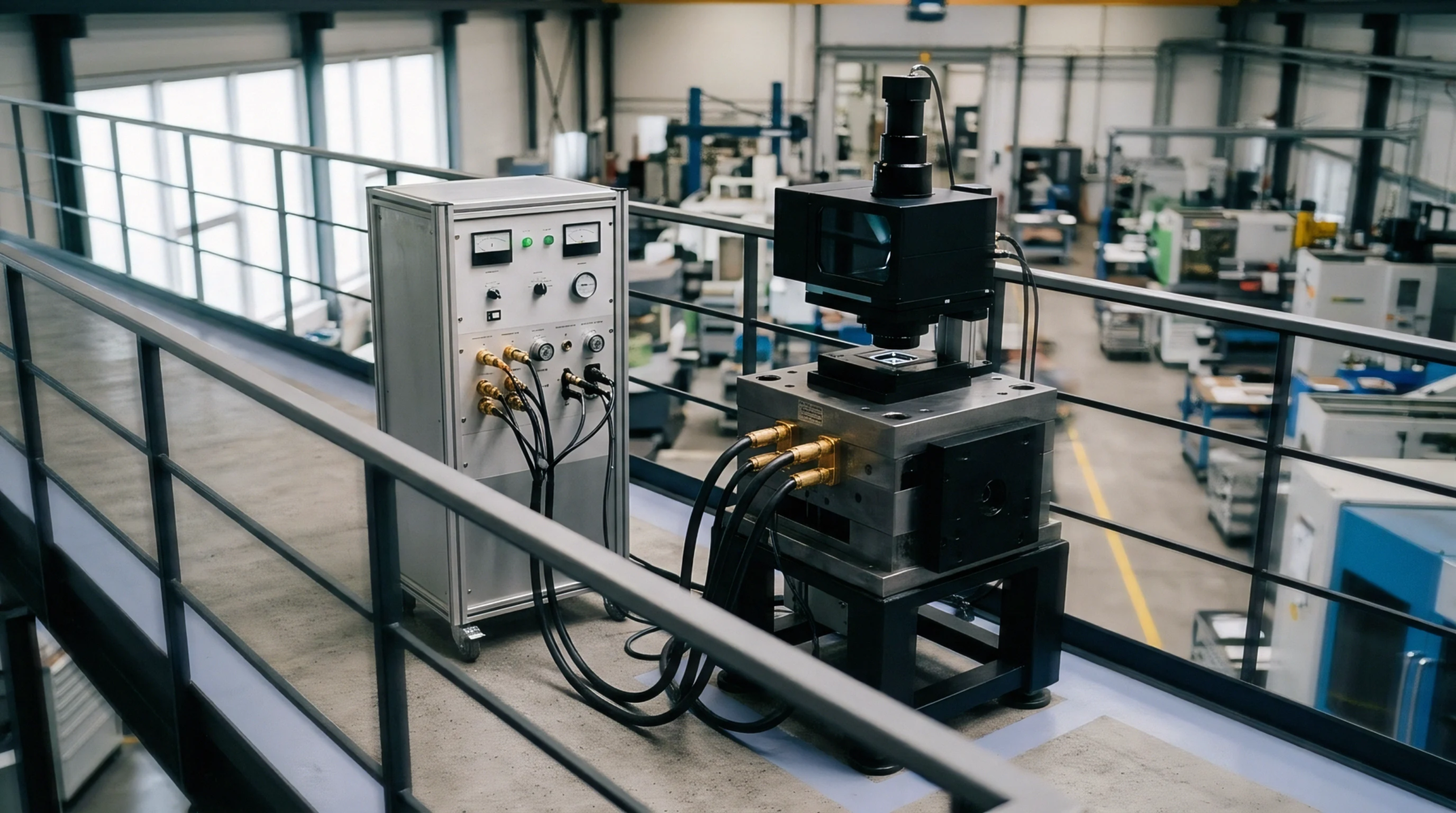
Quantifying mmWave radiated spurious uncertainty expansion factors converts raw measurement deviations into defensible ninety-five percent compliance margins.

Optimizing cellular baseband backoff timers with randomized jitter prevents battery drain and SIM lockout during aggressive carrier steering rejections.

Modifying modular antennas triggers FCC Class II Permissive Changes whenever gain, radiator type, or host SAR conditions alter baseline RF compliance.

Multi-IMSI applet polling introduces background current floors that halve telemetry battery life without optimized baseband power-saving mode configurations.

Cross-border cellular registration drains tracking batteries through blind frequency scanning, network steering rejections, and coverage extension airtime.

Automated hardware test rigs isolate silicon peripherals from host runners to validate driver stability across multi-year operating system kernel updates.
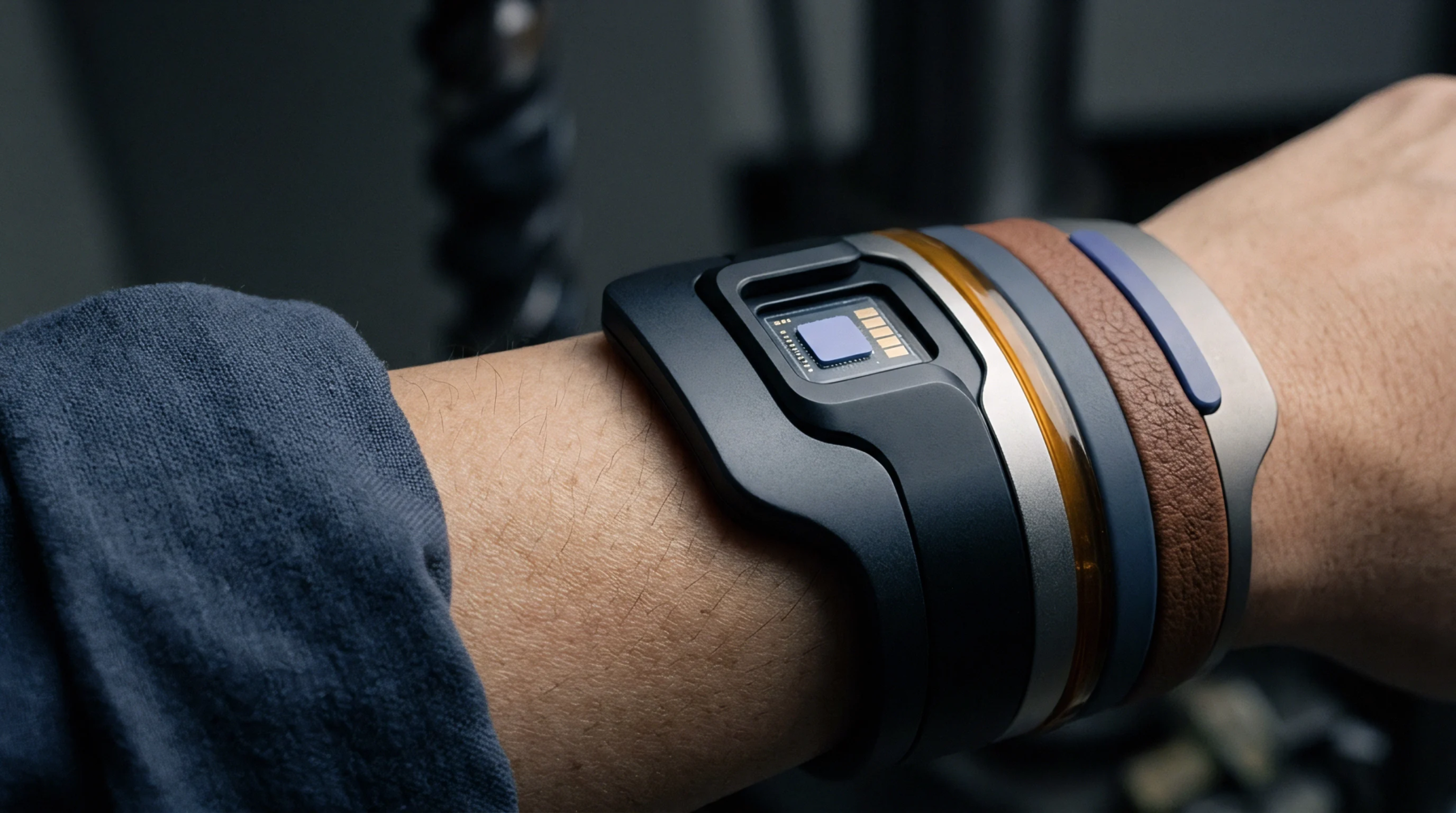
Managing errata workarounds in transferred firmware requires isolating stepping-specific register fixes to prevent fatal regressions across new silicon wafer lots.

Resolving substrate dielectric drift and IP custody requires strict coupon impedance verification combined with neutral escrow of native CAD files.

Managing modular compliance requires maintaining strict reference trace layouts, securing firmware power tables, and contracting vendor liability for permissive changes.

Transconductance collapse in sub-threshold sleep oscillators introduces microsecond phase jitter that expands receiver guard windows and depletes node batteries.

Evaluating embedded transceiver matching and layout requires conjugate source matching, coplanar ground stitching, and in-housing impedance tuning.

Milled PCB trenches and necked thermal traces isolate sub-microamp sleep crystals from radio amplifier heat to prevent frequency drift and window dilation.
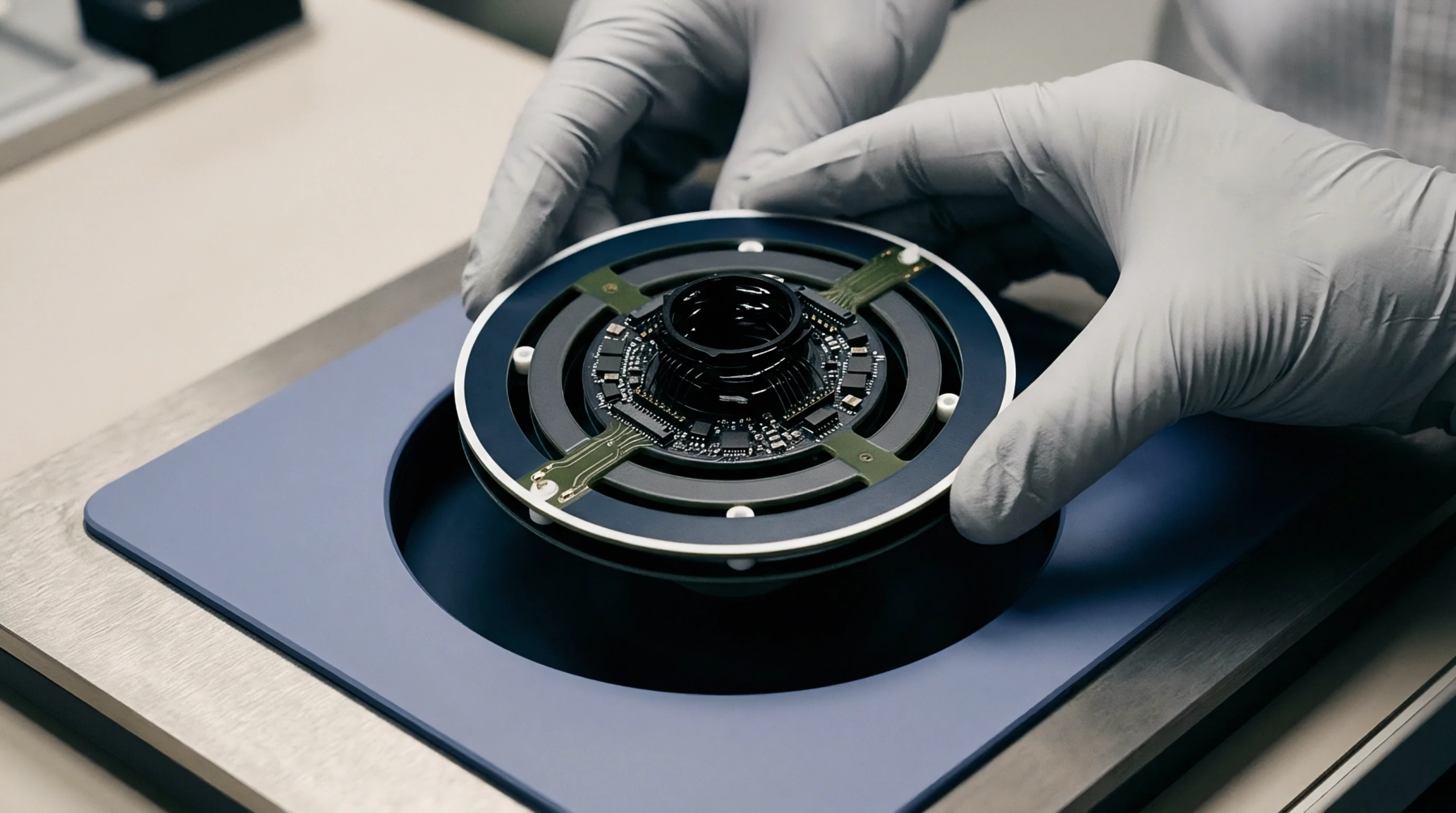
Dynamic firmware abstraction protocols and standardized test jigs eliminate operational failures caused by asynchronous silicon errata across alternate factories.

Yield-adjusted reallocation re-routes components based on real-time defect rates, matching component bin tolerances directly to assembly line density requirements.

Characterizing real-time clock drift under low power conditions demands measuring negative parabolic thermal curvature, ESR climbs, and guard-time airtime penalties.

Predictive thermal clock estimation bounds sub-GHz radio drift to under 4 ppm, shrinking RX listen windows by 90 percent and extending battery life to ten years.

Phase tracked guard windows shrink receiver active listen time to tens of microseconds, cutting wakeup energy by eighty percent.

Maintain a 70/30 production split with strict monthly minimum volume floors to preserve secondary line yields and protect against idle overhead surcharges.
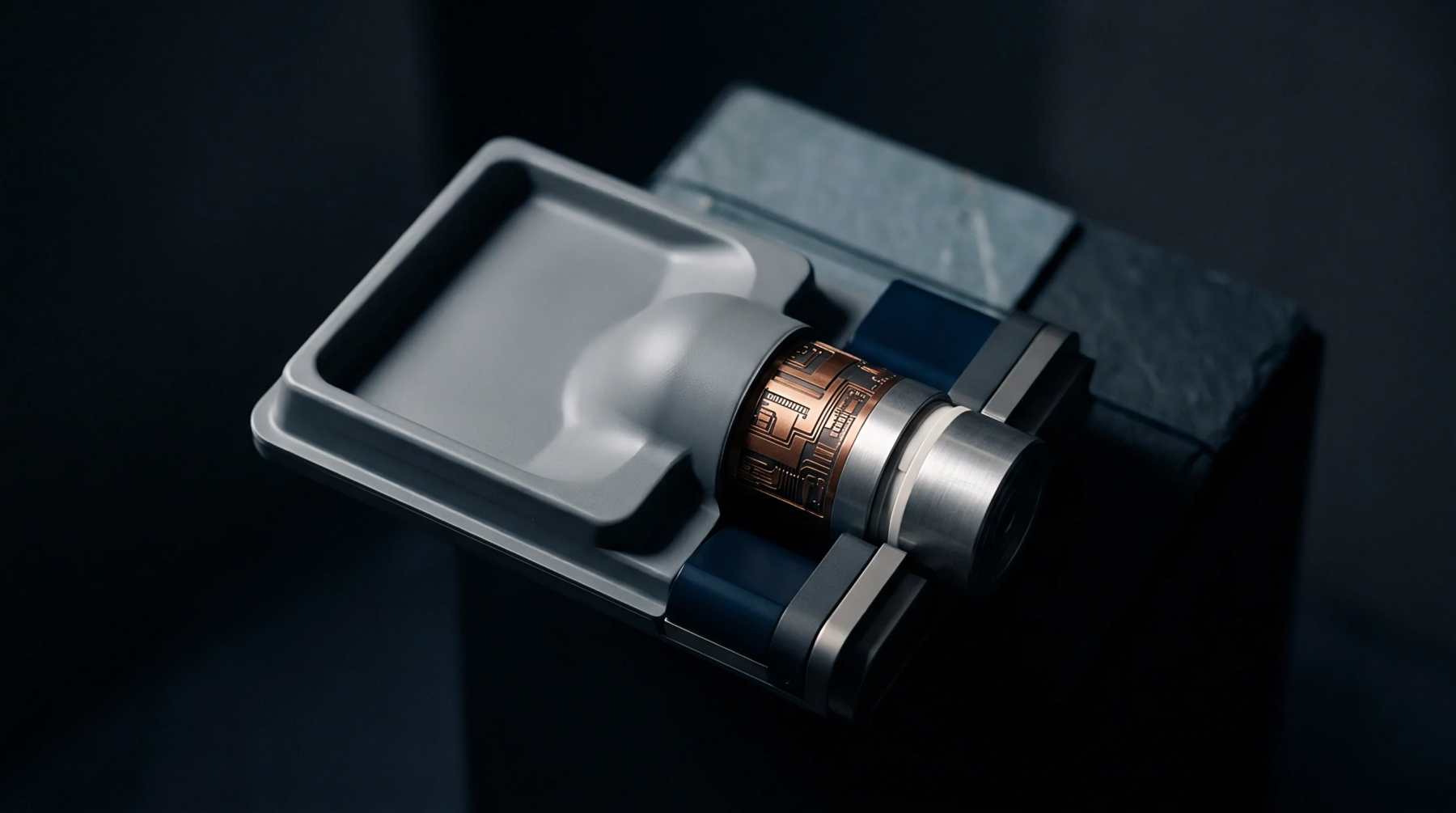
Oscillator drift forces wider receiver listen windows in low duty cycle radios, multiplying active energy consumption and degrading battery lifespan.

CE module approvals do not cover host integration; host manufacturers must execute physical delta testing and compile a full RED Technical File.

Trap retention in RF-SOI substrates degrades above 1000 C through grain coarsening, requiring millisecond anneals to preserve resistivity and harmonic suppression.
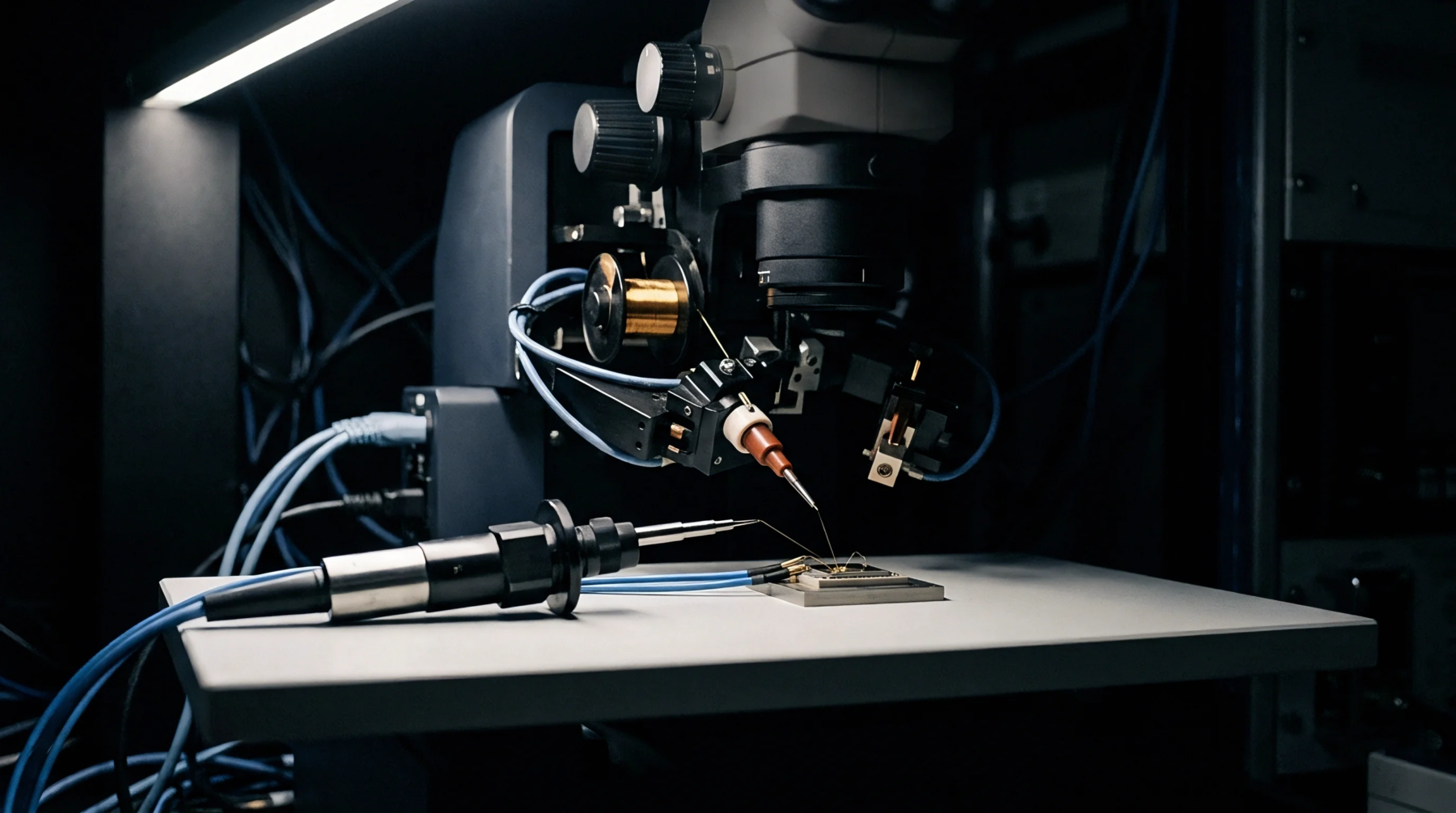
Distributed line-integral refractometry eliminates spatial aliasing in large-scale metrology by directly pairing optical dispersion or synchronized telemetry.

Matching dielectric change limits across FCC, ETSI, and MIC avoids regulatory re-filing traps when modifying encapsulated radio potting compounds.

Class Two Permissive Changes are triggered when physical, antenna, or firmware modifications alter RF emissions or RF exposure without exceeding original grant limits.
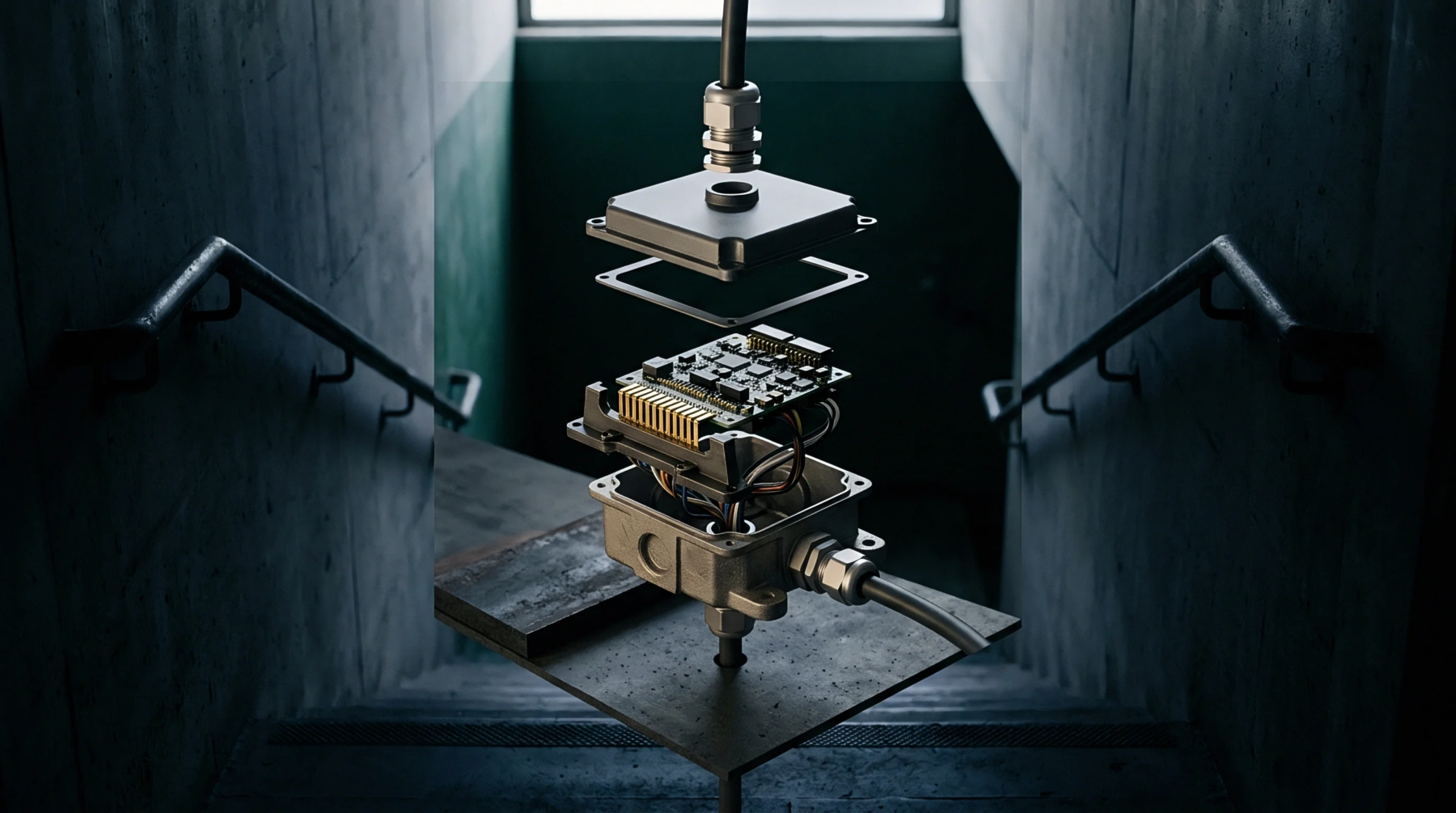
Modular radio updates split into minor Class I file updates and major Class II filings based on measured shifts in radiated power, emissions, and frequency bands.

Hardware encryption power spikes trigger regulatory test failures, extending logistics label type approval timelines by eight to fourteen weeks across global markets.
Expertise is a utility, not a secret. sentiention™ publishes its working knowledge as open reference: intelligence layer covering the materials it sources, the markets it enters, and the reference that serves both.