
LoRa Duty Cycle Ceilings That Decide Payload Frequency
LoRa duty cycle ceilings restrict packet frequency by limiting hourly transmission airtime, forcing trade-offs between spreading factor, payload size, and battery life.

LoRa duty cycle ceilings restrict packet frequency by limiting hourly transmission airtime, forcing trade-offs between spreading factor, payload size, and battery life.
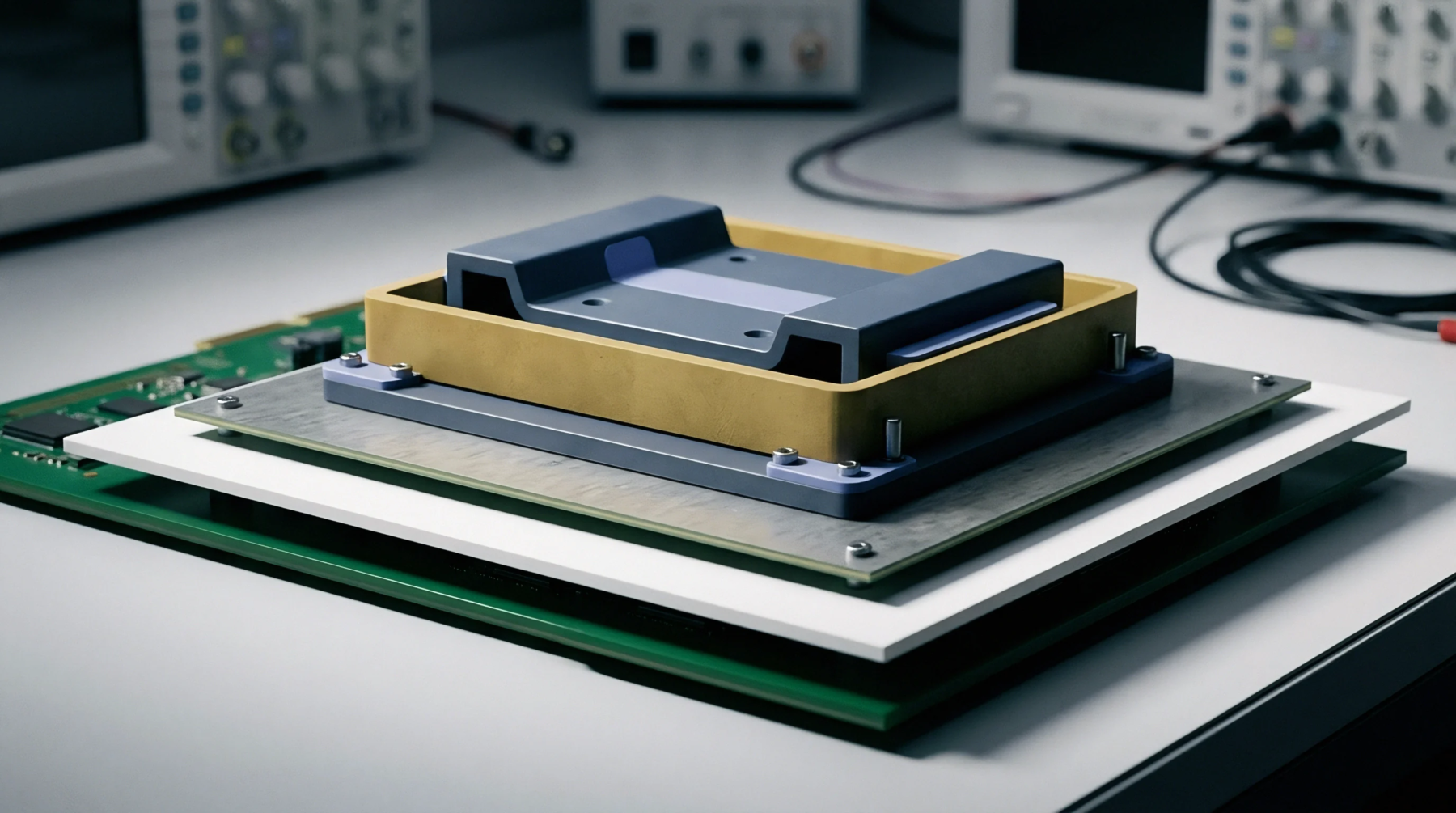
Asset ownership requires unbundled NRE contracts, native CAD databases, containerized firmware build tools, and explicit bailment agreements waiving factory liens.

A silicon end-of-life notice demands an immediate audit of last-time-buy volumes against redesign lead times to prevent production gaps during recertification.

Installing a certified radio module inside a metal enclosure alters RF radiation patterns, requiring host-level radiated spurious emission retesting and potential permissive change filings.
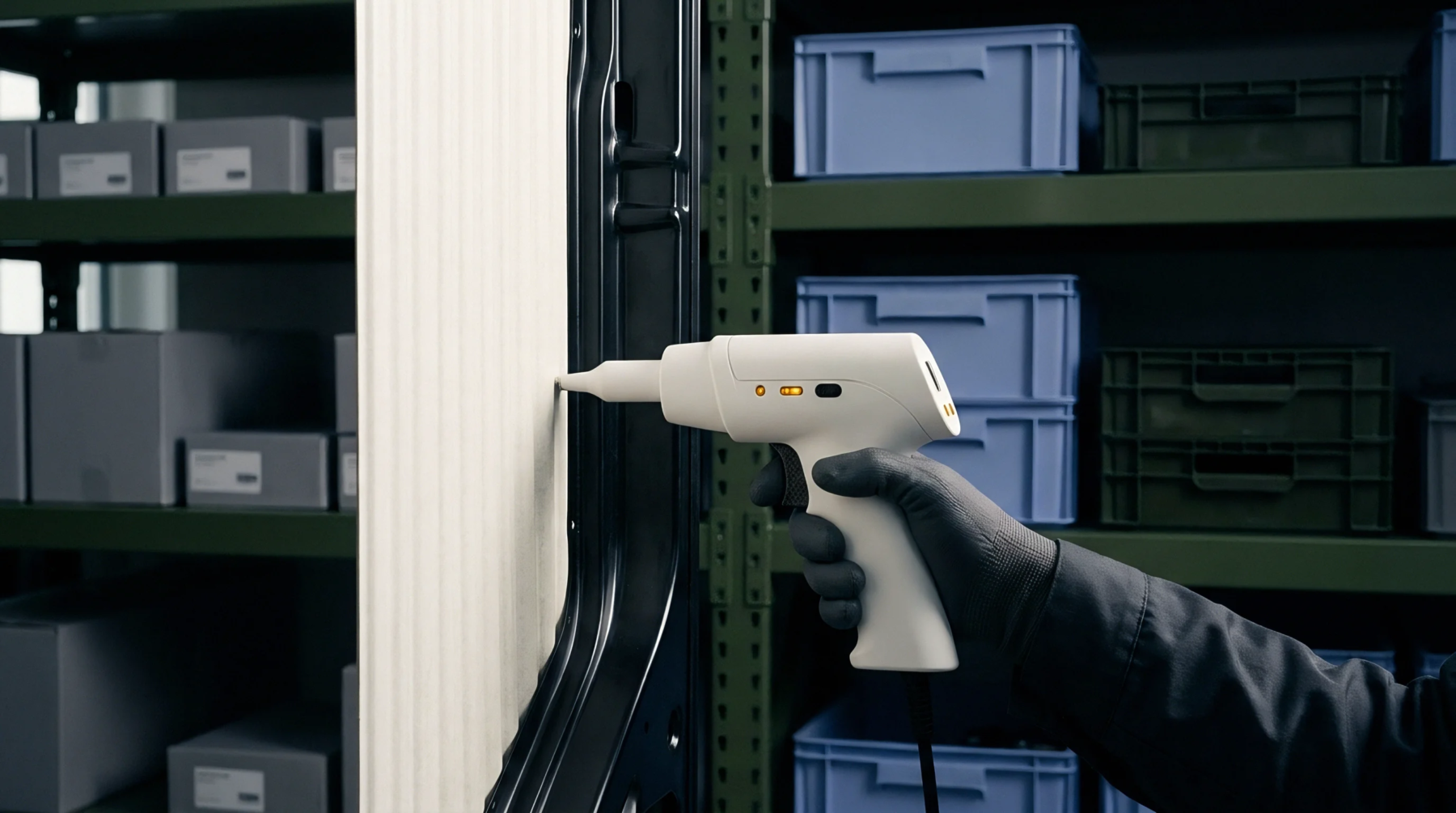
Customs holds on radio products stem from missing declarations of conformity, requiring aligned standard references and valid technical files for release.

Radio filings in Japan and Korea depend on local representatives to hold legal title, navigate national test standards, and prevent customs cargo impoundment.

Enclosure seams and apertures control radiated harmonic leakage through transfer impedance, dictating gasket specs needed for global radio grants.

Relocating production fixtures mandates statistical gage re-verification via ANOVA Gage R&R and Type I studies to prove repeatability under new plant dynamics.

Non-volatile duty cycle accumulators preserve airtime state across power cycles, preventing illegal spectrum over-transmission in unlicensed sub-GHz hardware.

Southeast Asian telecommunication type approvals require up to 24 weeks due to local testing mandates, sample customs holds, and rigid agent representation laws.

Host proximity near unlicensed module antennas degrades total efficiency and shifts harmonics over emissions thresholds requiring re-certification.
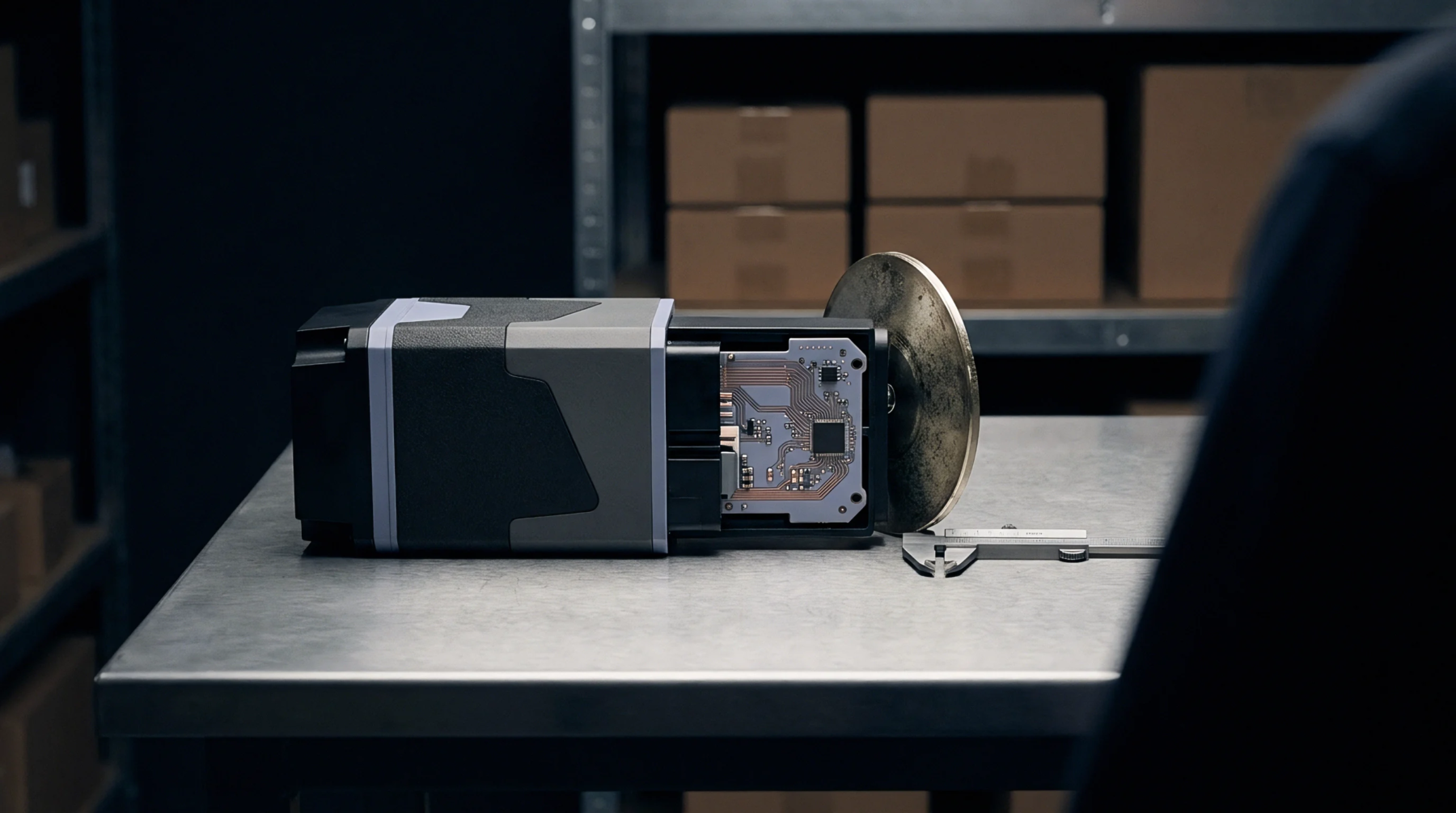
Automated RF parameter validation bench testing requires exact S-parameter de-embedding, continuous guardbanding, and rigorous SCPI execution protocols.

Conductive polymer composite absorption depends on balancing complex permittivity and skin depth to eliminate surface reflection and satisfy radiated emission limits.

Stripping test fixture phase delay and magnitude loss from raw vector network analyzer measurements ensures true S-parameter extraction.

Auditing tropicalized radiated emissions requires mandatory chamber environment verification, EUT thermal stabilization, and a 6 dB pre-compliance guard band.

Wireless protocol selection fixes physical range, payload boundaries, power draw profiles, regulatory approvals, and landed hardware costs across target markets.
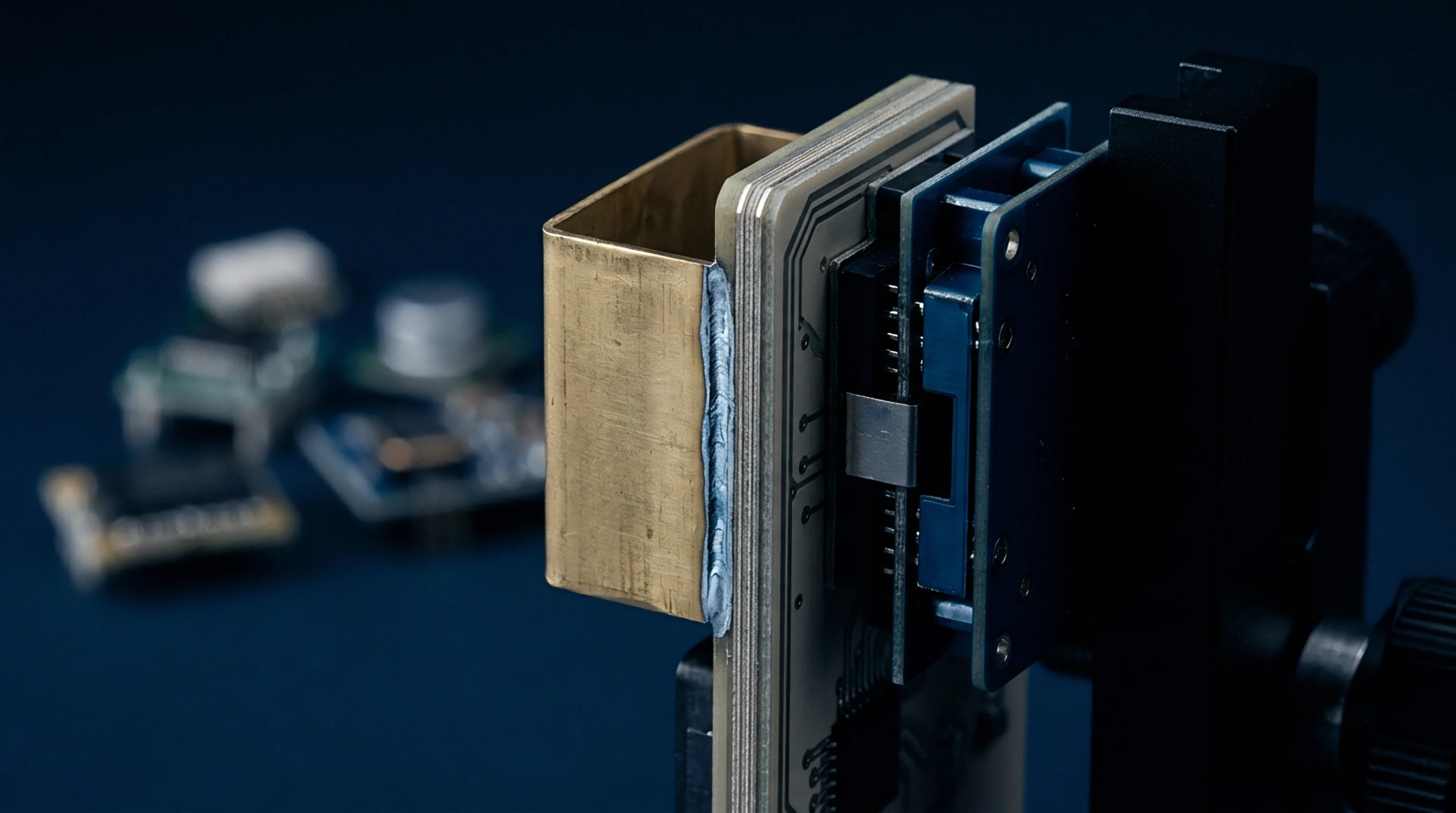
Selecting between ready modules and custom builds requires balancing upfront non-recurring costs and regulatory testing against long-term serial unit margins.

Radio product clearance depends on matching sovereign band allocations, passing radiated emissions tests, managing modular grant scope, and securing in-country representation.

Sourcing ready modules minimizes upfront NRE and regulatory risk for mid-volume hardware, while custom discrete designs optimize unit landed cost at scale.

Engineering transfer demands native CAD files, containerized firmware source trees, buyer-owned tooling, and explicit IP assignment clauses before NRE sign-off.

Modular radio approvals cover baseline standalone performance, requiring host radiated spot checks to prevent spurious emission failures upon enclosure integration.

Turnkey module scope contracts must explicitly mandate native CAD schematic delivery, environmental verification limits, and test log escrow gates before initial deposits transfer.

Relying on a third-party FCC grant leaves host integrators exposed to vendor EOL and filing locks; owning the grantee code secures complete regulatory control.

NB-IoT offers superior signal penetration and lower single-mode hardware costs, but LTE-M delivers seamless global cross-border roaming and continuous mobility.

Wi-Fi throughput collapses in dense deployments when preamble misses and conservative energy detection thresholds trigger retry storms and modulation rate decay.

A certification budget fails on sample availability and unbuffered retest hours long before it fails on base lab application fees.

Zigbee mesh commissioning hides heavy battery current spikes and technician labor costs behind oversimplified radio datasheet duration claims.
Post-production component change notices require immediate lot quarantine, parametric bench verification, and commercial debit memos under JESD46D covenants.

Regional spectrum rules force sub-GHz IoT hardware into three distinct SKU builds to optimize front-end matching, maintain link budget, and pass certification.

Acceptance testing in a statement of work requires explicit pass-fail criteria, calibrated test fixtures, statistical sampling rules, and milestone payment locks.
Expertise is a utility, not a secret. sentiention™ publishes its working knowledge as open reference: intelligence layer covering the materials it sources, the markets it enters, and the reference that serves both.