Meaning
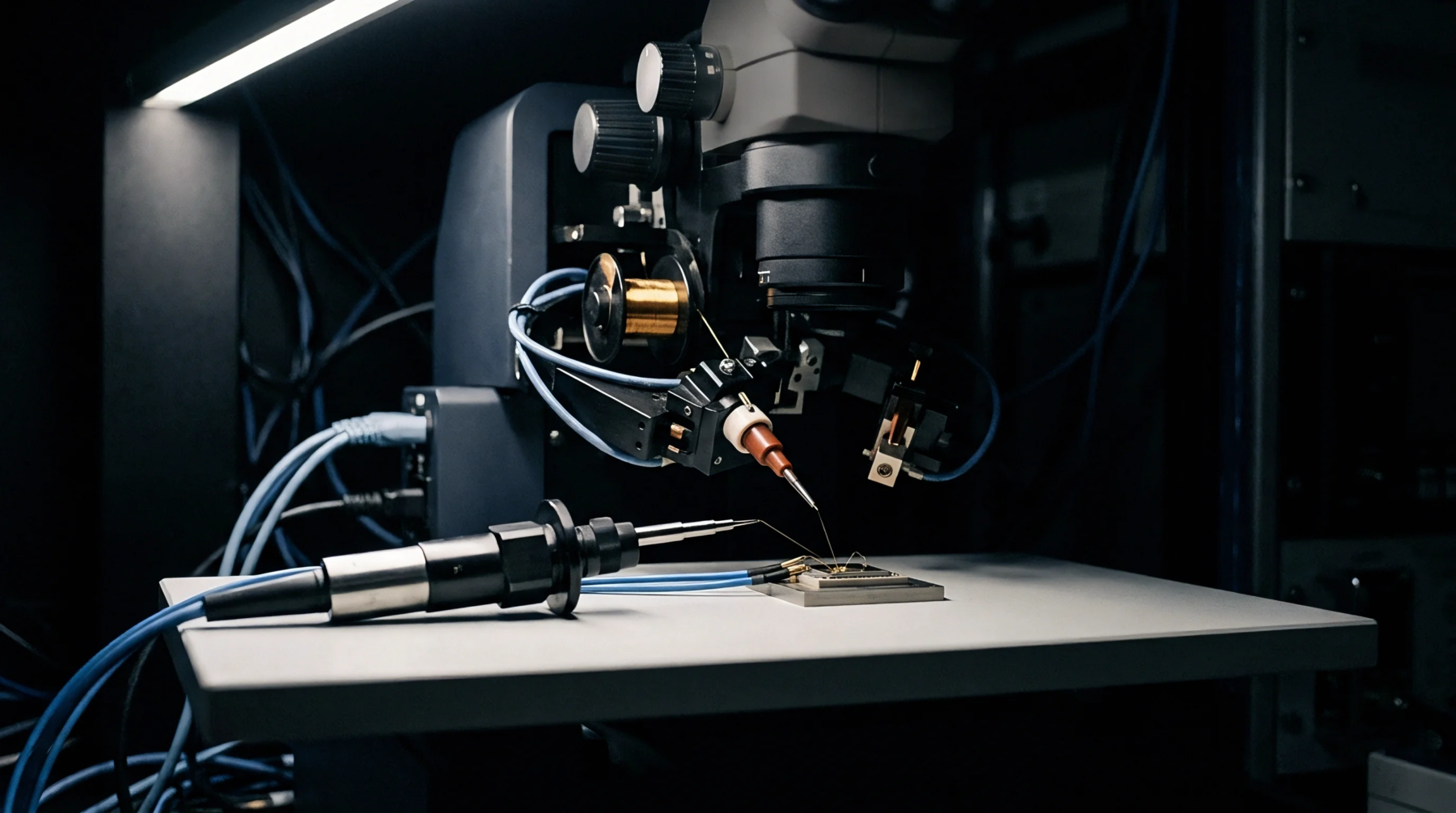
Specialized electro-mechanical apparatuses physically secure printed circuit board assemblies and establish temporary electrical connections during high-volume production testing. An automated test fixture uses pogo pins and pneumatic or mechanical actuators to engage test points on a target device. Controlled by automated test equipment, these units execute test scripts to verify component placement and electrical continuity.
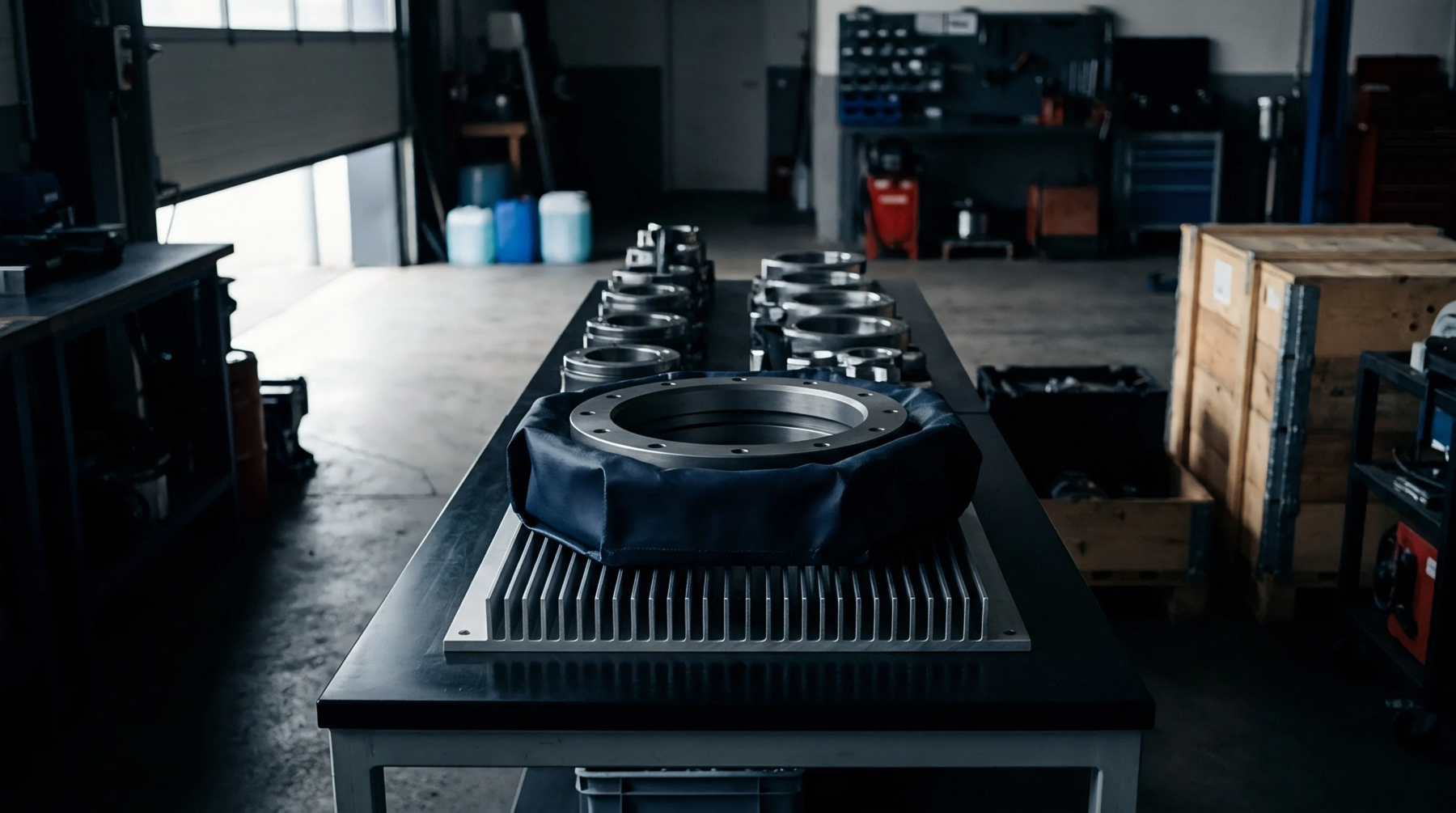
Fixture designs must accommodate thermal dissipation requirements and mechanical tolerances of the host enclosure.
Mechanical Interface
Custom bed-of-nails plates align spring-loaded probes precisely with board test pads. An automated test fixture maintains constant clamp pressure to prevent mechanical stress or micro-cracking on ceramic components during contact engagement.
Signal Delivery
High-frequency signals require impedance-matched wiring between pogo pins and measurement instrumentation inside the enclosure. Stray capacitance introduced by long wiring looms can distort RF power measurements during cellular transmitter tuning. Calibration routines compensate for fixture path loss prior to production runs, isolating device performance from test setup parasitic effects.
Production Yield
Fast test cycles depend on quick physical insertion and reliable electrical contact across thousands of mating cycles. When probe pins accumulate solder flux residue, contact resistance rises and causes false failure indications on functional test stations. Maintenance schedules require regular pin cleaning and contact resistance logging to maintain test repeatability.
Reliable fixture mechanics prevent artificial yield drops and protect sensitive antenna matching circuits during automated production screening.