Meaning
The highest level of electronic assembly quality defines the manufacturing requirements for high performance products where downtime is not tolerated and the environment is harsh. As a specific tier within the global acceptability standard, ipc-a-610 class 3 is a workmanship specification for soldered connections and mechanical assemblies in mission critical equipment. It applies to aerospace, medical, and military electronics where continued performance or performance on demand is mandatory.
The standard sets strict criteria for component alignment, solder fillet shapes, and cleanliness levels that are much more demanding than those for consumer electronics. If a solder joint does not meet these specific visual and structural requirements, the assembly is rejected and must be reworked to the exact standard.
Inspection Rigor
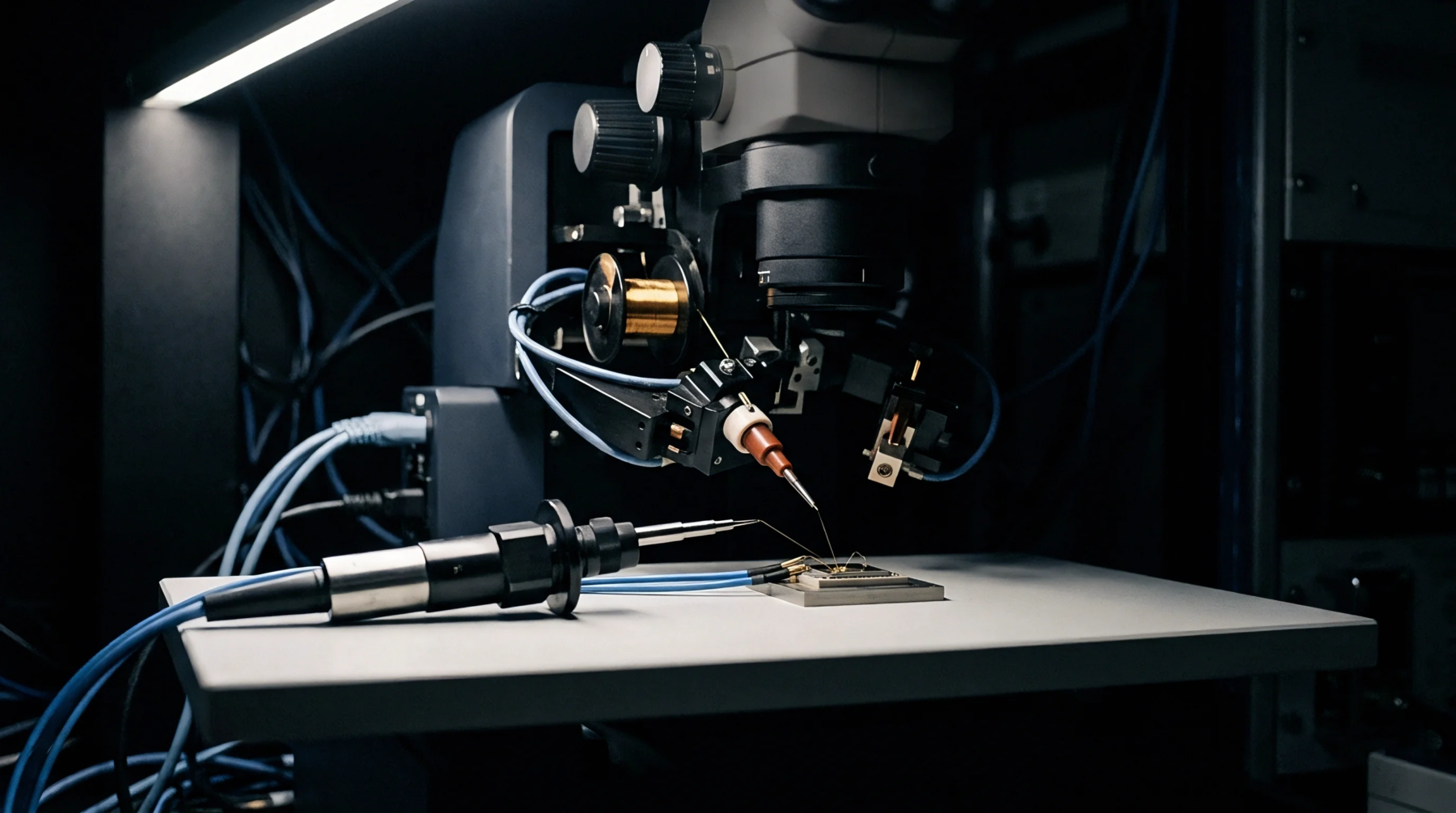
Quality control for this class of product involves a hundred percent inspection of every solder joint and mechanical connection. Inspectors use high magnification tools to verify that the solder has wetted the entire pad and that the fillet reaches the required height on the component lead. For surface mount components, the standard specifies the maximum allowable overhang and the minimum required solder volume to ensure mechanical strength.
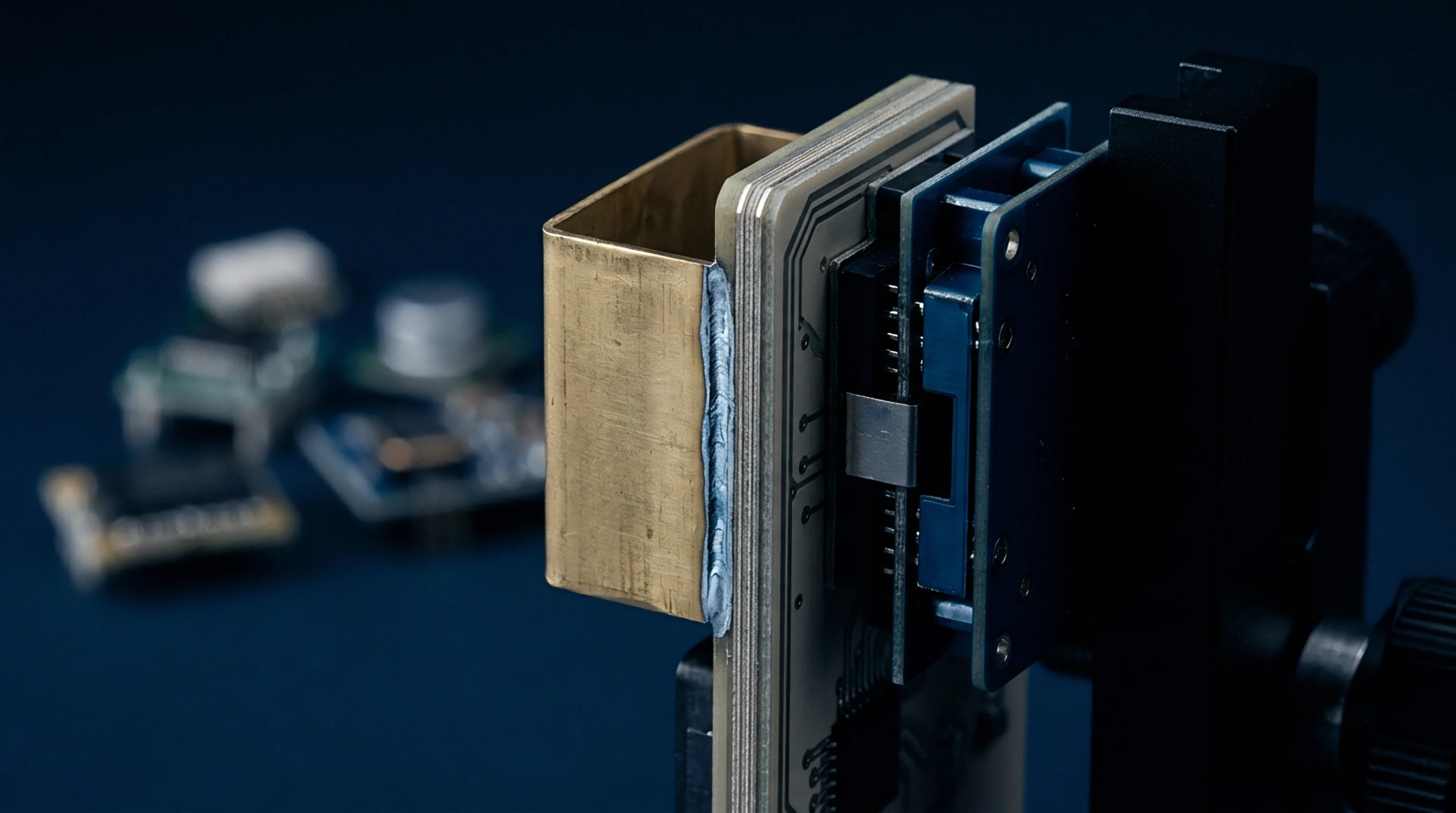
Through hole components must show a complete solder fill in the barrel to provide a reliable electrical and physical path. Any sign of voids, cracks, or cold solder joints is cause for immediate failure. This level of scrutiny ensures that the device can withstand the vibrations and thermal cycling found in demanding environments.
The inspection process is documented in detail for every serialized unit.
Process Control
Achieving compliance with this standard requires the manufacturer to maintain a highly controlled production environment. The soldering profiles for the reflow oven must be precisely calibrated to ensure that all parts of the board reach the correct temperature without overheating sensitive components. Solder paste deposition is monitored with automated optical inspection to ensure that the volume and placement are consistent.
The materials used, including the solder alloy and the flux, must be qualified for high reliability applications. Workers on the assembly line often require specific certification to handle and inspect boards destined for ipc-a-610 class 3 status. This focus on the manufacturing process reduces the variability that leads to early field failures.
Continuous monitoring of the equipment and environmental conditions is mandatory.
Product Longevity
The primary benefit of building to this standard is the increased life expectancy of the electronic assembly in the field. By ensuring that every connection is mechanically sound and free of defects, the risk of fatigue failure from thermal expansion is reduced. In medical life support systems or satellite communications, the cost of a single failure is catastrophic.
Using ipc-a-610 class 3 ensures that the hardware is built to the highest possible standard of durability. This reliability is achieved through a combination of design for manufacturability and strict adherence to the workmanship rules. The result is a product that can operate for decades in conditions that would cause standard consumer electronics to fail within months.
This grade of assembly is the benchmark for high reliability electronics.