Meaning
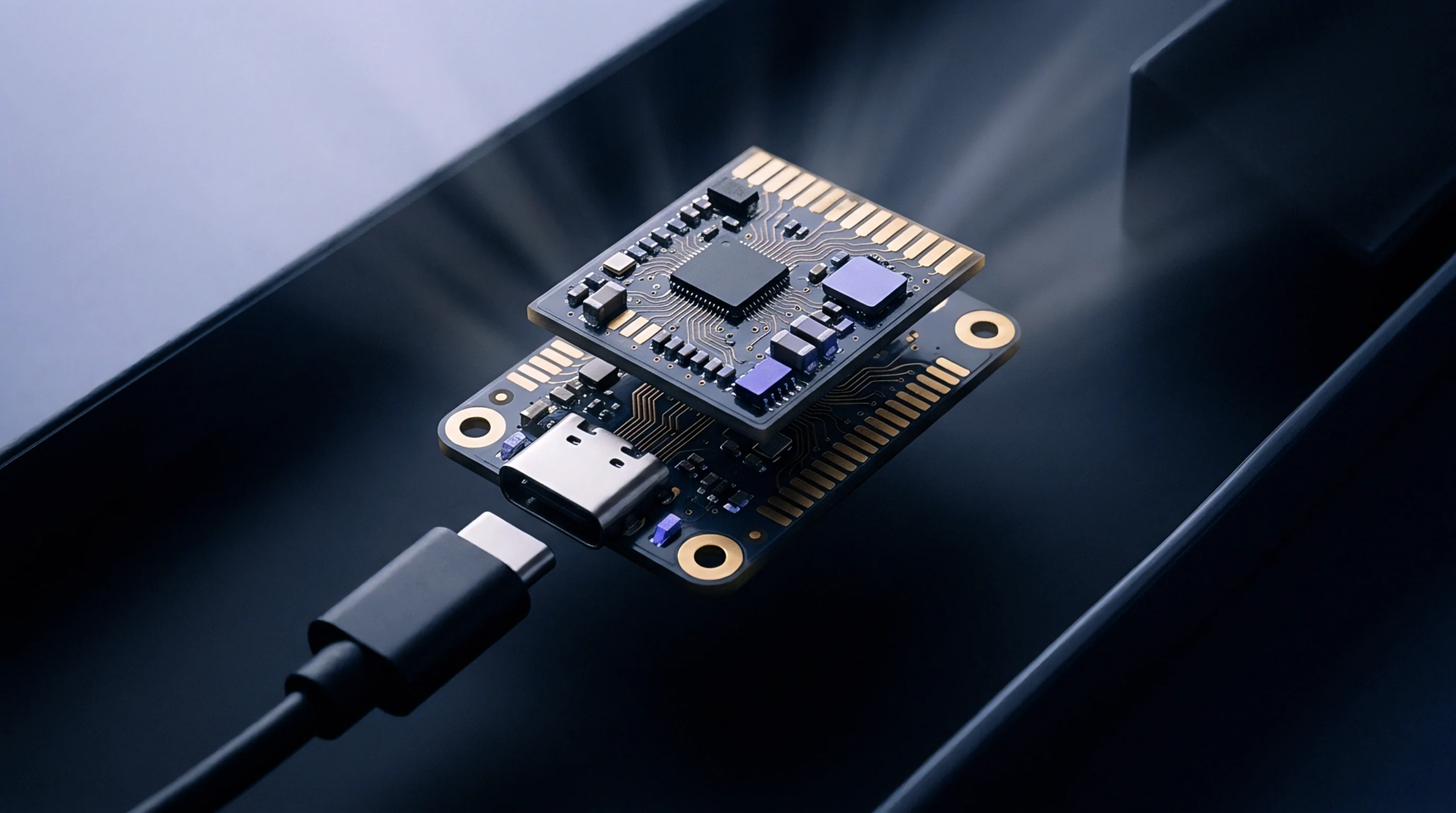
Engineering documentation transition defines the formal handover of technical specifications, assembly drawings, and bill of materials from a research and development team to a manufacturing unit. Design transfer functions as the mandatory quality system gate that validates whether the production line possesses the capability to fabricate the product according to its intended performance requirements. It governs the conversion of a prototype into a repeatable production process by verifying that all tooling, test protocols, and component tolerances remain consistent with the original specifications.
The boundary of this process exists where the pilot production run completes its final inspection and the manufacturing department assumes responsibility for ongoing quality control.
Production Readiness
Technical personnel evaluate the maturity of the documentation package against the established capabilities of the factory floor. Design transfer requires that every assembly instruction and calibration procedure survives rigorous review to confirm that the factory operator executes each step without ambiguity. Equipment limitations necessitate that the engineering team modifies certain tolerances or assembly sequences to match the actual performance of the production machinery.
Verification of these adjustments ensures that the final unit maintains the exact performance characteristics defined during the initial development phase.
Validation Protocol
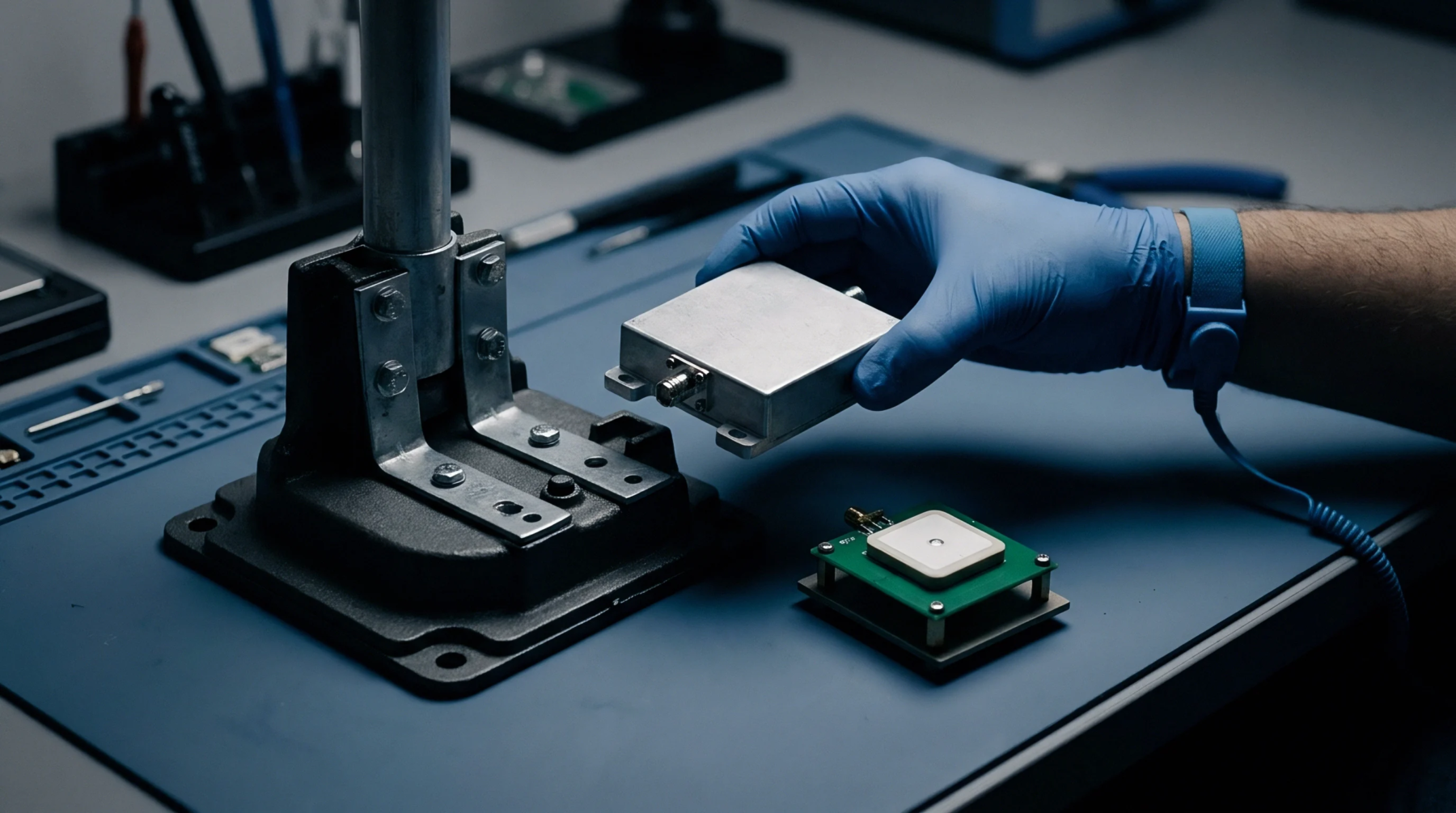
Quality management systems mandate a documented evidence trail to prove that the manufacturing output matches the design intent. Staff compare the incoming technical data against the operational settings of the assembly line to identify potential discrepancies before mass production starts. This review includes an assessment of component sourcing, part qualification, and software flashing procedures to confirm that every element functions within its designated range.
Discrepancies in the testing environment often require a formal revalidation of the manufacturing process to ensure consistent product performance.
Process Consequence
Operational stability depends upon the precision of the information provided during the transition from the laboratory environment to the industrial setting. Manufacturing yields increase when the transferred specifications include exhaustive detail on measurement methods and error handling for common defects. Accurate information transfer prevents the introduction of variability that degrades the functionality of the final device once it reaches the user.
Success in this phase relies entirely on the alignment of the technical intent with the physical realities of the assembly facility.