Meaning
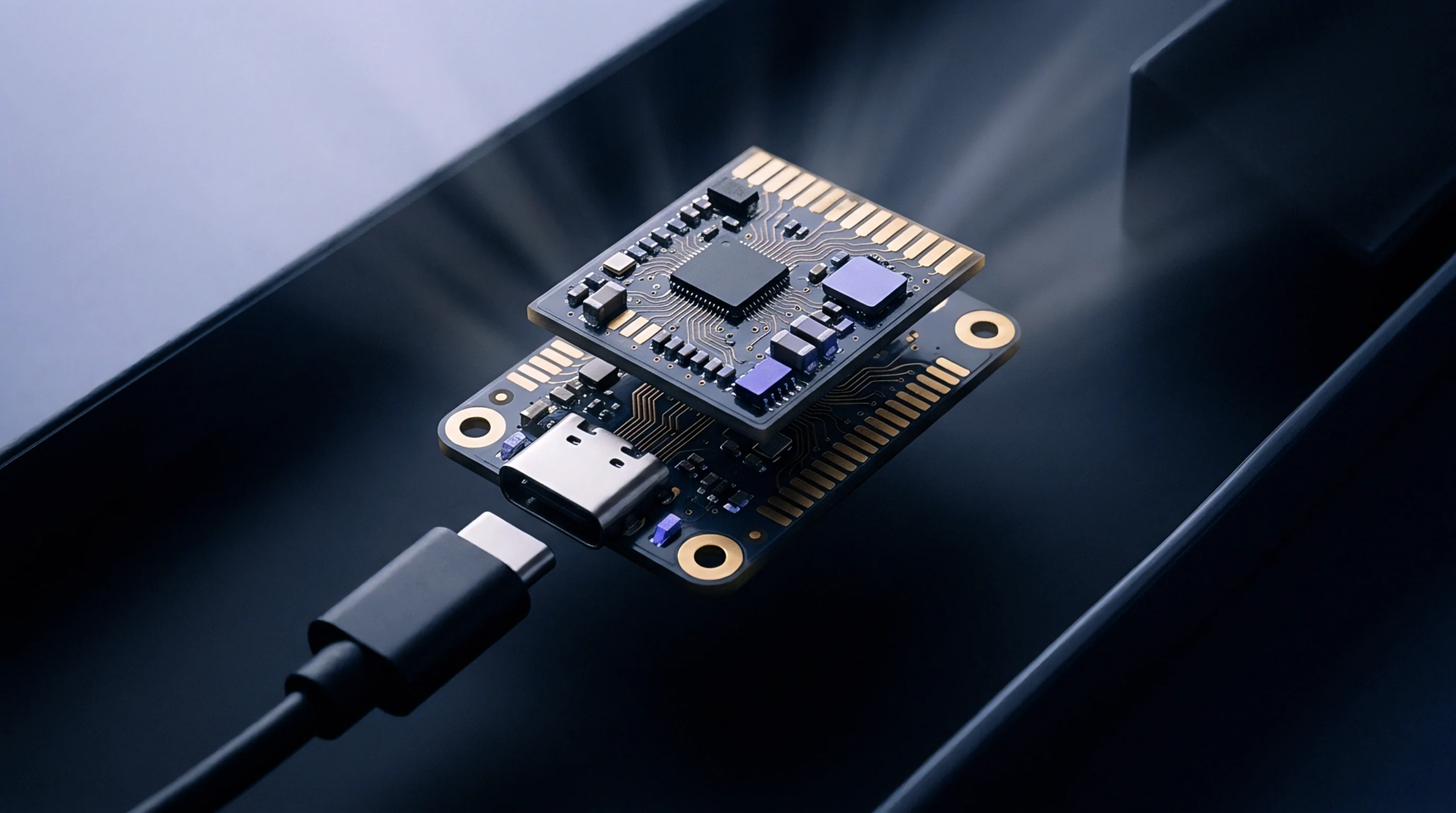
An engineering discipline focuses on ensuring that electrical signals travel across a board without excessive distortion. Maintaining signal integrity is necessary for high-speed digital buses where noise can cause data corruption.
Trace Geometry
The width of a trace and its height above the ground plane determine its characteristic impedance. When signal integrity is a priority, controlled impedance routing is used to prevent signal reflections at trace transitions. Vias and connectors must be designed to match this impedance.
These choices keep the waveform clean as it travels through the board layout and reaches its destination.
Crosstalk Mitigation
Electromagnetic coupling between adjacent traces can inject noise into parallel signal paths. To preserve signal integrity, design rules enforce minimum spacing between traces. Ground shield traces can be routed between sensitive signals to isolate them.
This separation reduces the risk of data errors on high-frequency channels.
Simulation Technique
Software tools model the electrical behavior of the board before it is sent to fabrication. These tools analyze signal integrity by generating eye diagrams to show the quality of the received signal. If the eye opening is too small, the trace layout must be adjusted.
This modeling saves time and reduces the number of layout iterations.