Meaning
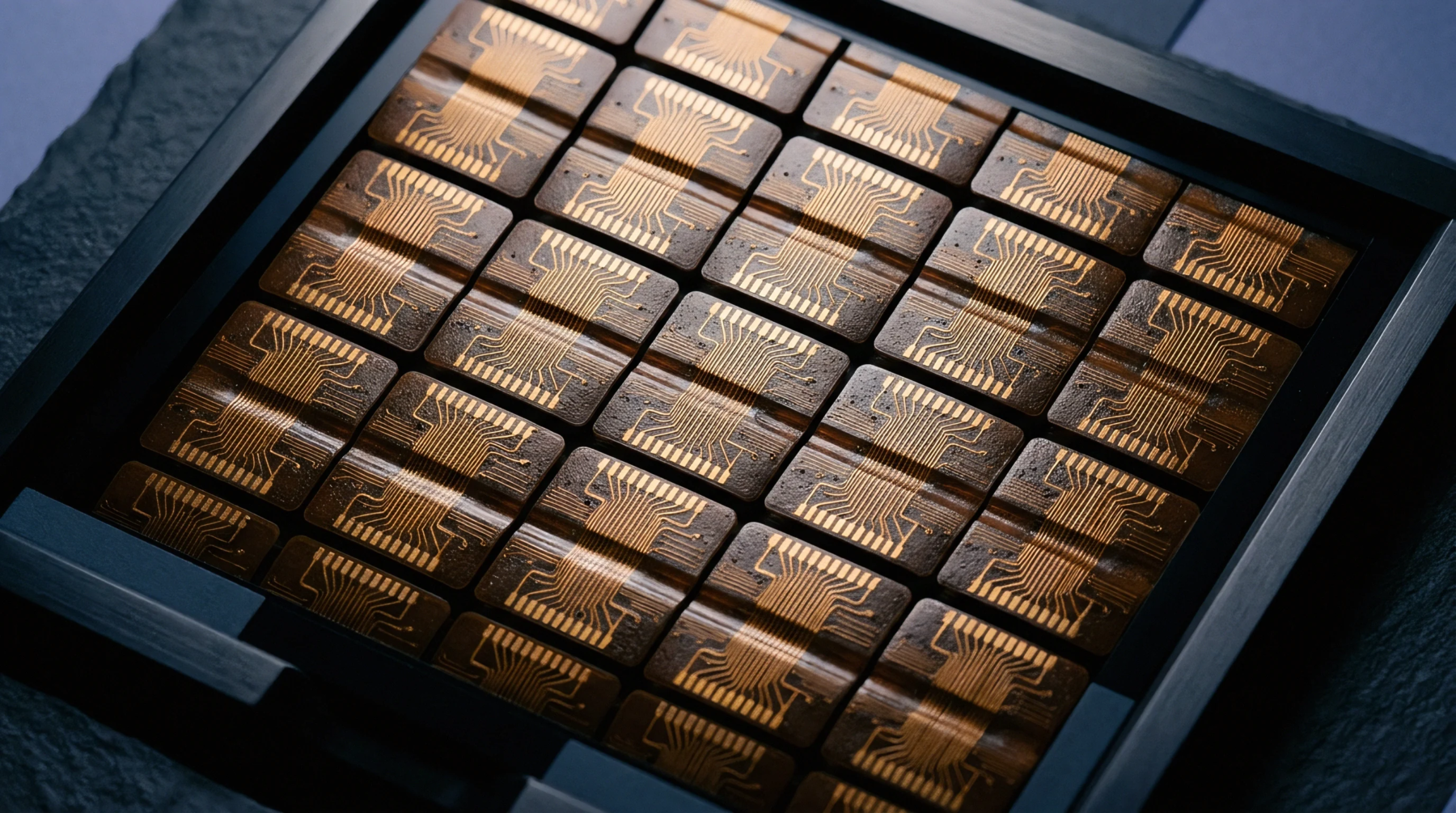
Electrical energy redirection protects sensitive microelectronics from sudden spikes by shunting excess current toward a secondary ground path. Transient voltage suppression limits the amplitude of a pulse to levels that do not harm the internal logic gates of a semiconductor. A silicon based diode acts as the primary hardware medium for this function.
It operates by transitioning from a high impedance state to a low impedance state within picoseconds of detecting an overvoltage event. The device returns to its original state once the excitation clears the circuit path.
Circuit Integration
Designers select a component based on the maximum standoff voltage of the signal line it protects. Boards require placement as close to the entry point of the signal as physically possible to minimize inductive overshoot during the clamping process. A series resistor often sits between the suppression diode and the integrated circuit to drop the remaining energy that the diode fails to absorb.
Thermal budget calculations dictate the maximum power dissipation allowable for these components in a continuous operation scenario.
Equipment Qualification
Quality control engineers verify the effectiveness of a clamp by injecting simulated lightning strikes or electrostatic discharge pulses into the assembly according to industry standards. Test technicians monitor the residual voltage at the input pin of the microprocessor during these pulses. If the measured peak stays beneath the absolute maximum rating provided by the chip manufacturer, the protection scheme earns validation for the production line.
Data sheets detail the clamping voltage at various peak pulse current levels to define the safe operating window for the chosen part.
Operation Reliability
Failures occur when the energy of the surge exceeds the heat dissipation capacity of the semiconductor die. Prolonged exposure to high voltage events degrades the barrier layer and shifts the clamping threshold downward until the component shorts the signal line permanently to the ground. A shorted device creates a constant current draw that drains batteries and causes a full system malfunction.
Robust designs include a fuse or an equivalent sacrificial element in front of the protection stage to isolate the fault if the suppression diode succumbs to excessive stress.