Engineering Hours Hidden inside a Unit Price Quotation
Unbundling hidden engineering hours from unit quotations exposes true manufacturing costs, restores IP ownership, and prevents locked-in margin erosion.
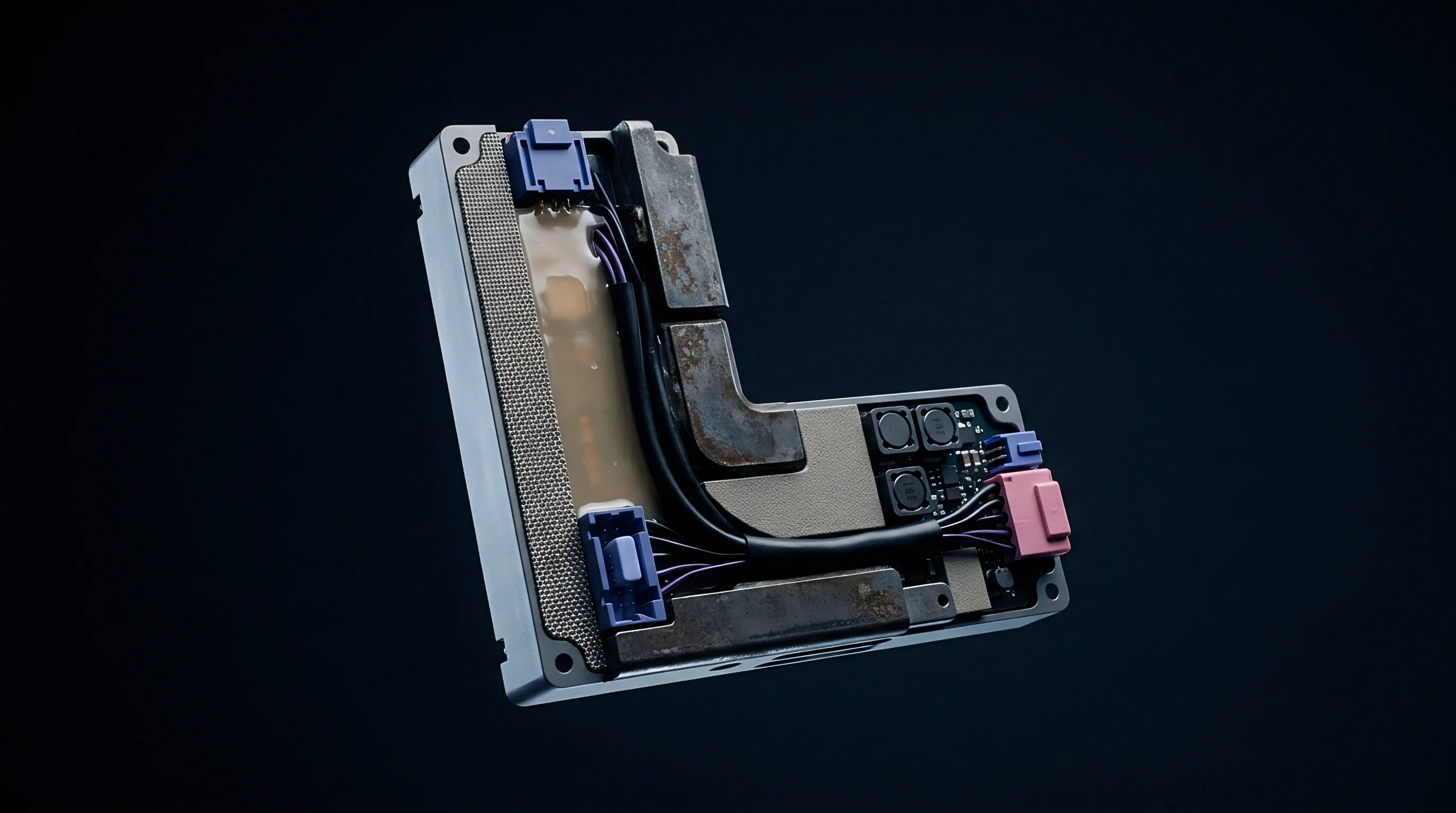
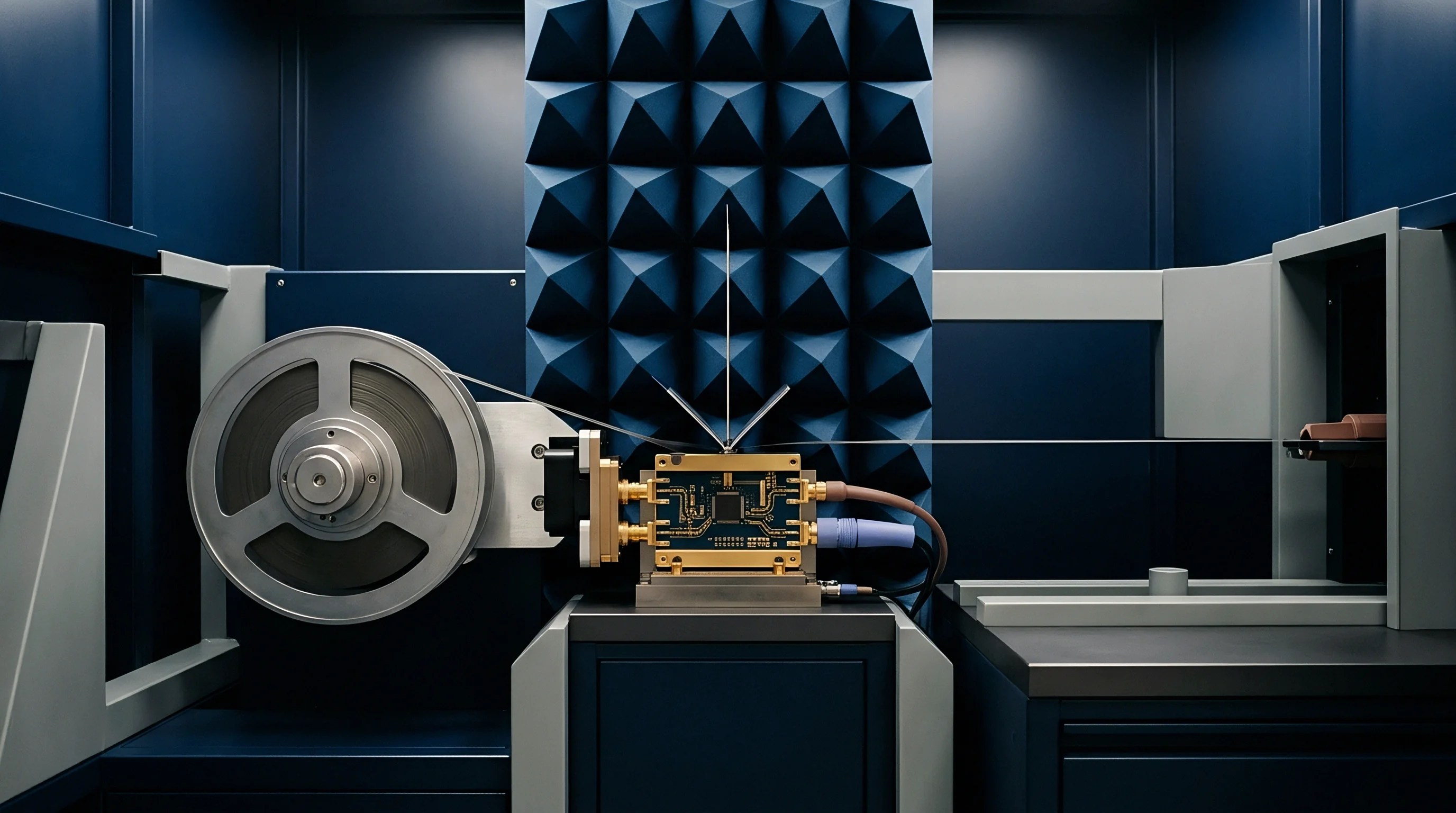
Burden
Supplier unit price quotes often hide senior engineering hours inside manufacturing overhead, scrap allowances, and component markups. A vendor offering a four-dollar wireless module price may embed two hundred thousand dollars of non-recurring engineering into that unit cost, amortizing design, layout, and tuning across expected production volumes. If volume falls short or integration requires design changes, the arrangement falls apart.
The buyer ends up paying for engineering repeatedly through inflated piece rates while never taking ownership of the technical documentation, firmware repositories, or test files generated by those hours.
Factories prefer this structure because it protects their margins and keeps technical custody of the design baseline in their hands. By wrapping engineering headcount into unit material markups, suppliers turn custom development into an ongoing service fee. An engineering team reviewing a turnkey quote sees only component prices, assembly labor, and factory yield buffers.
Behind those line items sit layout work, RF matching, antenna integration, microcode tailoring, and automated test scripts. Uncovering these hidden costs requires auditing the bill of materials line by line against market component distribution pricing.
A unit price that hides engineering effort strips the buyer of intellectual property rights while guaranteeing the supplier maintains its margins through every design revision.
Direct labor on a quote breakdown usually covers assembly operators, machine technicians, and visual inspectors. System architects, PCB layout specialists, and RF engineers almost never show up on standard cost templates. Instead, their hours are tucked into an inflated burdened labor rate or a percentage multiplier on raw SMT placement costs.
The shift is subtle. When a supplier puts a three hundred percent markup on assembly labor, that extra money is funding the engineering office upstairs rather than the pick-and-place machine on the floor.

Concealed Engineering Headcount Allocation Mechanisms
Suppliers move non-recurring development labor into recurring production costs through four main accounting routes. Recognizing how these work helps procurement teams separate actual hardware manufacturing costs from amortized engineering charges.
- Component Margin Padding adds a fixed markup percentage to silicon, passives, and substrate costs, masking hardware engineering hours as routine material cost variation.
- Overstated Yield Loss Rates inflates expected line scrap from two percent to eight percent to subsidize ongoing test engineering support.
- Burdened Placement Fees inflates surface-mount placement rates far beyond machine run costs to absorb layout revision work.
- Firmware Retainer Amortization bakes software maintenance, driver patch updates, and protocol stack work directly into per-unit licensing fees.
Untangling these accounting structures means demanding an unbundled cost breakdown before signing any manufacturing contract. If a factory refuses to separate design labor from physical production, that refusal usually confirms the quote depends on amortized engineering hours to keep buyers locked in. Establishing a clear baseline requires putting every technical task into an explicit statement of work tied to concrete file deliverables.
Unit rates stay low only because development labor sits inside production margins. The result is that suppliers retain technical ownership of every engineering asset created during development.


Baseline
Evaluation boards and silicon reference designs prove a concept works, but turning them into production-ready modules takes significant engineering time. Silicon vendors design evaluation kits to showcase maximum IC performance under lab conditions using six-layer or eight-layer board stack-ups, high-grade dielectric substrates like Rogers materials, and ideal power decoupling. Squeezing that reference design onto a four-layer FR4 commercial board with strict mechanical limits requires a full layout overhaul, power integrity tuning, and RF re-matching.
Turnkey module suppliers often claim that adopting a reference design eliminates non-recurring engineering costs. That ignores the work needed to pass regulatory compliance, handle thermal dissipation, and survive environmental testing. Redesigning a trace antenna, swapping passive packages from 0402 to 0201 to save board space, or re-routing high-speed SPI traces introduces signal integrity problems that require senior hardware engineers to fix.
These hardware tweaks carry real labor costs, even when they don’t show up on the initial quote.
Firmware adaptation is another major source of hidden hours. Silicon vendors supply reference code as a simple demo harness; it generally lacks error handling, dynamic power management, fault recovery, and secure bootloaders. Turning demo code into production-ready firmware takes hundreds of software engineering hours ~ labor factories quietly roll into the unit price to make their turnkey bids look low-risk.

Reference Design Adaptation Effort Breakdown
Moving from a reference layout to a qualified production module takes specialized engineering across several disciplines. The table below outlines the actual work required to bridge that gap.
| Integration Subsystem | Reference Assumption | Production Module Requirement | Engineering Hours |
|---|---|---|---|
| Radio Frequency Front-End | 50-ohm reference trace with ideal ground planes | Enclosure-matched trace, LC filter tuning, shield cans | 85 to 140 |
| Power Distribution Network | Dedicated LDOs per rail on multi-layer board | Shared PMIC rails, transient suppression, low-power states | 60 to 95 |
| Printed Circuit Board Stack-up | 6-layer controlled impedance FR4 substrate | 4-layer microvia design with tight thickness tolerance | 110 to 160 |
| Board Support Package | Bare-metal demonstration application harness | RTOS port, low-power drivers, secure boot loader | 200 to 350 |
| Regulatory Compliance Pre-Test | Pre-certified reference module under open air | Fully enclosed radiated spurious emissions compliance | 70 to 120 |
If a supplier quotes a flat unit price without breaking out these integration phases, the development risk lands on the buyer. When an RF front-end fails spurious emission limits during FCC or CE testing, the layout has to be revised. If those design spins aren’t explicitly structured as NRE, the factory covers its costs elsewhere ~ by raising minimum order quantities, pushing back delivery schedules, or swapping out passive components to protect assembly margins.
Every modification to a reference design pushes responsibility down the line, where unpriced engineering eventually shows up as production delays.

Spread
Comparing unit price models shows how hidden engineering costs alter project economics over different production volumes. Sourcing teams weighing a higher unit price with zero up-front NRE against a lower unit price with explicit NRE need to check their break-even thresholds against expected product lifespans. Turnkey suppliers usually build their pricing to recover all engineering expenses within the first twenty thousand to fifty thousand units shipped.
| Production Volume (Units) | Amortized Model Unit Price ($) | Amortized Total Spend ($) | Unbundled Unit Price ($) | Unbundled NRE Charge ($) | Unbundled Total Spend ($) |
|---|---|---|---|---|---|
| 2,000 | 18.50 | 37,000 | 8.20 | 120,000 | 136,400 |
| 5,000 | 18.50 | 92,500 | 8.20 | 120,000 | 161,000 |
| 10,000 | 18.50 | 185,000 | 8.20 | 120,000 | 202,000 |
| 20,000 | 18.50 | 370,000 | 8.20 | 120,000 | 284,000 |
| 50,000 | 16.00 | 800,000 | 7.80 | 120,000 | 510,000 |
| 100,000 | 14.50 | 1,450,000 | 7.20 | 120,000 | 840,000 |
The numbers show how quickly amortized models penalize projects as volume scales. At twenty thousand units, total spend under the amortized quote hits three hundred seventy thousand dollars, compared to two hundred eighty-four thousand dollars for the unbundled model (including the up-front NRE). That eighty-six thousand dollar gap is pure profit for the supplier, collected on engineering work that was finished months earlier.
A factory quote for a semi-custom cellular IoT module built a one hundred forty thousand dollar engineering budget into a two-dollar unit price adder across a seventy-thousand-unit commitment. When a mid-cycle microcontroller swap became necessary due to component obsolescence, the supplier insisted on charging another forty-five thousand dollars in NRE. They refused to credit any of the amortized engineering fees already paid across the first fifteen thousand units shipped ~ showing why unbundled terms are needed to isolate risk.
Unbundling non-recurring engineering from unit pricing protects your margins at scale and sets clear financial boundaries for mid-cycle design updates.
Paying engineering fees directly against a clear scope of work forces transparency. It allows contract terms to secure full design transfer rights: native CAD schematics, bill of materials with manufacturer part numbers, PCB layout files in IPC-2581 format, and fully commented C source code. When engineering is buried in the piece price, technical ownership remains with the factory ~ leaving the buyer stuck if production bottlenecks force a move to another assembly house.
Re-engineering a proprietary module interface after a turnkey supplier raised unit prices forty percent right after initial qualification cost one buyer an eleven-month delay and sixty-five thousand dollars in legal and engineering fees.


Code
Custom embedded firmware is another major hiding place for engineering hours in turnkey quotes. Configuring microcontroller board support packages, writing peripheral drivers, optimizing wireless protocol stacks, and tuning power states require specialized software work. Silicon vendors supply starter code, but that code lacks the stability, security features, and edge-case recovery needed in production hardware.

Software Engineering Scope and Asset Deliverables
A thorough design transfer agreement must cover every software layer needed to run, debug, update, and maintain the module. Unbundling these hours means specifying exact file formats and rights for every tier of the software stack.
- Bootloader Source Code specifies complete source files for secure primary and secondary bootloaders, hardware cryptoprocessor drivers, flash memory partition maps, and asymmetric key insertion scripts.
- Peripheral Driver Packages includes uncompiled C code for low-level drivers, register configurations, DMA channel mappings, and hardware interrupt handlers.
- Protocol Stack Adaptations covers complete implementation files for network stack wrappers, payload serialization routines, power-save state machines, and link-layer error recovery.
- Application Layer Code includes fully commented application source code, interface control documents, state transition diagrams, and continuous integration build scripts.
- Production Programming Tooling covers hex file generation scripts, flash programming utility source code, and hardware security module provisioning scripts used on the line.
Software hours pile up quickly. Configuring a BLE or Wi-Fi stack to hit micro-ampere standby currents can take a factory engineer forty to eighty hours of tweaking sleep registers. If those hours aren’t explicitly billed as software NRE, the supplier usually retains the source code repositories.
The buyer gets binary blobs that can only be flashed using the factory’s proprietary tools, tying the product’s entire lifecycle to the supplier’s engineering team.
Turnkey quotes also disguise restrictive software licensing. If a supplier incorporates proprietary libraries or third-party protocol stacks into module firmware, they may fold hidden per-unit royalties into the base price. Should production move elsewhere, those software licenses won’t transfer, leaving the compiled hardware unusable without a complete firmware rewrite.
Protecting design rights requires a contract clause stating that all module firmware ~ including build environments, scripts, linker files, and driver source code ~ becomes buyer property upon payment of agreed software milestones.

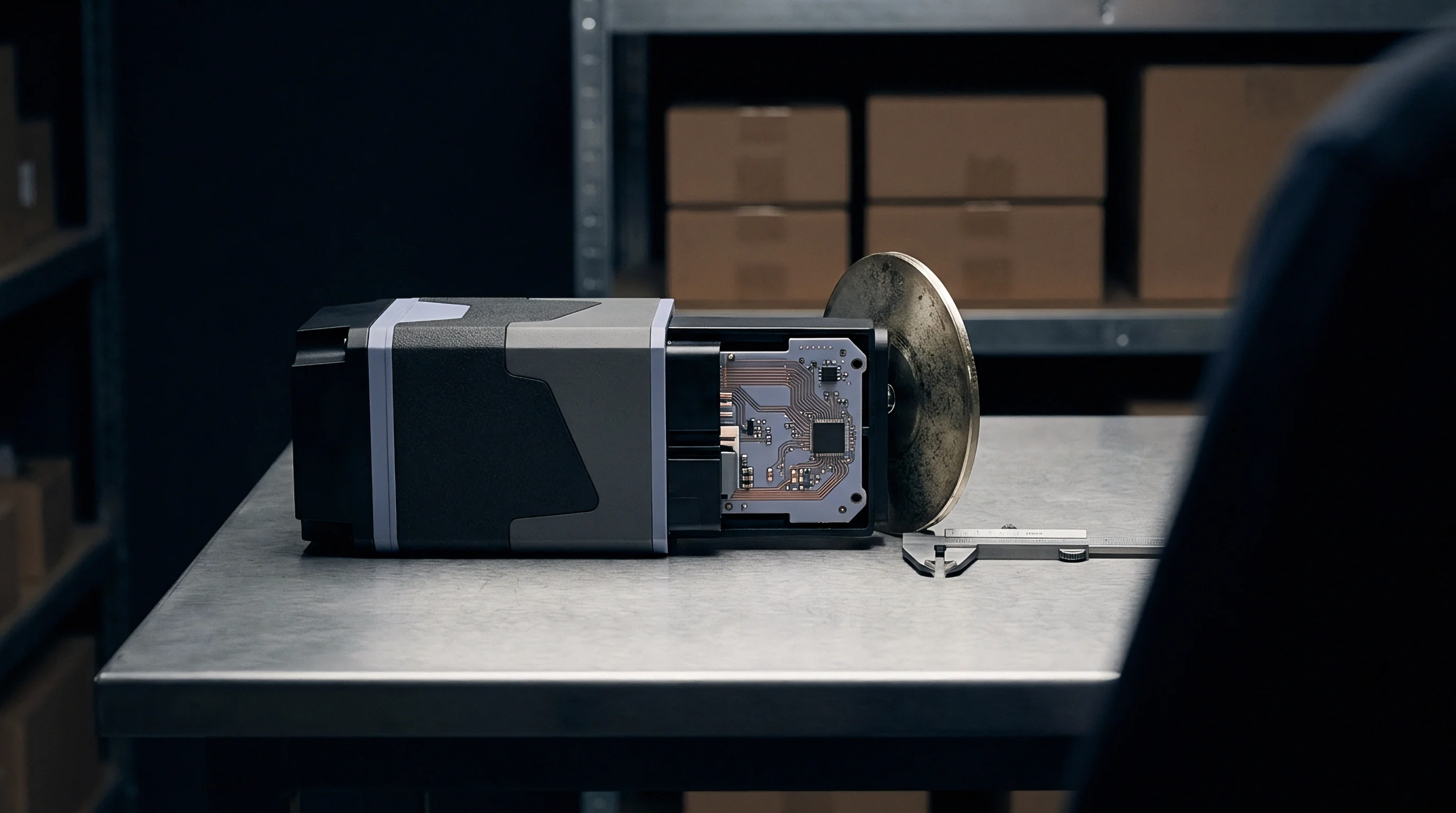
Fixture
Factory line setup, custom test fixtures, and automated test scripts involve substantial engineering time that vendors often hide inside yield loss calculations and manufacturing overhead. Every custom module coming off an assembly line needs dedicated hardware to check electrical continuity, calibrate RF performance, program cryptographic keys, and test functional behavior before shipping.
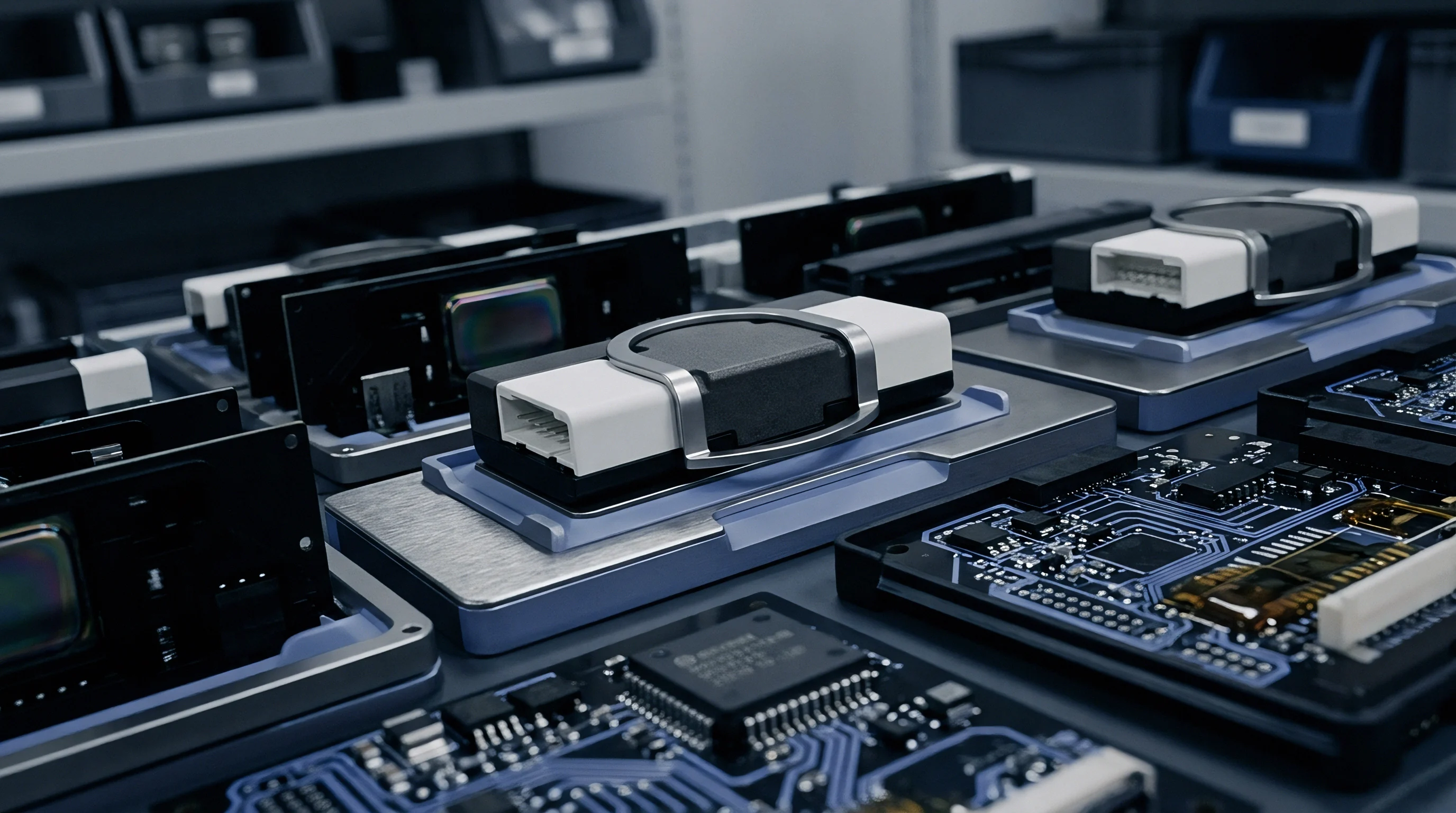
Test Fixture Engineering Effort Allocation
Building and programming a production bed-of-nails test fixture requires real hardware and software work. Suppliers roll these costs into unit prices unless forced to break them out as explicit test engineering NRE line items.
| Test Stage | Engineering Subsystem | Development Activity | Deliverable Asset |
|---|---|---|---|
| In-Circuit Testing (ICT) | Pogo-Pin Interface Fixture | Mechanical plate design, signal trace routing, wiring harness assembly | Gerber files for test interface board, mechanical CAD drawings |
| Radio Calibration | RF Shield Box & Instrumentation | Attenuation calibration, frequency offset matching, power table writing | Automated Python/LabVIEW test scripts, instrumentation driver suite |
| Functional Verification | Host Emulator Hardware | Microcontroller test harness board design, firmware emulator code | Target test firmware source, automated pass/fail log parser |
| Provisioning | Key Injection Unit | Secure HSM integration, key pair generation, certificate signing | Provisioning server deployment scripts, key management documentation |
Writing test scripts takes significant effort. Setting up a multi-site RF test fixture requires over one hundred fifty hours of senior test engineering time to write instrument drivers, optimize measurement speed, and link spectrum analyzers to factory databases. When a supplier hides this work inside the unit price, they retain control of the test scripts and calibration routines.
If a second factory is needed later, that new vendor has to rebuild the entire test setup from scratch.
Yield issues also mask engineering labor. When early yields drop from board warpage, improper solder paste, or package variations, process engineers spend days tweaking line parameters. Under turnkey contracts, suppliers absorb that troubleshooting time by inflating scrap allowances, passing the cost of line instability back through higher unit rates.
Will the supplier hand over full schematics, wiring diagrams, and uncompiled test scripts for all production fixtures once line qualification is complete?

Handover
A successful unbundling strategy requires a clear design transfer process that extracts every asset from the supplier. The handover package must contain all files, setup scripts, test routines, and bills of materials needed to manufacture the module at an independent facility without vendor help. Settling for basic output files like compiled Gerbers or binary images leaves buyers exposed to supply disruptions and unannounced price hikes.
True design ownership demands raw files; Gerbers alone are not enough. A full hardware transfer package needs native EDA source files from tools like Altium Designer, KiCad, or OrCAD. Native files allow an outside engineering team to handle future design changes, run signal integrity simulations, update component footprints, and generate new fab drawings.
These must be accompanied by detailed fabrication notes specifying layer stack-ups, copper weights, solder mask specs, impedance targets, and IPC-A-600 standards.
Tooling amortization is another way engineering headcount gets buried. Unbundling hardware assets requires getting complete 3D enclosure models, injection mold drawings, shield can stamping designs, and pick-and-place feeder maps. Custom RF shield cans designed to control interference represent dedicated tooling assets.
If shield can development was paid for through unit price amortization, the supplier keeps the physical dies and CAD models, forcing a complete re-tool if production moves.
Software transfers require equal discipline. Buyers need access to private code repositories containing complete revision histories, tags, and branches. The package must include CI scripts, toolchain specifications, exact compiler versions, environment config files, and third-party software licenses.
Without the precise build environment, recompiling binary-identical microcode from source becomes a frustrating, costly exercise in reverse engineering.
Enforcing these terms comes down to staging milestone payments against audit of the transfer package by an independent engineer. Final NRE payments should depend on passing a cold-build test, where an outside team uses only the provided transfer files to manufacture, flash, and test working modules. Taking back engineering control from a turnkey quote requires verifying every native file, test script, and manufacturing instruction before high-volume production starts.