Unbundling Non Recurring Engineering Hours in Factory Unit Quotes
Unbundling non-recurring engineering hours in unit quotes isolates amortized costs, establishes clear work boundaries, and protects firmware ownership.


Ledger

Unit Rate Masking and Hidden Development Allocation
Factory quotes for custom and semi-custom hardware modules frequently roll non-recurring engineering fees directly into the unit price. A supplier might quote ten dollars per unit on a batch of fifty thousand modules while quietly allocating two dollars of that unit price to absorb one hundred thousand dollars of unstated engineering work. That structure conceals the true bill of materials cost, inflates recurring production fees, and complicates price negotiations when volumes double.
Factories prefer bundled quotes because bundling masks low-margin assembly work behind high-margin engineering hours. Unbundling separates engineering labor from material, overhead, and manufacturing margin.
When engineering labor sits inside the unit price, the buyer pays for non-recurring engineering indefinitely. After fifty thousand units ship, the factory continues charging ten dollars per unit, collecting an extra two dollars per module long after initial development costs have been amortized. Failing to demand an explicit line-item breakdown surrenders visibility into both true manufacturing costs and actual engineering hours worked.
Unbundling forces the factory to state baseline piece-part costs, actual SMT assembly fees, specific test markups, and precise engineering hour allocations for board layout, firmware modification, and regulatory compliance.
Factories naturally favor bundled quotes for these reasons.
Dissecting a factory quotation requires separating fixed engineering fees from variable production expenses. Non-recurring engineering hours represent a finite, upfront investment for specific technical deliverables. Variable unit costs cover raw component prices, printed circuit board fabrication fees, surface mount technology line time, assembly labor, yield loss assumptions, and factory overhead.
Blending these two categories distorts operational realities. When component market prices fall, a bundled quote shields the factory from passing those savings along, allowing the vendor to attribute the static unit price to ongoing engineering support and software maintenance.
Unbundling isolates finite development labor from recurring assembly fees to prevent ongoing margin extraction.
Commercial transparency requires a clear breakdown of engineering labor categories during the quotation phase. A factory quoting four hundred hours of non-recurring engineering must break those hours into functional engineering disciplines. Hardware design, printed circuit board layout, antenna tuning, board bring-up, firmware adaptation, production test fixture development, and regulatory certification management each carry distinct labor rates and skill levels.
A single blanket engineering figure gives the factory room to reallocate unspent design hours into passive administrative overhead or margin capture.

Commercial Vulnerabilities of Bundled Factory Quotes
Accepting a bundled unit price exposes hardware programs to severe commercial risks across the manufacturing lifecycle, whereas unbundled hours reveal hidden margins.
- Indefinite Overhead Amortization extends development fees past the break-even volume, forcing the buyer to pay initial design costs repeatedly on mature high-volume shipments.
- Enforced Vendor Lock-In results when bundled engineering agreements omit explicit technical transfer deliverables, leaving the buyer without native CAD drawings or uncompiled source code.
- Unverifiable Scope Revisions occur during minor design modifications, allowing the vendor to quote arbitrary change-order hours without baseline labor benchmarks.
- Obscured Bill of Materials Drops prevent buyers from claiming price reductions when active component costs fall during volume manufacturing runs.
Unbundling non-recurring engineering hours establishes the baseline financial structure for every engineering trade-off that follows. When a buyer forces the factory to itemize engineering hours at a defined hourly rate, every technical modification receives a transparent cost tag. A requested change to an RF layout or a power management circuit translates directly into a known number of labor hours, calculated against the agreed engineering rate sheet.
This explicit accounting structure converts vague factory resistance into concrete financial metrics that product managers can evaluate directly.
The financial mechanics of unbundling rely on a strict separation between physical assets, digital files, and engineering labor. Non-recurring engineering fees buy specified engineering hours and explicit technical artifacts. Whether those hours are paid as a lump sum or by milestone, the contract must state that the resulting schematic files, layout databases, firmware repositories, and test automation scripts belong entirely to the buyer.
Without explicit unbundling, factories claim that bundled unit prices merely grant the buyer a limited, non-exclusive right to purchase completed physical modules, leaving core design files trapped inside factory servers.
Line-item transparency in unbundled factory quotes exposes where engineering labor is overstated. A factory claiming two hundred hours for minor schematic modifications often backs down when asked for an itemized schedule detailing schematic capture, symbol creation, design rule checks, and netlist verification. Unbundling gives procurement teams the technical leverage needed to benchmark factory quotes against independent engineering estimates, ensuring that non-recurring fees accurately reflect actual technical effort.
The standard vendor rationale asserts that unbundled quotes increase administrative overhead and compromise internal factory labor pricing confidentiality.


Dissection

Categorizing Engineering Hours across Functional Disciplines
Unbundling requires breaking factory engineering effort into verified functional categories. Non-recurring engineering hours are not uniform. Hardware schematic capture, high-density printed circuit board layout, radio frequency tuning, embedded firmware driver development, test jig build, and regulatory agency submittals demand different engineering skills, tools, and labor rates.
A factory quoting a flat rate of one hundred twenty dollars per hour across all design activities blends lower-cost technician build time with high-cost RF design engineering. The buyer must enforce a disciplined breakdown of engineering labor into explicit operational categories.
Hardware engineering hours encompass schematic drafting, component selection, thermal modeling, and bill of materials generation. The factory layout engineer converts schematic netlists into physical board geometry, managing trace impedance, signal integrity, power distribution networks, and mechanical keep-out zones. Layout work must be quoted based on board density, layer count, and high-speed signal requirements.
A four-layer board with standard microcontroller interfaces requires significantly fewer layout hours than an eight-layer board carrying high-speed memory interfaces and dense wireless circuitry.
Contractual terms strictly govern the physical and digital handover process.
Firmware engineering hours must distinguish between reference driver integration and custom application code. Factories often overcharge for software customization by quoting custom software hours for minor alterations to vendor reference code. Semicustom module firmware work consists of configuring hardware abstraction layers, initializing peripherals, implementing custom communication protocols, writing bootloaders, and verifying power-saving modes.
The statement of work must separate software configuration hours from new algorithmic development hours, binding each category to explicit acceptance milestones.
| Engineering Discipline | Hourly Rate Range (USD) | Standard Task Allocation | Mandatory Output Deliverable | Acceptance Criterion |
|---|---|---|---|---|
| Schematic Capture & HW Design | $110 – $160 | Schematic drafting, component derating, power analysis | Native Altium or OrCAD schematic files, BOM database | Zero netlist errors, passed component stress review |
| PCB Layout & Signal Integrity | $95 – $140 | Layer stackup design, high-speed routing, RF keepouts | Gerber X2, IPC-2581 output files, native PCB layout | Passed IPC-2221 design rules, impedance match verification |
| Embedded Firmware Engineering | $125 – $175 | Peripheral drivers, protocol stack, power modes | C/C++ source code, repository history, build scripts | Clean static analysis, passed functional test suite |
| RF & Antenna Design | $140 – $200 | Matching network optimization, antenna pattern tuning | S-parameter files, smith chart plots, layout geometry | Return loss below minus 10 dB across band |
| Test Jig & Fixture Automation | $85 – $130 | Pogo-pin bed, test script capture, limits calibration | Wiring schematics, Python/LabVIEW scripts, mechanical CAD | Gage R&R study yield below 10 percent error |
| Compliance & Certification | $100 – $150 | Pre-compliance testing, lab submittals, fix execution | Test reports, agency technical construction files | Formal FCC/CE/RED grants and certificates |
Radio frequency design and antenna integration represent high-risk engineering hours that factories frequently inflate. Impedance matching, harmonic suppression, and radiative efficiency measurements demand expensive specialized equipment, including vector network analyzers and anechoic chambers. Unbundling RF engineering hours requires specifying exact measurement conditions, target return loss numbers, and radiated efficiency benchmarks.
If the factory quotes eighty hours for antenna matching, the output must include detailed S-parameter touchstone files and three-dimensional radiation efficiency plots proving performance targets were reached.
Production test engineering hours cover the design and fabrication of factory test jigs, pogo-pin fixtures, and automated test firmware. Production test jigs represent a critical bridge between design engineering and mass production. Test engineering hours must explicitly cover generating test point coverage reports, writing automated test scripts, setting pass-fail limits, and executing repeatability and reproducibility studies.
A test engineering scope that omits gage repeatability studies risks passing marginal modules in production, leading to unexpected field failures.
Quotations Audit Framework
Evaluating factory hour estimates demands systematic scrutiny of every line item against industry standard benchmarks, while custom layouts require explicit hour counts.
- Verify Component Symbol Creation Hours by checking if component libraries already exist within the factory repository or require new footprint generation under IPC-7351 standards.
- Audit Layer Stackup Assumptions to ensure quoted layout hours align with board layer counts, microvia constraints, and controlled impedance trace requirements.
- Separate Driver Configuration from Code Generation by isolating hours spent editing vendor reference configuration flags from hours spent writing original C/C++ driver logic.
- Check Test Script Automation Metrics to confirm quoted script development hours include automated logging, database integration, and limit testing.
- Evaluate Regulatory Buffer Time to prevent paying full engineering design rates for passive waiting periods during third-party certification lab testing cycles.
A rigorous review compares quoted hours against physical board metrics. A simple two-layer power distribution module cannot absorb two hundred hours of hardware design without detailed justification. Sourcing teams should enforce a layout ratio rule: standard density surface-mount layouts typically consume between zero point five and one point two hours per component placement, including trace routing and vector DRC checks.
A module containing one hundred components should range between fifty and one hundred twenty layout hours, depending on high-speed routing constraints.
Explicit hour breakdowns in module manufacturing agreements prevent unexpected change-order expenses. When a design change becomes necessary during prototype validation, an unbundled contract provides an unambiguous baseline. If changing a sensor interface requires modifying fifteen schematic pins and rerouting twenty traces, the change order references the agreed labor rate and task breakdown, preventing the factory from charging arbitrary lump sums for simple revisions.
Section 4.2 of IPC-2581 B requires full intelligent data transfers including layer stackups, netlists, and component attributes without proprietary lock-in.
Firmware hour unbundling requires establishing software deliverable standards up front. The contract must stipulate that engineering hours buy documented C/C++ source code, complete board support packages, toolchain build environment scripts, and clear revision control commit logs. Receiving compiled binary files alone renders software development hours useless for long-term product maintenance, forcing the buyer to re-engineer the code if manufacturing moves to a second source.
The standard procurement line item for firmware must mandate clean static analysis results under MISRA C standards, ensuring that paid software engineering hours deliver production-grade code rather than fragile demonstration scripts. Functional software tests must execute automatically inside a continuous integration build environment provided as part of the software deliverable package.
The underlying agreement must state that all design artifacts generated during paid engineering hours remain the exclusive property of the buyer upon payment of the corresponding milestone invoice.
Grid

Physical Fixtures, Test Jigs, and Hardware Assets
Unbundling non-recurring engineering hours requires managing the physical tooling assets created during development. Hardware fixtures, test beds, SMT stencils, and custom test jigs are tangible physical outcomes of paid engineering labor. When a buyer pays fifty thousand dollars in non-recurring engineering fees for test development, those funds construct physical hardware assets that reside inside the factory.
Without explicit asset unbundling, factories claim ownership of test fixtures, pogo-pin blocks, and calibration loads, preventing the buyer from relocating tooling to an alternative assembly site.
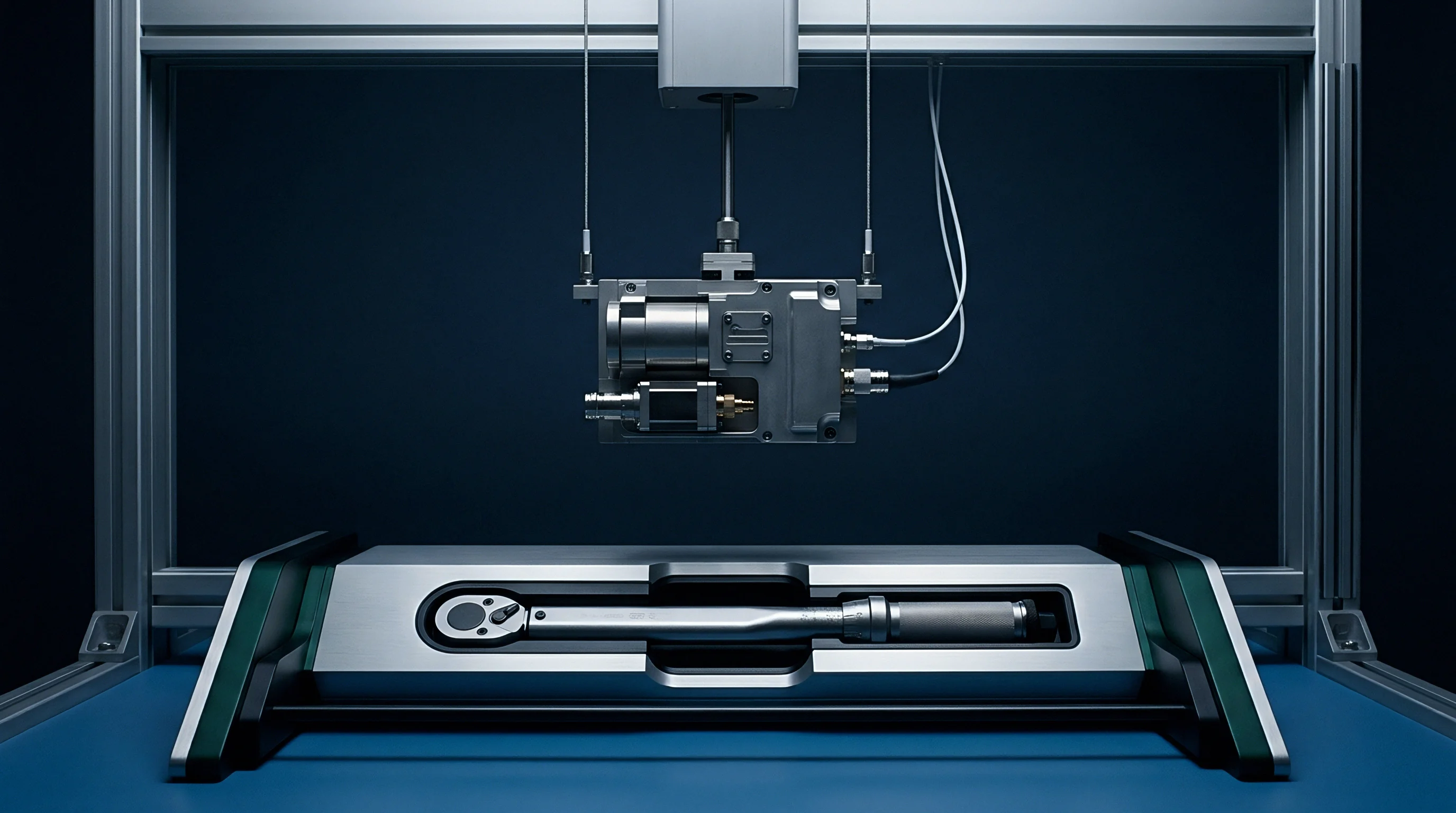
Factory test jigs represent significant engineering investment. A functional test jig incorporates a custom printed circuit board, spring-loaded pogo pins, pneumatic clamps, power supplies, measurement instruments, and microcontroller interfaces. The engineering hours required to design, wire, calibrate, and validate a test jig often rival the hours spent designing the production module itself.
The unbundled contract must detail the physical construction bill of materials, wiring schematics, assembly drawings, and maintenance schedules for every test fixture built under the engineering scope.
SMT stencils, mechanical alignment jigs, and custom carrier plates also fall under physical tooling unbundling. Laser-cut nickel stencils, custom CNC-milled aluminum carrier trays for double-sided surface mount reflow, and conformal coating masks are physical assets bought by the customer’s non-recurring engineering budget. The factory holds these physical items in trust.
The contract must state that all tooling assets carry permanent laser-etched serial numbers and customer identification tags, maintaining clear physical ownership records for future audit visits.
| Physical Asset Name | Typical Cost Range (USD) | Physical Composition & Specs | Documentation Deliverable | Ownership & Relocation Right |
|---|---|---|---|---|
| SMT Paste Stencil Set | $800 – $2,500 | Laser-cut nickel alloy, nano-coated, framed | Gerber paste layers, stencil thickness spec | Buyer owns, transportable to second source |
| Pogo-Pin Functional Test Jig | $8,000 – $25,000 | FR4 fixture base, beryllium copper pogo pins, pneumatics | Wiring schematic, fixture CAD, pinout map | Buyer owns, factory stores under maintenance SLA |
| Programming & ICT Bed | $5,000 – $15,000 | Clamping frame, keying pins, programmer header interface | Interconnect diagram, pin load limits | Buyer owns, relocatable upon NRE settlement |
| Burn-In & Thermal Carrier Trays | $3,000 – $12,000 | Anodized aluminum CNC trays, thermal pads | Mechanical STEP models, thermal rating spec | Buyer owns, dual-site qualified |
| RF Shielded Test Enclosure | $4,000 – $10,000 | Cast aluminum, double-gasket RF seals, SMA pass-throughs | Shielding effectiveness plot, maintenance spec | Buyer owns, transportable |
Verification records prove initial build consistency across production batches.
Tooling wear and maintenance present critical commercial questions during volume manufacturing runs. Pogo pins degrade after tens of thousands of insertion cycles, causing false failures and intermittent test contact. SMT stencils experience tension loss and edge damage over time.
Unbundling engineering fees requires specifying who pays for fixture maintenance, pin replacement, and stencil re-fabrication. The baseline agreement must state that initial NRE covers initial fixture design and build, while ongoing routine maintenance is funded out of the factory’s amortized assembly markup or explicitly billed under a scheduled maintenance contract.
Tooling assets created under paid development fees remain the exclusive physical property of the customer with unrestricted rights of relocation.
The physical test jig serves as the ultimate arbiter of factory quality control, supported by verification logs that establish build consistency.
Test Jig Calibration and Validation Procedure
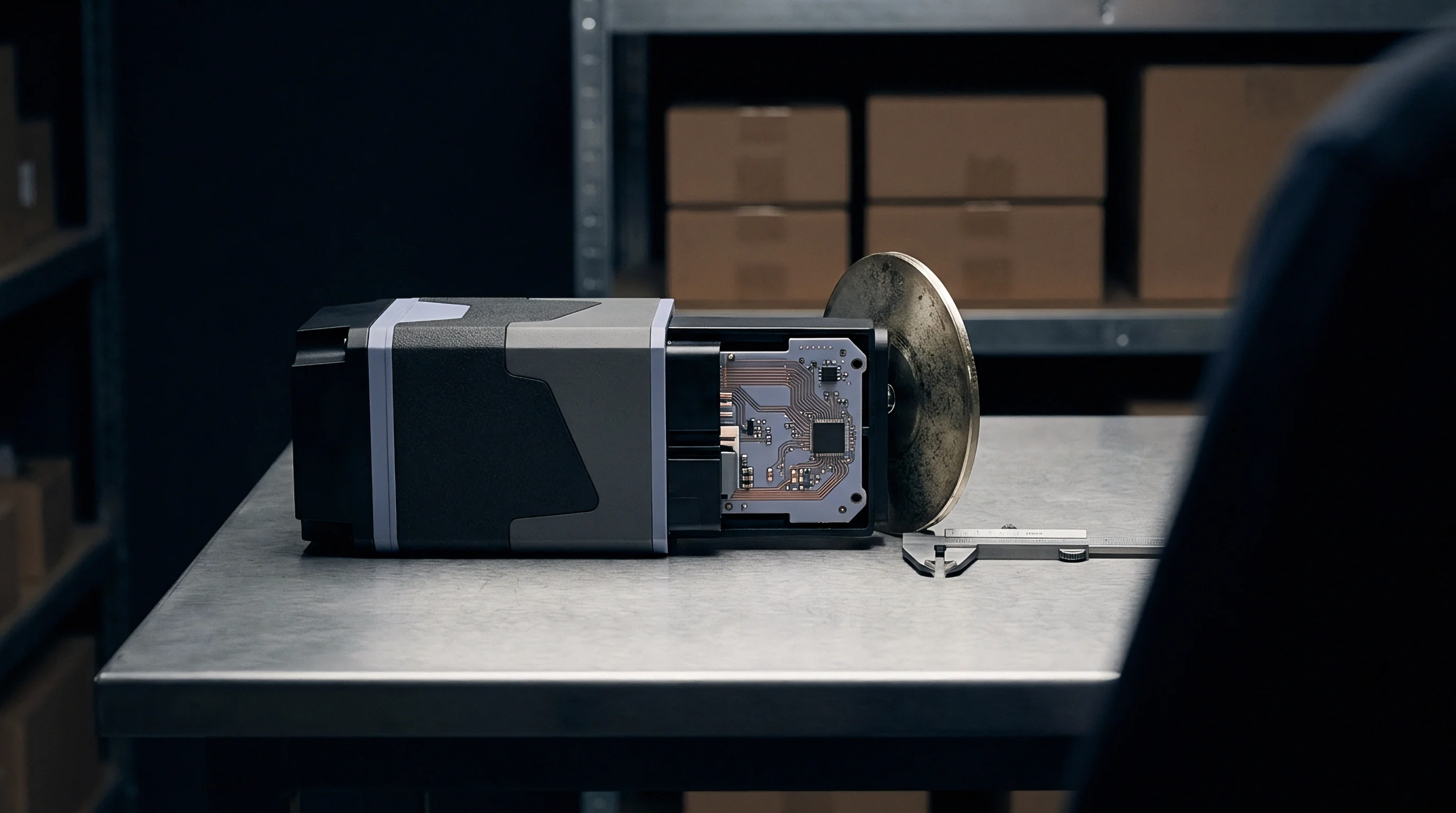
Validating physical test assets before accepting non-recurring engineering signoff requires a structured, step-by-step physical calibration protocol.
- Inspect physical pogo-pin alignment, contact force, and mechanical keying guides on the test fixture to verify zero mechanical pin deflection during clamp engagement.
- Measure power supply rail voltage drops under maximum load conditions across the fixture wiring to confirm resistance losses remain below ten millivolts.
- Connect calibrated golden reference modules to the fixture and execute fifty consecutive automated test cycles to establish baseline measurement variance.
- Insert known defective modules carrying programmed electrical faults to verify that automated software scripts correctly detect open circuits, short circuits, and out-of-tolerance signal levels.
- Execute a formal Gage Repeatability and Reproducibility study across three distinct factory operators, ensuring total measurement system variance contributes less than ten percent to overall process tolerance limits.
- Log all raw measurement vectors, calibration coefficient files, and statistical software plots into a permanent digital archive signed by both factory quality leads and customer engineering representatives.
Tooling ownership determines true exit costs when changing manufacturing partners.
Establishing clear physical fixture standards prevents factories from building fragile, unmaintainable test setups. A poorly wired test jig with unlabelled ribbon cables and loose breadboards creates severe production vulnerabilities. If the factory uses proprietary, un-documented test interfaces inside the jig, moving production to another facility becomes practically impossible.
Sourcing terms must mandate that all test fixture wiring follows standard IPC-A-620 wire harness standards, using standard industrial connectors, clear wire labeling, and fully documented schematics.
The financial ledger must separate physical asset costs from labor costs. When a vendor invoices thirty thousand dollars for test jig NRE, the invoice must separate labor hours spent on test software development from physical hardware component costs. This separation enables proper corporate asset tagging, depreciation accounting, and capital expenditure tracking on the buyer’s balance sheet.
Failing to secure physical custody documentation for custom tooling allows factories to withhold production fixtures during commercial price disputes, leaving the buyer unable to build products anywhere else.


Transfer

Design Package File Formats and Intellectual Property Custody
Unbundling engineering hours is meaningless without enforcing complete design transfer deliverables. When a factory completes custom module development under a paid non-recurring engineering agreement, the engineering output exists as a collection of digital design files. If the factory delivers only PDF schematics and pre-compiled software binaries, the design remains locked inside the factory’s native CAD environments.
True design transfer requires complete, fully editable native source files delivered in standardized, vendor-neutral file formats.
Print layout files and Gerber outputs represent the manufacturing layer of design transfer. Gerber X2 and IPC-2581 standards represent modern, intelligent design transfer formats. Unlike legacy Gerber 274X files, which carry only raw vector geometry, IPC-2581 files carry layer stackups, drill identifiers, netlists, component geometries, and bill of materials attributes inside a single XML file structure.
Native layout files from systems like Altium Designer, Cadence Allegro, or Mentor Expedition must be delivered alongside standard manufacturing outputs, ensuring the buyer can open, edit, and re-route the board independently.
Source files stay trapped without clear delivery rules.
Schematic source files must include full native CAD project files, custom library symbols, component footprints, and thermal model parameter files. A schematic export delivered as a static PDF file blocks future component substitutions, forcing engineering teams to re-draw schematics from scratch if a critical microcontroller goes end-of-life. The transfer package must mandate complete component database library files, including internal factory part numbering maps and approved vendor list references.
Firmware binaries solve almost nothing on their own.
Firmware source code deliverables require continuous integration environments to guarantee build reproducibility. A directory filled with C files is insufficient if it cannot be compiled into an identical binary image. The transfer scope must mandate complete build environments, including build automation scripts, linker scripts, toolchain versions, library dependencies, and precise flash memory map definitions.
Firmware commit history logs must be preserved, providing full visibility into software evolution and revision tracking.
- Native CAD Design Databases including Altium Designer, Cadence Allegro, or KiCad project files, complete schematic pages, and board layout databases.
- Intelligent Fabrication Outputs formatted under IPC-2581 or Gerber X2 standards with drill maps, layer stackups, and netlist validation files.
- Editable Firmware Repositories containing C/C++ source code, assembly code, linker scripts, build automation configuration files, and complete library dependencies.
- Automated Test Suite Archives incorporating Python or LabVIEW test scripts, limit tables, hardware calibration routines, and fixture schematics.
- Component Level Purchasing Documentation detailing the unbundled bill of materials, second-source part numbers, and approved supplier contacts.
Structuring engineering scope definitions around verifiable physical and digital deliverables cuts handover delays significantly. A clear definition of done ensures that final milestone payments are withheld until the factory uploads the complete transfer package to a secure customer repository and passes an independent verification build test.
Complete source code and native CAD file delivery is mandatory upon completion of engineering milestone payments under Section 8 of the standard MFTA agreement.
Where Does Firmware Ownership Sit after Transfer?
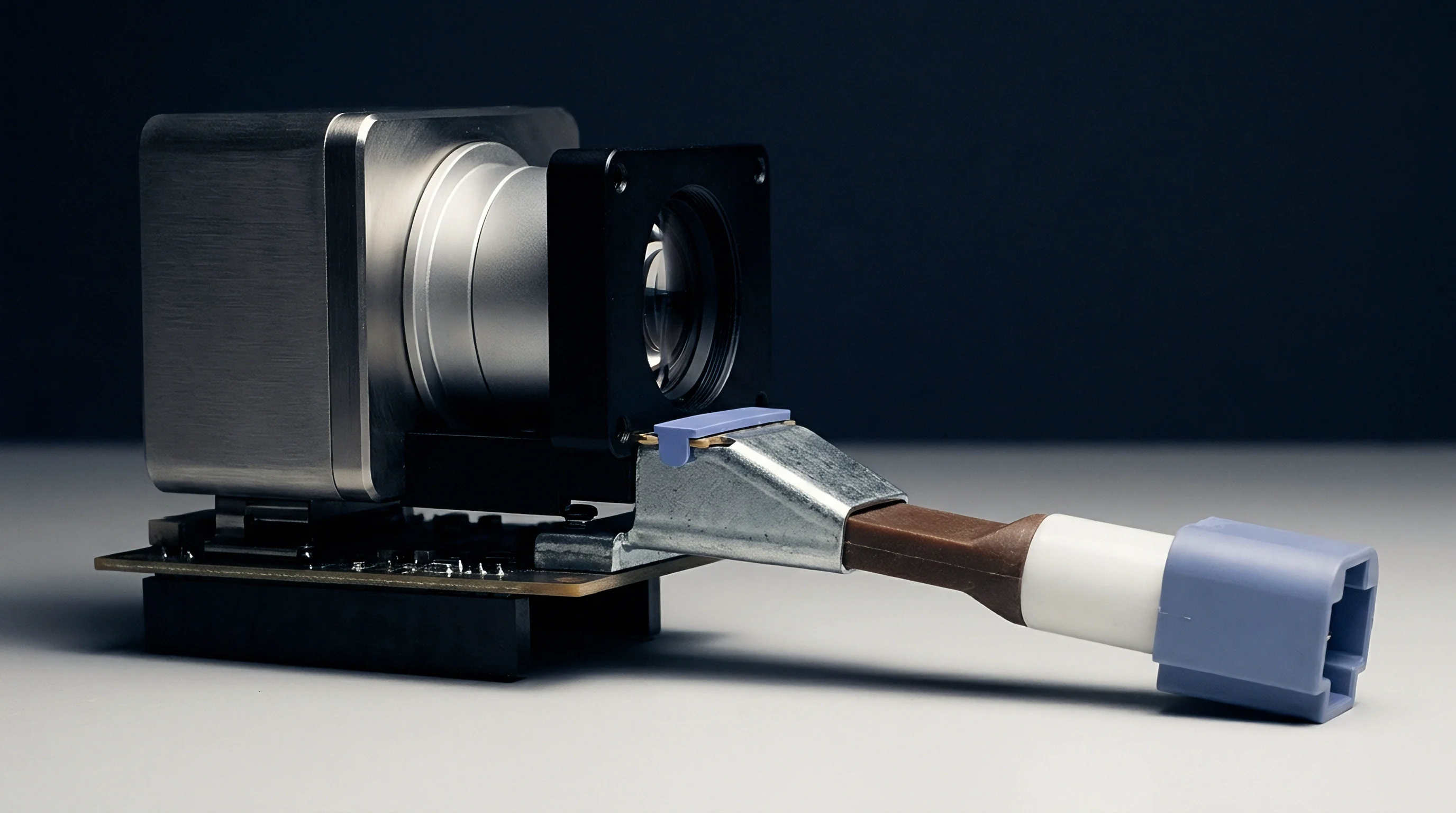
Firmware intellectual property allocation requires precise legal differentiation between vendor background IP and customer foreground IP. Factories frequently embed proprietary reference drivers or bootloader utilities into custom module firmware. The contract must state that all foreground code developed specifically for the custom application under paid engineering hours becomes the exclusive property of the customer.
For vendor background IP embedded within the build, the contract must grant an irrevocable, royalty-free, perpetual, worldwide license to use, modify, and re-compile the code for the life of the product.
The mechanics of design transfer must explicitly account for change control procedures. Part change notifications govern how component substitutions are managed after mass production begins. ISO 9001 and IATF 16949 standards mandate that suppliers issue formal change notifications before altering any component, PCB material, or manufacturing process.
The unbundled contract must bind the factory to issue part change notifications at least ninety days before making any component or process alteration, granting the buyer sufficient time to review, test, and approve the change.
A second-source design package must allow an independent factory to build the exact same module without requesting additional information from the original design house. The ultimate test of a design transfer package is the second-factory test: can an independent contract manufacturer take the delivered files, procure components, build SMT boards, compile firmware, and pass test jigs without issuing a single engineering clarification query?
Unresolved design ownership language creates ongoing operational uncertainty when product lines expand into new markets or transition to alternative manufacturing sites.

Clause

Structuring Contractual Terms and Unit-Price Adjustment Triggers
Translating unbundled engineering scope into commercial contracts requires translating technical boundaries into legal protections. The master development and manufacturing agreement must incorporate explicit clauses governing non-recurring engineering hour delivery, milestone sign-offs, tooling custody, and unit-price adjustments. A contract that leaves engineering hours loosely defined allows factories to claim scope creep whenever minor adjustments occur, generating costly change orders during critical prototype stages.
The unit price adjustment schedule represents a core contractual control mechanism. When a factory quote incorporates amortized engineering fees over an initial production run, the contract must define exact volume tiers where the unit price steps down. Once the amortized volume threshold is reached, the unit price must automatically drop to the baseline manufacturing price.
The clause must prohibit the factory from collecting ongoing engineering markups past the agreed volume limit.
The statement of work must define non-recurring engineering milestone payments tied strictly to verifiable technical criteria. A common failure mode involves paying engineering fees on a calendar schedule rather than on deliverable acceptance. Milestone payments must be split across clear technical gates: conceptual design review, schematic freeze, prototype bring-up, pre-compliance testing pass, production test jig signoff, and final design transfer package audit.
| Production Volume Tier | Amortized NRE Portion (USD) | Baseline Unit Price (USD) | Landed Unit Price (USD) | Commercial Trigger & Adjustment Audit |
|---|---|---|---|---|
| Units 1 to 10,000 | $2.00 | $8.50 | $10.50 | Initial NRE payback tier; engineering cost recovery active |
| Units 10,001 to 50,000 | $0.50 | $8.10 | $8.60 | Partial amortization completion; volume component discount applies |
| Units 50,001 to 100,000 | $0.00 | $7.60 | $7.60 | Full NRE amortization reached; zero engineering fee in unit rate |
| Units 100,001 and above | $0.00 | $7.10 | $7.10 | High-volume tier; raw material and SMT line efficiency step-down |
The bill of materials needs to stand independently of development fees.
Change-order management clauses require strict hour-tracking rules. When the buyer requests a technical change, the factory must present an itemized change request stating the affected functional engineering discipline, the precise number of labor hours required, the specific design files altered, and the impact on project schedule. No change order work should commence, and no extra fees should accumulate, without written approval from the buyer’s designated engineering program lead.
To enforce design file custody, the contract should incorporate an escrow or gated release mechanism. If the buyer pays non-recurring engineering fees in installments, each payment must trigger the release of corresponding design files to an independent digital repository controlled by the buyer. If a dispute arises or the factory faces insolvency, the buyer retains access to all design files paid for up to that point, preventing the design from becoming an asset trapped in legal proceedings.
A non-amortization guarantee clause protects buyers who elect to pay all non-recurring engineering fees upfront as an explicit lump sum. This clause states that the unit price quoted by the factory reflects purely variable manufacturing costs, component costs, and agreed factory margin, with zero hidden engineering recovery markups embedded in the piece-part price. The buyer retains the contractual right to audit the factory’s bill of materials and manufacturing cost structure annually.
Acceptance testing establishes the ground truth for signoff and milestone authorization.
The contract must explicitly define remedies for delayed engineering deliverables or non-conforming design files. If a factory fails to deliver complete native CAD files or C/C++ source code upon completion of paid engineering milestones, the contract should authorize the buyer to withhold final milestone payments and impose liquidated damages calculated against the schedule delay impact.
Clear contract language resolves disputes long before they reach arbitration.