
Establishing Automated Hardware Testing Rigs for Long Term Driver Maintenance
Automated hardware test rigs isolate silicon peripherals from host runners to validate driver stability across multi-year operating system kernel updates.
Automated hardware test rigs isolate silicon peripherals from host runners to validate driver stability across multi-year operating system kernel updates.
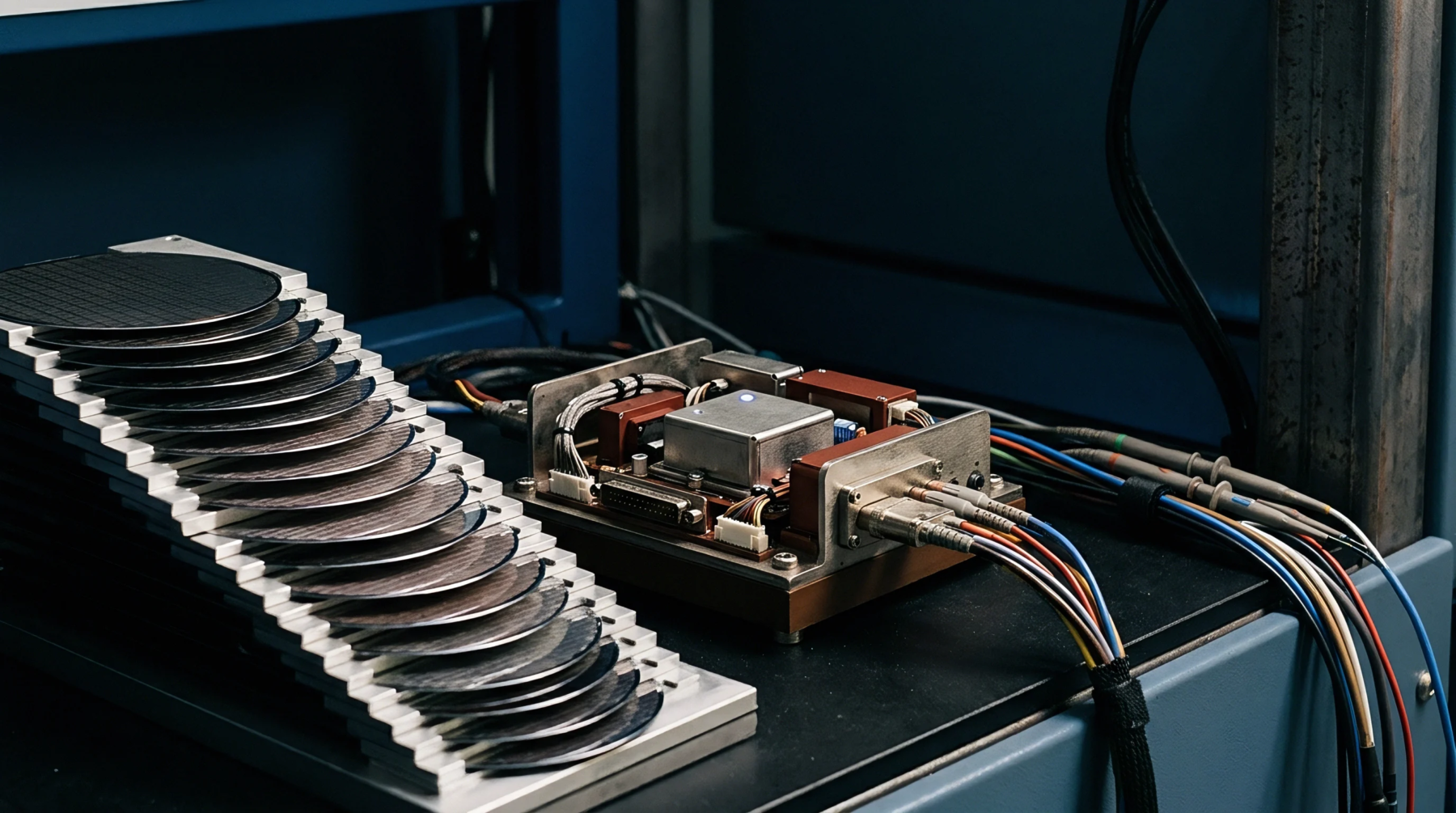
Ground allocation liability across hardware integration tiers requires explicit interface control documents defining return path impedances and chassis bonds.
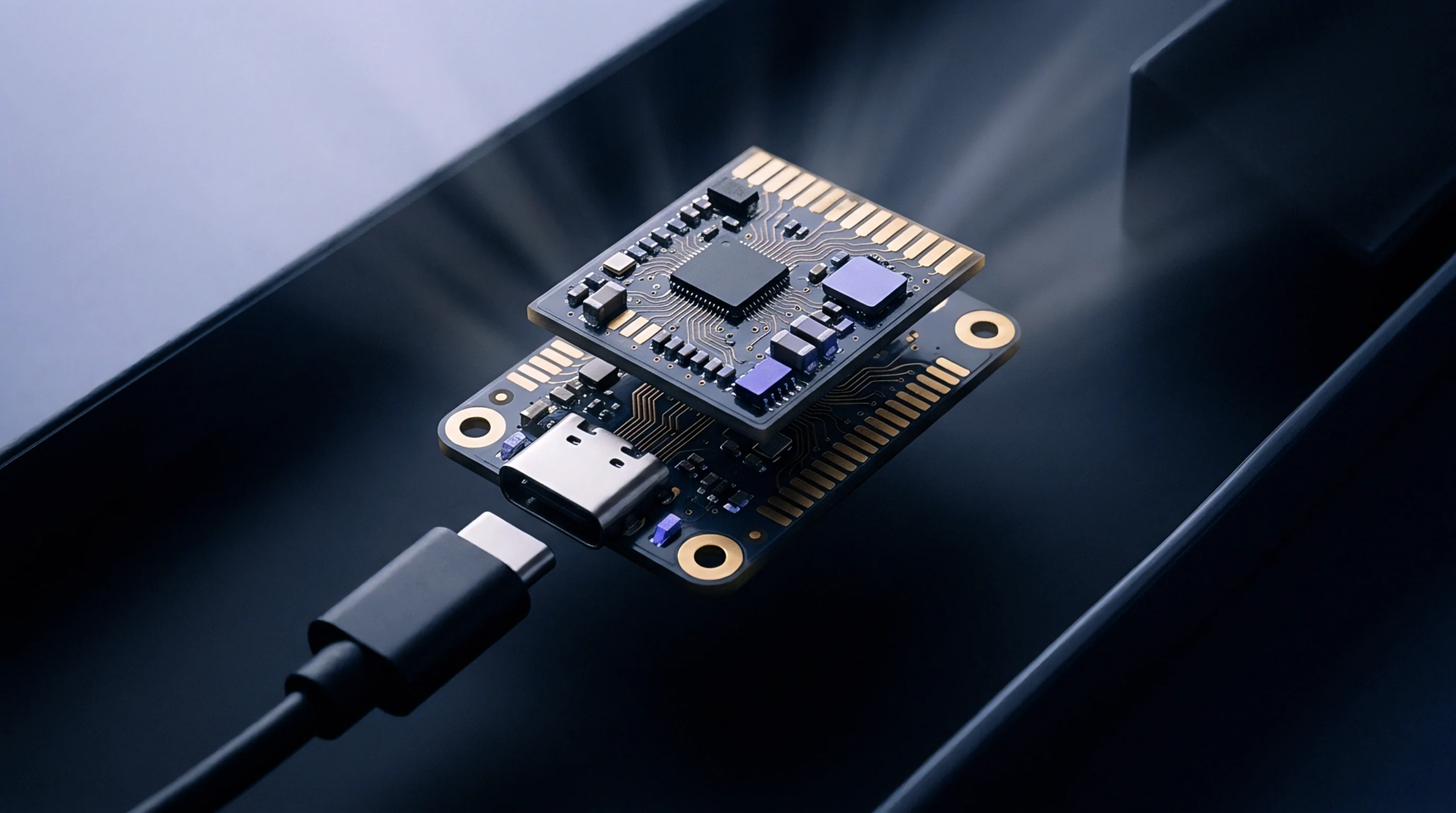
Auditing microcontroller die shrinks requires measuring sub-nanosecond edge rates with active probes and enforcing contractual IBIS simulation transfer gates.

Extracting structural defect models for modified surface mount nets maps parasitic RLC shifts to maintain signal integrity and structural test coverage.

Isolating undocumented silicon errata requires bare-metal assembly isolation routines, stepping identification, and precise SOW change-control terms.
Shared bootloader driver fault allocation requires hardware register trace validation and mathematical probability modeling to attribute field firmware update failures.

Enforce hardware timestamping, API software modularity, and work-for-hire escrow clauses to resolve multi-factory telemetry and fixture IP boundaries.

Firmware source ownership in dual-factory transfers relies on unbundled NRE terms, containerized build environments, and audited escrow deposits.
Cryptographic key custody requires FIPS 140-3 HSM injection, credit-metered factory proxies, and strict scrap certificate revocation.
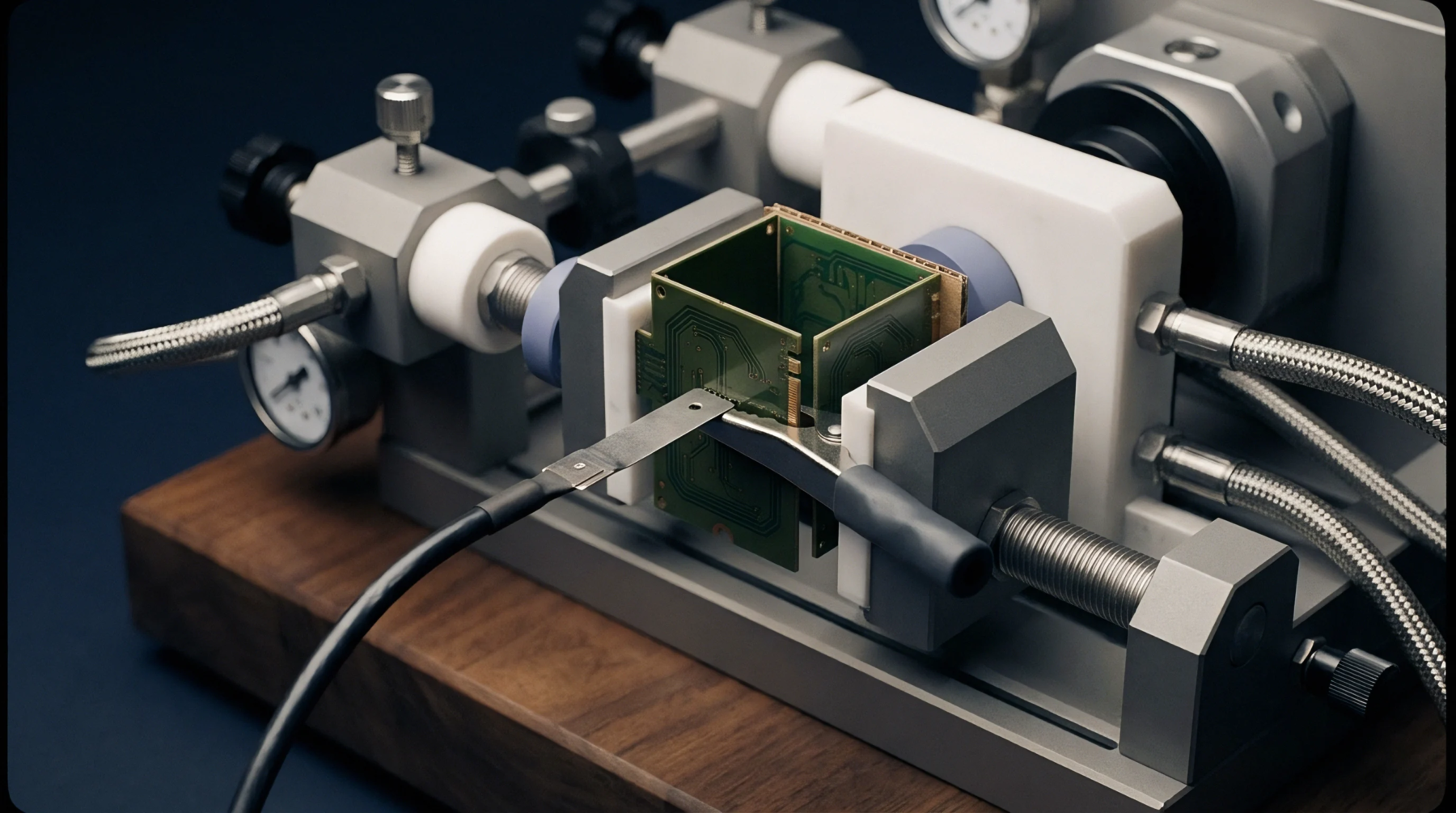
Contractual allocation of RF redesign costs requires an Interface Control Document stackup baseline, binding change orders, and tiered liability thresholds.

A test fixture statement of work must specify pin contact physics, calibration traceability, measurement uncertainty budgets, and native design deliverables.

Evaluating source file completeness and build environment isolation guarantees secondary production autonomy through verified bit-deterministic firmware compilation.

Unbundling non-recurring engineering hours in unit quotes isolates amortized costs, establishes clear work boundaries, and protects firmware ownership.

Turnkey manufacturing IP assignments require explicit foreground code ownership, unencumbered CAD file delivery, and contractually binding mold extraction rights.

Factory unit quotes bury design, test jig, and maintenance hours in piece prices, requiring unbundled SOW line items to isolate engineering labor and IP rights.
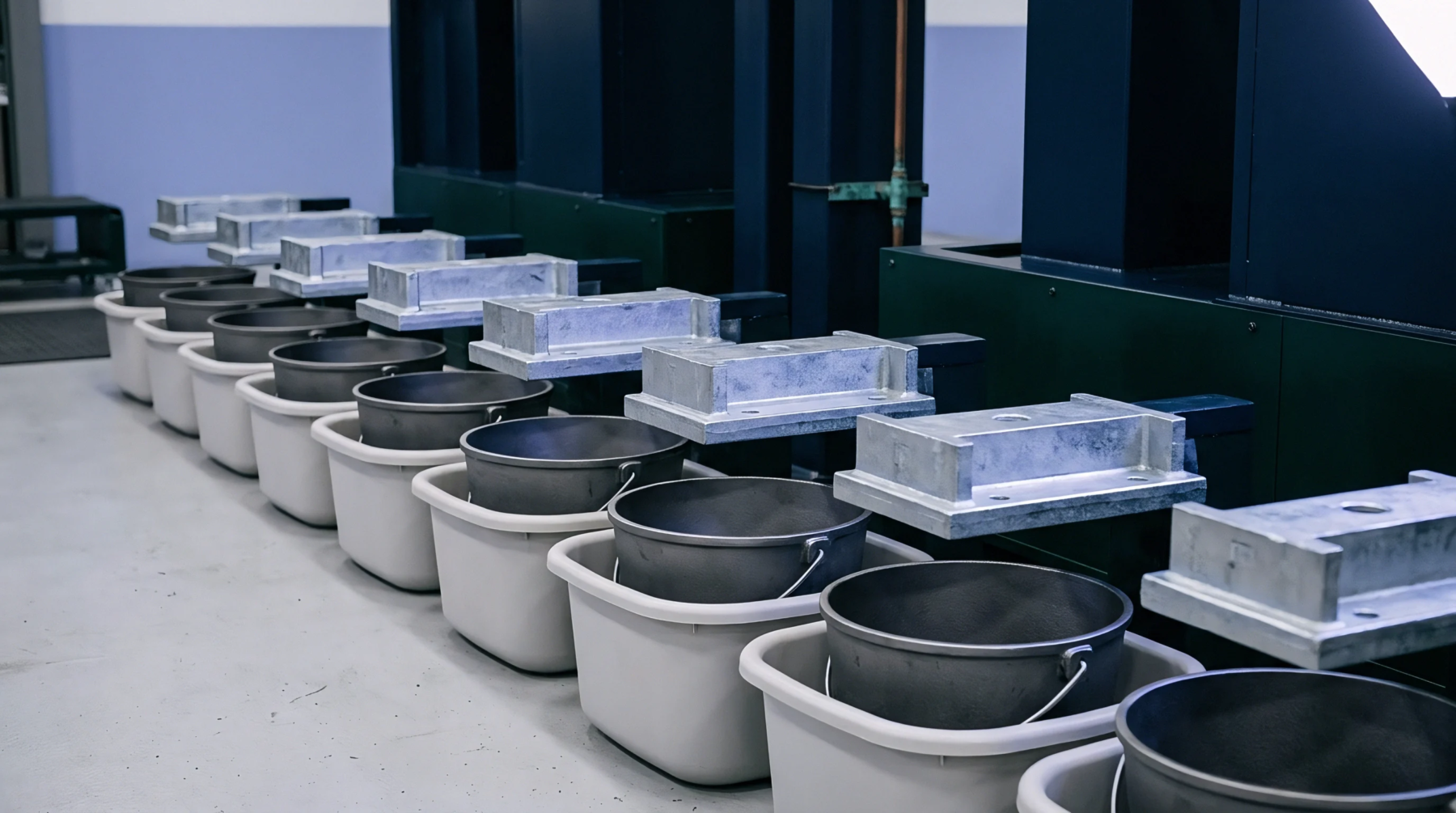
Crossborder measurement tooling requalification downtime liability requires explicit contractual liquidated damage terms backed by transit environmental logs.

Acceptance testing in a statement of work requires explicit pass-fail criteria, calibrated test fixtures, statistical sampling rules, and milestone payment locks.

Turnkey module scope contracts must explicitly mandate native CAD schematic delivery, environmental verification limits, and test log escrow gates before initial deposits transfer.
Expertise is a utility, not a secret. sentiention™ publishes its working knowledge as open reference: intelligence layer covering the materials it sources, the markets it enters, and the reference that serves both.