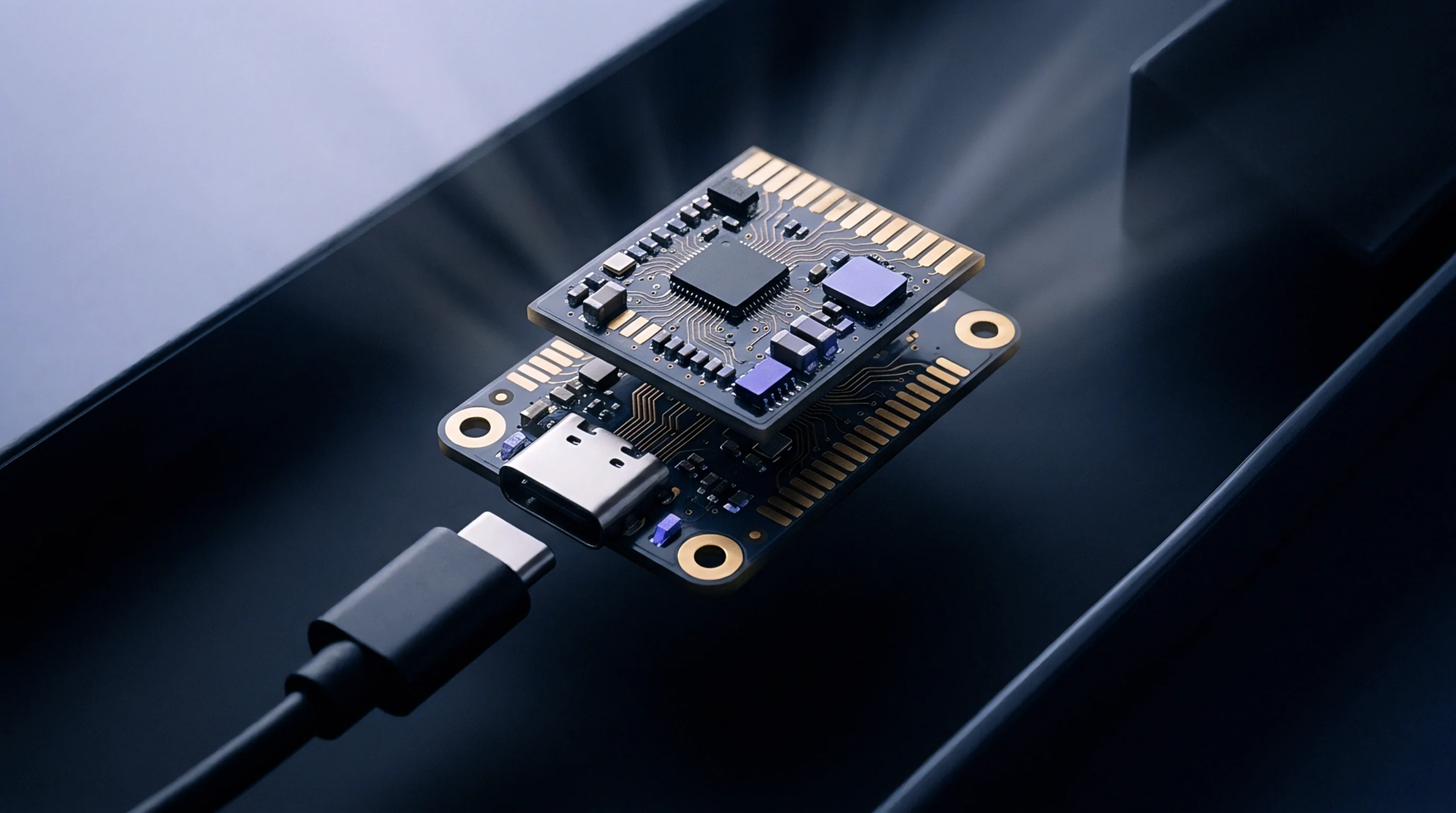
Meaning
Non-volatile memory rewrite capability allows deployed electronic units to receive executable code modifications over wireless or wired diagnostic interfaces while installed in target environments. Secure boot verification protocols validate each field firmware update against cryptographic signatures before executing code on host microcontrollers. The capability replaces operational binary images without requiring physical access to printed circuit boards or hardware disassembly.
System applicability extends to embedded sensor nodes and gateway controllers operating in remote installations.
Memory Partitioning
Dual-bank flash memory architecture isolates existing operational code from incoming binary payloads. Flash banks swap execution pointers after a field firmware update successfully passes checksum verification.
Recovery Mechanism
Power interruption during transmission presents a primary risk to operational stability. Embedded bootloaders maintain active fallback images in secondary memory banks, reverting execution to known good configurations when a field firmware update experiences checksum failures or power loss during flash writing.
Validation Suite
Automated test benches simulate degraded cellular connections to evaluate update resilience under adverse network conditions. Engineers inject packet corruption and artificial latency during file transmission to confirm that retry mechanisms handle unexpected disconnections gracefully. Successful completion of validation testing proves that field firmware update routines preserve device function during unexpected operational interruptions.