Establishing Automated Hardware Testing Rigs for Long Term Driver Maintenance
Automated hardware test rigs isolate silicon peripherals from host runners to validate driver stability across multi-year operating system kernel updates.
Harness
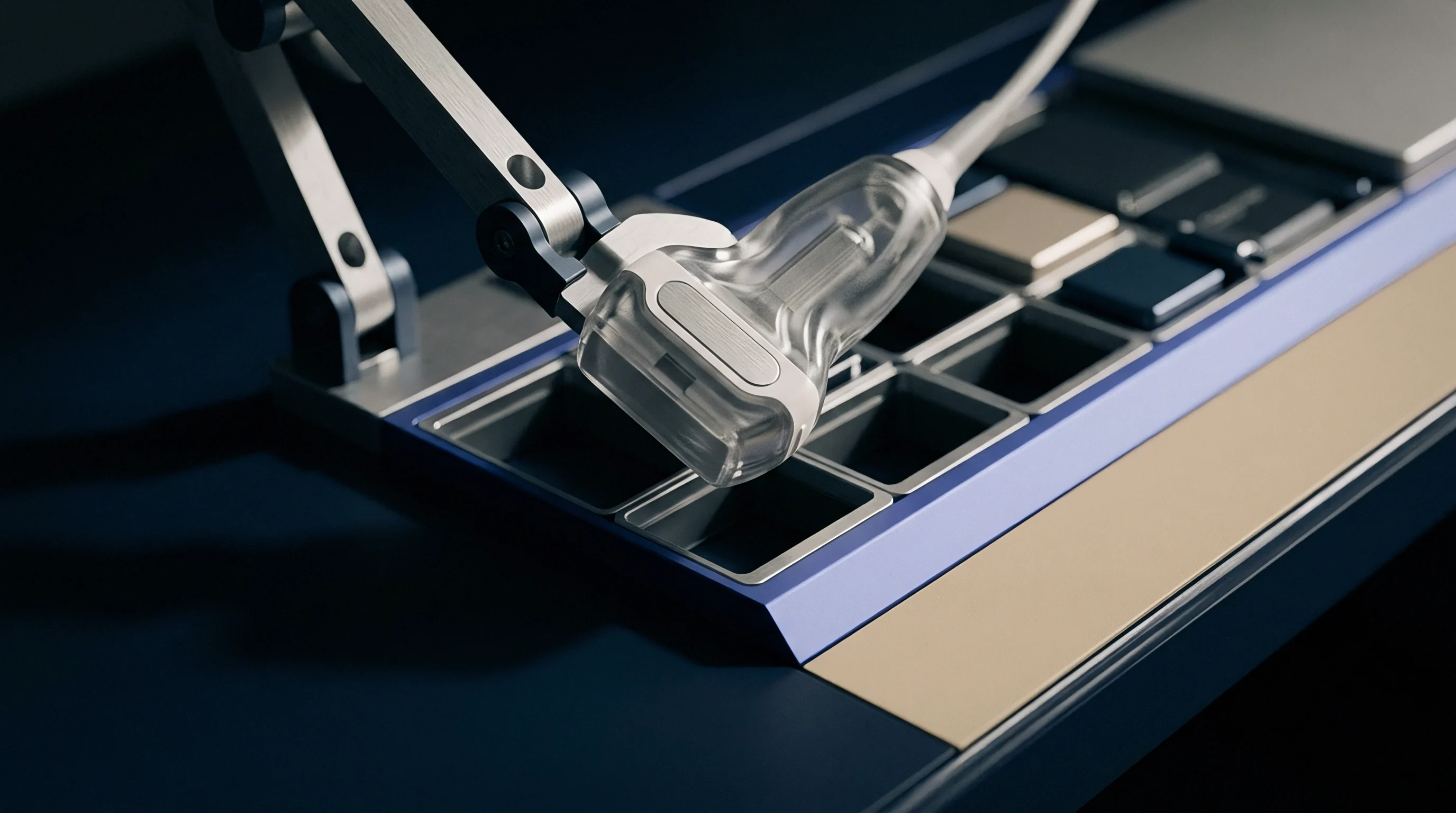
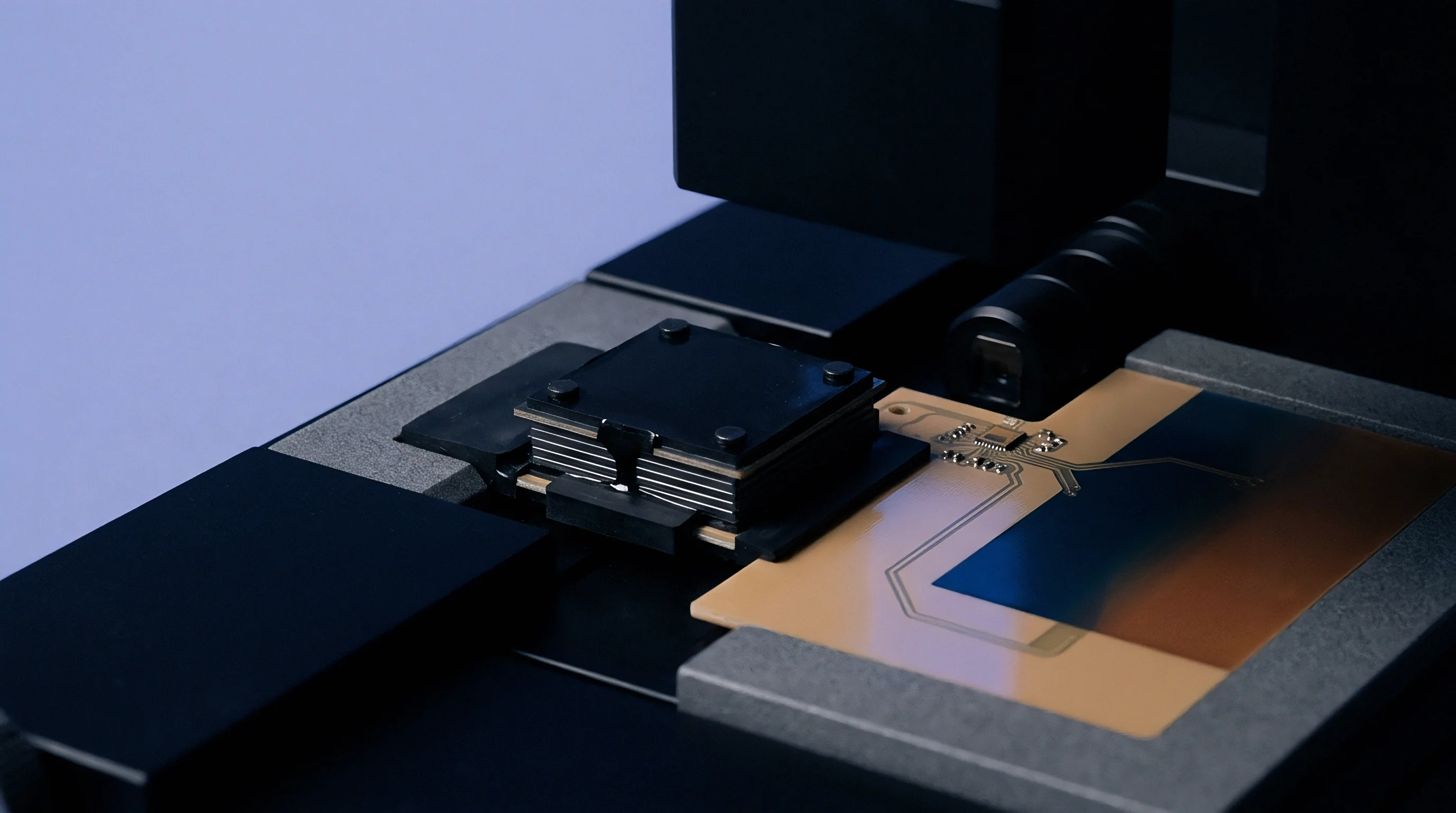
Automated hardware testing for production device drivers begins with galvanic isolation and controlled power delivery. A test rack interfaces real silicon to automated test runners across operating system releases spanning seven to ten years. Software emulation misses physical interrupt latencies, direct memory access race conditions, and bus arbitration collisions.
Operating systems evolve through continuous integration pipelines, while target silicon remains frozen in physical copper and etched silicon. Running an automated hardware-in-the-loop test rack prevents regressions before binary updates reach field hardware.
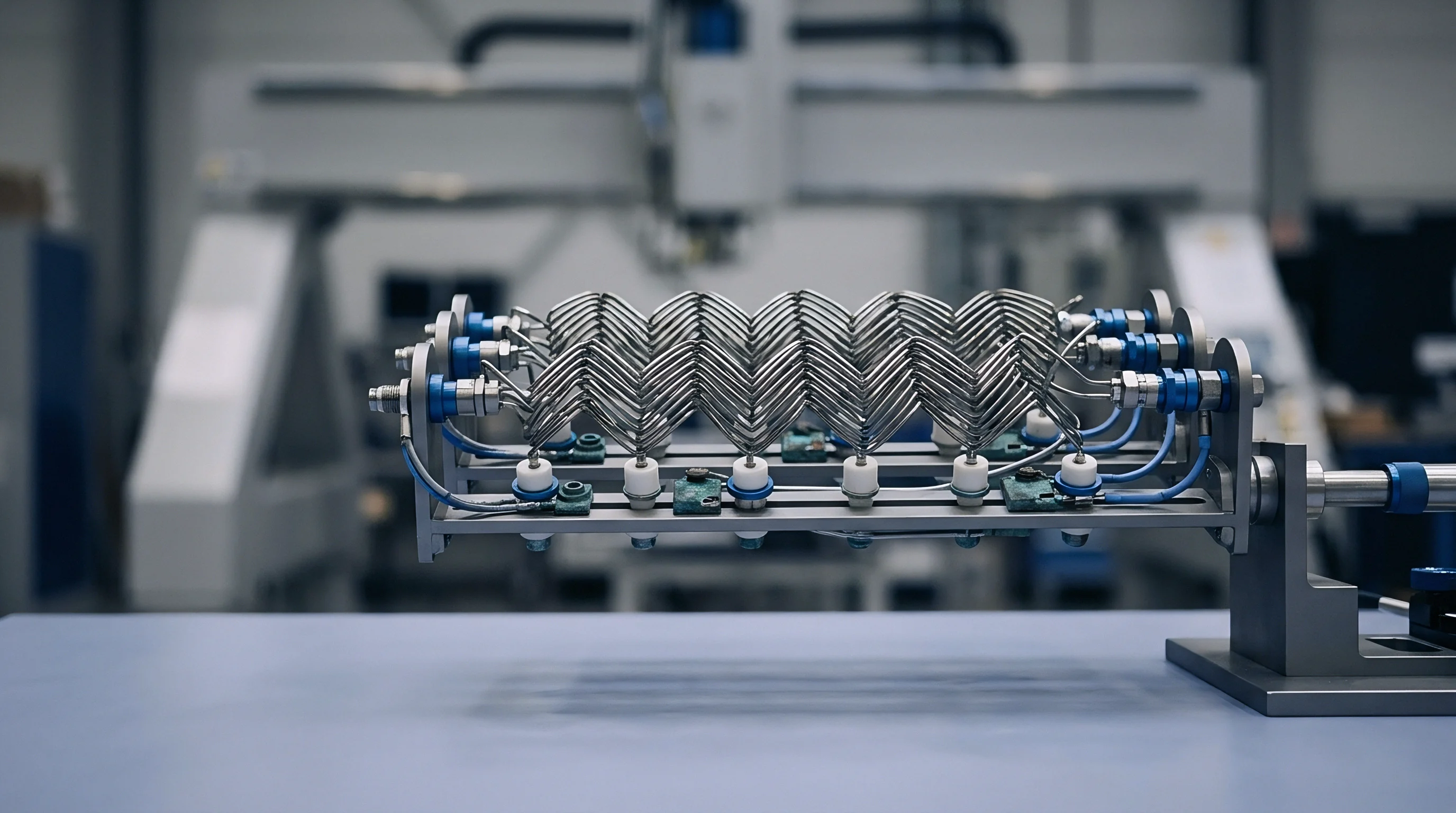
Physical test fixtures separate the host test controller from the device under test through discrete signal isolation barriers. Digital isolators handling high-speed peripheral interconnects maintain signal integrity across ground plane differentials. Ground loops between dirty industrial power rails and sensitive controller boards induce latch-up events in host controllers during peripheral power cycling.
Relay switches rated for dry-circuit operation interrupt input voltage rails on demand, simulating abrupt brownouts, sudden disconnections, and incomplete power-down discharges.
A solid-state relay array interrupts a 24-volt field supply within 1.2 microseconds to expose driver unmount deadlocks under brownout conditions.
Solid-state power multiplexers switch power rails faster than mechanical relays while eliminating mechanical contact bounce. Transient voltage suppressors clamp inductive spikes generated when long harnesses experience immediate current cutoffs. Peripheral reset lines require dedicated open-drain drivers to assert hard physical resets when the target kernel freezes inside an unhandled interrupt service routine.
Physical Interface Isolation Architecture
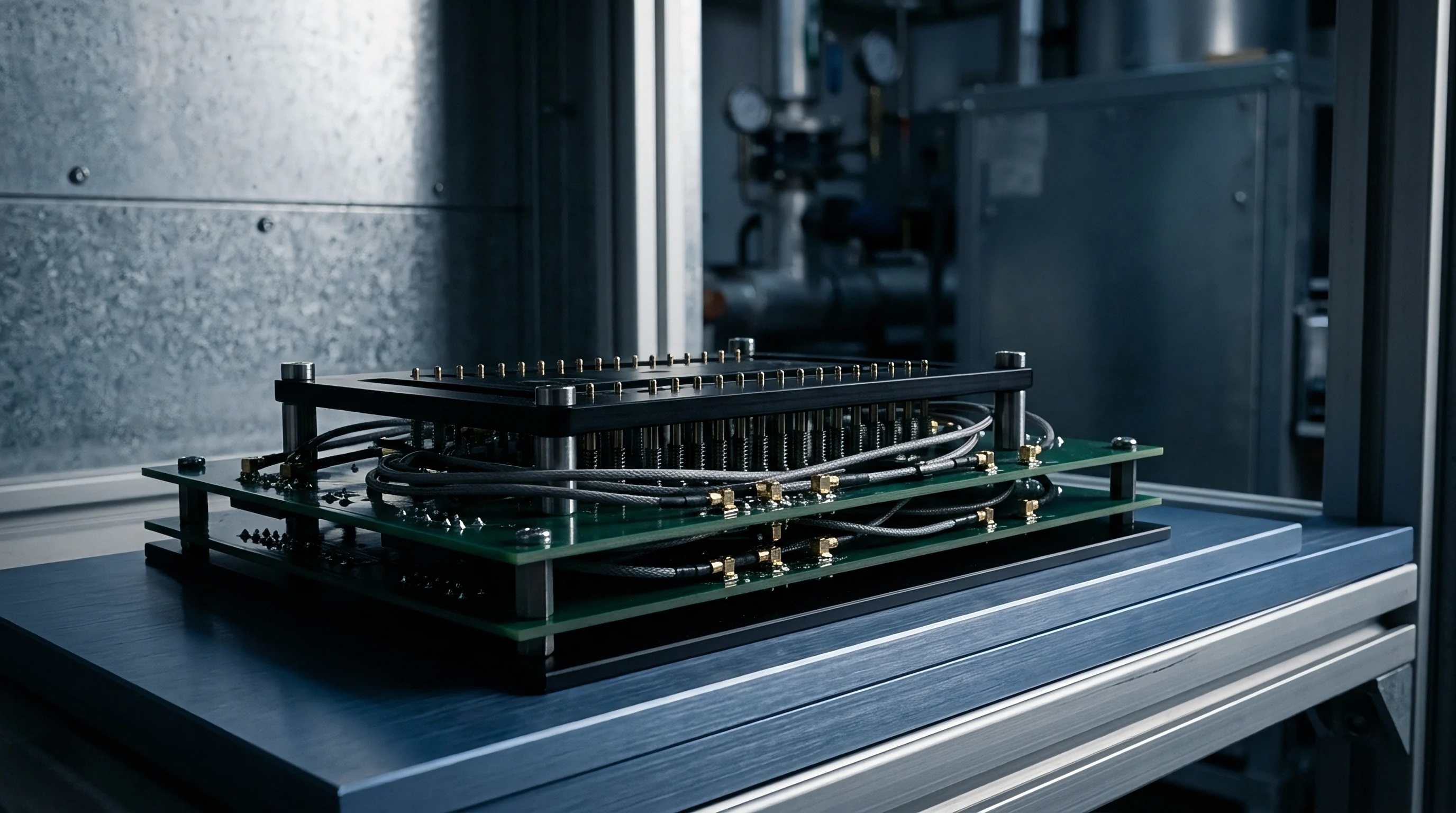
Long testing campaigns degrade signal quality across extended wiring runs between runner blades and device fixtures. High-speed serial links like Universal Serial Bus and Peripheral Component Interconnect Express require active redrivers when routed through external multiplexing backplanes. Signal degradation at high frequencies produces intermittent physical link training errors that appear in test logs as driver initialization timeouts.
Maintaining matched impedance traces through controlled-impedance ribbon cables preserves signal eyes across years of physical test execution.
| Interface Bus | Isolation Topology | Signal Bandwidth | Maximum Cable Run | Switching Mechanism |
|---|---|---|---|---|
| PCIe Gen 3 | Capacitive AC Coupling | 8.0 GT/s | 0.3 meters | Solid-State RF Multiplexer |
| USB 3.2 Gen 1 | Optical Isolation Barrier | 5.0 Gbps | 1.0 meters | Analog Crosspoint Switch |
| CAN FD | Magnetic Galvanic Isolator | 5.0 Mbps | 5.0 meters | Mechanical Reed Relay |
| SPI / I2C | Optocoupler with Schmitt Trigger | 25.0 MHz | 0.5 meters | Bidirectional CMOS Switch |
| UART Debug | Digital Capacitive Isolator | 1.5 Mbps | 3.0 meters | Photo-MOS Relay Array |
Current measurement shunts placed in series with device supply lines permit sub-milliampere monitoring throughout driver sleep-state transitions. Drivers failing to configure low-power states correctly hold peripherals in high-current idle modes, draining batteries in field deployments. Integrating precision analog-to-digital converters into the fixture power stage gives the host automation harness real-time telemetry over device power consumption without external bench meters.
Power Cycling and Hardware Reset Automation
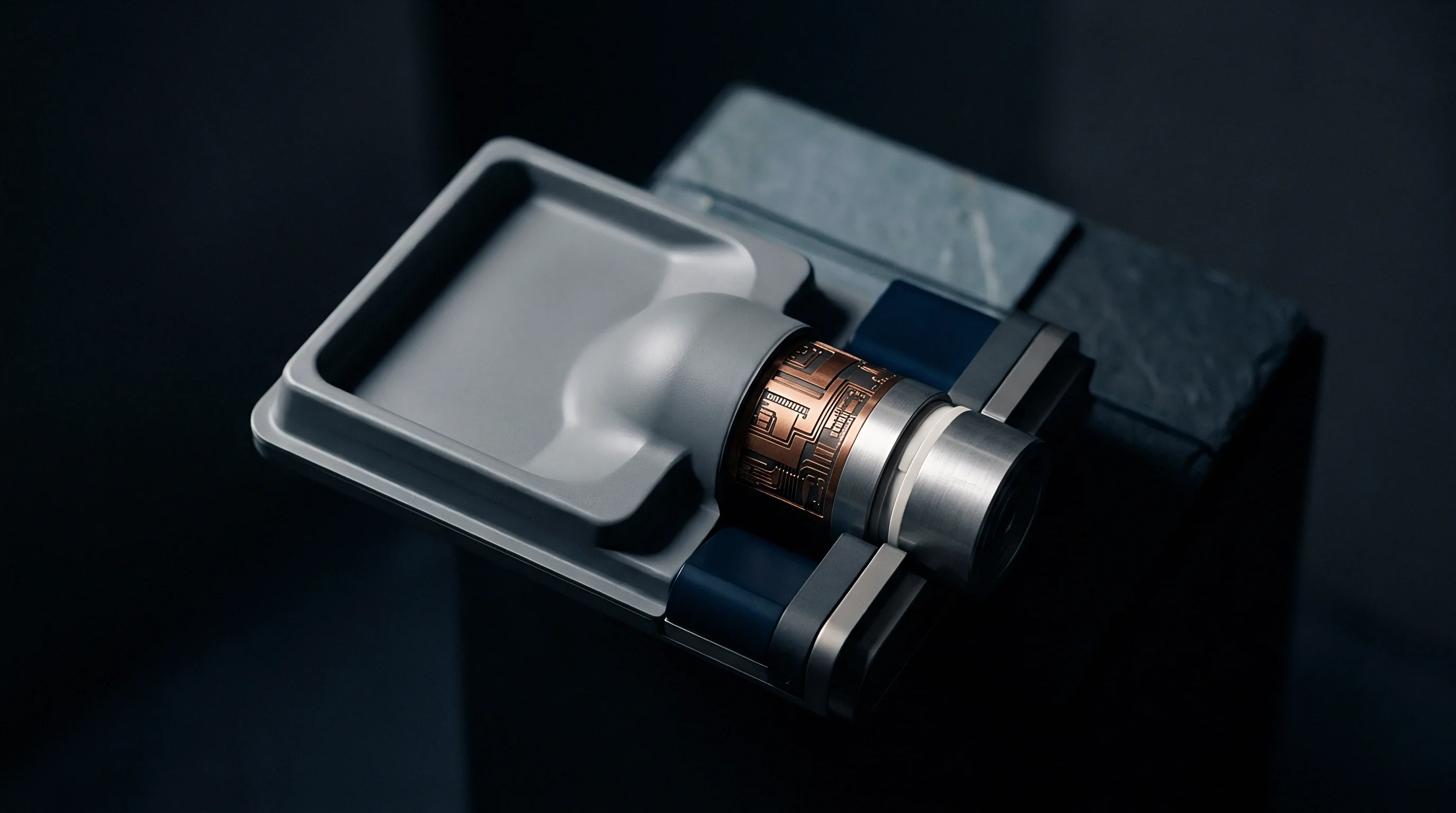
Driver testing requires hard physical recovery mechanisms because software drivers running in kernel space frequently crash execution threads beyond software reboot capability. The automation harness controls individual power rails through programmable power supplies and discrete switching matrices. Hardware watchdogs tied directly to target system reset lines force clean cold boots whenever a driver deadlocks kernel execution.
- Programmable power rail switches cut target board voltage supplies to clear latch-up conditions induced by improper register configuration sequences.
- Secondary reset injection lines bypass software control registers by physically asserting processor reset pins through isolated open-collector circuits.
- Electronic load modules simulate real-world battery impedance drops to verify driver behavior during heavy peripheral transmit bursts.
- Thermal chamber interfaces cycle environmental temperatures between minus forty and eighty-five degrees Celsius during multi-day driver soak loops.
Wiring harnesses experience physical vibrations, thermal expansion cycles, and atmospheric oxidation throughout multi-year deployment campaigns. Pin connectors with gold plating over nickel barriers resist oxidation across thousands of insertion cycles and constant thermal variations. Neglecting galvanic isolation across harness signal lines eventually destroys host testing server backplanes through continuous transient leakage.
Trace
Capturing deterministic diagnostic data from a failing driver demands instrumentation beyond standard serial console output. Kernel crashes frequently prevent the serial engine from flushing internal buffer queues to physical pins, truncating critical register panic logs. A hardware testing rig incorporates hardware trace probes, logic analyzers, and inline protocol decoders to record physical wire states independently of host operating system stability.
Physical trace buffers capture the exact register write sequence executed before a lockup event. Joint Test Action Group debuggers linked to target test runners extract processor core registers, memory management unit states, and peripheral register blocks immediately after hardware freeze conditions occur. Automated test scripts trigger external logic analyzers through dedicated general-purpose output pins toggled inside driver entry points.
Where Does Physical Bus Degradation Corrupt Driver Telemetry?
Long testing harnesses introduce distributed capacitance and inductance that round off digital clock edges over time. Signal reflections on unterminated serial peripheral interface lines introduce ghost bits into sensor data streams, triggering driver checksum errors that mask software regressions. Oscilloscope inspection across test harnesses verifies that signal slew rates and rise times comply with interface specifications under continuous operating load.
Intermittent ground offsets between the testing shelf and target carrier boards generate false protocol decoding errors in automation harnesses. Differential receivers reject common-mode noise across industrial interfaces like Controller Area Network and RS-485, whereas single-ended interfaces suffer bit flips when return current paths traverse long harness cables. Grounding strategies using thick braided copper straps between equipment racks and isolated test fixtures prevent measurement artifacts from contaminating test records.
Harness capacitance shifts digital rise times past receiver thresholds long before copper connectors show visible surface wear.
Inline hardware protocol sniffers placed between the host server and peripheral devices log transaction packets with microsecond hardware timestamps. Comparing software driver request logs against physical bus traces uncovers buffer desynchronization, packet dropouts, and missed hardware interrupts. Software race conditions between driver transmit ring buffers and hardware interrupt handling routines manifest as discrepancies between driver event queues and recorded bus activity.

Protocol Fault Injection and Error Handling
Hardware testing rigs validate driver resilience through controlled physical fault injection on communications buses. Software drivers must detect corrupted frames, recovery timeouts, and hardware disconnects without panicking the underlying kernel. The testing harness injects deliberate signal anomalies to evaluate error recovery routines under repeatable conditions.
- Clock stretching manipulation forces I2C peripherals to hold clock lines low indefinitely, testing driver timeout thresholds and bus recovery sequences.
- Data line grounding switches momentarily pull differential bus lines to ground during packet transmissions to confirm driver error interrupt handling.
- Packet corruption engines alter single bit values inside frame payload sequences to exercise driver cyclic redundancy check recovery algorithms.
- Arbitrary power disconnection triggers sever communication channels during active direct memory access transfers to expose kernel resource leaks.
Automated test suites parse captured logic traces to grade driver compliance against strict interface timing margins. Modern high-speed peripheral drivers depend on tight interrupt response windows to service hardware circular buffers before overflow conditions occur. Traces verify that interrupt latency remains within specified tolerances across varying host server compute loads.
A driver that relies on operating system timers for physical bus recovery deadlocks when system load spikes interrupt execution.
Software test runners match trace timestamps against kernel debug logs using external trigger lines connected to precision timing generators. Correlating internal kernel states directly to physical pin assertions pinpoints the exact driver code line responsible for bus violations. An engineer who builds automated harnesses without external trace verification spends testing budgets debugging phantom software errors caused by corrupted physical test wiring.
Kernel
Operating system kernels represent moving targets for long-term embedded hardware deployments. Upstream maintenance branches introduce continuous architectural changes, deprecating internal driver programming interfaces, restructuring power management frameworks, and altering memory allocation semantics. Long-term hardware support programs maintain compatibility across upstream releases, stable vendor kernels, and real-time operating system variants over operational lifespans exceeding a decade.
Automated hardware-in-the-loop rigs compile driver source trees against evolving kernel branches, deploy built binaries to physical targets, and execute standardized functional suites. Building drivers inside containerized toolchains ensures reproducible build environments while testing against varied cross-compiler versions. Physical targets boot through network-attached TFTP and NFS root file systems, enabling immediate kernel and driver swapping without modifying onboard non-volatile flash storage.
How Does Long Term Kernel Deprecation Break Integration?
Kernel maintainers routinely eliminate deprecated function interfaces in favor of newer abstractions designed for performance or security enhancements. Peripheral drivers developed for older long-term support branches fail compilation when header structures change, timer interfaces shift from microsecond to nanosecond resolutions, or memory barrier requirements tighten. An automated test farm catches broken build trees and runtime application programming interface mismatches within hours of upstream patch releases.
Direct memory access mapping paradigms shift across major kernel updates to mitigate memory vulnerabilities and hardware errata. A driver allocating coherent memory under an outdated framework encounters runtime input-output memory management unit faults on modern platform architectures. Running automated stress tests across target platforms exposes memory allocation failures and illegal pointer dereferences under real workload conditions.
| Kernel LTS Branch | DMA Mapping API | Timer Subsystem Model | Power Framework | Toolchain Standard |
|---|---|---|---|---|
| Kernel 4.19 LTS | dma_alloc_coherent (Legacy) | struct timer_list init_timer | Legacy PM Runtime | GCC 8.x / C89 Standard |
| Kernel 5.4 LTS | dma_map_single Explicit | from_timer Callback Macro | Generic Power Domains | GCC 9.x / C99 Standard |
| Kernel 5.10 LTS | DMA Buffer Sharing API | hrtimer High-Resolution Engine | Device PM QoS Rules | GCC 10.x / C11 Standard |
| Kernel 5.15 LTS | IOMMU Modern Page Tables | hrtimer with Clock monotonic | Unified Runtime PM Core | GCC 11.x / C11 Standard |
| Kernel 6.1 LTS | dma_map_page_attrs Flags | Modern Timer Function Bounds | ACPI / DT Power States | GCC 12.x / C11 Standard |
| Kernel 6.6 LTS | Strict Cache Coherency DMA | Timer Latency Tracing API | Advanced Idle State Core | GCC 13.x / C11 Standard |
Testing rigs evaluate driver runtime stability under controlled kernel preemption configurations. High-performance industrial systems deploy real-time patches where interrupt handlers run as preemptible kernel threads with deterministic priority ceilings. Drivers written with improper spinlock semantics or prolonged interrupt masking deadlocks real-time kernels, failing deterministic response requirements.
Continuous Integration Deployment Pipeline
The continuous integration pipeline automates source checkout, cross-compilation, target deployment, execution, and metric reporting. Target controller boards receive updated firmware, device trees, and kernel modules via network bootloaders without manual operator intervention. Hardware control boards reset targets into recovery boot modes automatically if an experimental kernel panics before establishing network connectivity.
- The runner compiles kernel trees, device tree source binaries, and out-of-tree driver modules inside sealed container environments.
- Automation scripts stage the resulting kernel binaries and file systems onto network boot servers accessible to target racks.
- Power distribution units pulse power to target carrier boards while asserting hardware boot selection pins to trigger network loading.
- Kernel execution logs stream across isolated serial channels to host ingestion engines that scan for memory leak warnings and lockdep notices.
- Functional test suites execute peripheral transactions under concurrent central processor stress routines to uncover concurrency bugs.
- The testing infrastructure harvests hardware trace buffers and system logs, archiving binary artifacts alongside comprehensive execution reports.
Storage of test outputs alongside exact source commit hashes enables root cause discovery when regressions emerge. Regression tracking requires exact alignment between the driver version, kernel commit, compiler version, and physical fixture slot number. The question remains whether upstream kernel developers will stabilize out-of-tree hardware interfaces or continue breaking driver contracts across subsequent minor releases.
Wear
Hardware testing fixtures operate under continuous mechanical, electrical, and thermal stress that degrades physical measurement apparatus over time. Continuous automated testing campaigns execute tens of thousands of power cycles, connector mating sequences, and thermal swings each year. Neglecting test rig maintenance results in phantom failure reports where degrading fixture hardware mimics device driver failures, wasting engineering resources.
Mechanical relays used for power cycling experience contact erosion caused by electrical arcing during inductive load switching. As relay contact resistance increases, voltage drops across the switch starve the device under test of specified input voltage, triggering spurious undervoltage lockouts. Monitoring contact resistance across automated test fixtures isolates worn switching components before erroneous voltage drops distort driver test evaluations.
Under Section 7.4 of standard electronics qualification agreements, fixture calibration drift invalidates regression test records across production maintenance cycles.
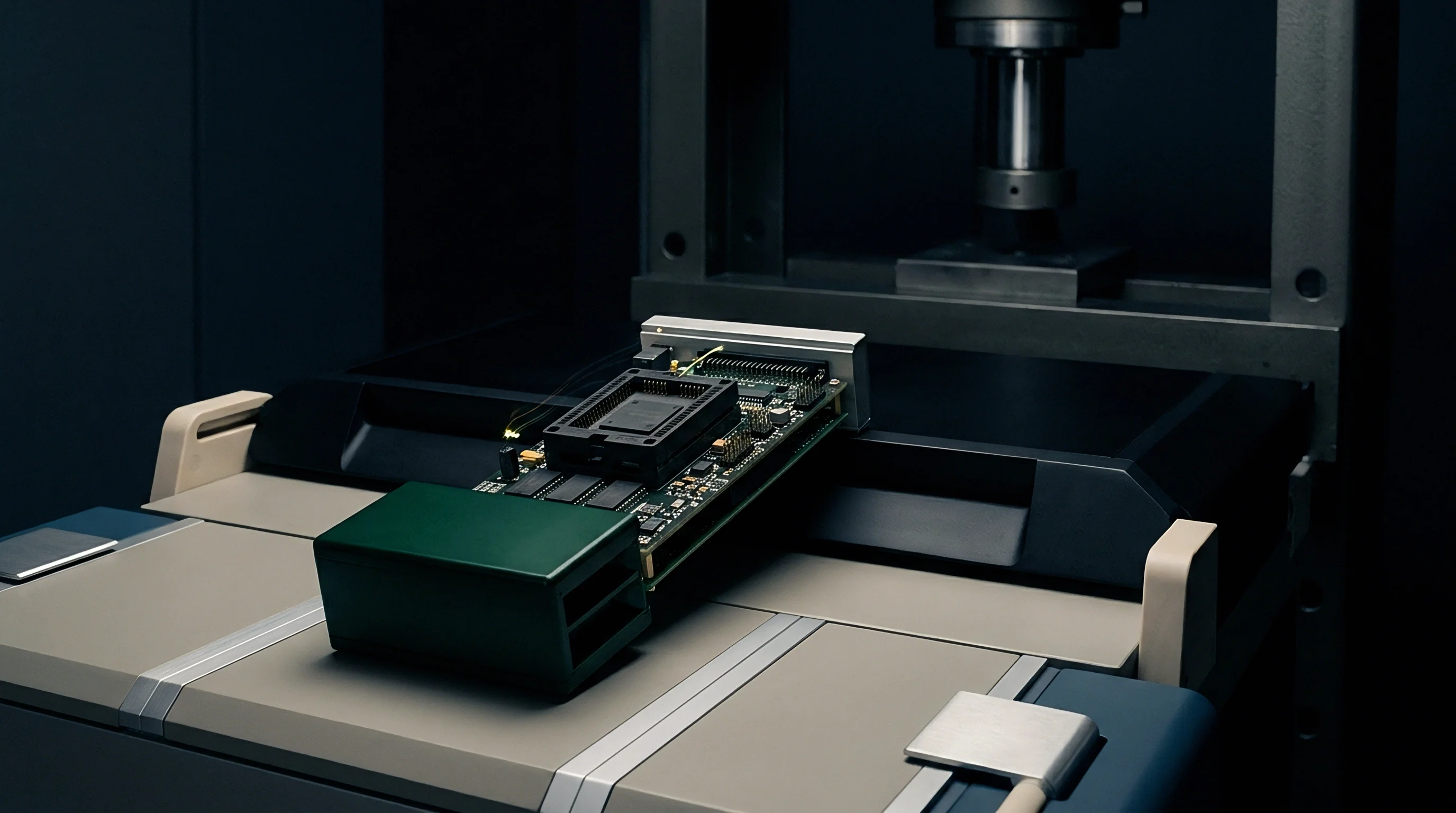
Connector pins on device carrier sockets lose mechanical spring tension after hundreds of board swap operations. Degraded socket tension produces micro-disconnections during thermal expansion cycles, manifesting as intermittent communication drops that look identical to driver firmware timing errors. Automated testing facilities maintain preventive component replacement intervals based on empirical cycle counts recorded by harness software counters.
Mechanical and Thermal Degradation Modes
Environmental test chambers accelerate mechanical wear across harness cabling through repeated temperature swings between operational extremes. Wire insulation materials stiffen and crack under thermal stress, exposing conductors to short circuits or high-impedance leakage paths. Solder joints joining discrete isolation components to interface carrier boards experience thermal fatigue, generating micro-fractures that fail under high-vibration conditions.
- Relay contact resistance tracking flags electromechanical switches whose series resistance exceeds fifty milliohms under nominal load currents.
- Connector mating cycle auditing prompts scheduled replacement of board-to-board test sockets when cycle counts approach eighty percent of rated life.
- Isolation barrier leakage tests verify that digital optocouplers and magnetic isolators maintain dielectric resistance above one hundred megaohms.
- Thermal chamber sensor recalibration checks thermocouple and platinum resistance thermometer readings against secondary laboratory standards annually.
Micro-arc oxidation on terminal connectors alters the characteristic impedance of high-speed transmission lines inside automated test racks. Return loss measurements conducted with vector network analyzers identify harness degradation before signal reflections degrade high-speed bus communication. Replacing degraded test fixtures according to rigid preventive schedules maintains baseline measurement reproducibility across multi-year testing regimes.
Automated Fixture Health Diagnostics
Self-diagnostic routines built into test harness firmware verify rack health before launching scheduled software driver test suites. The fixture executes loopback tests across communication buses, checks internal supply rail tolerances, and measures termination resistance before applying power to target boards. Disqualifying a degraded test slot before test suite execution prevents invalid failure logs from polluting continuous integration dashboards.
Calibration records for measurement sub-circuits sit in onboard non-volatile memory chips integrated into removable fixture cards. When a fixture module moves between testing racks, the host runner queries onboard calibration coefficients to normalize analog measurements. Traceable calibration procedures verify that current consumption readings, logic threshold voltages, and timing triggers remain accurate across operational maintenance periods.
A supplier will argue that anomalous test failures reflect unverified software modifications rather than defective test harnesses or degrading power relays. Maintaining continuous maintenance logs and automated self-test certificates counters these claims with verifiable physical equipment performance data. Test fixture telemetry proves the electrical environment matched contractual interface standards during every automated execution cycle.
Retainer
Maintaining device drivers across decade-long product lifecycles represents an ongoing commercial commitment rather than a one-time non-recurring engineering expense. System integrators and original equipment manufacturers must allocate capital for continuous maintenance engineering, hardware test rack upkeep, and upstream kernel patch tracking. Structuring long-term driver support through clear contractual scopes protects buyers from sudden software abandonment when silicon vendors shift engineering focus to newer hardware generations.
Commercial contracts delineate the exact boundary between hardware component vendors, software integration houses, and end-device manufacturers. Turnkey module procurement transfers baseline driver maintenance to the module supplier, whereas semi-custom or custom designs require the buyer to retain firmware maintenance custody. Clear statements of work define response times for kernel breakage, security patch delivery timelines, and hardware rig accessibility guarantees.
Engineering Scope and Maintenance Economics
Long-term software maintenance costs often exceed initial driver development fees over a ten-year operational equipment lifecycle. An embedded driver requires updates across twenty to thirty upstream stable kernel releases, multiple toolchain upgrades, and critical security vulnerability remediations. Sourcing desks evaluate total landed software cost by combining initial design transfer investments with annual maintenance retainer obligations.
| Operational Parameter | Turnkey Vendor Retainer | Semi-Custom Module Scope | In-House Dedicated Rig |
|---|---|---|---|
| Initial Rig Setup Investment | 0 USD (Vendor Absorbed) | 15,000 to 30,000 USD | 65,000 to 120,000 USD |
| Annual Rig Hardware Upkeep | Included in Retainer | 5,000 to 12,000 USD | 18,000 to 35,000 USD |
| Annual Engineering Headcount | 0.1 to 0.2 Vendor FTE | 0.5 Shared Internal FTE | 1.5 Dedicated Internal FTE |
| Upstream Kernel Tracking | Vendor Release Discretion | Contracted Major LTS Only | Continuous Upstream Mainline |
| Hardware Trace Custody | Vendor Proprietary Logs | Shared Test Reports | Complete Raw Trace Ownership |
| Security Patch SLA Window | 60 to 90 Days Post-CVE | 30 to 45 Days Post-CVE | Immediate Internal Patching |
Turnkey contracts shield buyers from capital investments in physical testing rigs but limit visibility into raw execution traces and regression data. When an obscure driver deadlock occurs in the field, buyers lacking internal hardware-in-the-loop test capabilities depend entirely on vendor support queues. In-house test infrastructure guarantees full diagnostic control and reproducible validation environments, trading capital expenditure for operational sovereignty.
Contractual Statements of Work and Deliverables
Statements of work governing driver maintenance specify clear acceptance tests, artifact deliverables, and regression test mandates. Design transfer documentation must include complete electrical schematics for testing fixtures, Gerber manufacturing files for isolation boards, and source code for test harness control firmware. Access to physical test rigs or automated remote execution pipelines ensures independent verification of vendor-supplied patches.
Intellectual property clauses govern the ownership of out-of-tree driver source modifications, automated test scripts, and hardware integration profiles. Contracts must state whether driver patches will be mainlined into upstream repositories or maintained as separate out-of-tree trees requiring custom forward-porting. Upstream mainlining reduces long-term maintenance overhead by shifting compilation testing onto the wider open-source community infrastructure.
Under standard cross-border development schedules, section 14.2 of the engineering services framework binds the supplier to maintain reproducible test rig hardware configurations for sixty months following final volume production.
This contractual clause establishes that test jigs and isolation harnesses cannot be dismantled or modified without written authorization, ensuring reproducible regression environments throughout the product lifecycle.