
Establishing Automated Hardware Testing Rigs for Long Term Driver Maintenance
Automated hardware test rigs isolate silicon peripherals from host runners to validate driver stability across multi-year operating system kernel updates.
Automated hardware test rigs isolate silicon peripherals from host runners to validate driver stability across multi-year operating system kernel updates.

Managing errata workarounds in transferred firmware requires isolating stepping-specific register fixes to prevent fatal regressions across new silicon wafer lots.
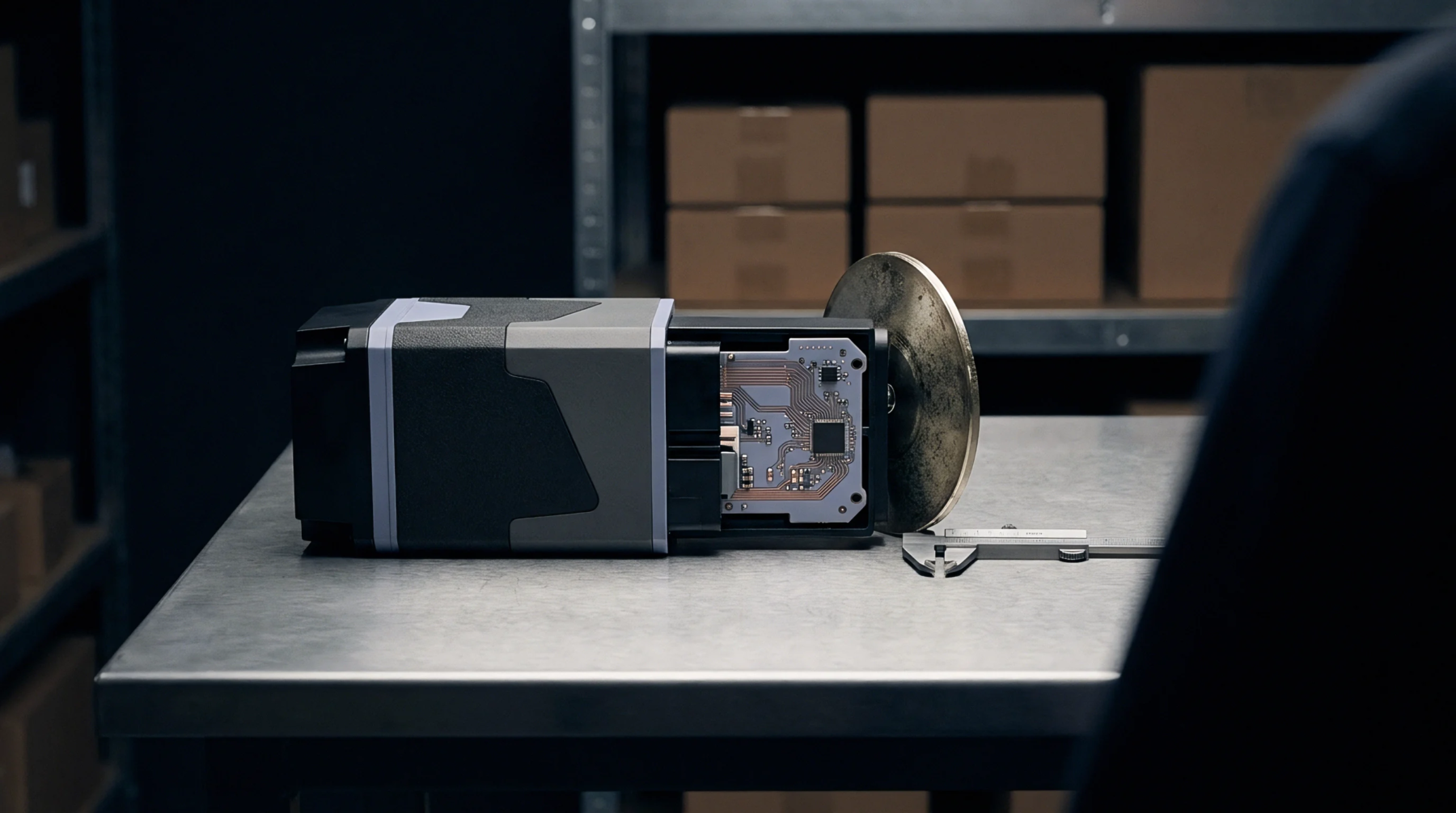
Masking drivers isolate microcontroller silicon errata by enforcing atomic shadow register writes, protecting firmware across untracked foundry stepping changes.
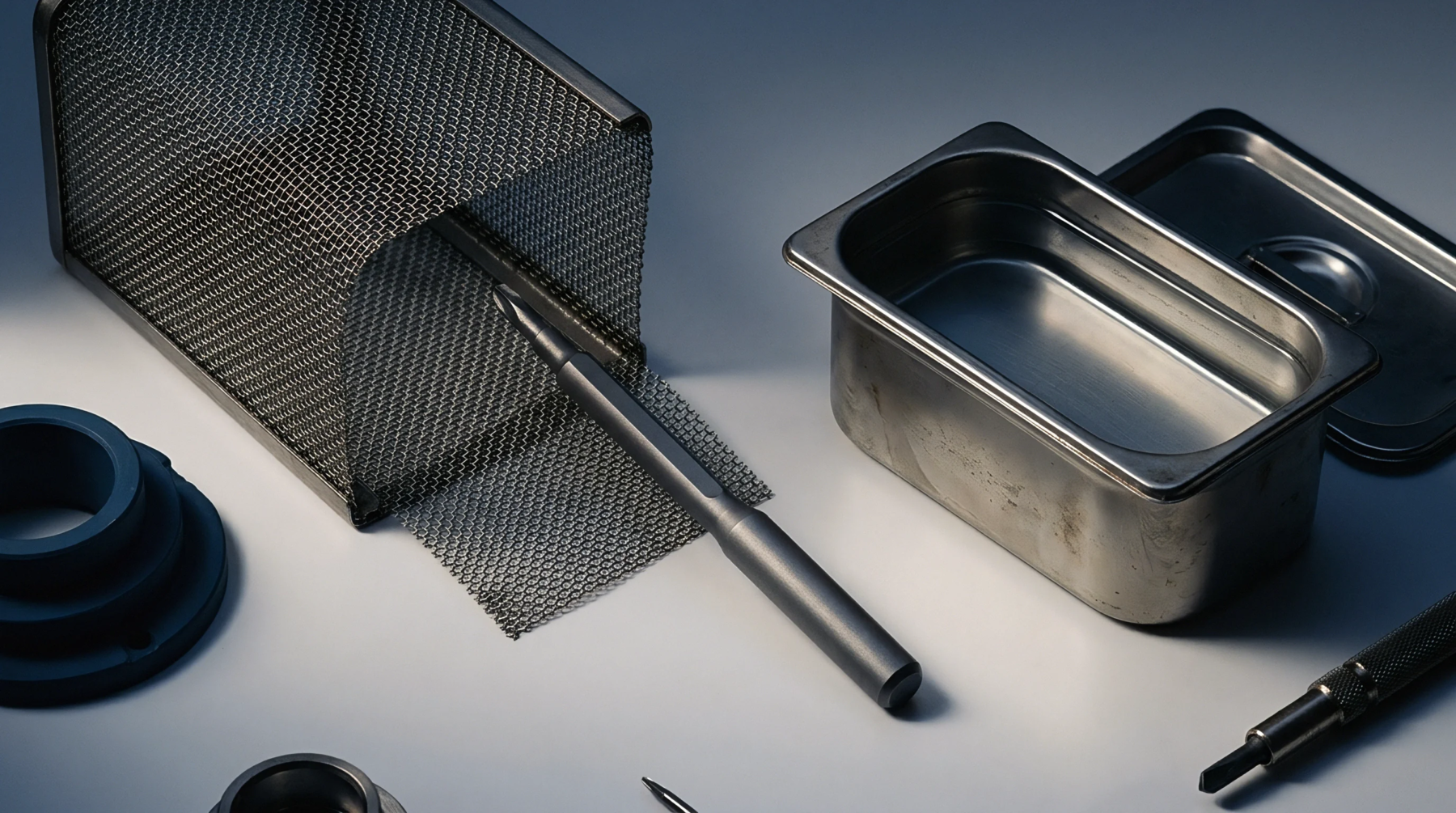
Pinned toolchain containers eliminate host environment drift, delivering bit-for-bit binary reproducible firmware builds for secondary contract manufacturing transfers.
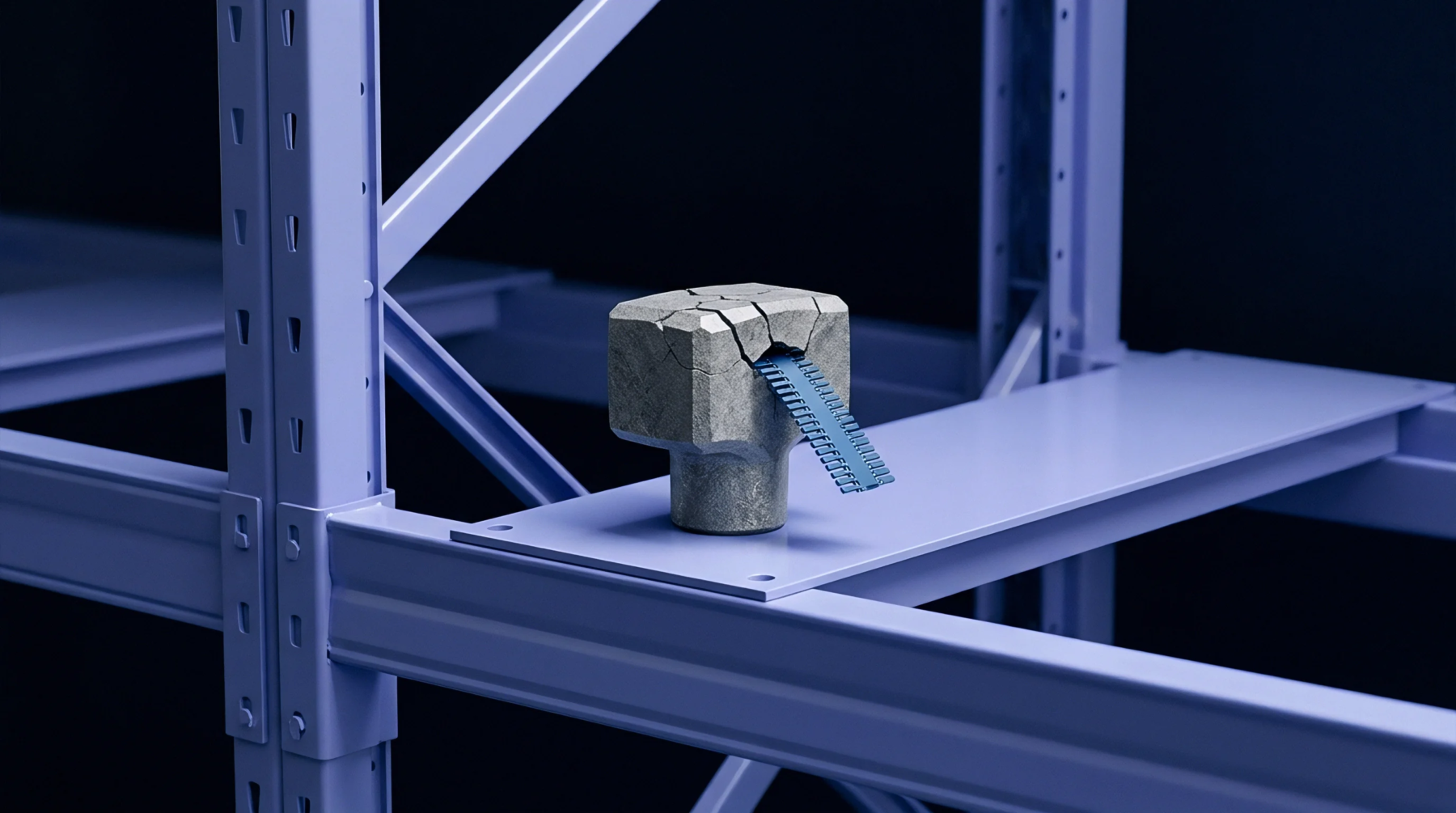
Verify multi-core shared peripheral register isolation using hardware-in-the-loop stress testing under concurrent bus access and voltage variation conditions
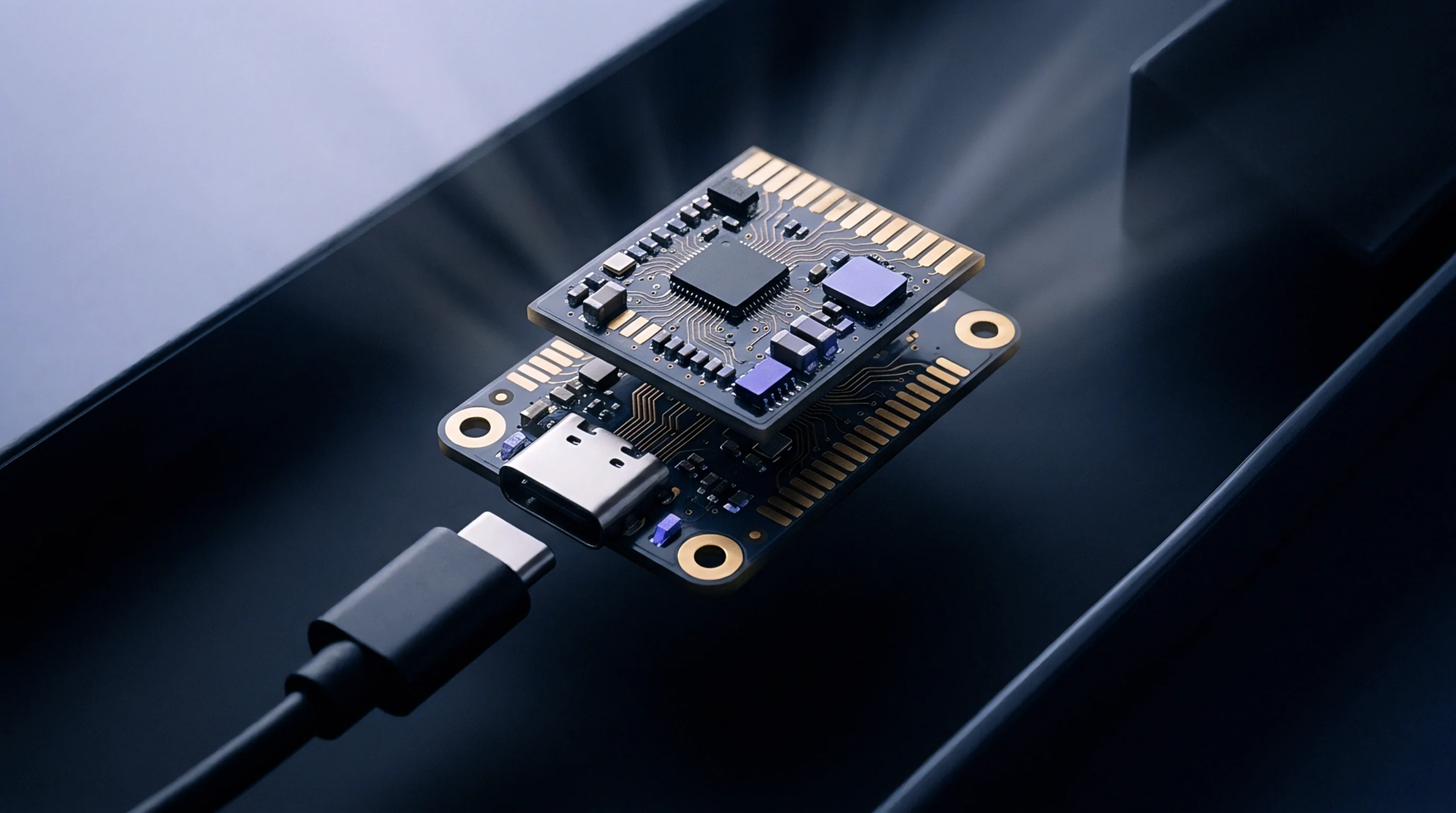
Shared bootloader driver fault allocation requires hardware register trace validation and mathematical probability modeling to attribute field firmware update failures.
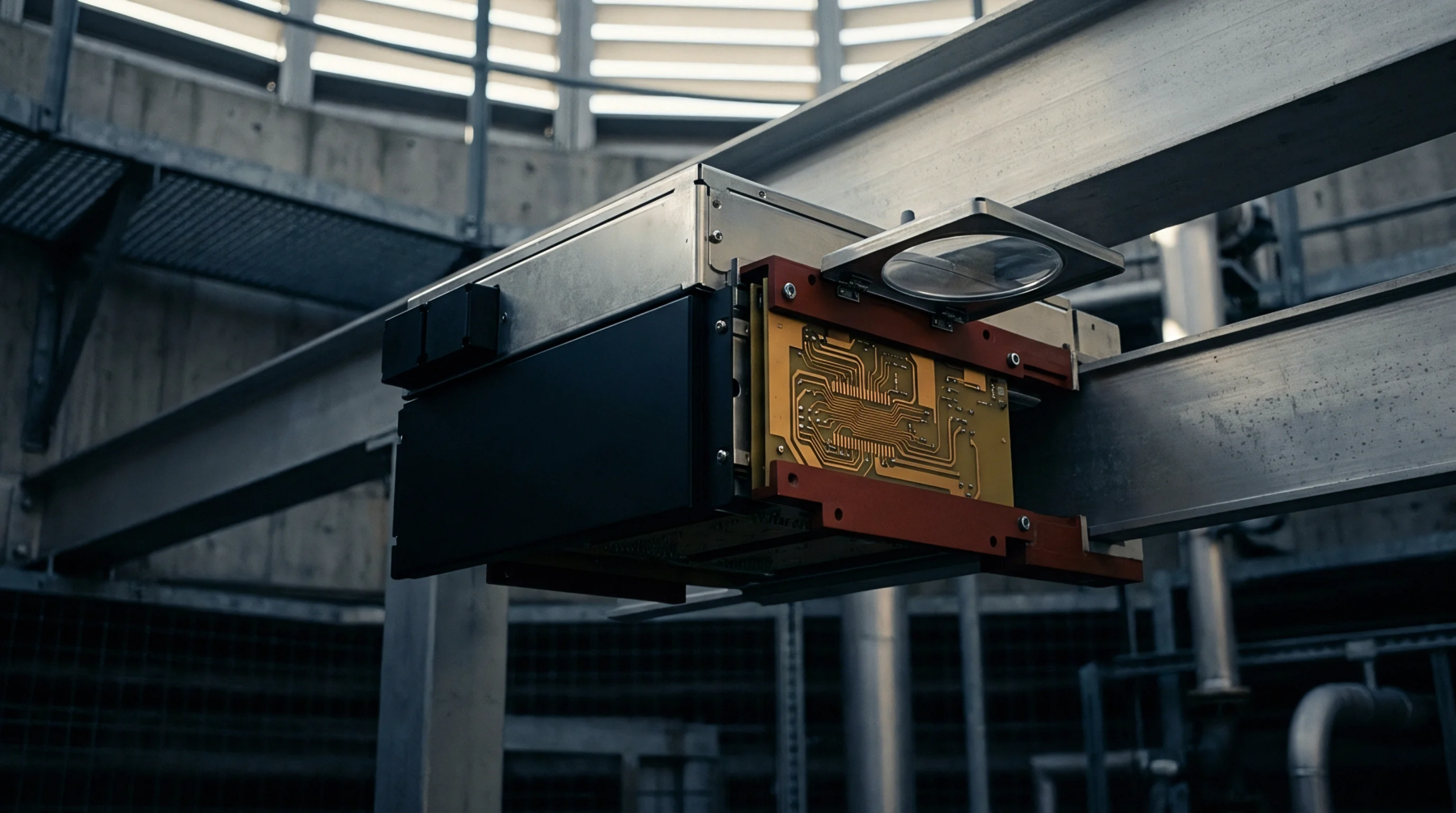
Define driver scope by file manifest enforce reproducible build toolchains and assign errata patching costs prior to contract execution

Turnkey software baseline maintenance requires containerized toolchains, explicit repository custody, and dedicated NRE pools to survive hardware respins.
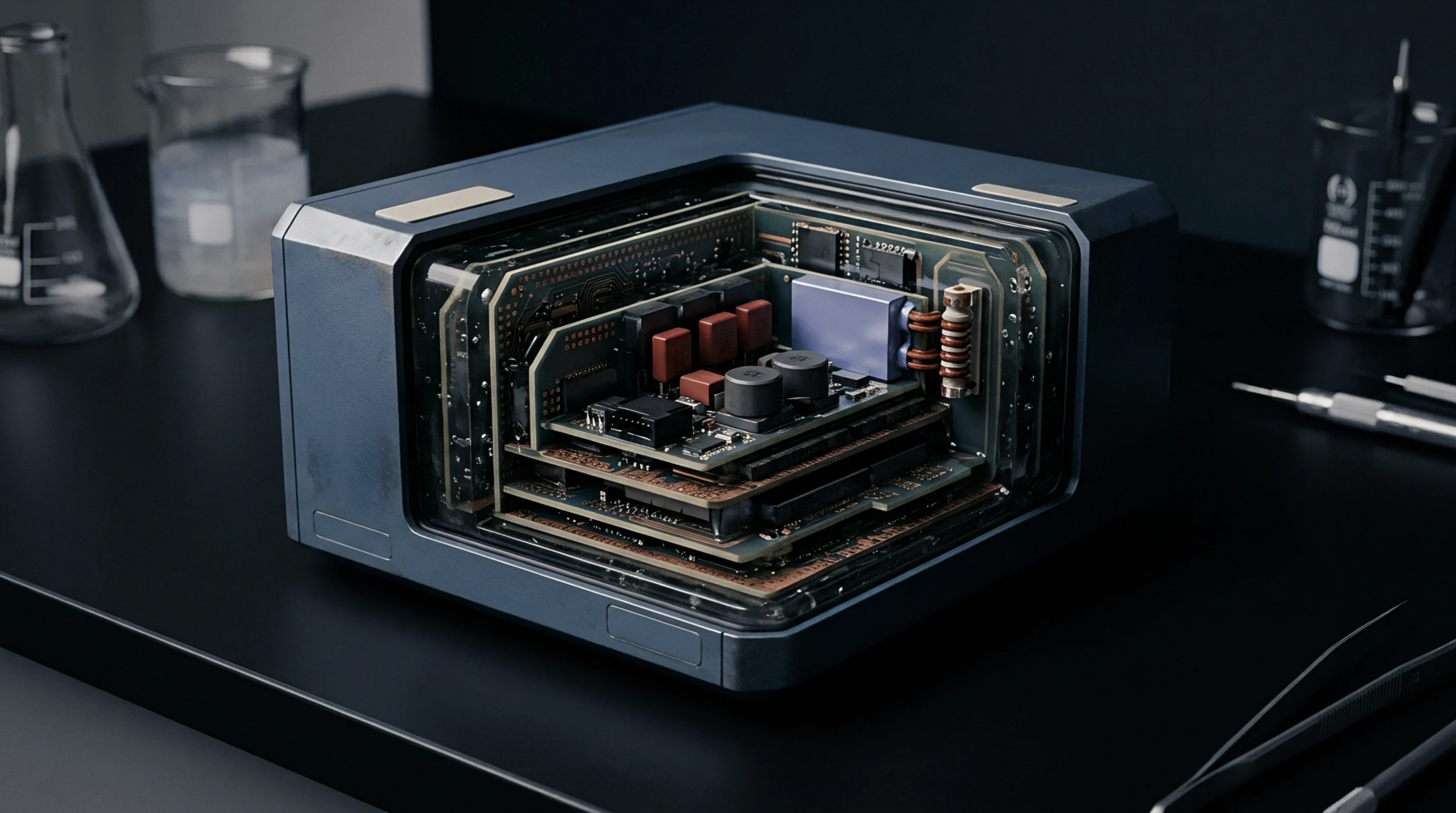
Decoupling firmware drivers via abstraction layers eliminates register-level vendor lock-in during secondary hardware design transfers.

Escrowing firmware source and register maps protects OEM production lines when unannounced silicon revisions break turnkey module driver compatibility.

Continuous integration firmware escrow verification relies on deterministic build containers and automated physical test vector benches to resolve synchronization disputes.
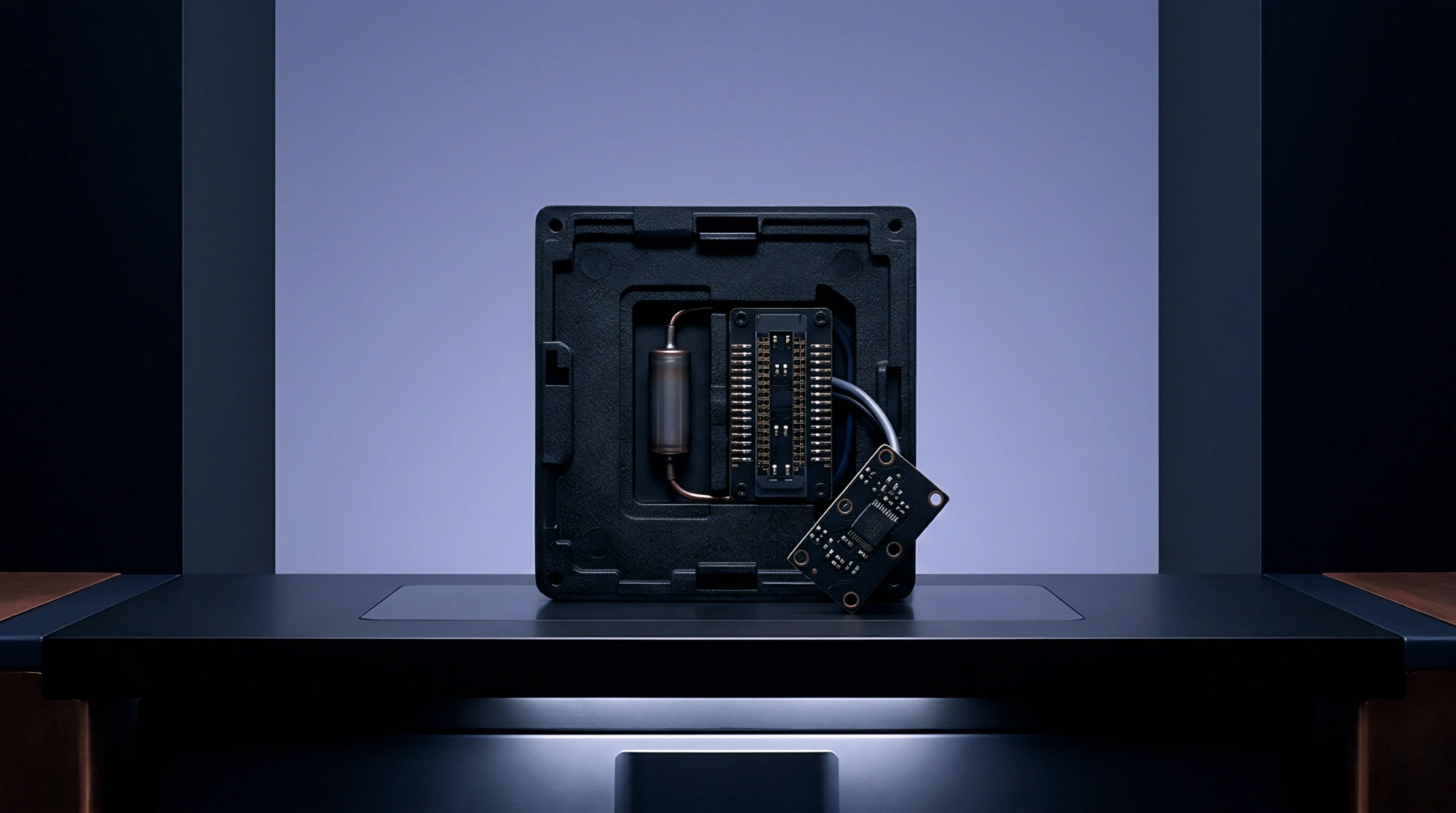
Maintaining transferred firmware repositories requires containerized build environments, physical testing rigs, and explicit SLAs to allocate silicon errata costs.

Verifying component process changes requires validating raw S-parameters, mechanical coplanarity, and firmware regression logs against baseline specs.
Expertise is a utility, not a secret. sentiention™ publishes its working knowledge as open reference: intelligence layer covering the materials it sources, the markets it enters, and the reference that serves both.