
Calculating Static and Dynamic Memory Limits for Embedded Radio Systems
Calculating embedded radio memory limits requires summing static data segments, worst-case stack watermarks, driver DMA buffers, and peak packet reassembly queues.
Calculating embedded radio memory limits requires summing static data segments, worst-case stack watermarks, driver DMA buffers, and peak packet reassembly queues.

Managing multi-site builds across silicon revisions requires containerized deterministic build pipelines, explicit hardware abstraction layers, and physical HIL verification test benches.

Automated build matrices validate vendor-independent driver abstraction layers, eliminating silicon lock-in and securing hardware design transfer custody.

Bit-for-bit firmware parity demands frozen containerized toolchains, deterministic linker maps, and automated build verification in turnkey transfer agreements.
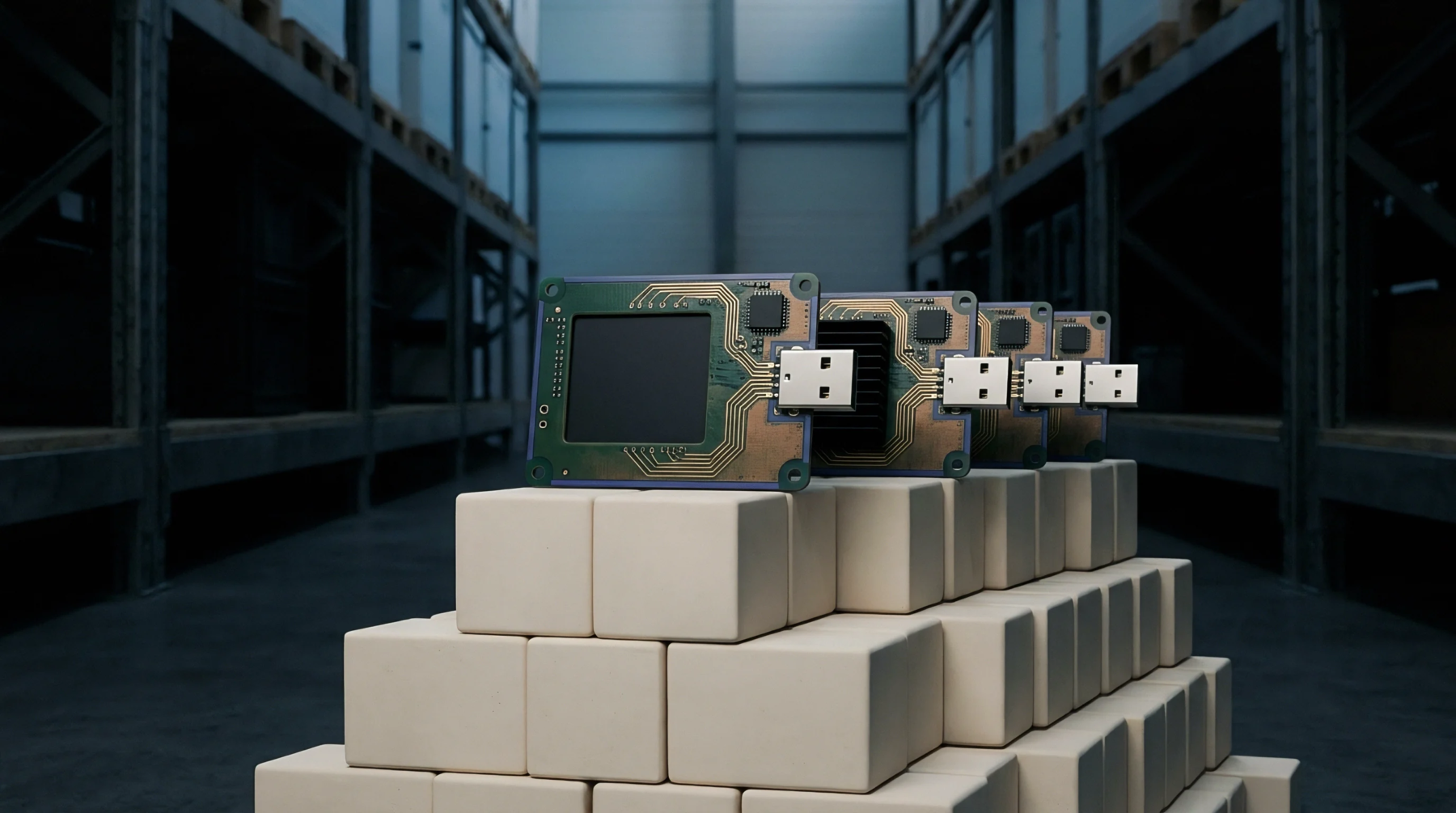
Preserving firmware build environments via containerization ensures multi-decade binary reproducibility and eliminates external dependency collapse during design transfers.

Firmware source licensing in turnkey contracts requires deliverable source code, containerized toolchains, and fixture test scripts to avoid factory lock-in.

Executing complete firmware source releases requires containerized deterministic build environments, complete board support packages, and clear IP assignment.

Vector table remapping redirects exception vectors by writing aligned target addresses to VTOR with synchronization barriers during dual-bank updates.

Hermetic build container escrow guarantees bit-for-bit firmware reproducibility and independent hardware maintenance across extended production lifecycles.

Managing firmware escrow and design transfers requires verified deterministic toolchains, complete EDA files, and factory test fixture documentation.

Securing firmware source repositories and native EDA CAD files in module procurement demands explicit foreground IP allocation and audited build scripts.

Establishing hardware and firmware transfer rights demands uncompiled source code, raw layout schematics, build containers, and verified test fixtures.

Decoupling firmware drivers via abstraction layers eliminates register-level vendor lock-in during secondary hardware design transfers.

Dual sourced wireless module manufacturing package files require synchronized substrate stackups and hardware sensing firmware to resolve binary divergence.
Expertise is a utility, not a secret. sentiention™ publishes its working knowledge as open reference: intelligence layer covering the materials it sources, the markets it enters, and the reference that serves both.