Meaning
A design transfer dossier acts as the formal repository for all technical data and manufacturing instructions required to move a product from the prototype development phase into full scale production. This design transfer dossier contains the controlled engineering drawings, bill of materials, assembly procedures, and verified test protocols that define the product configuration. It functions as the official bridge between the laboratory environment and the factory floor to ensure that a unit built in series matches the certified performance of the original prototype.
The set of documentation remains valid until an official engineering change order necessitates a formal revision.
Component Integrity
Verification of individual parts occurs through a comparison of physical samples against the specifications held within the design transfer dossier. Engineers review the tolerance stack analysis to confirm that mechanical fits remain within acceptable limits despite the thermal expansion rates of different enclosure materials. A supplier qualification process feeds into this phase by documenting the source capability for critical parts.
Each sensor or connector receives a specific rating which the internal assembly process must respect during integration. If a vendor changes a manufacturing method or material batch, the existing dossier requires an update to confirm that the new component maintains the overall system performance. This verification prevents drift between the theoretical design goals and the tangible hardware arriving on the production line.
Process Documentation
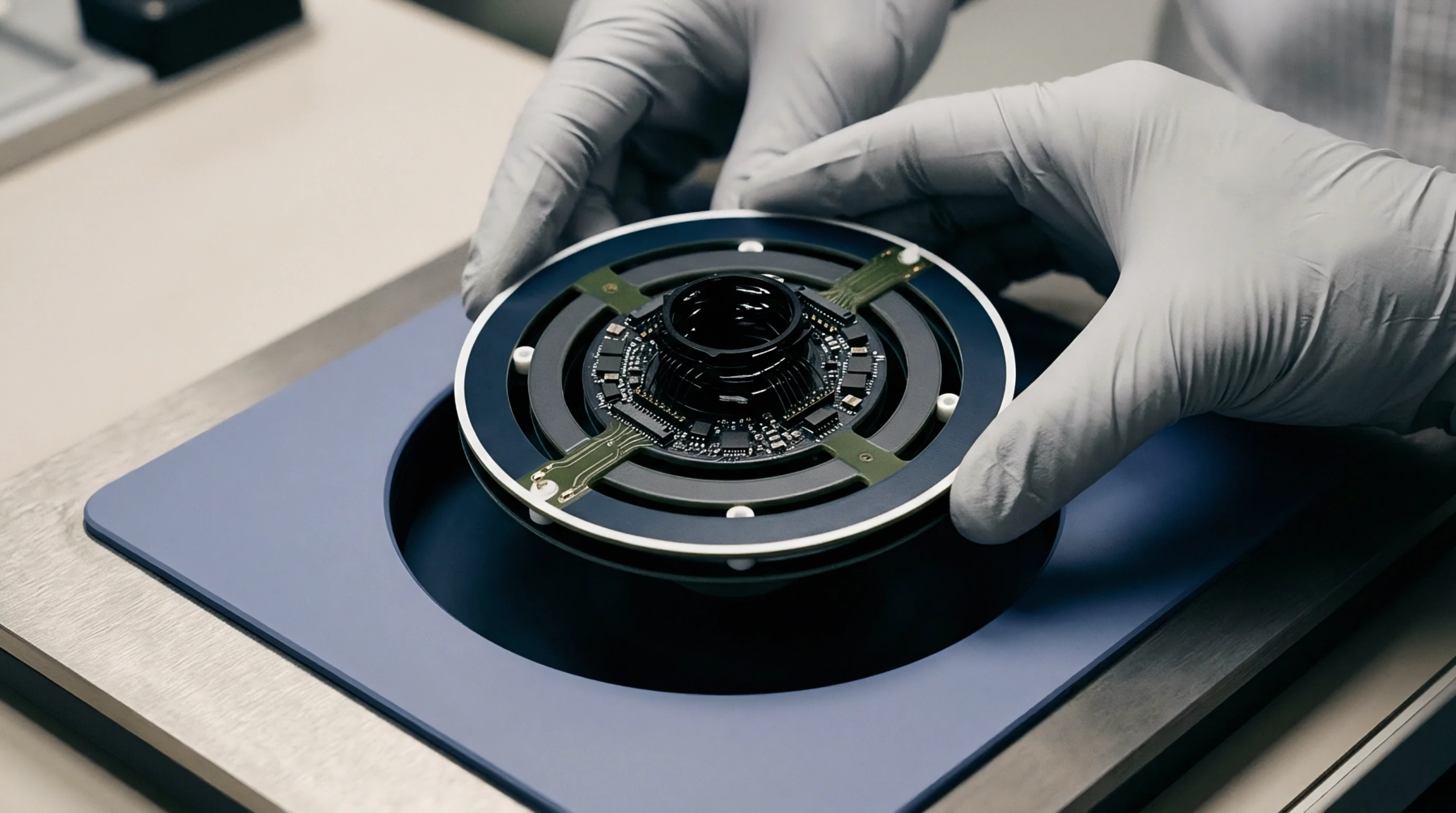
Operational instructions within the design transfer dossier detail the assembly sequence for complex connectivity modules and wireless hardware. Technicians follow these steps to align antenna arrays and calibrate radio output power to satisfy regulatory emission standards. The documentation specifies the exact torque values for fasteners and the application techniques for thermal interface materials to maintain electrical continuity.
If a technician skips a calibration step, the hardware fails to achieve its target sensitivity in the field. These assembly records form the audit trail that allows a quality control department to trace a hardware failure back to a specific manufacturing shift or production lot.
Regulatory Compliance
Official certification bodies rely on the design transfer dossier to confirm that the product adheres to safety and interference standards throughout its lifecycle. The package provides evidence that the final assembly matches the hardware tested during the initial radio certification. Auditors look for the correlation between the declared design parameters and the actual measured results from the test benches.
Discrepancies between the intended technical implementation and the physical hardware trigger a rejection of the certification application. A clear set of records demonstrates that the production process maintains control over all parameters that impact electromagnetic compatibility or user safety. Correct maintenance of these records ensures that the product remains compliant under diverse environmental conditions.