Managing Intellectual Property Assignments and Tooling Custody in Turnkey Manufacturing
Turnkey manufacturing IP assignments require explicit foreground code ownership, unencumbered CAD file delivery, and contractually binding mold extraction rights.
Assignment
A $185,000 engineering fee paid to an offshore design house got raw board files transferred, but the contract never specified native source project ownership. When the buyer tried shifting assembly to another factory, the original manufacturer refused to release uncompiled board layouts and embedded software source trees, calling them proprietary platform architecture. It highlights the risk in turnkey manufacturing agreements when commercial terms don’t explicitly separate background intellectual property from custom foreground development.
Turnkey manufacturing arrangements routinely blur where supplier IP ends and buyer-owned work begins. Real clarity takes an itemized schedule detailing background technology, third-party libraries, and net-new engineering artifacts. Without explicit assignments, regional commercial codes usually default ownership of technical drawings, firmware modifications, and test scripts to whoever generated the files.
Saying the buyer “owns the product” in a contract doesn’t secure legal title to the project files, board stackup documentation, or compiler configurations needed to build it anywhere else.

Foreground Software and Hardware Generation
Work created under a paid statement of work requires explicit legal assignment as it is produced. Contracts need to state that all new schematics, PCB layouts, bill of materials databases, firmware, and test rig code automatically belong to the buyer. Payment milestones should tie directly to the unconditional transfer of these assets instead of holding off until mass production.
Letting a supplier delay IP assignment until volume runs strips the buyer of commercial leverage during early engineering builds.
Every custom schematic netlist, Gerber file, and firmware build script is work paid for by the customer. Terms must state that IP title transfers upon payment of each corresponding milestone invoice, whether or not the product ever reaches commercial production. If disputes crop up during prototyping, clear interim ownership lets the buyer pull completed design files and move to another factory without getting locked in legal limbo.
Background Assets and Reference Libraries
Offshore design partners regularly use pre-existing code modules, baseboard designs, and proprietary driver stacks to build products. Suppliers keep ownership of this background IP so they can use it on other client projects. To compensate, the agreement must grant the buyer a perpetual, worldwide, non-exclusive, royalty-free, transferable license to use, modify, and sublicense any background IP embedded in the final deliverable.
| Integration Level | Schematic & Gerber Ownership | Firmware Source Rights | Tooling Steel Ownership | Replication Autonomy |
|---|---|---|---|---|
| White-Label Module | Factory Retained | Binary Only | Factory Retained | Zero (Full Lock-in) |
| Reference Modification | Shared / Derivative Rights | Application Layer Only | Amortized / Shared | Partial (Requires License) |
| Semi-Custom Engineering | Buyer Owned Foreground | Full Source with License | Buyer Owned via NRE | High (Second-Source Ready) |
| Full Turnkey Contract | Buyer Owned Outright | Unconditional Source Transfer | Buyer Owned Outright | Complete Autonomy |
Without explicit terms covering background libraries, a buyer ends up owning a custom application layer built over a proprietary base stack that can’t legally be compiled or run on another manufacturer’s line. Contracts must list all background assets by reference number, version, and functional boundary before engineering starts.
A standard master service agreement clause transferring title to technical deliverables upon milestone invoice settlement turns disputed engineering work into extractable company assets.
When reviewing turnkey production contracts, adding explicit terms prevents non-payment of disputed late-stage assembly fees from invalidating early IP assignments already paid under separate milestones. Section 14.2 of standard manufacturing agreements explicitly states that intellectual property title transfers continuously with each milestone payment, shielding design assets from later commercial claims or inventory disputes during volume scaling.
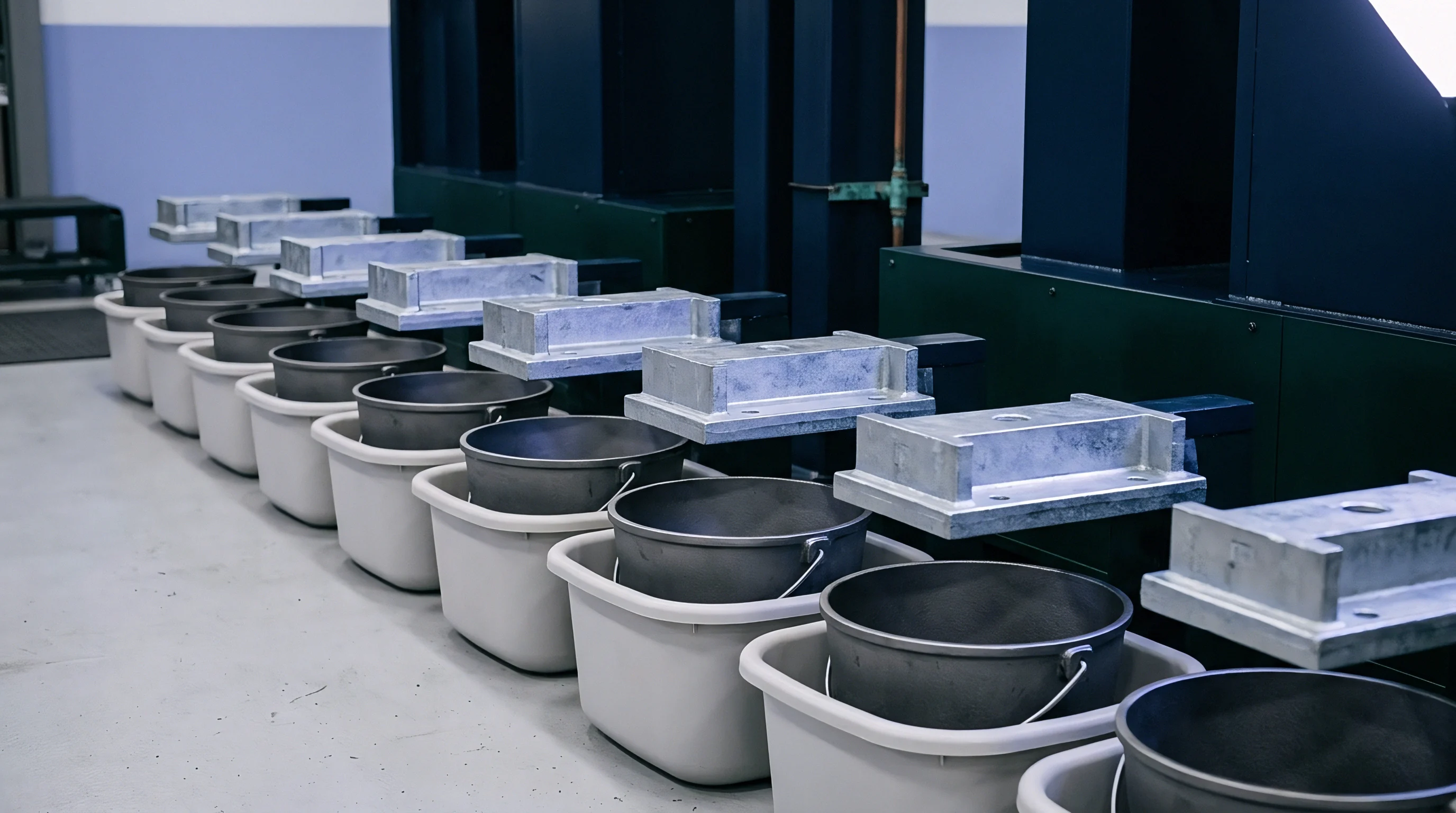
Steel
Injection molds, stamping dies, and AOI fixtures are the physical anchors of hardware manufacturing custody. A manufacturer holding physical tooling has immense leverage during price renegotiations or lead-time disputes. Ownership of tooling steel has to be backed by clear legal title, asset tagging, physical inspection records, and explicit relocation protocols so suppliers can’t hold molds hostage during commercial friction.
Tooling custody disputes often happen when NRE fees cover only part of the total mold fabrication cost. Factories frequently subsidize high-precision multi-cavity molds in exchange for multi-year part commitments, holding onto legal title to the steel while arguing the customer only paid for usage rights. Purchase orders for tooling must explicitly state that payment transfers full legal title to the physical mold base, core pins, hot runner systems, and associated CAD geometry.
Tooling Custody and Fixture Registration
Formal asset tags stamped into mold steel create visible legal proof of ownership on the shop floor. Every injection mold, stamping die, and test jig needs a permanently engraved metal plate showing the buyer’s corporate name, asset tracking code, and a notice stating that the physical item is property of the buyer and cannot be pledged, encumbered, or moved without written consent.
- Asset Tagging Procedures Metal plates engraved with serial numbers and title statements must be permanently riveted to the main mold base and die sets before initial sampling.
- Preventative Maintenance Logs Mold cycle counters, cavity wear records, and tool modification histories should be updated after every batch run and made available for audit upon request.
- Insurance and Risk Mapping Physical loss, damage, or premature wear during storage and production remains the custodial factory’s financial responsibility under commercial liability coverage.
- Storage and Extraction Guarantees Molds must be stored in climate-controlled environments and released to the buyer within five business days of written notice without retention fees.
Factory audits need to confirm that physical asset tags match the equipment registry in the master service agreement. Suppliers that refuse asset tagging or block physical inspection usually view tooling as plant property rather than customer-owned assets.

Injection Mold Maintenance and Wear Logs
Tooling steel suffers mechanical wear, thermal fatigue, and resin erosion over mass production runs. The contract manufacturer remains responsible for routine tool maintenance, core pin replacements, and surface polishing up to the guaranteed shot count ~ typically set at 500,000 or 1,000,000 shots for hardened steel molds.
| Tooling Class | Material Grade | Guaranteed Shot Life | Maintenance Responsibility | Custody Risk Profile |
|---|---|---|---|---|
| SPI Class 101 | H13 Hardened Steel | 1,000,000+ | Factory (Covered in Piece Price) | Low (High Capital Asset) |
| SPI Class 102 | P20 Tool Steel | up to 500,000 | Factory Routine / Buyer Major | Medium (Shared Lifecycle Risk) |
| SPI Class 103 | P20 / Aluminum 7075 | up to 100,000 | Buyer Direct Payment | High (Rapid Wear / Soft Steel) |
| SPI Class 104 | Unregistered Aluminum | up to 10,000 | Buyer Direct Payment | Extreme (Prototype Asset Only) |
Detailed maintenance records prevent disputes over whether mold degradation stems from normal production wear or factory negligence. Wear logs need to track shot counts, resin types processed, temperature spikes, and maintenance service. When a mold hits its guaranteed cycle limit, the contract should explicitly spell out whether refurbishment costs fall on the supplier or require a new capital expenditure from the buyer.
Tooling steel wear logs and shot counts should be audited quarterly to enforce supplier maintenance obligations before dimensional tolerances drift out of spec.
During a 2022 dual-source audit, a $42,000 re-tooling penalty was incurred when an offshore injection house refused to release a 16-cavity enclosure mold, claiming unamortized maintenance fees never documented in the original statement of work.

Archive
Repository management determines whether a design transfer package actually enables independent production or locks you into the original factory. A complete technical repository includes all physical files, assembly instructions, BOM variants, and software repositories needed to manufacture the product at another facility without help from the original team.
Incomplete design transfer packages are the primary tool contract manufacturers use to build artificial switching costs. Suppliers often provide flat Gerber output files while withholding editable native CAD projects, or ship compiled hex binaries while keeping embedded C source trees and build scripts. That locks the customer in, because routine component end-of-life updates or board revisions can’t be executed without native project files.
Design Transfer Dossier Deliverables
A complete design transfer dossier requires strict version control and cryptographic hashes for every file artifact. The documentation set must cover physical layer definitions, schematics, board layouts, assembly drawings, component datasheets, and incoming inspection criteria.
- Native CAD Source Files Complete editable projects in Altium, KiCad, or OrCAD formats, including custom schematic component libraries and PCB footprint libraries.
- Fabrication and Assembly Packages ODB++ or Gerber X2 files, drill tables, IPC-2581 manufacturing data, pick-and-place coordinate files, and high-resolution assembly drawings.
- Bill of Materials with Lifecycle Data Multi-level BOM spreadsheets listing exact manufacturer part numbers, alternate approved parts, target unit pricing, and component end-of-life status.
- Software and Firmware Repositories Complete git repositories containing source code, build scripts, linker scripts, third-party libraries, and toolchain installation dependencies.
- Manufacturing Test Dossier Functional circuit test specifications, bed-of-nails test point maps, AOI inspection programs, and custom programming fixture schematics.
Every deliverable item has to be validated by an independent engineering team prior to final milestone sign-off. If the buyer cannot open, modify, and successfully compile the design package from raw source files, the transfer dossier remains legally incomplete.

Build Environment and Toolchain Retention
Source code alone doesn’t guarantee software build repeatability. Embedded firmware relies heavily on specific compiler versions, linker configurations, peripheral drivers, and hardware abstraction layers. A vendor update or a missing environment variable can break compilation, change binary outputs, and invalidate regulatory certifications.
Contract deliverables must include a containerized build environment, like a Docker image, holding the exact compiler toolchain, dependencies, and configuration environment used during production flashing. Escrow agreements fail without working builds.
What Files Are Mandatory for Factory Migration?
Moving production to a new facility takes native source assets, fabrication files, custom test scripts, and assembly documentation. Transferring only binary executables or Gerber files leaves the buyer unable to make design changes or component substitutions without re-engineering the board from scratch.
Factories often claim that internal test routines and programming utility source scripts are proprietary factory IP that cannot be transferred to competing assembly sites.
Escrow arrangements for firmware repositories should mandate semi-annual build verifications to ensure archived source files compile cleanly into bit-for-bit identical binaries.
Native Gerber files are sometimes withheld under claims that layouts created in internal custom CAD tools cannot export neutral IPC-2581 formats.

Amortization
Financial structures in turnkey manufacturing directly tie into intellectual property ownership and tooling custody. Suppliers frequently offer low upfront NRE costs or zero-cost tooling in exchange for amortizing development expenses across the first 50,000 or 100,000 units. This setup hides severe lock-in mechanisms behind attractive capital expenditure terms.
Amortizing tooling and development costs into piece-part prices blurs ownership boundaries. If a buyer moves production after 20,000 units on a 50,000-unit schedule, the manufacturer will assert a lien over tooling steel and design assets to claim unrecovered investment. Contracts must establish explicit buyout schedules allowing the buyer to settle remaining amortization balances and immediately extract tooling and IP assets without penalty.
Non Recurring Engineering Scope Boundaries
NRE quotations need to detail clear work breakdown structures, engineering hours, and specific tangible deliverables. Vague scope lines like “board design” or “firmware development” allow factories to claim key design elements were covered by internal overhead rather than client funding, letting them retain control over the assets.
When engineering scope is explicitly defined, every labor hour links directly to a specific technical artifact. If a customer funds 120 hours of custom RF layout optimization under a scoped NRE agreement, the factory can’t later claim the antenna layout is proprietary background technology.

Unit Price Adjustments and Tooling Repayment
Commercial agreements must break out raw piece-part unit cost from the tooling amortization line item on every volume production invoice. Itemized transparency ensures both parties track the exact financial balance of tooling repayment throughout the production run.
| Financial Parameter | 100% Upfront Capital Purchase | 50/50 Shared Amortization | Full Amortized Unit Add-on |
|---|---|---|---|
| Upfront Tooling Cost | $80,000 | $40,000 | $0 |
| Unit Amortization Premium | $0.00 / unit | $1.50 / unit (first 40,000) | $3.20 / unit (first 35,000) |
| IP and Steel Asset Title | Immediate & Unconditional | Conditional on Buyout Schedule | Factory Retained until Volume Met |
| Switching Cost at Unit 15,000 | $0 (Direct Extraction) | $37,500 Buyout Fee | $64,000 Buyout Fee + Surcharge |
| Financial Risk Profile | Higher Initial Outlay | Balanced Capital Risk | Extreme Lock-in / High Exit Barrier |
Buyout schedules should be documented in a clear table within the master supply agreement. As unit volumes accrue, the balance required to extract tooling steel and IP assets drops proportionally.
Tracking NRE line items against landed unit costs ensures that once an amortized tooling agreement reaches its volume threshold, the piece-part price automatically drops by the exact amount of the original surcharge.
Paying upfront capital for tooling steel and engineering guarantees immediate, unencumbered asset ownership without residual commercial obligations.

Severance
Terminating a contract manufacturing relationship introduces substantial risk to hardware supply chains. Whether driven by quality defaults, capacity limits, cost disputes, or strategic shifts, extracting physical assets, transferring technical knowledge, and setting up production at a new facility requires careful contractual planning before signing the original deal.
Suppliers facing contract termination often resort to administrative delays, component scrap claims, and sudden maintenance liens to drag out factory exit. Without clear severance procedures, transition can stall production for six to nine months, missing inventory windows and destroying enterprise value. Setting up explicit off-boarding milestones protects operational continuity during factory relocation.
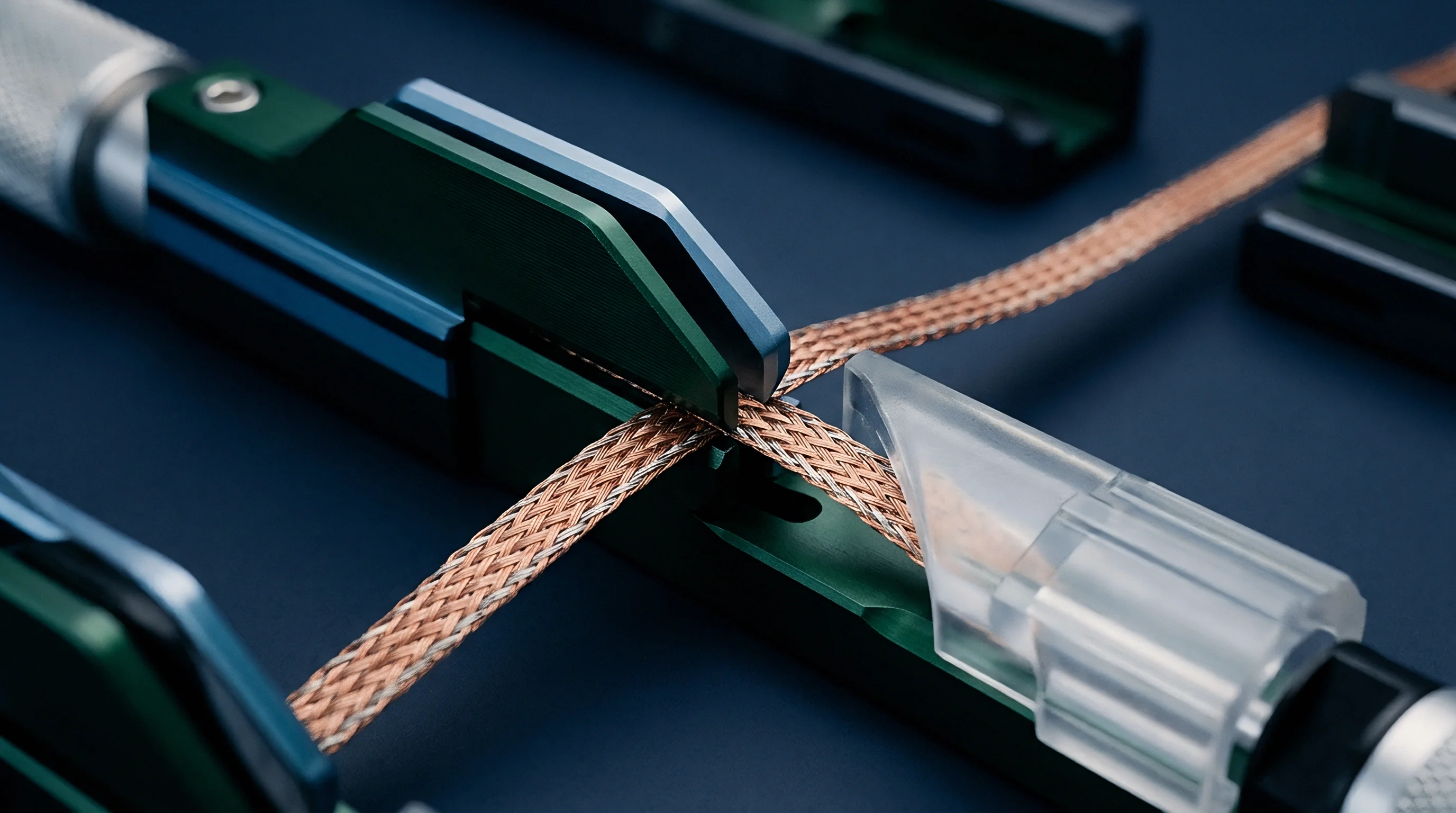
Factory Termination and Asset Extraction
Contract termination clauses need to specify step-by-step procedures for asset recovery, inventory buyouts, and technical handovers. Upon receiving written notice, the outgoing factory must freeze tooling modifications, log cycle counts, pack equipment for transport, and grant access to logistics agents authorized by the buyer.
Inventory buyouts are another friction point during factory severance, requiring the contract to set clear valuation terms for raw material, work-in-progress, and finished goods upon termination.
- Raw Components Purchase Terms Component inventory is repurchased at verifiable distribution invoice costs, limited strictly to long-lead parts ordered against binding demand forecasts.
- Work-In-Progress Valuation Semi-finished assemblies are valued based on completed milestone percentages, verified through joint quality inspection prior to payment.
- Finished Assembly Off-take Finished products meeting agreed specifications are purchased at standard contract unit prices without exit penalties.
- Scrap and Non-Conforming Scrap Defective assemblies, unapproved component overages, and obsolete material stay the sole financial responsibility of the outgoing factory.
Factory access rights during off-boarding ensure the buyer’s logistics team can enter the floor, audit physical tooling condition, and supervise packing without interference from plant management.

Dual Sourcing and Technical Bring Up
Relying on a single manufacturing site creates severe vulnerabilities during commercial disputes or geopolitical disruptions. A sound dual-sourcing strategy qualifies a secondary manufacturer using identical tooling specifications, firmware build containers, and test scripts.
In practice, secondary suppliers take roughly three months of qualification and bring-up even when provided with a complete, verified design transfer dossier. Setting up dual-sourcing while primary production is active removes exit friction and keeps unit pricing competitive across both partners.
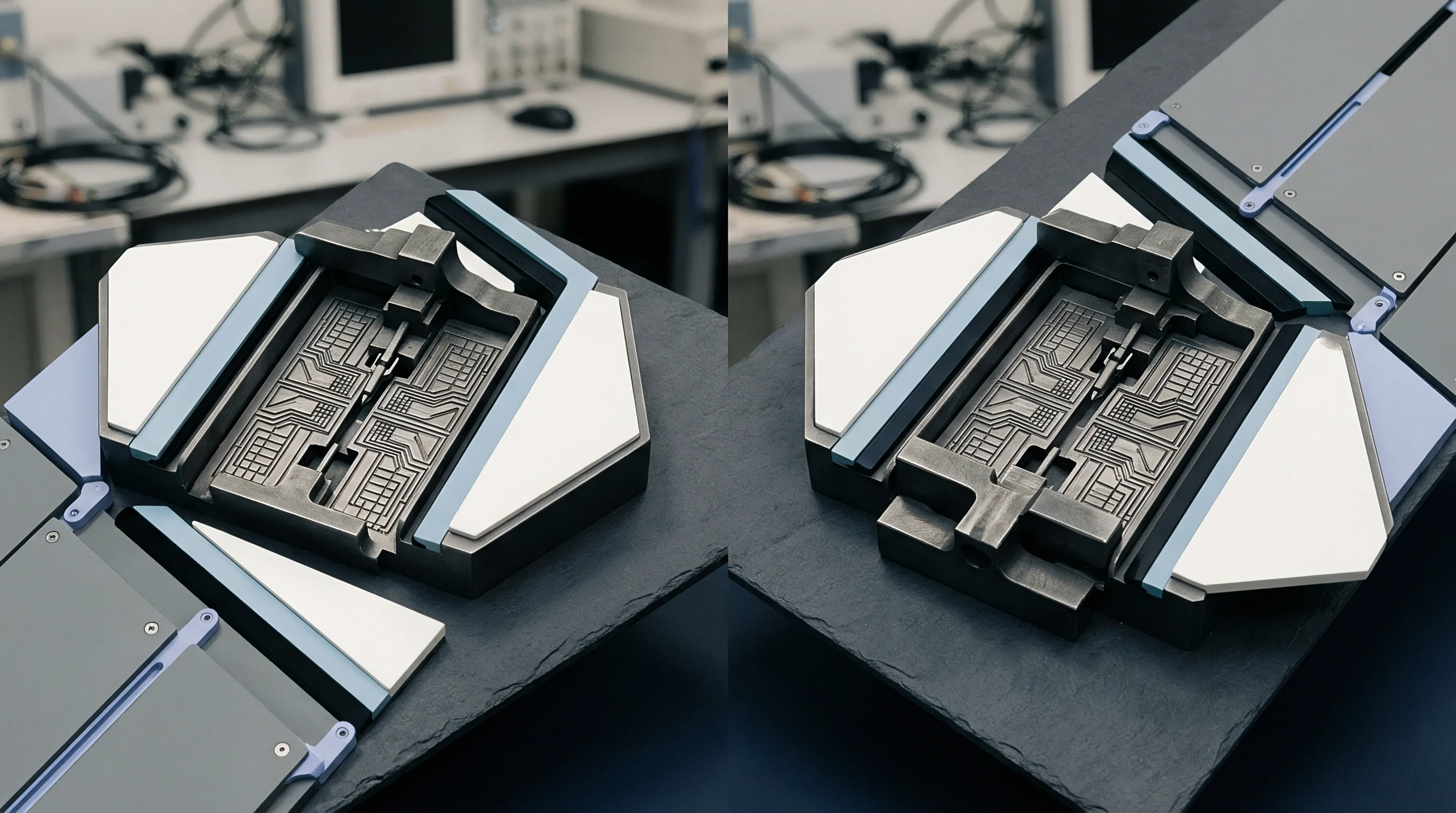
How does a buyer establish secondary manufacturing rights when the primary factory owns proprietary assembly tooling? The contract must secure rights to duplicate production fixtures or require the primary factory to build and sell an identical set of programmed test jigs to the buyer on request.

Remedy
Enforcing IP assignments and tooling custody across legal jurisdictions takes structured commercial remedies, liquidated damages clauses, and clear jurisdiction definitions. When a contract manufacturer breaches IP covenants or refuses to release tooling steel, remedies within local court systems are often slow, expensive, and difficult to enforce.
Cross-border hardware manufacturing agreements need strategic jurisdiction choices, international arbitration rules, and enforceable security deposits to ensure compliance. Relying solely on local courts in offshore manufacturing hubs often leaves buyers without immediate injunctive relief or financial recovery when disputes escalate.

Cross Border Dispute Resolution Mechanics
Choosing the legal jurisdiction and arbitration rules determines whether contractual covenants have real enforcement teeth. Offshore manufacturing agreements should designate established arbitration hubs like the Singapore International Arbitration Centre, the Hong Kong International Arbitration Centre, or the International Chamber of Commerce in London.
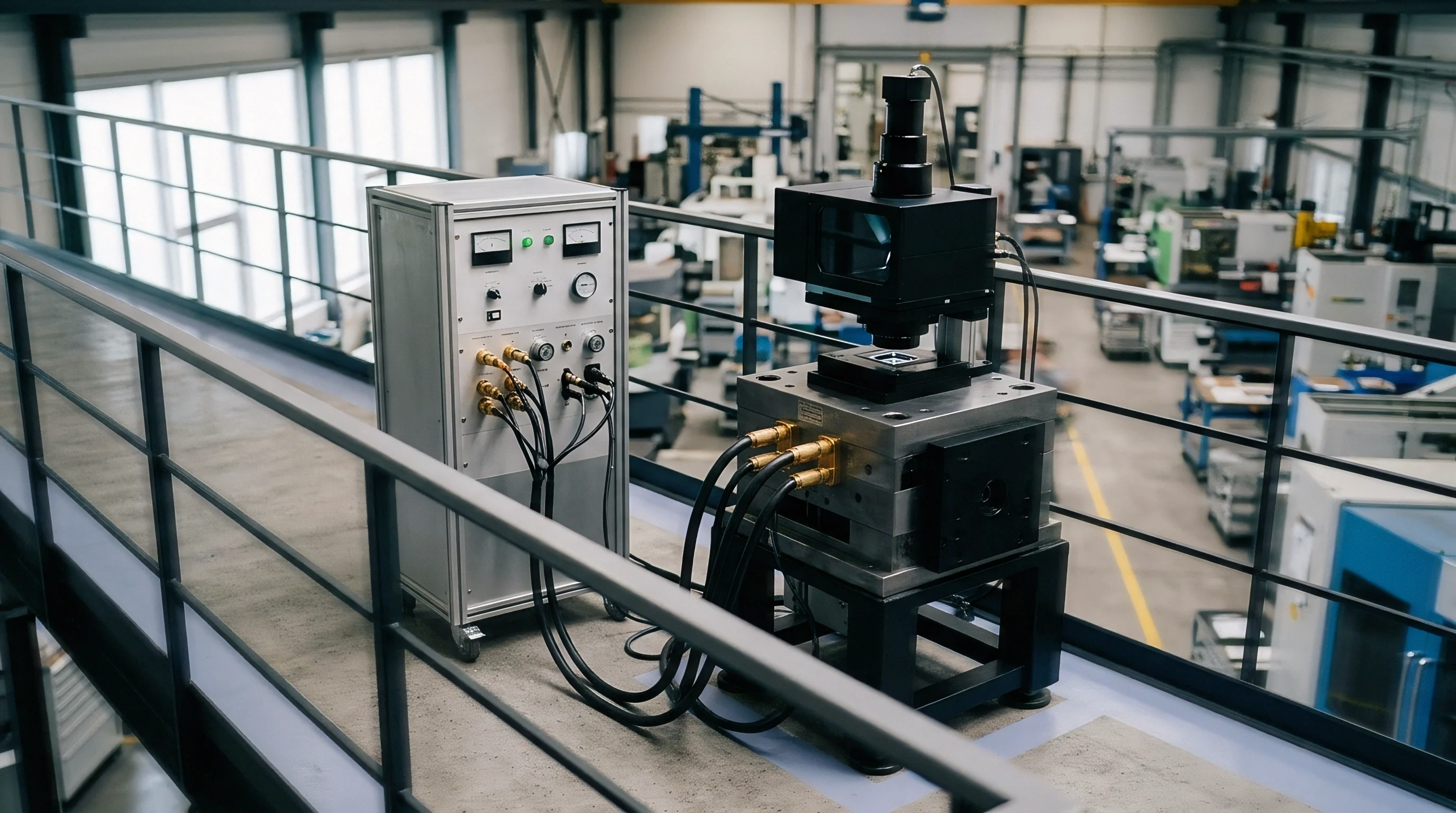
Arbitration awards issued under recognized international frameworks are enforceable in over 170 states through the New York Convention. Contracts should explicitly state that emergency arbitral proceedings can grant immediate interim relief ~ ordering the preservation, non-use, or physical surrender of tooling steel, CAD drawings, and firmware repositories before full evidentiary hearings.
Liquidated Damages and Security Deposits
Proving exact monetary damages from IP misappropriation or delayed tooling release can stall judicial enforcement for years. Liquidated damages provisions set pre-agreed financial penalties for specific material breaches, such as a fixed daily penalty for holding onto tooling or subcontracting assembly without approval.
| Breach Scenario | Remedy Mechanism | Contractual Penalty Structure | Enforcement Timeframe |
|---|---|---|---|
| Tooling Release Delay | Liquidated Daily Damages | $2,500 / day of illegal retention | Immediate via Escrow / Wire Hold |
| Unauthorized IP Subcontracting | Contract Termination & Clawback | 100% NRE refund + IP forfeiture | 30 Days via International Arbitration |
| Unapproved BOM Component Swap | Lot Rejection & Replacement Cost | Full batch scrap credit + line hold fee | 10 Days via Acceptance Inspection |
| Firmware Leakage / Reverse Eng. | Injunctive Relief & Asset Seizure | Full commercial damages award | Emergency Arbitral Injunction |
Security deposits held in neutral escrow accounts provide immediate financial recourse without waiting for lengthy litigation. When a contract manufacturer commits a verified material breach, financial penalties can be drawn directly from escrow or offset against outstanding production invoices.
Enforcement succeeds when commercial contracts tie daily operational incentives directly to continuous legal compliance. Direct contract offsets, backed by international arbitration frameworks and irrevocable escrow funds, provide the structural teeth necessary to protect critical IP and physical tooling across global supply chains.