Turnkey Wireless Module Source Schematic Inspection and CAD File Handovers
Turnkey wireless module source handovers demand native CAD databases, compiled BSP source trees, test fixture scripts, and explicit IP assignment clauses.


Capture
Schematic source inspection for a wireless module establishes whether an engineering design transfer contains production-grade netlists or non-editable graphics. Hardware teams receiving turnkey or semi-custom module documentation audit the underlying netlist logic to identify unstated component dependencies, power domain flaws, and RF output matching errors. Signal integrity dictates performance.
Mismatch destroys receiver sensitivity. A schematic captured in native CAD formats, such as Altium Designer, Cadence OrCAD, or Eagle, carries electrical rules, component parameters, and manufacturer part numbers that raw PDF prints obscure.
The primary focus during schematic source inspection centers on the radio frequency front-end and high-speed digital buses. Power rails powering the internal system-on-chip or power amplifier demand explicit decoupling capacitor topologies directly adjacent to device pins. Errors propagate into silicon.
RF paths demand tight control. Incomplete schematic documentation omits parasitic trace impedance assumptions or hides bulk capacitance requirements, leaving the host system vulnerable to brownout conditions during radio transmit bursts.
A rigorous review of schematic symbols verifies pin mapping against silicon vendor IC datasheets. Peripheral bus signals, including Serial Peripheral Interface and Inter-Integrated Circuit buses, require explicit pull-up resistor specifications and bus capacitance constraints. Floating input pins on unconfigured general-purpose input-output lines induce elevated sleep currents, draining battery reserves in low-power end devices.
- Schematic Symbol Pin Mapping validates physical ball or pin assignments against the silicon vendor datasheet pinout matrix to eliminate silent pin swap errors.
- Passive Component Derating Parameters verifies that power supply decoupling capacitors specify exact dielectric ratings, dielectric series types like X7R, and voltage derating limits.
- Impedance Matching Network Topology examines the placement of series and parallel tuning elements between the radio frequency output port and the module antenna pad.
- Low-Power Oscillator Loading Calculations reviews the stray capacitance assumptions applied to thirty-two kilohertz and high-frequency reference crystals.
A three-nanosecond rise-time mismatch across a high-speed SPI bus operating at twenty-four megahertz induces clock jitter exceeding eight percent when trace capacitance exceeds fifteen picofarads.
Power management IC feedback circuits demand dedicated kelvin connections to output sense points. Omitting these connections in schematic source files destabilizes core voltage supplies during high-load wireless transmission. Thermal vias dissipate power.
Ground plane continuity across analog and digital domain boundaries isolates sensitive low-noise amplifiers from digital switching noise generated by core microcontrollers.
Unchecked schematic discrepancies result in costly board respins, month-long certification delays, and catastrophic field failures caused by power rail instability.

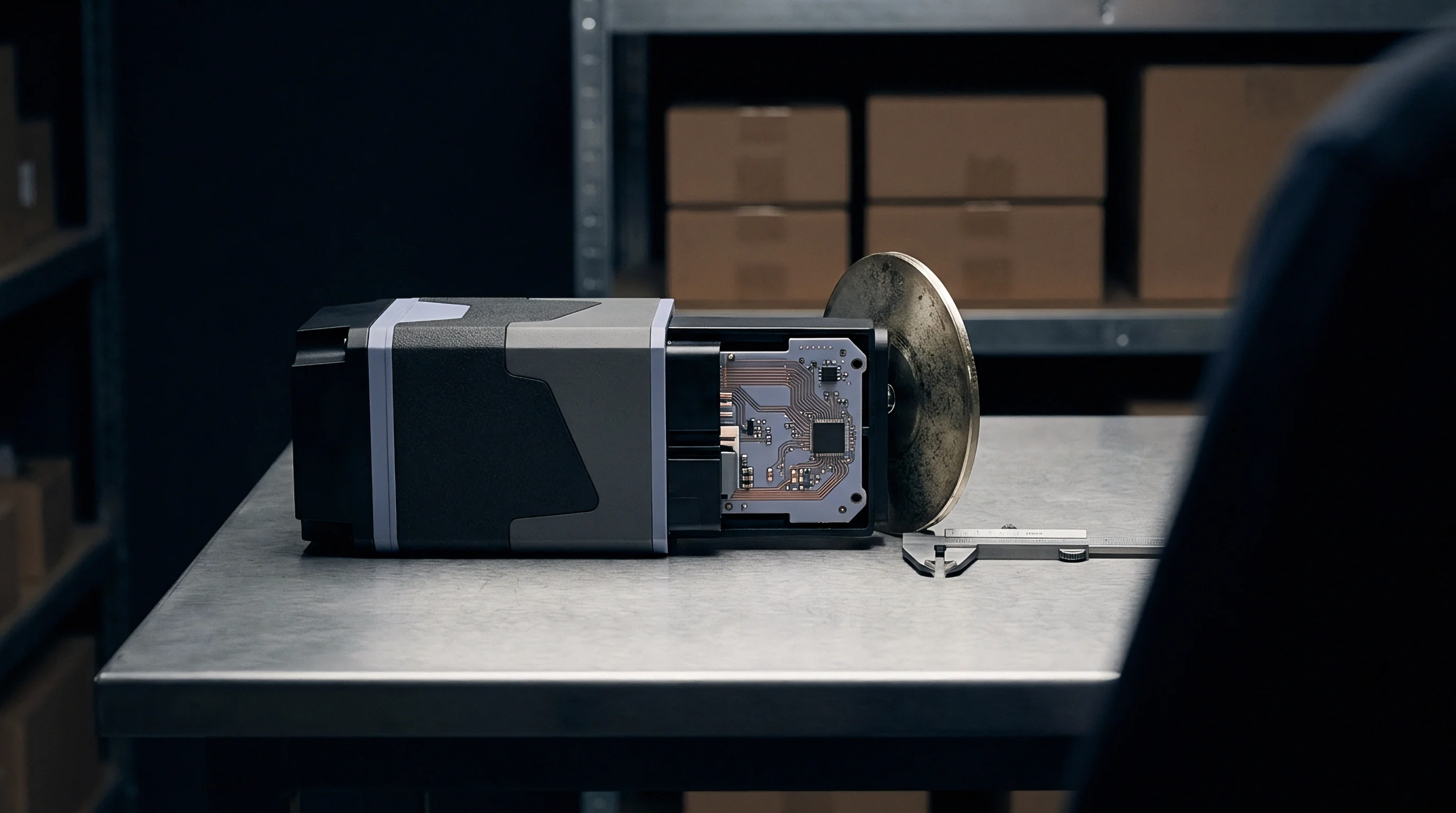
Foil
Printed circuit board layout CAD packages represent the physical implementation of wireless hardware where high-frequency traces interact with copper ground planes. The physical foil layer configuration defines electromagnetic performance, thermal dissipation paths, and structural rigidity. Gerber files lack intelligence.
Drill tables map holes. Reviewing the physical layout files requires native CAD access to verify trace geometries, differential pair coupling, and radio frequency keep-out areas.

Printed Circuit Board Stackup and RF Keepout Rules
Layer count and dielectric thickness directly set the trace width needed to hit fifty-ohm microstrip or coplanar waveguide impedance. A four-layer stackup using standard FR-4 substrate exhibits different dielectric constant characteristics at two-point-four gigahertz than a high-frequency Rogers laminate material. Module layout handovers must include explicit material specifications, prepreg thickness tolerances, and copper weight definitions.
Radio frequency keep-out zones beneath ceramic patch antennas or trace antennas eliminate parasitic capacitance to internal ground planes. Ground stitching vias spaced at fractional wavelength intervals prevent edge radiation and isolate high-frequency lines from adjacent digital buses. Defect-free layouts isolate power supply routing from RF matching networks to prevent noise coupling into the low-noise amplifier input.

Is Native IPC-2581 Output Mandatory for Dual Sourcing?
Transferring fabrication files as Gerber RS-274X strips away component attributes, netlist connectivity, and design intent. Gerber files contain pure vector graphics intended solely for photoplotting film generation. Recreating a component assembly database from raw Gerber layers introduces layout reconstruction errors that compromise radio performance.
The IPC-2581 standard and modern ODB++ formats consolidate drill files, netlists, component footprints, and material stackups into a unified digital structure. Dual-sourcing strategies depend on obtaining native IPC-2581 or CAD project files (such as Altium.PcbDoc or Cadence Allegro.brd ) to allow alternate manufacturing sites to adjust panelization, fiducial positioning, and thermal relief pads without modifying baseline RF routing.
| Format Type | Layer Definitions | Netlist Data | Manufacturing Independence |
|---|---|---|---|
| Gerber RS-274X | Independent vector files | None included | Low format portability |
| Gerber X2 | Attributed vector layers | Partial net mapping | Moderate format portability |
| ODB++ Database | Integrated layer stackup | Full electrical netlist | High manufacturing utility |
| IPC-2581 Open XML | Parametric stackup data | Full electrical netlist | Complete platform portability |
| Native Altium / Allegro | Complete CAD database | Full constraint rules | Total design independence |
Layout handovers must account for thermal relief geometries around ground pads on power components. Solitarily connecting large ground pads to continuous ground planes without thermal spokes creates solder starvation defects during automated reflow assembly. Assembly drawings included in the CAD package dictate solder mask expansion tolerances around fine-pitch surface-mount pads.
Module vendors routinely claim that native CAD databases represent proprietary trade secrets that cannot be released without invalidating existing radio regulatory approvals.


Firmware
Source code handovers for embedded wireless hardware dictate whether a product team retains long-term control over software updates and security patches. Hardware abstraction layers bridge physical silicon registers to application-level network protocols. Source code proves ownership.
Build tools shift over time. Without access to underlying source trees, build scripts, and compiler settings, hardware integration teams remain dependent on vendor support for basic bug resolution.
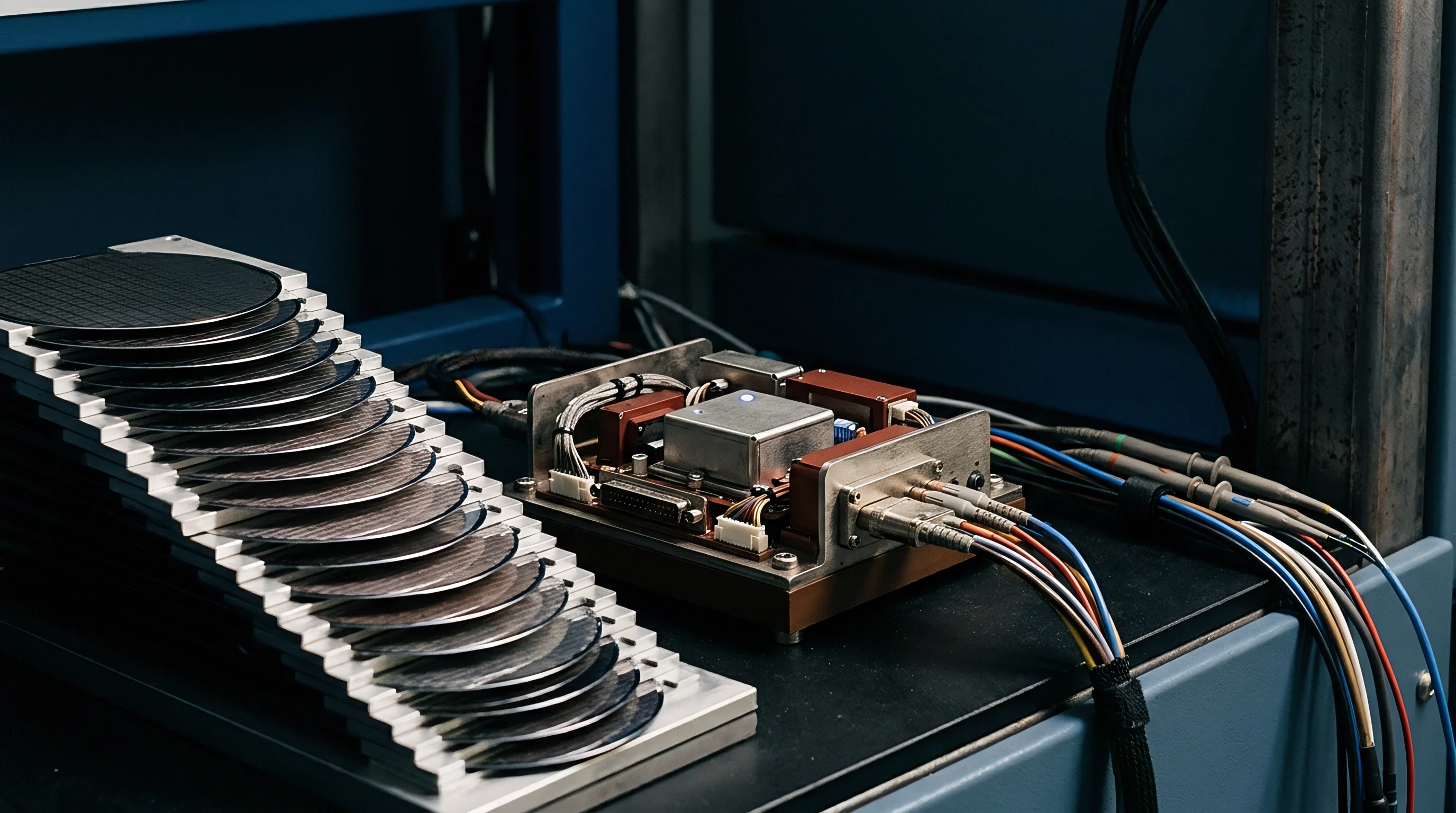
Hardware Abstraction Layers and Driver Trees
Low-level drivers interface directly with hardware registers to control radio state transitions, sleep modes, and transmit power levels. Vendor software kits supply pre-compiled binary libraries for low-level radio management while offering application software interfaces in open source C code. This division isolates proprietary radio calibration algorithms while exposing basic operating commands to host applications.
Inspecting driver source structures reveals whether register operations employ atomic memory access patterns or non-reentrant function calls. Flawed register access routines in interrupt service handlers lead to race conditions during simultaneous radio transmission and peripheral sensor readout. Host software integration demands explicit driver documentation covering memory buffer allocations and peripheral DMA streaming configuration.

Initial Program Load and Bootloader Custody
Primary boot code stored in read-only memory executes hardware initialization before executing application binaries. Secure boot mechanisms verify cryptographic signatures attached to incoming firmware images before passing control to the main application image. Initial program load routines manage crystal oscillator bring-up, internal power domain sequencing, and memory controller initialization.
A comprehensive firmware transfer package includes raw bootloader source code, security key provisioning tools, and target memory map linkers. Missing key management scripts or missing bootloader source trees prevents the purchasing party from updating secure boot keys or altering partition tables for expanding software features.
- Clone the target module software repository including all nested submodule dependencies from the vendor code repository.
- Verify the toolchain compiler version against the explicit release note specifications inside an isolated container build environment.
- Compile the low-level hardware abstraction layer and link against the proprietary radio physical layer binary library.
- Flash the resulting application binary onto a clean reference evaluation board using a standard SWD programming interface pod.
- Execute automated unit test suites to verify system initialization, radio calibration parameter loading, and peripheral communication buses.
| Deliverable Name | Target Compiler Version | Build Automation Script | Vendor Hardware Lock |
|---|---|---|---|
| Primary Bootloader Source | GNU Arm Embedded Toolchain 12.3 | CMake / Makefiles | None |
| Radio PHY Binary Library | Arm Compiler 6.19 | Pre-compiled Object File | Silicon Revision Specific |
| Network Stack Driver Source | GNU Arm Embedded Toolchain 12.3 | Ninja Build Automation | None |
| Production Flashing Scripts | Python 3.10 CLI Utility | Shell Execution Scripts | Programmer Hardware Lock |
Clause 4.2 of the IEEE 802.11 reference driver software agreement revokes source modification rights if proprietary radio calibration algorithms undergo unapproved binary linkage.
Software transfers require verifiable build automation scripts that compile source code into bit-identical flash binaries. Deterministic builds ensure that third-party library dependencies or compiler version shifts do not introduce security regressions or unexpected memory overhead.
Whether vendor-supplied binary blobs for proprietary physical-layer radios contain unpatched memory safety vulnerabilities remains an unquantified operational risk for connected device deployments.


Fixture
Production line testing of wireless modules depends on specialized hardware interface jigs and automated software test scripts. A functional test fixture validates RF transmit power, frequency error, receiver sensitivity, and current consumption across manufacturing runs. Test scripts demand revision.
Yield loss hits margins. High-volume manufacturing handovers must include complete mechanical drawings, wiring schematics, and source code for production test environments.
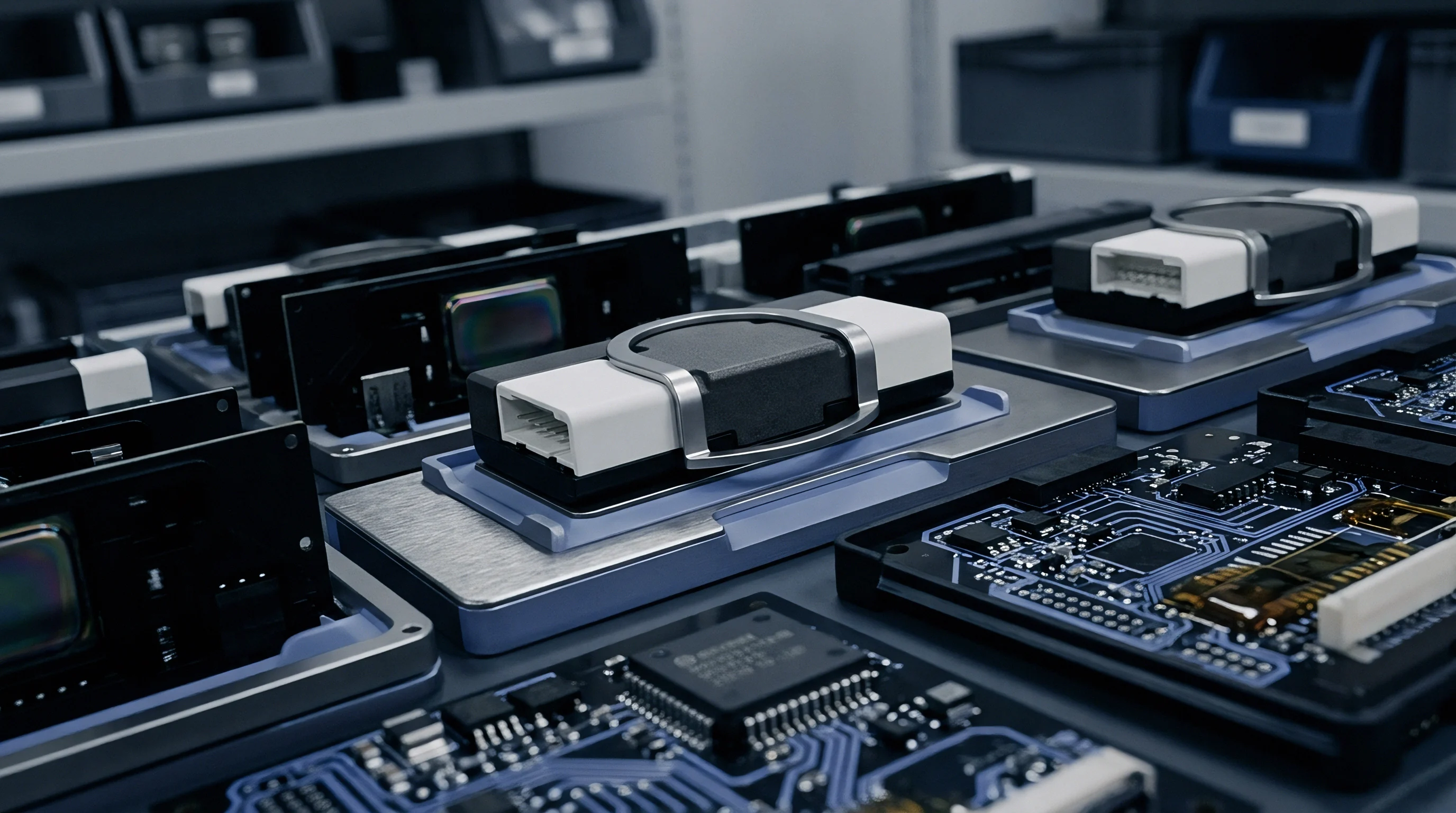
Automated Test Equipment and Calibration Scripts
RF test sequences measure frequency error, error vector magnitude, harmonic emissions, and receiver sensitivity across operating temperature ranges. Automated test equipment drives the module through predefined test modes using standardized AT commands or direct register control scripts. Calibration scripts write unique crystal trimming offset values and power amplifier compensation tables into non-volatile memory during initial factory programming.
Incomplete fixture transfers leave host assembly plants unable to recalibrate production units when passive component suppliers change. Test automation routines written in proprietary environments without published API specifications prevent factories from integrating module testing into unified end-product assembly lines.
- Bed-of-Nails Test Interfaces map target test points on the module bottom layer to high-frequency pogo pin probes for functional verification.
- RF Shield Box Enclosures isolate the unit under test from external wireless interference during power and sensitivity measurements.
- Calibration Parameter Utilities capture individual module crystal trimming values and amplifier power compensation curves in production database records.
- Golden Unit Verification Assemblies supply calibrated reference hardware to validate test fixture measurement accuracy prior to production shifts.
A test fixture designed without automated golden-unit calibration verification eventually accepts failing radio modules as good production inventory.
Mechanical probe positioning tolerances deteriorate after thousands of insertion cycles. Test fixture schematics must detail pogo pin part numbers, signal attenuation values across test cables, and maintenance replacement intervals. Test software databases log parametric test data for every manufactured unit, enabling statistical process control tracking across assembly batches.
Test programs developed without isolated golden-sample baseline checks accept degraded radio hardware as good inventory when RF test cables degrade.


Settlement
Commercial agreements governing module engineering handovers dictate non-recurring engineering charges, file delivery schedules, and intellectual property transfers. Landed cost includes risk. Tooling costs scale fast.
BOM costs drop late. The financial division between initial development fees and long-term module production pricing determines whether a buyer secures genuine intellectual property ownership or remains locked into vendor manufacturing facilities.

Non-Recurring Engineering Amortization and Ownership Scope
Engineering quotations split financial obligations between upfront non-recurring engineering fees and long-term module unit costs. A custom wireless module development project requires 1,200 engineering hours at an average rate of 125 USD per hour, yielding an upfront non-recurring engineering charge of 150,000 USD. An initial production run of 50,000 units incurs a base hardware component cost of 8.50 USD per unit.
If the module supplier absorbs 100,000 USD of the non-recurring engineering charge into the unit price, each unit carries a 2.00 USD amortization surcharge, bringing the module invoice price to 10.50 USD. If market demand shifts and production volumes drop to 20,000 units, the unamortized engineering fee of 60,000 USD becomes due immediately upon contract termination. Securing full source file ownership requires clear contractual distinctions between pure component purchasing and fully funded custom product engineering.
| Integration Level | Source Files Included | NRE Fee Range | IP Ownership Scope |
|---|---|---|---|
| Turnkey White-Label | Compiled Binaries, Gerber Outputs | Low initial charge | Supplier retains total IP |
| Semi-Custom Transfer | Schematic PDF, Netlist, Binary Libraries | Moderate engineering cost | Joint application IP sharing |
| Full Source Handovers | Native CAD, Stackup, C Source, Scripts | Full development funding | Complete customer ownership |
Factory engineering teams retain the true manufacturing source files whenever non-recurring engineering contracts omit explicit native file format delivery specifications.
Part-change notification regimes form a critical component of post-transfer commercial governance. Module suppliers frequently swap passive components, flash memory ICs, or low-dropout regulators without revising module part numbers. Uncontrolled component changes introduce radio frequency performance drift, timing instability, or firmware incompatibility in host systems.
Contracts enforce mandatory ninety-day advance written notice for any bill-of-materials modification altering module electrical, mechanical, or firmware behavior.
Section 14.3 of the IPC Design Transfer Standard transfers all CAD library definitions, physical constraints, and test vectors to the buyer upon final milestone sign-off.