
Sub Tier Component Change Notification Clauses in Semiconductor Supply Agreements
Sub-tier semiconductor change clauses secure advance notice, mandatory requalification sign-offs, and cost-bearing remedies across all upstream suppliers.
Sub-tier semiconductor change clauses secure advance notice, mandatory requalification sign-offs, and cost-bearing remedies across all upstream suppliers.

Lock process modification boundaries to physical test thresholds, mandatory 180-day notices, and escrow-held manufacturing source files to prevent line lock-in.
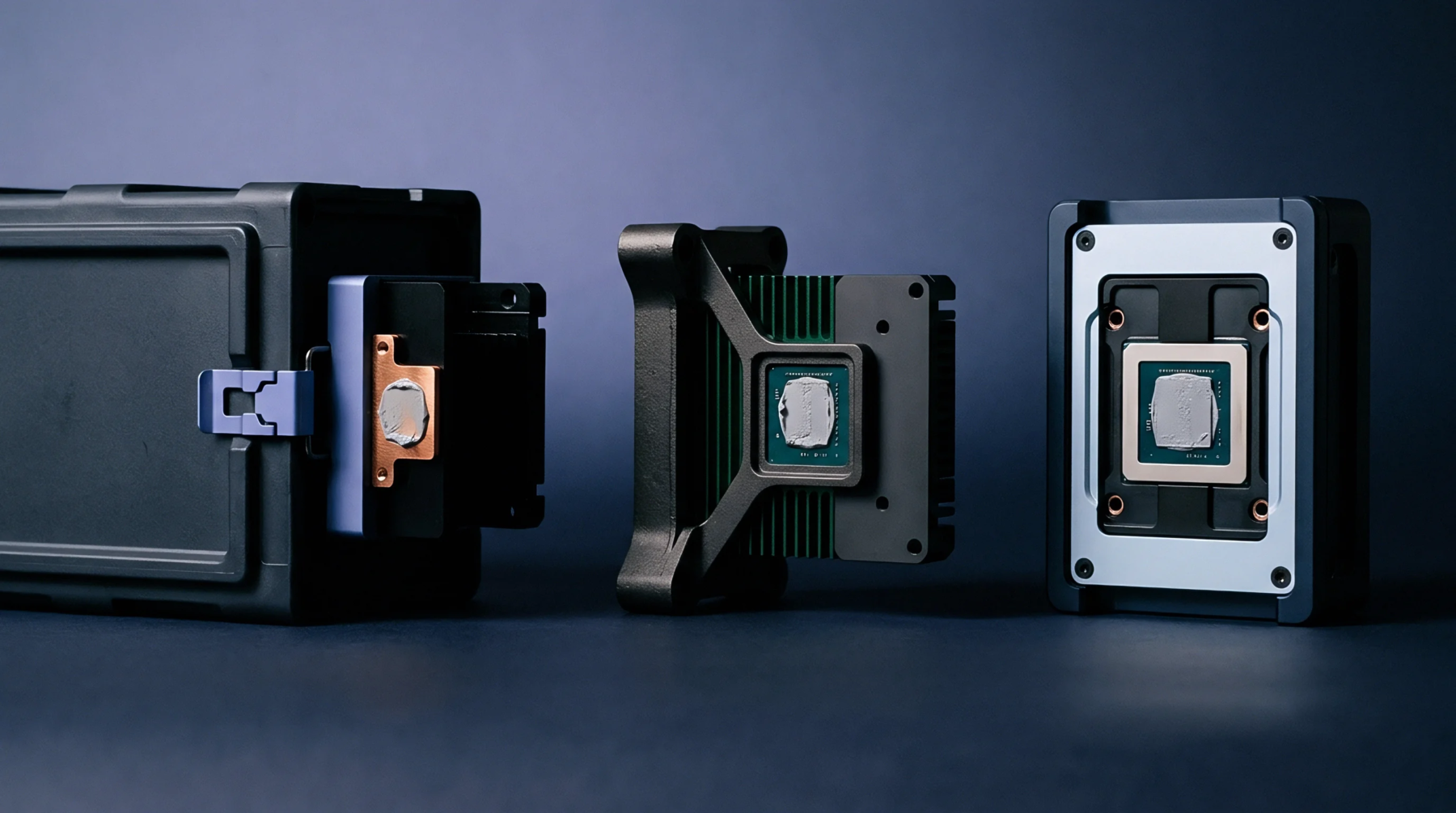
Automated reticle tracking and thermal impedance limits isolate supplier defect liability when dual-sourced optical packages diverge over operating temperatures.

Enforce microcontroller credential ownership by isolating root secrets inside buyer-controlled hardware security modules and conditioning payment on test logs.

Fixed milestone payments tie transceiver IP transfers to silicon DRC clean sign-off, bit-accurate testbenches, and calibrated evaluation hardware.

Allocating module IP and liability demands clear carveouts between vendor baseband code and custom application layers tied to capped epidemic defect penalties.

Unannounced silicon stepping revisions trigger severe factory downtime, requiring locked-BOM warranties, direct damage carve-outs, and SMT register probing.
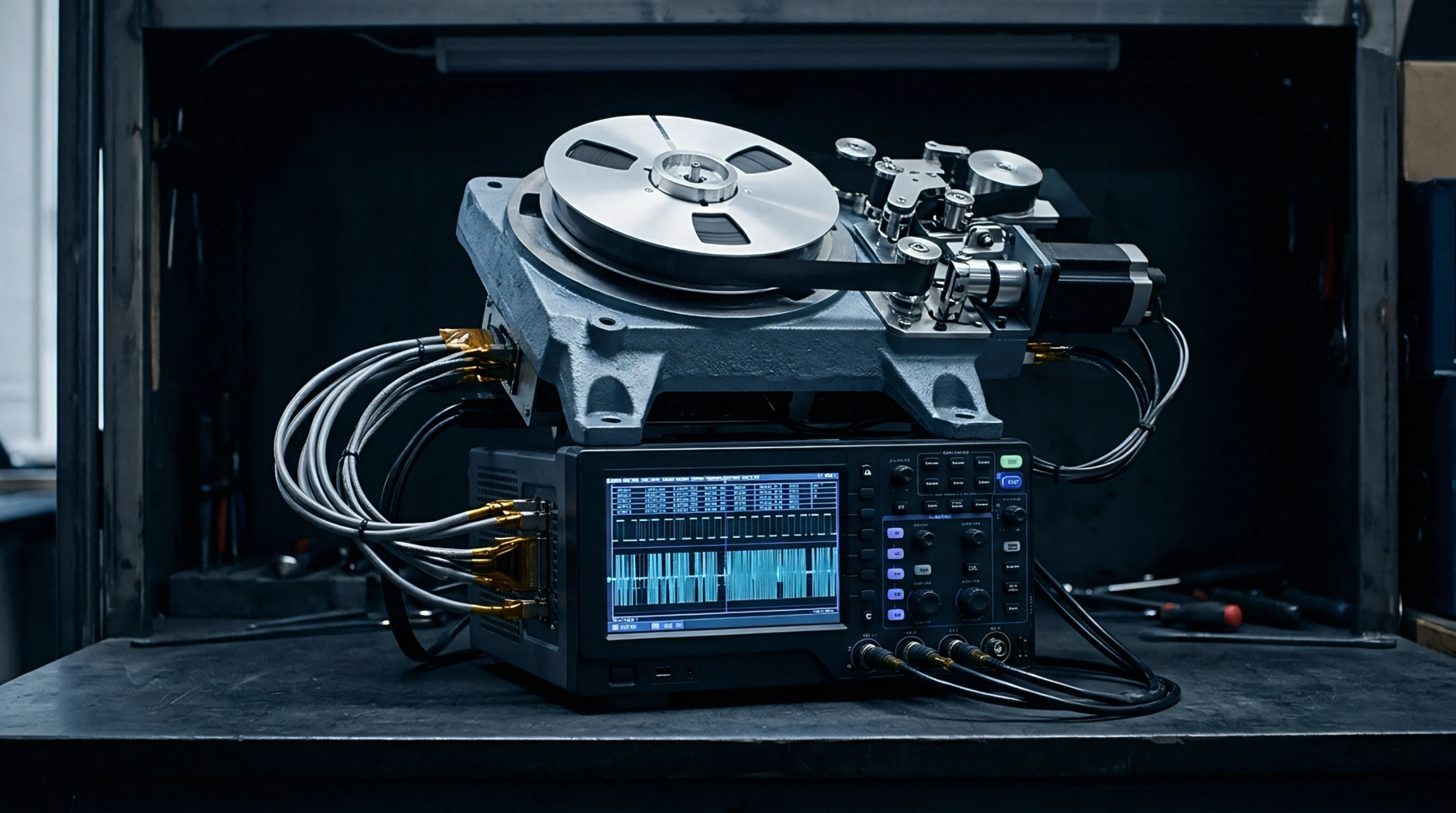
Direct overseas grant ownership combined with domestic agency appointment eliminates distributor certificate hold-up risks under amended South Korean radio rules.

Screening escapes trigger supplier indemnity when board diagnostics prove latent defect presence before field thermal stress accelerates the fault.

Unannounced frequency decrees turn compliant transceivers into unlawful contraband, causing compounding losses through inventory scrap, demurrage, and retesting.

Lock microcode execution to foundry-burned silicon IDs via authenticated key tokens and own all tooling NRE to stop shared assembly lines leaking IP.

Verifying tariff line data against regulatory agency records before customs filing prevents shipment holds and bond forfeiture.

Unannounced semiconductor die steppings bypass standard module warranties, requiring buyers to bind suppliers through liquidated damages and register audits.
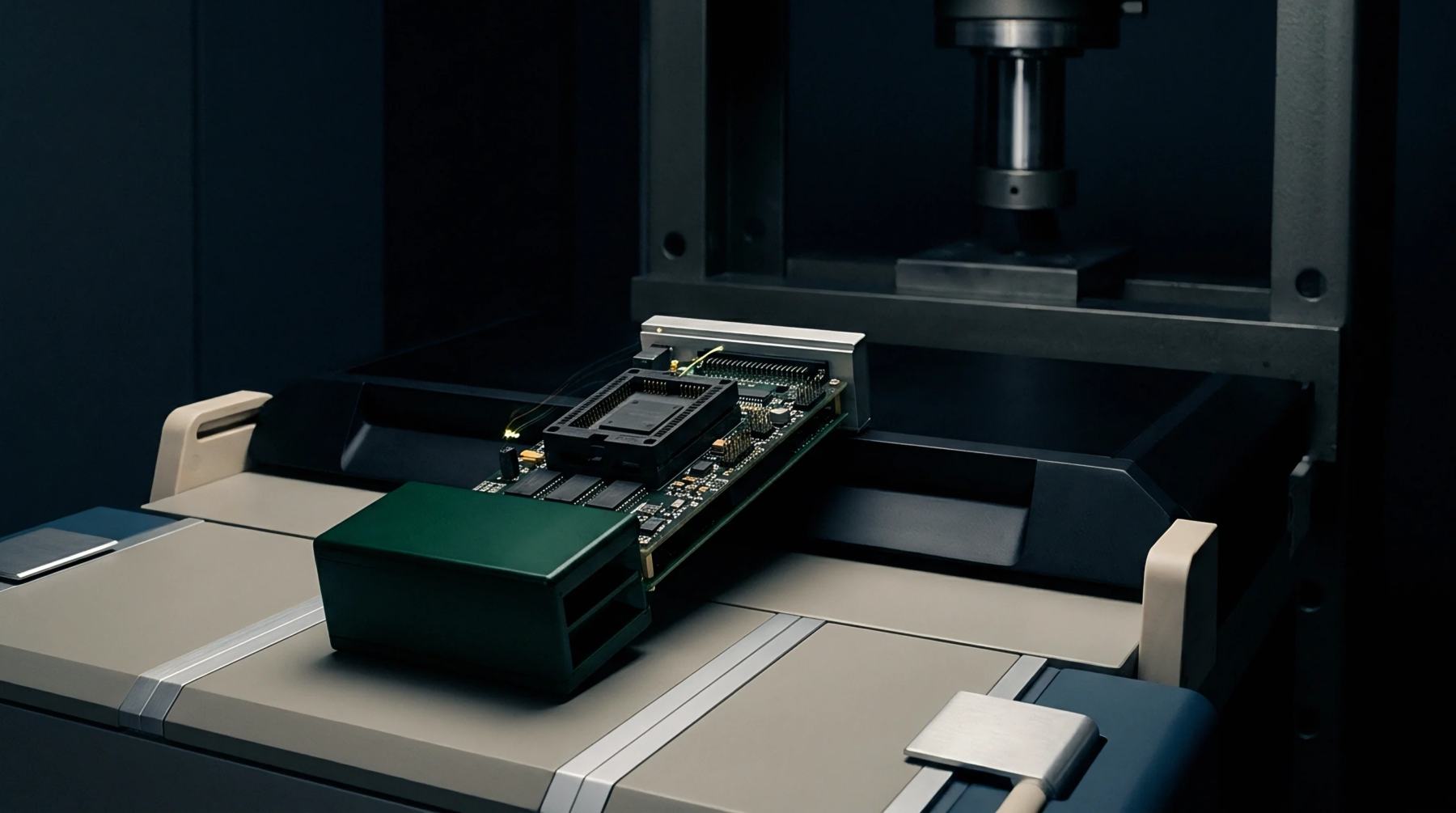
Cross-border downtime penalties require explicit hourly tariffs, defined telemetry boundaries, and alignment with local foreign exchange rules to survive legal challenges.

Calculated SMT downtime exposure combines fixed overhead labor, reflow scrap purges, and AOI mean time to repair to establish true operational risk.

Tooling drift costs combine line stoppage labor, scrapped assemblies, and re-qualification fees, demanding automated inline sensor verification.

Parametric contract clauses allocate unannounced silicon revision risks by linking physical RF and current draw deltas directly to invoice price reductions.

Resolving cross-border latent module defect disputes requires combining forensic physical analysis with disciplined notice and structured arbitration clauses.

Continuous integration firmware escrow verification relies on deterministic build containers and automated physical test vector benches to resolve synchronization disputes.

Regulatory certification failure liability depends on linking contract milestone payments and indemnification clauses to accredited lab test reports.

Liquidated damage allocations for optical inspection failures require multi-tiered downtime formulas backed by cryptographic system logs to withstand cross-border enforceability challenges.

Dual-function wireless assemblies require precise Harmonized System classification and synchronized telecommunications filings to prevent customs border holds.
Unapproved silicon stepping changes alter timing, power, and register behavior; enforce 180-day PCN SLAs, automated parametric screens, and strict contract indemnities.

Crossborder measurement tooling requalification downtime liability requires explicit contractual liquidated damage terms backed by transit environmental logs.
Expertise is a utility, not a secret. sentiention™ publishes its working knowledge as open reference: intelligence layer covering the materials it sources, the markets it enters, and the reference that serves both.