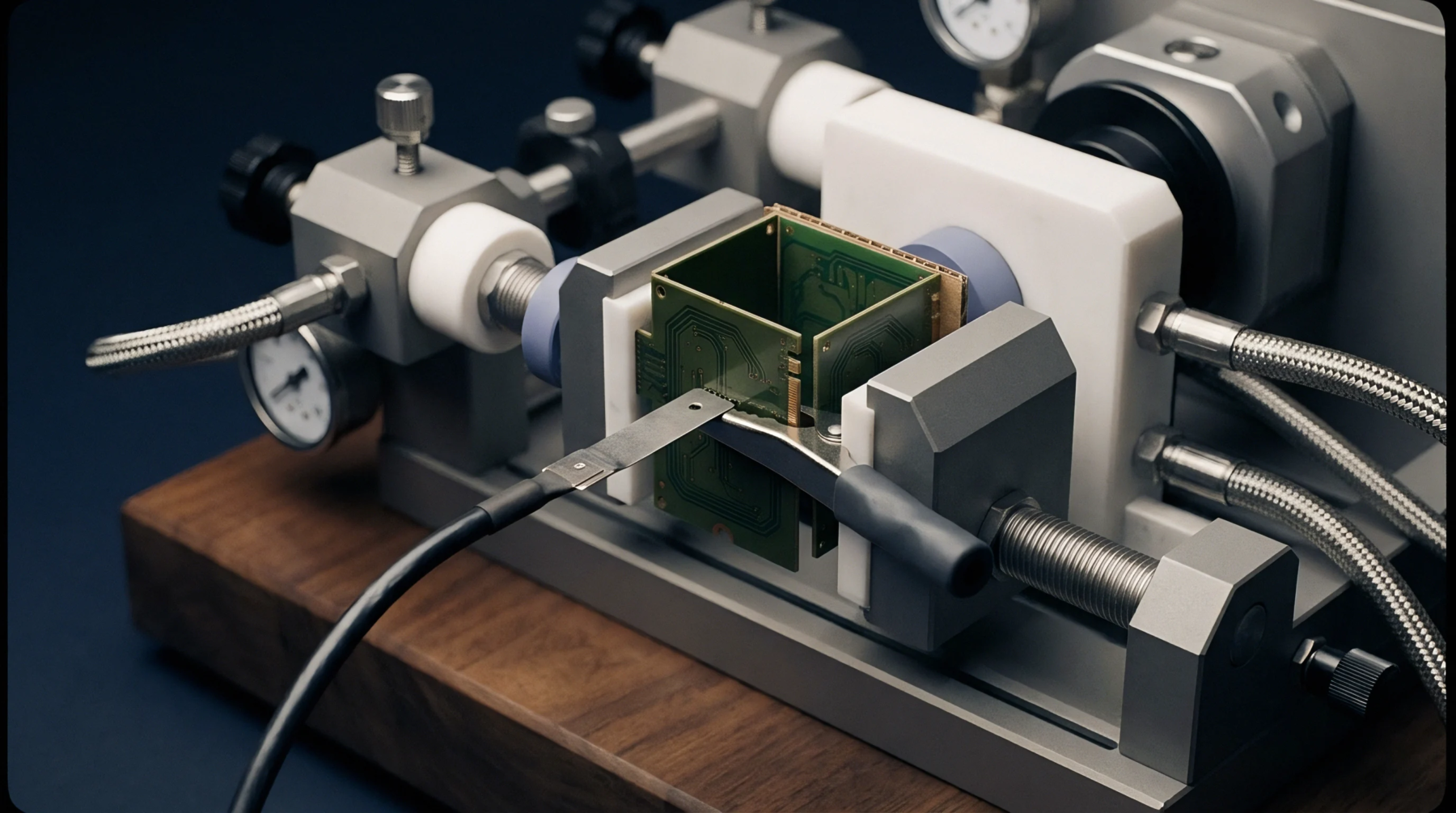
Managing Micro-Asperity Constriction Losses in Millimeter-Wave Test Socket Pins
Mitigating micro-asperity constriction in mmWave sockets requires gold-cobalt plating, 15 um wipe distance, and 25 cN force to hold insertion loss under 0.3 dB.
Mitigating micro-asperity constriction in mmWave sockets requires gold-cobalt plating, 15 um wipe distance, and 25 cN force to hold insertion loss under 0.3 dB.

Dielectric overmolding alters module antenna impedance, requiring near-field scanning and radiated harmonic checks to satisfy global permissive change filing limits.
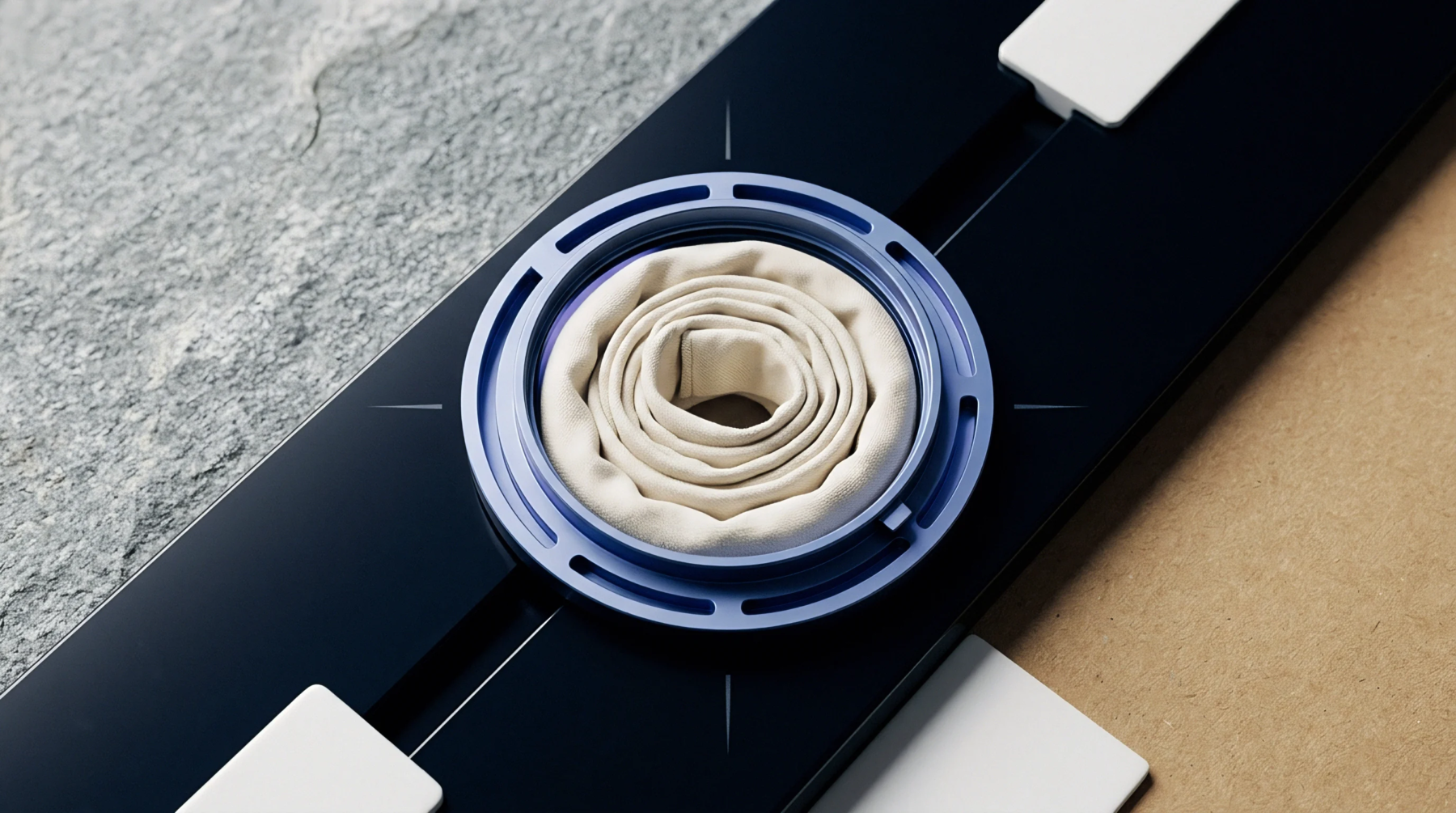
Potting resins alter antenna reactive near fields and spike peak SAR, requiring rigorous dosimetric scanning rather than reliance on modular grant exemptions.
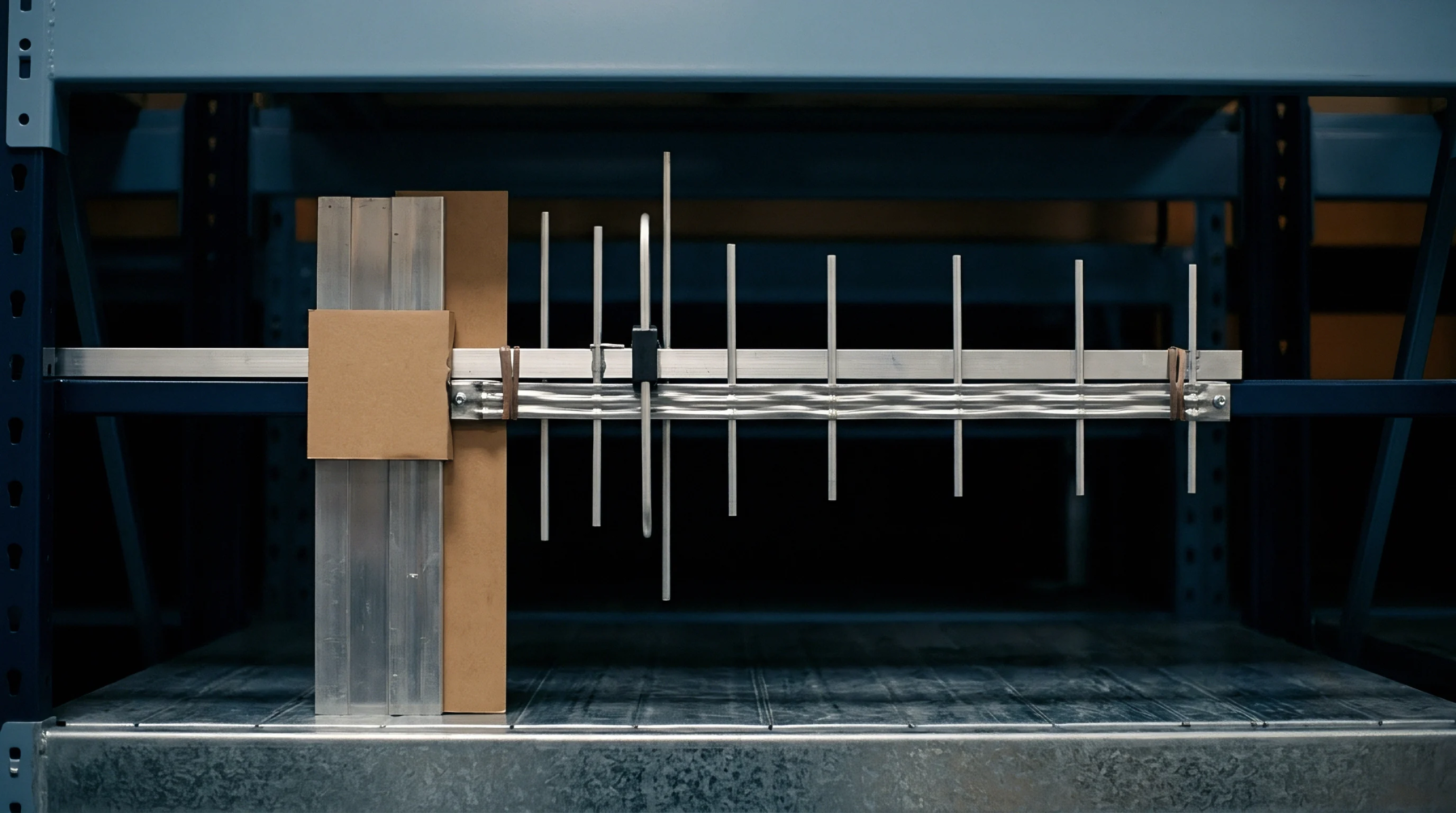
Gel fraction metrics above ninety two percent prevent moisture induced permittivity shift and eliminate radiated spurious emission failures in encapsulated antennas.

Encapsulating a certified antenna assembly alters dielectric loading, requiring radiated emission re-testing to classify global regulatory change thresholds.
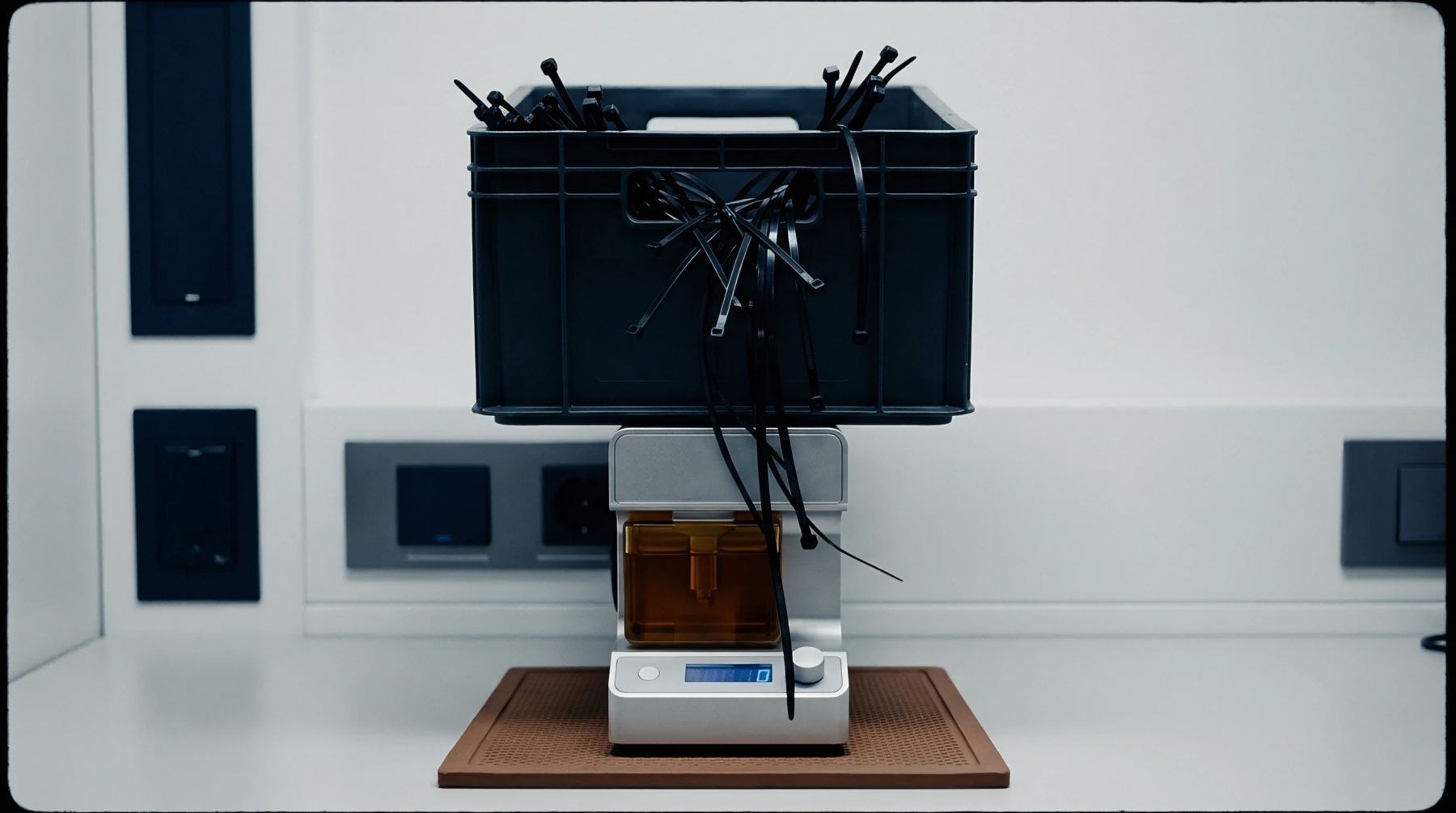
Enclosure plastic permittivity shifts detune integrated antennas and elevate radiated harmonics, converting modular paperwork into expensive Class II chamber filings.
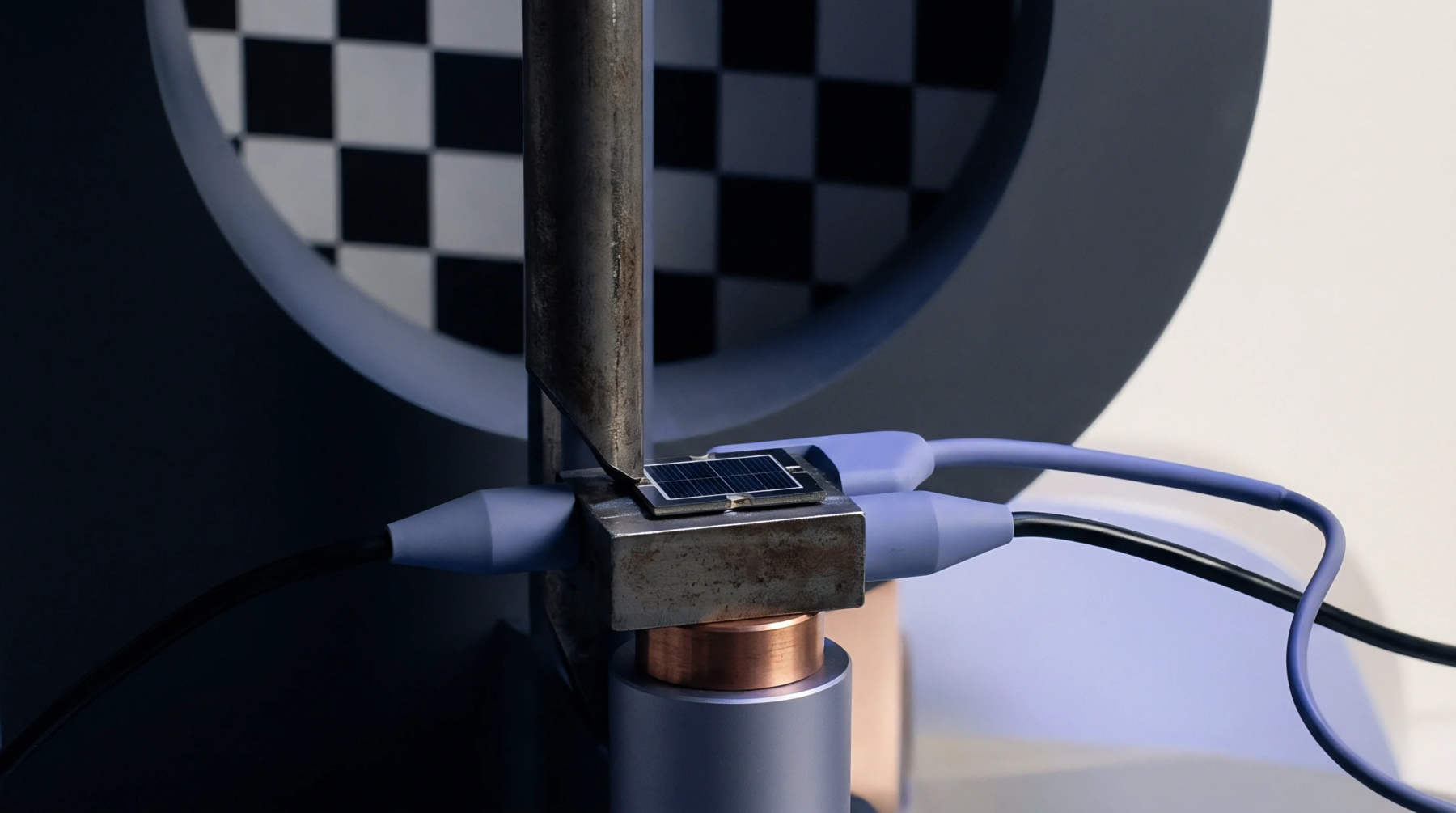
Surface oxidation at RF contact interfaces increases skin-effect insertion loss and link margin erosion, requiring controlled normal force and plating standards.
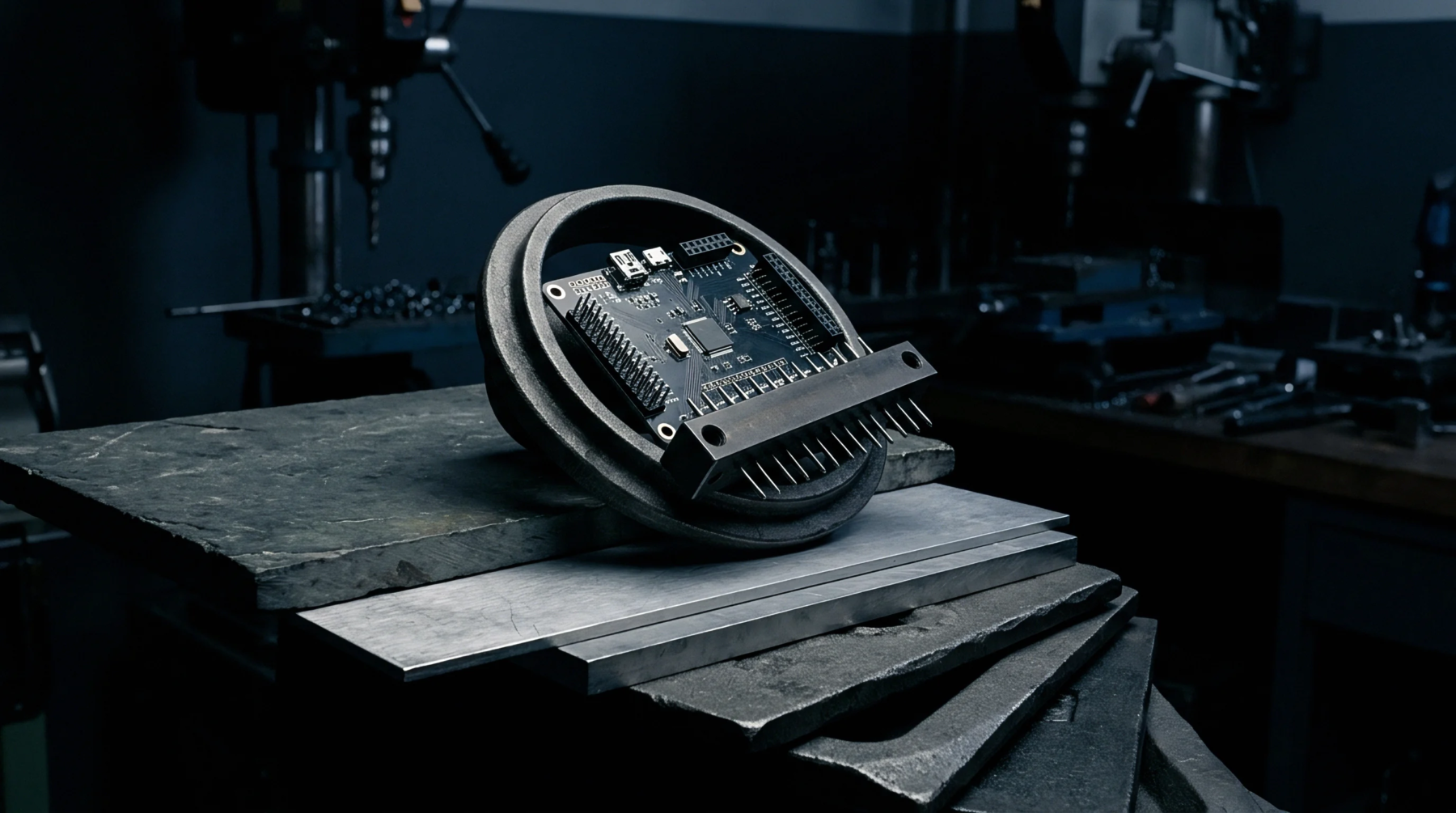
Heavy industrial metal environments require a multipath shadowing margin floor between 24 dB and 38 dB to guarantee 99 percent link availability.

Severe antenna detuning elevates power amplifier current and airtime during profile reselection, driving battery voltage below shutdown limits.

Dielectric alterations to certified radio modules alter antenna impedance and radiated emissions, triggering permissive change filings across major global jurisdictions.

Encapsulating transmitters alters dielectric loading, detuning antennas and shifting RF exposure boundaries, demanding re-evaluation of emissions and SAR compliance.

Anisotropic dielectric drift in composite enclosures detunes integrated antennas during temperature sweeps, triggering radiated compliance failures and re-filings.
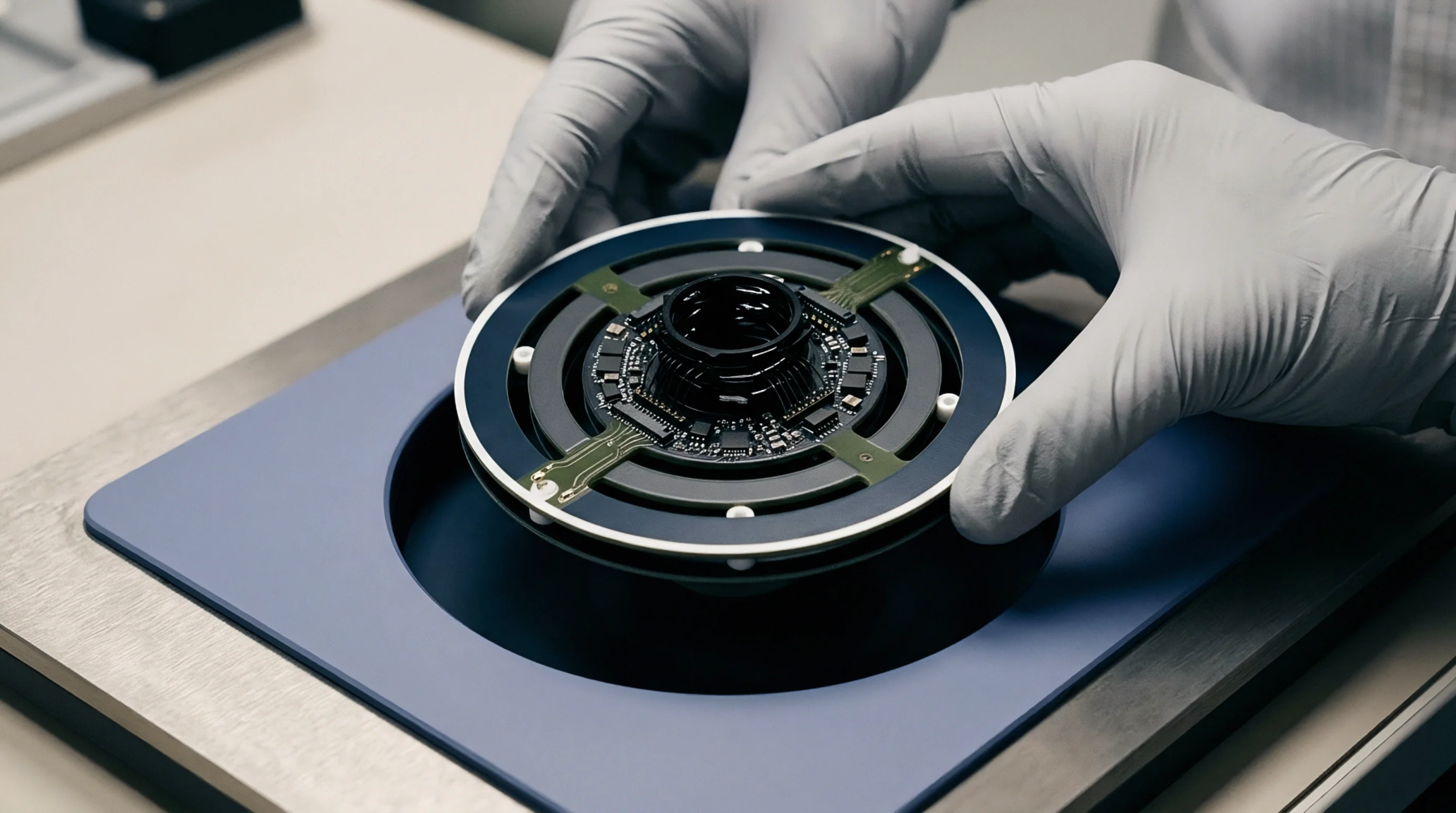
Inter-carrier steering forces prolonged radio frequency scanning and timer renegotiations that accelerate battery passivation collapse and premature field failure.
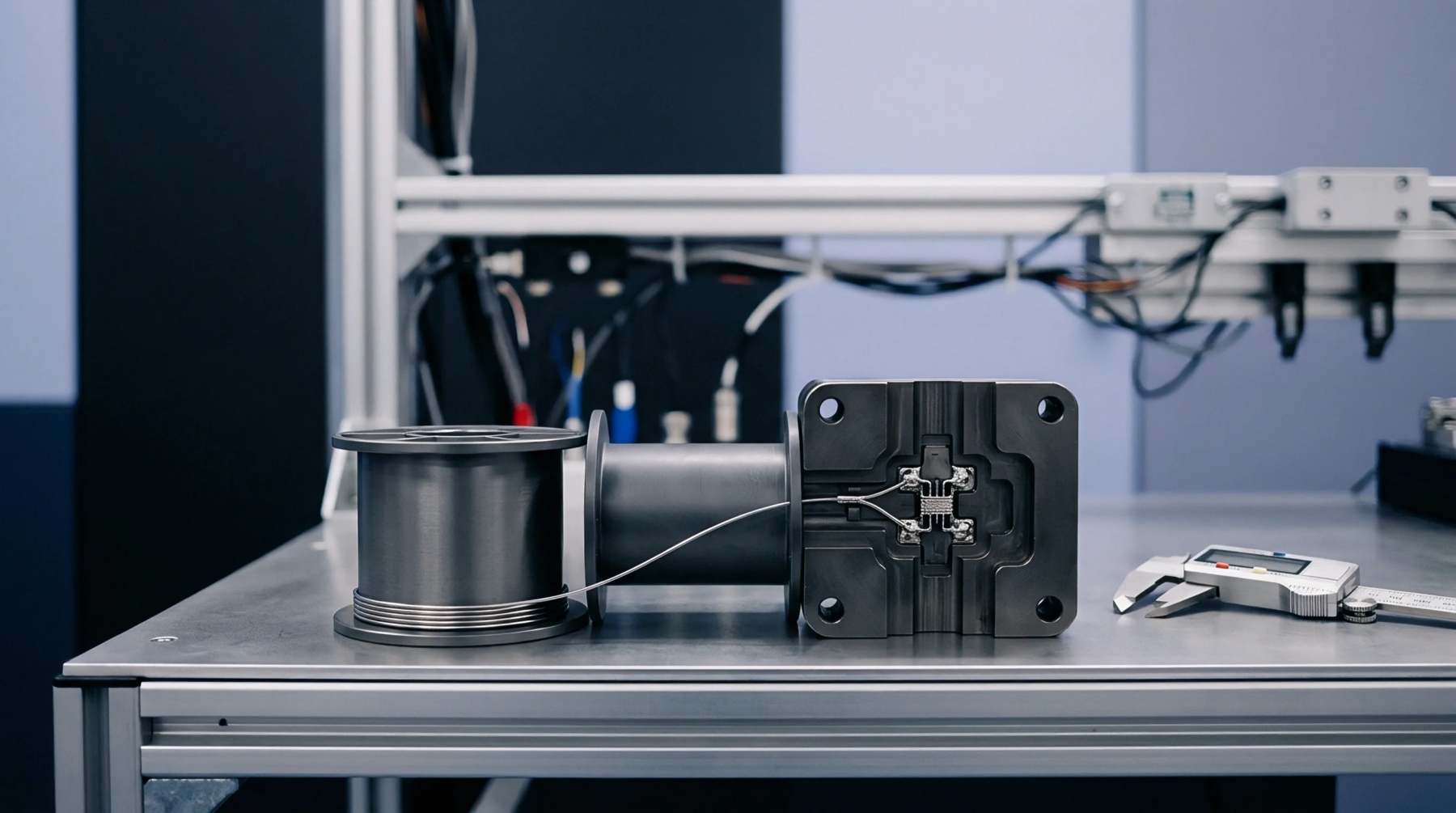
Substrate moisture absorption increases dielectric loss tangent, raising RF interconnect insertion loss and reducing long-term wireless link margins.

Parametric contract clauses allocate unannounced silicon revision risks by linking physical RF and current draw deltas directly to invoice price reductions.

RF micro-coaxial insertion loss escalates through skin-depth resistance, dielectric loss tangent shifts, mechanical flex displacement, and atmospheric oxidation.
Expertise is a utility, not a secret. sentiention™ publishes its working knowledge as open reference: intelligence layer covering the materials it sources, the markets it enters, and the reference that serves both.