Meaning
Industrial protection standards defining high levels of resistance to dust and prolonged water submersion ensure the reliability of electronic assemblies in harsh environments. Devices utilizing IP68 encapsulation can withstand complete immersion in water under conditions specified by the manufacturer. This protection level is crucial for outdoor utility meters and industrial sensors.
The process involves sealing the housing with specialized gaskets or potting compounds.
Physical Barriers
Protective housings use o-rings and silicone seals to block external contaminants from reaching sensitive circuit boards. When implementing IP68 encapsulation, the mechanical design must distribute fastening pressure evenly across all sealing surfaces. Any uneven compression of the gaskets can create microscopic gaps that allow moisture to enter over time.
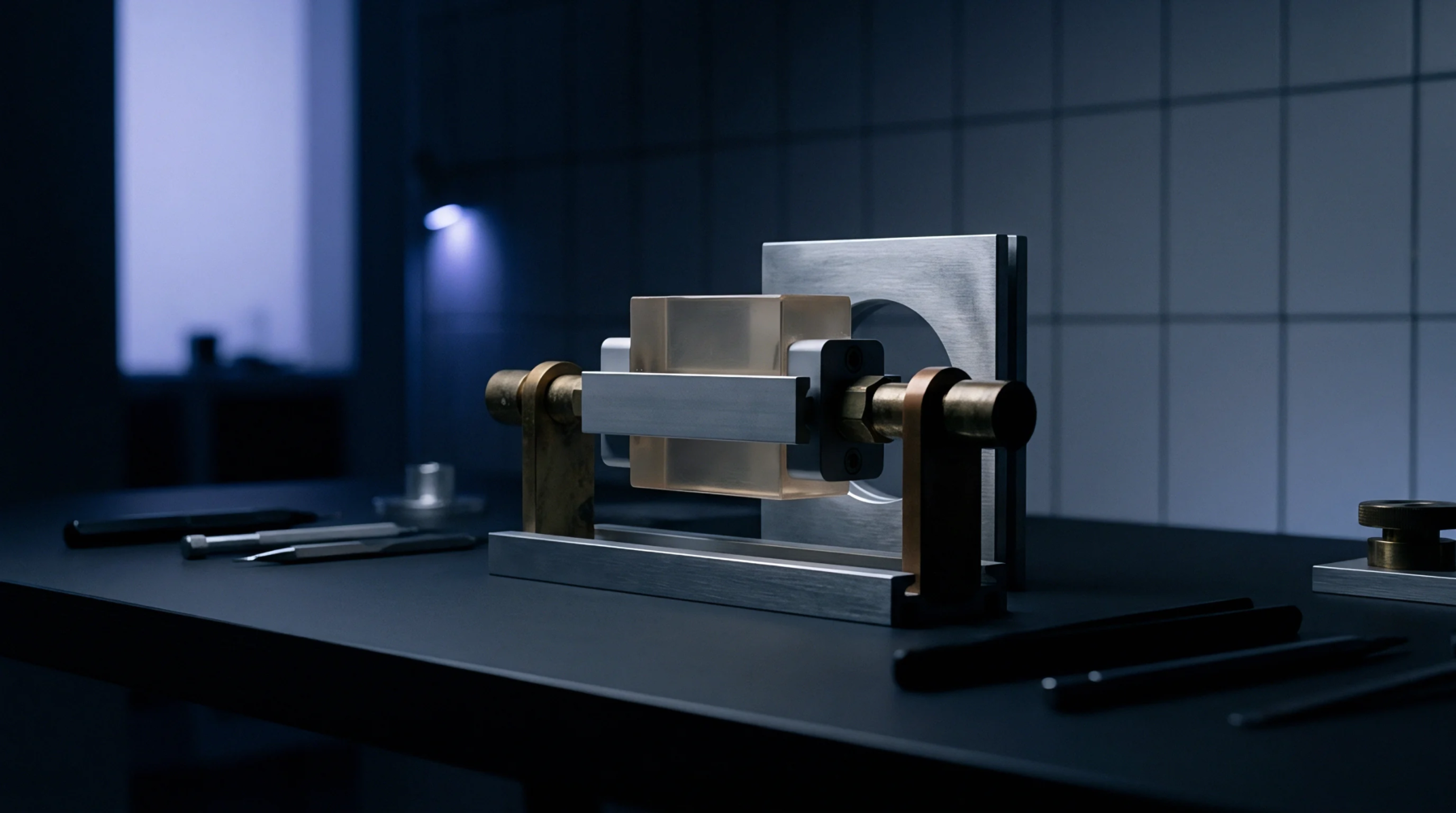
Potting the entire assembly in polyurethane or silicone resin provides a complete barrier that resists both moisture and physical shock. This technique also secures internal components against high levels of vibration encountered in heavy industrial settings.
Thermal Impact
Sealing an electronic device completely within an airtight enclosure limits the pathways for heat dissipation. With IP68 encapsulation, convective cooling is eliminated, forcing all heat to be transferred through conduction to the outer walls of the housing. Designers must select thermal interface materials with high conductivity to bridge the gap between hot components and the sealed case.
Improper thermal management can lead to localized heat buildup, which accelerates component degradation.
Ingress Testing
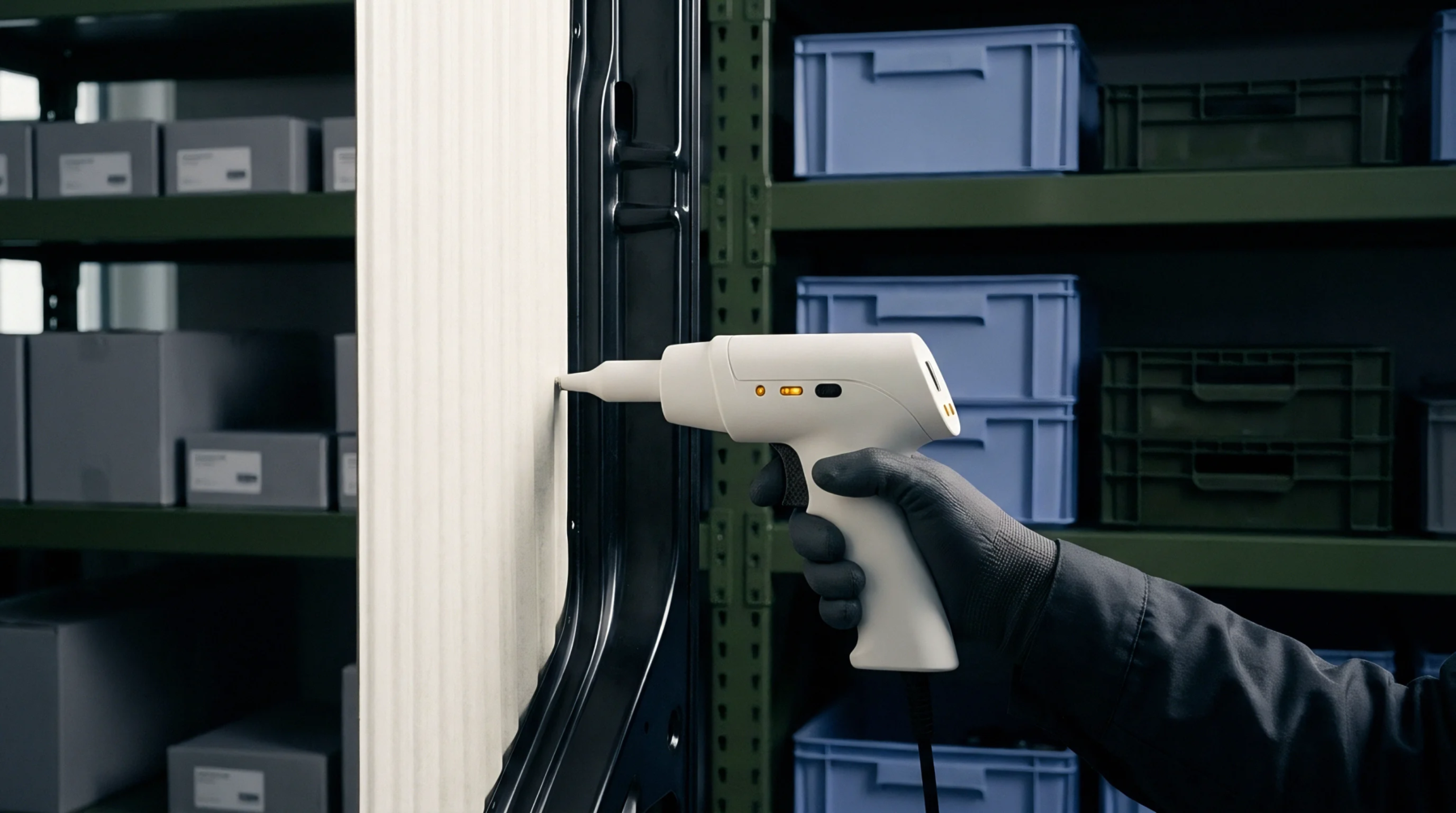
Verifying the integrity of the protective seal requires rigorous pressure testing in specialized water chambers. To certify IP68 encapsulation, the device is typically submerged at a specified depth for a period exceeding one hour. Some protocols use vacuum testing to detect leaks by monitoring pressure changes inside the dry enclosure.
Successfully passing these tests confirms that the device can operate reliably during floods or heavy rainstorms.