
Evaluating Antenna Impedance Matching and Board Layout Strategies for Embedded Transceivers
Evaluating embedded transceiver matching and layout requires conjugate source matching, coplanar ground stitching, and in-housing impedance tuning.
Evaluating embedded transceiver matching and layout requires conjugate source matching, coplanar ground stitching, and in-housing impedance tuning.
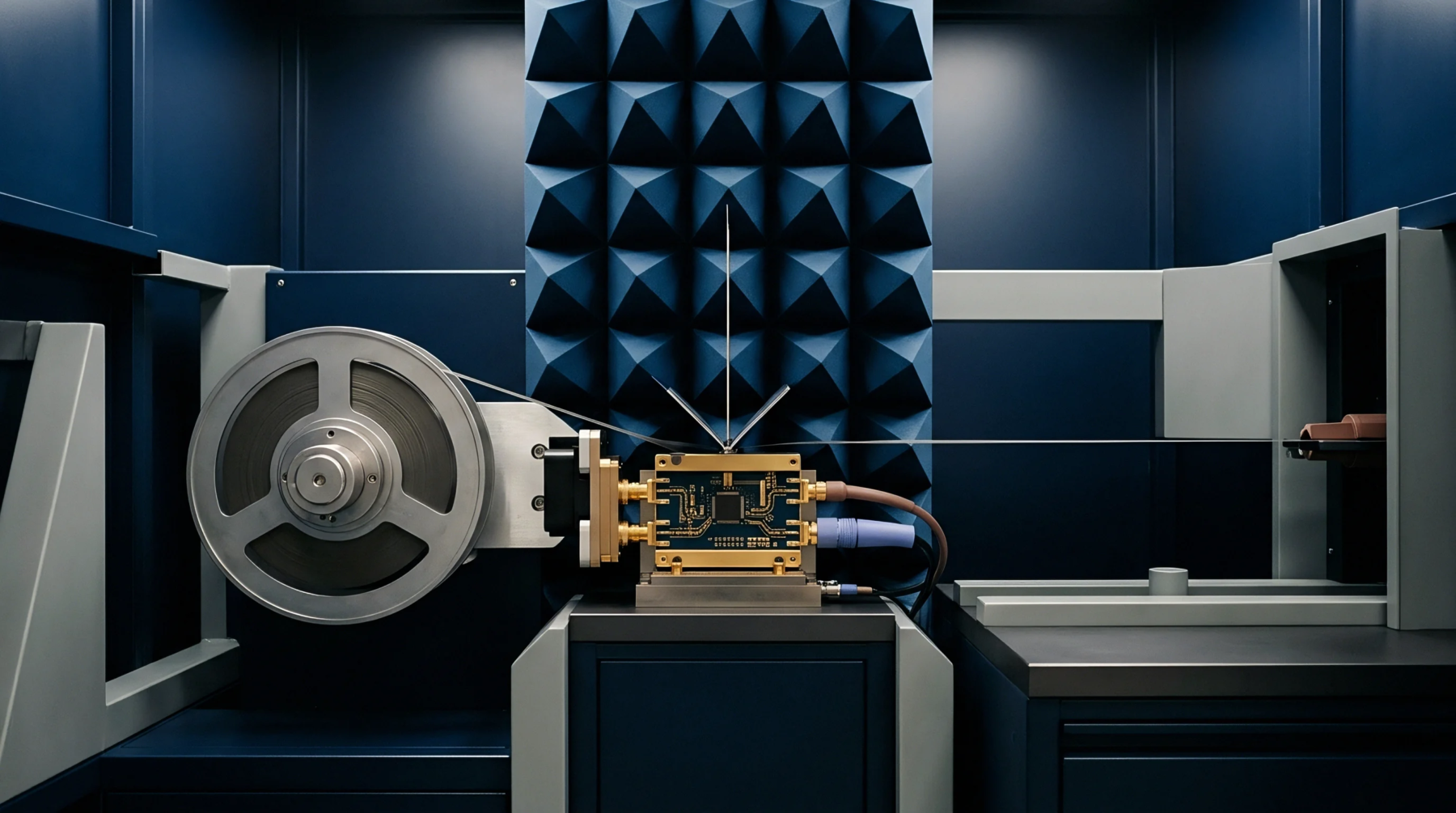
Proximity loading detunes phased arrays and distorts beam shapes, requiring near-field spatial power density mapping to maintain regulatory exposure limits.
Closed-loop sub-GHz tuners degrade net radiated power unless antenna mismatch loss exceeds the two-decibel threshold of switch and sensor insertion dissipation.

Carrier conformance testing demands strict optimization of radiated performance and protocol signaling to prevent costly hardware re-qualification delays.
Semicustom wireless module break-even hinges on offsetting upfront NRE and regulatory fees against unit BOM savings across yield-adjusted volume thresholds.

Refining polymer cross-linking gel fraction above eighty percent minimizes residual dipoles, reducing high-frequency near-field coupling loss and preventing re-certification.

Encapsulating dual band antennas requires pre-tuning trace geometry to offset lower band and upper band dielectric loading shifts before molding.
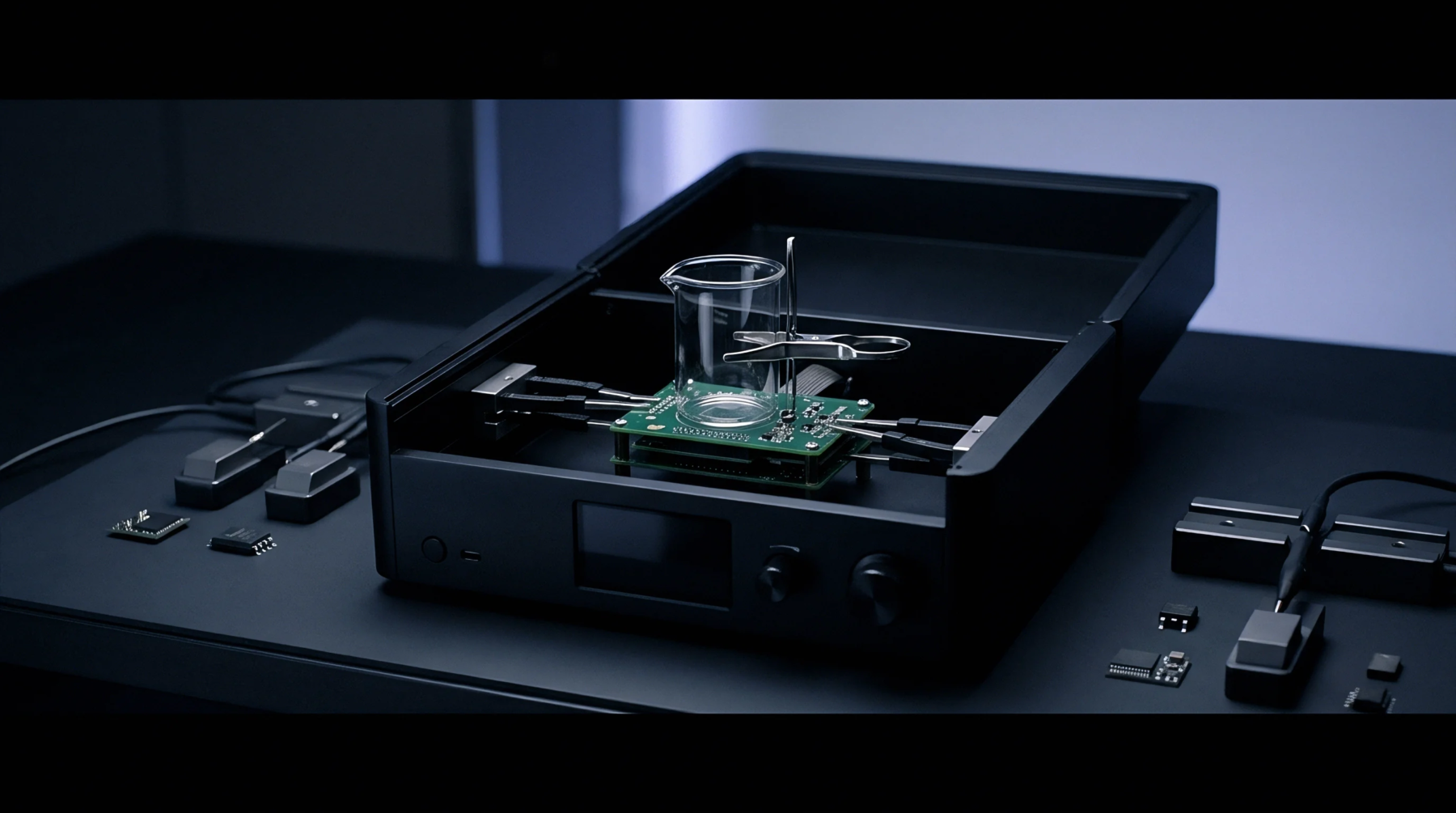
Early co-simulation of enclosure dielectric loading and counterpoise geometry prevents costly mold tooling revisions and regulatory recertification delays.
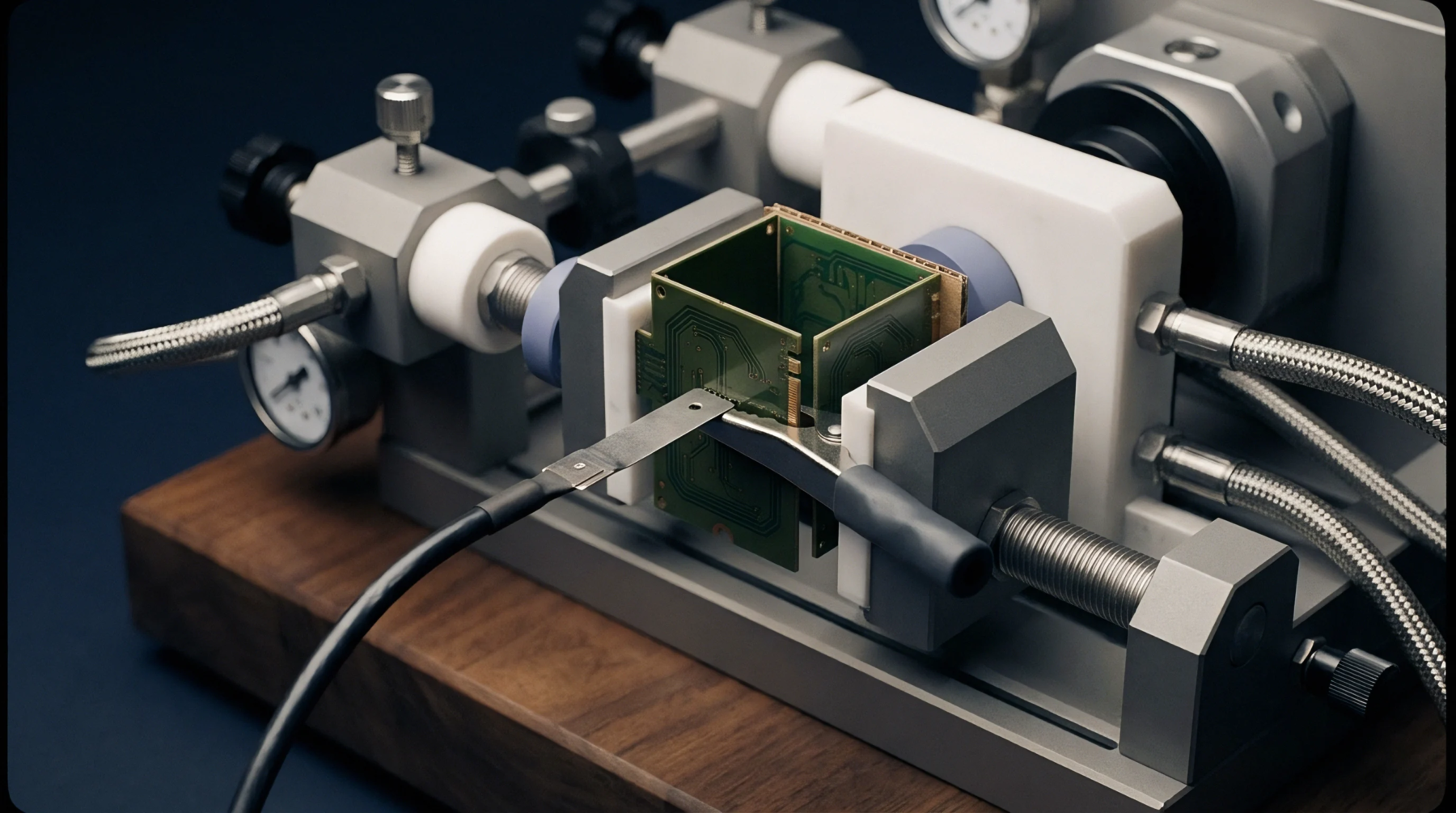
Contractual allocation of RF redesign costs requires an Interface Control Document stackup baseline, binding change orders, and tiered liability thresholds.
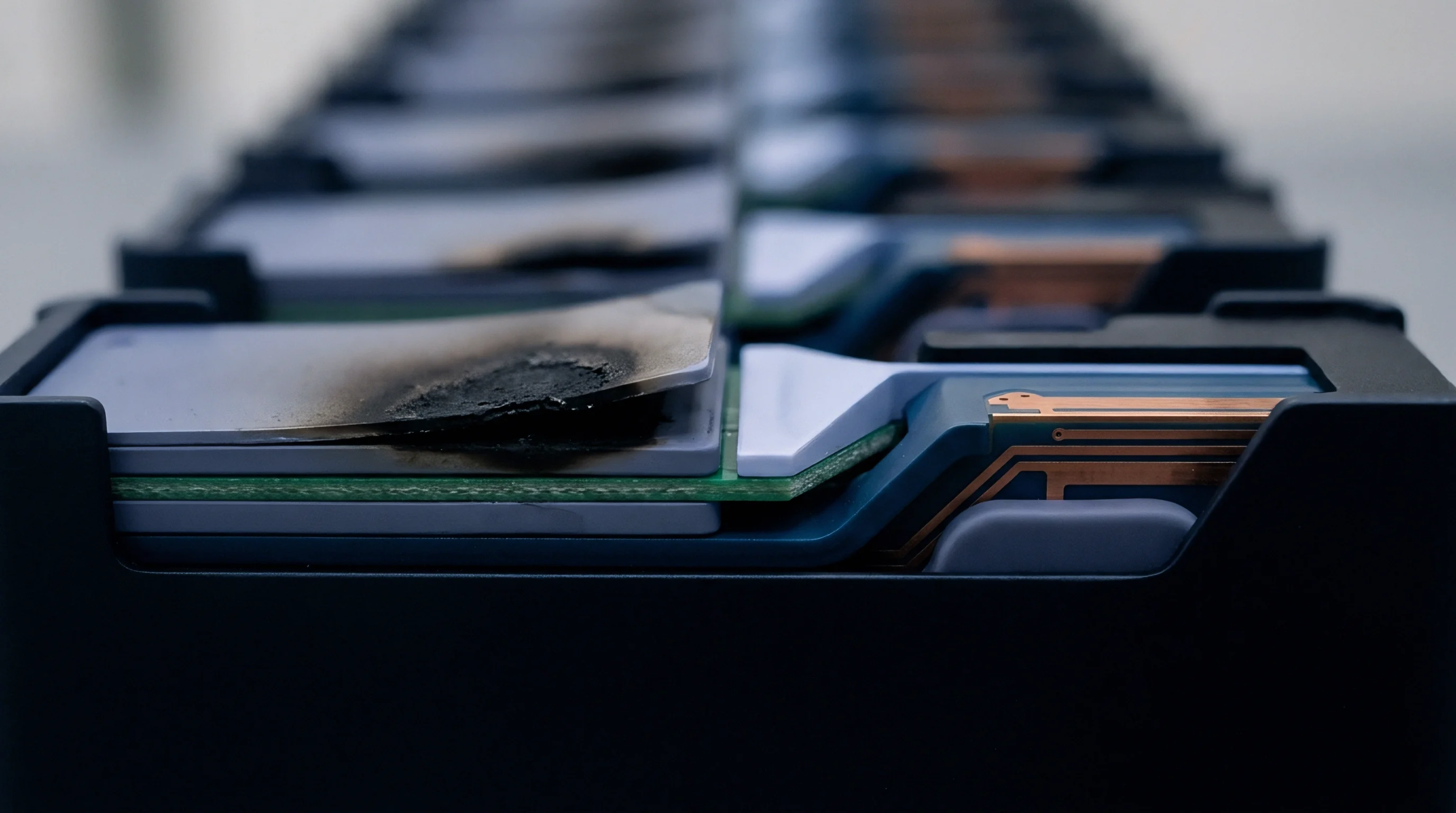
Resolving cellular hardware radiated margin loss requires isolating internal digital board noise and stabilizing multi-band antenna matching under real deployment conditions.

Adding potting compound to an unpotted RF module demands Class II permissive change re-testing if dielectric loading increases radiated spurious emissions.
Carrier acceptance testing costs can increase unit landed expenses significantly if antenna integration failures force laboratory re-test cycles.

Host integrators must verify radiated emissions and RF exposure compliance for the complete assembly because modular radio grants do not cover host coupling.

Potting encapsulation shifts multi-band antenna resonance via dielectric loading, requiring precise trace tuning and Class II Permissive Change filings.

Modifying enclosure materials or geometry shifts near-field coupling and radiated emissions, triggering mandatory global re-testing and permissive change refilings.

Host proximity near unlicensed module antennas degrades total efficiency and shifts harmonics over emissions thresholds requiring re-certification.
Expertise is a utility, not a secret. sentiention™ publishes its working knowledge as open reference: intelligence layer covering the materials it sources, the markets it enters, and the reference that serves both.