Accredited Radio Test Plan Execution across Multiple International Certification Regimes
A unified radio test plan executed in accredited chambers minimizes duplicate scans, reduces retest risks, and opens multi-market regulatory approval streams.
A unified radio test plan executed in accredited chambers minimizes duplicate scans, reduces retest risks, and opens multi-market regulatory approval streams.

Radiated spurious emissions in multi-radio designs demand aggressive board-level isolation and predictive intermodulation filtering to secure market approvals.

Dielectric alterations to certified radio modules alter antenna impedance and radiated emissions, triggering permissive change filings across major global jurisdictions.

Thermal gradients across 77 GHz radar arrays cause substrate permittivity drift and phase skew, squinting beams and threatening regional EIRP compliance.

KC certificate transfer under Korean law requires explicit agent consent or arbitral orders to overcome local representative database binding.
Cross-border verification requires cross-checking factory test reports against official regulatory databases before committing import capital.

Modifying host enclosures or antenna gains triggers mandatory KC partial re-testing under South Korean RRA rules to avoid border holds and grant revocation.

Grantee authorization letters legally permit host integrators to reuse module test data, preventing expensive re-testing and customs import rejections.
Foreign radio manufacturers avoid South Korean customs lockouts by filing RRA conformity applications under their own corporate name rather than a distributor.

Cross-border radio module schemes demand host-level verification, strict trace layout compliance, and targeted local filing sequencing to secure market access.
Reconciling customs import valuations with radio type approval scopes requires aligning declared hardware assists and software royalties with granted technical limits.
Internal RF coupling converts near-field reactive energy into unintended far-field emissions through enclosure seams, ground breaks, and unshielded host wiring.
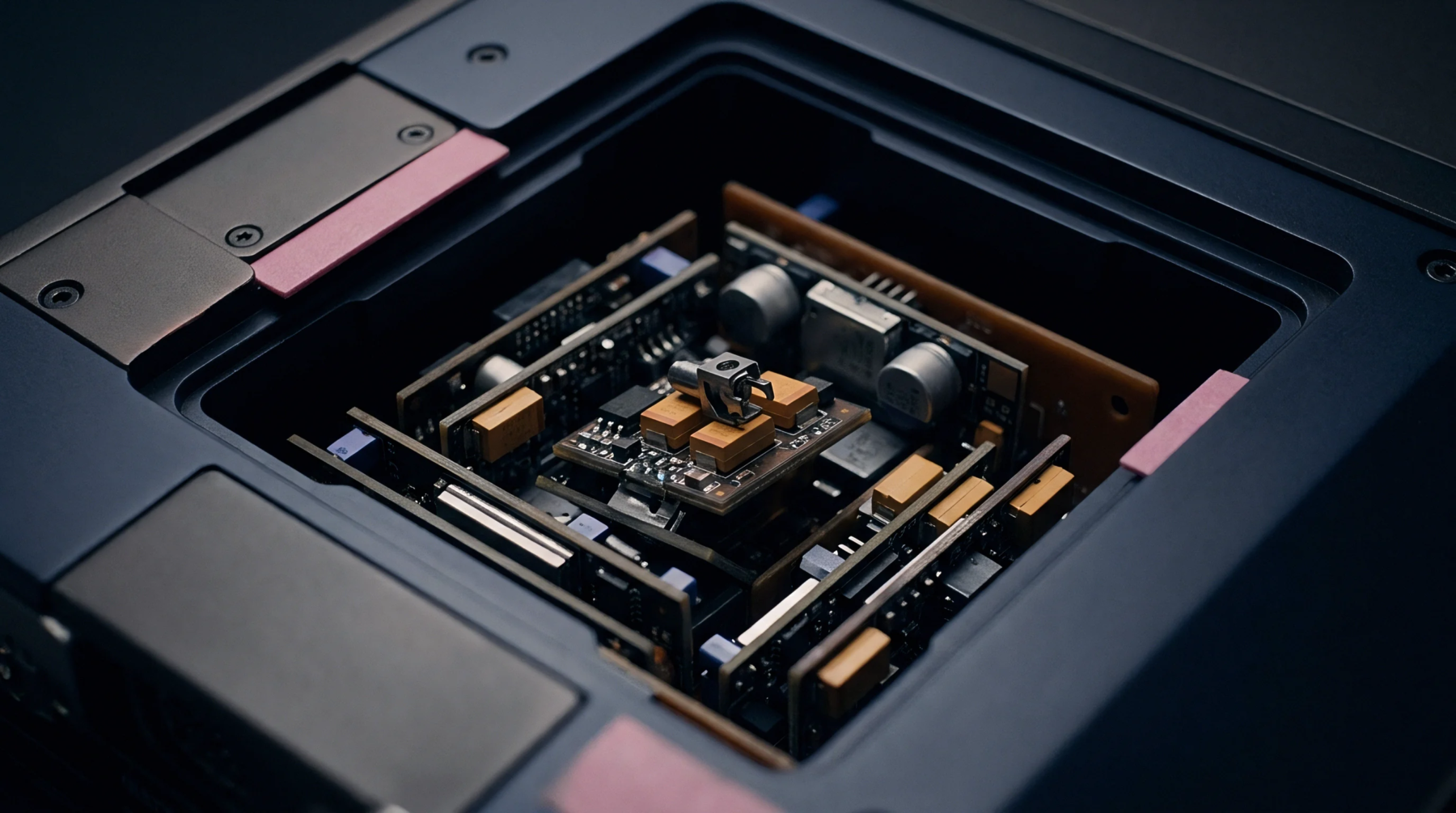
Unlicensed commercial radio access requires precise chamber testing, strict host integration boundaries, and regional type approval filings to prevent customs rejections.
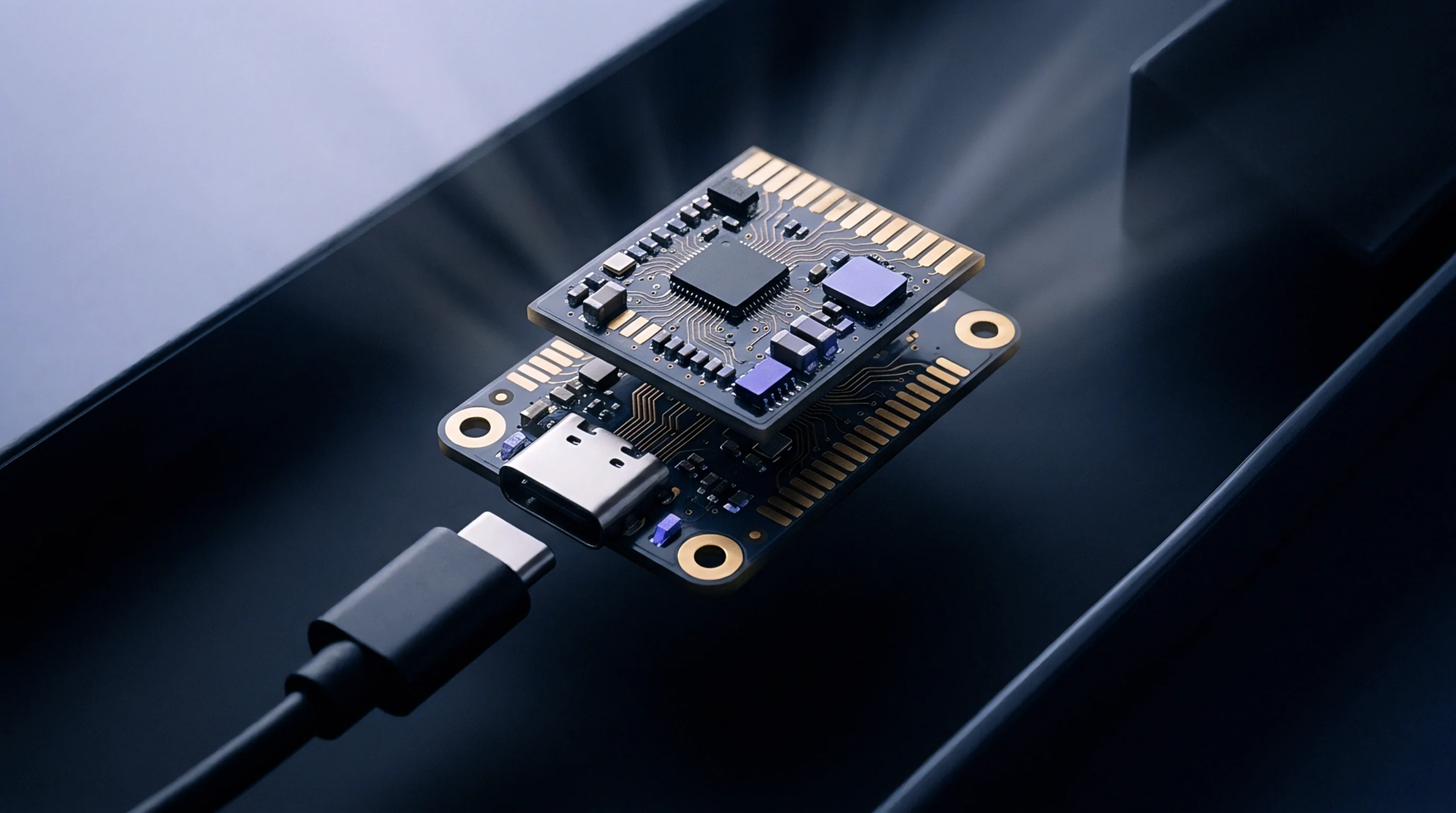
South Korean KC radio certificates belong legally to the local representative's business registration number, requiring explicit consent or complete re-testing to transfer administrative ownership.

A certification budget fails on sample availability and unbuffered retest hours long before it fails on base lab application fees.
Customs holds on radio products stem from missing declarations of conformity, requiring aligned standard references and valid technical files for release.
Expertise is a utility, not a secret. sentiention™ publishes its working knowledge as open reference: intelligence layer covering the materials it sources, the markets it enters, and the reference that serves both.